REVIEW · VICENZA
Vicenza: Pasta & Tiramisu Cooking Class at a Local’s Home
Book on GetYourGuide →Operated by Cesarine · Bookable on GetYourGuide
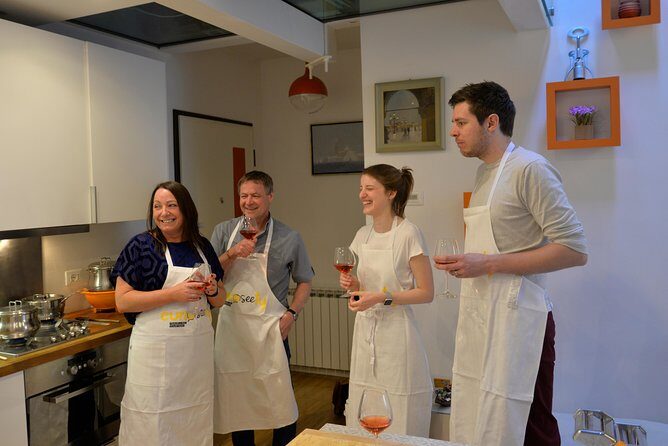
Cooking in a real Vicenza home feels personal. You learn the basics of fresh pasta by hand and then make the famous tiramisu from scratch, while a host explains how to get the texture and flavor right. It is not a demo. It is hands-on, seat-at-the-table cooking, followed by tasting everything you make.
One thing to plan for: this is held at a private home, so you only get the full address after booking. That private address setup can be a little awkward if you are traveling without a car or you are unsure how to reach residential neighborhoods.
In This Review
- Key highlights you will actually care about
- Cooking in a Vicenza home: why the setting changes everything
- Cesarine in plain terms: what this network gets right
- Your 3-hour menu: sfoglia, two pasta recipes, and tiramisu
- Fresh pasta by hand: sfoglia technique that helps you at home
- Two pasta recipes: learning patterns, not memorizing shapes
- Tiramisu in real-life steps: coffee, cream, and the right patience
- Aperitivo and wine: how the included drinks shape the meal
- Getting matched with your host: what you should prepare before you go
- How to get the best learning in a 3-hour class
- Price and value: what you are really paying for at $152.93
- Who this class suits best in Veneto
- Should you book this Vicenza pasta and tiramisu class?
- FAQ
- Where does the cooking class take place?
- How long is the class?
- What dishes do I learn to make?
- Is food and drink included?
- What languages are used during the class?
- Is the class suitable for wheelchair users?
- How do they match you with the right host?
- Can I cancel for a refund?
- Can I reserve without paying right away?
Key highlights you will actually care about
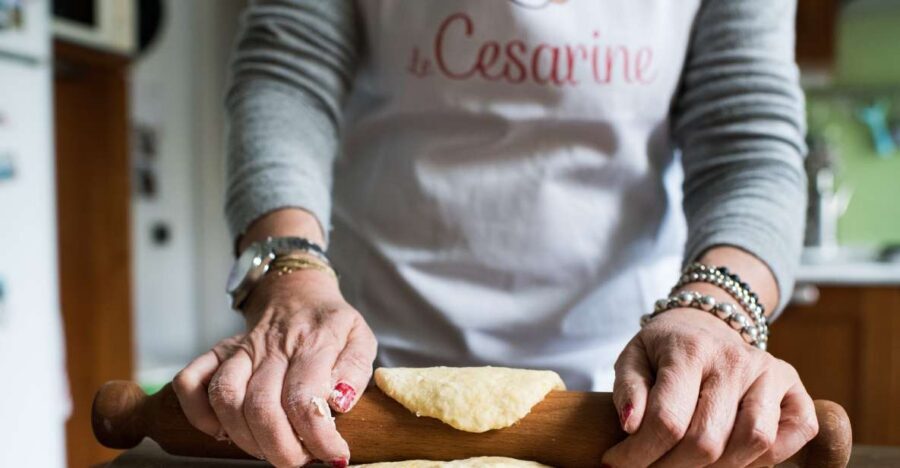
- Fresh pasta, made by hand (sfoglia), plus guided technique you can repeat later.
- Two different pasta recipes from scratch, not just one quick throw-together.
- Tiramisu training with the host’s tips for the coffee and cream balance.
- A real meal experience: aperitivo, then you eat the pasta and tiramisu together.
- Cesarine home cooks: English-speaking hosts in their own homes, with a local approach to food.
Cooking in a Vicenza home: why the setting changes everything
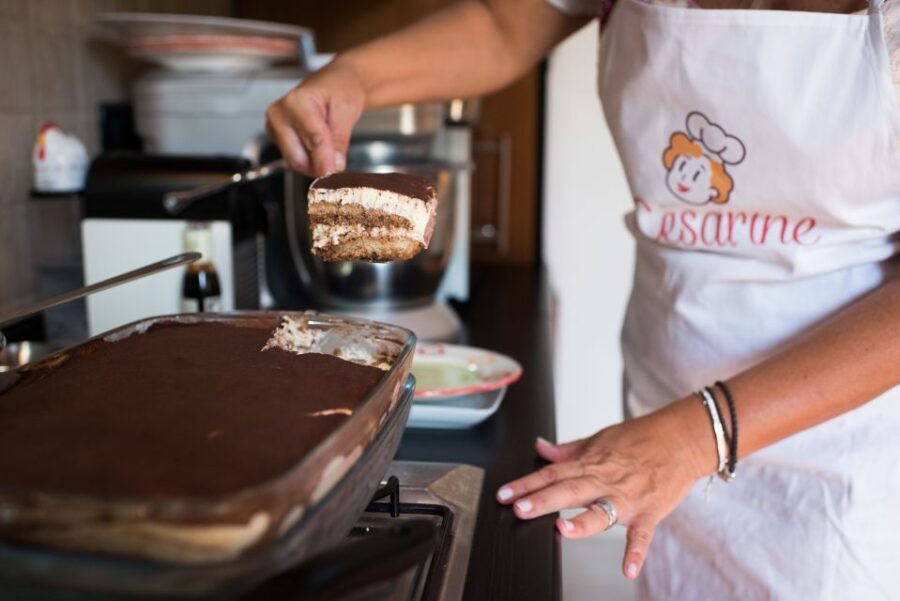
In a restaurant, you watch. At this kind of class, you do. That difference matters, especially for pasta, where small choices in dough thickness and handling make the result feel right or fall flat.
The fact that you cook in a local home also changes the pace. You are not rushed through photo stops. You are working at a real kitchen setup, with a host who is used to making these dishes for people they know. Even if your group is made up of couples or solo food lovers, the mood is more like joining a family meal than attending a studio class.
You also get the practical side of Italian home cooking: the host shows what they do when something goes slightly wrong, like dough that feels too stiff or a filling that needs a steadier rhythm. When you learn with real feedback, you stop guessing later.
You can also read our reviews of more cooking classes in Vicenza
Cesarine in plain terms: what this network gets right
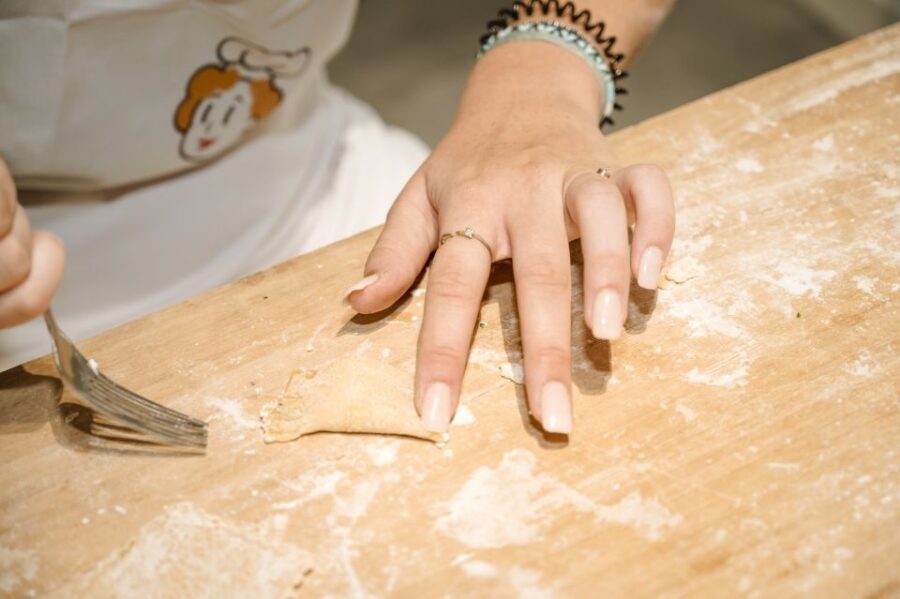
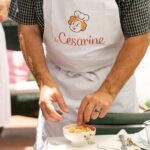
This experience is run by Cesarine, an Italy-wide network of home cooks available in more than 500 cities. The idea is simple: instead of hiring a restaurant chef for tourists, you match with a local home cook who prepares regional food the way it is made from family habits and family cookbooks.
There are a few reasons this model is a good deal for you. First, it tends to focus on fundamentals. Pasta dough and tiramisu do not need fancy equipment; they need technique, timing, and taste judgment. Second, the format is intimate. You get questions answered, not just watched. Third, you get a local flavor of hospitality, including an aperitivo before you start cooking.
Your host is also an instructor who speaks Italian and English. That matters because small steps in pasta making can be hard to translate if the guidance is limited. When the host can explain in English, you get to actually learn instead of just copying motions.
Your 3-hour menu: sfoglia, two pasta recipes, and tiramisu
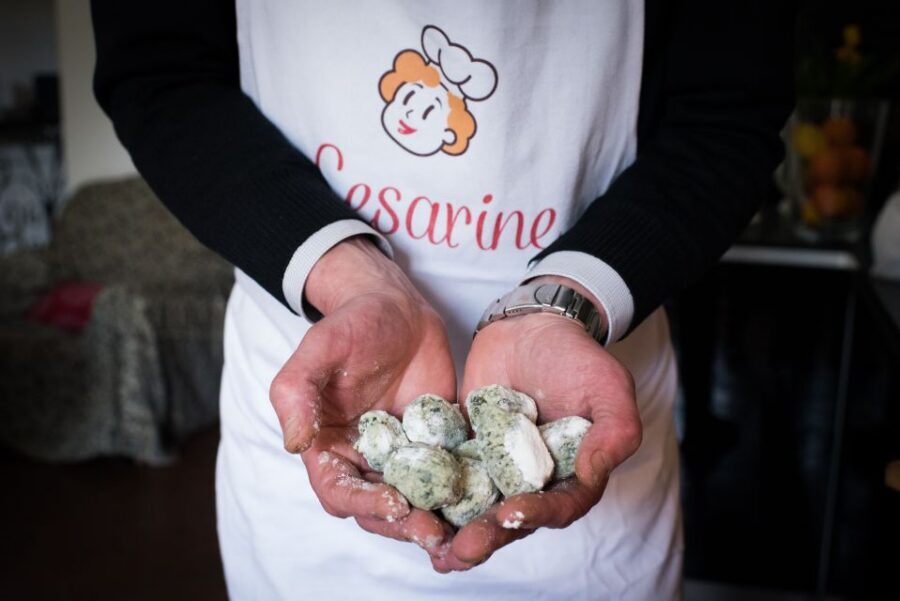
This class runs about 3 hours, and the structure is clear: you start with fresh pasta basics, move into making two different pasta recipes from scratch, and finish with tiramisu.
A typical flow looks like this:
- You begin by learning how to roll sfoglia, fresh pasta dough by hand.
- Then you make two simple pasta types from the dough, with the host guiding you through cutting, shaping, and preparing.
- After the savory part, you switch gears to dessert and learn to prepare tiramisu the iconic way.
- You eat what you made—plus sip included drinks during the meal.
Because everything is included and served as a meal, you do not need to “win” the class by bringing your own appetite. You arrive hungry, you work, and then you get fed. For a lot of people, that is the hidden value: the price covers a full experience, not just a short lesson.
Fresh pasta by hand: sfoglia technique that helps you at home
Rolling pasta dough sounds simple until you feel how it changes. The host’s job here is to show you the feel of good dough and the right order of steps, so you do not end up with uneven thickness or tears.
What you should look for during the sfoglia lesson:
- How the dough comes together and rests so it rolls better.
- The rhythm of rolling—steady, not rushed.
- How to aim for even thickness so cooking stays consistent.
- When the dough is ready for cutting or shaping, rather than forcing it.
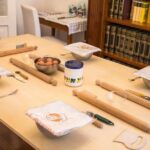
You will also learn how to work the dough safely and cleanly in a home kitchen setup. That is a big plus if your goal is to cook at home later. You are not learning a “best-case scenario” in a studio. You are learning a realistic method that works with kitchen tools most travelers actually have.
Two pasta recipes: learning patterns, not memorizing shapes
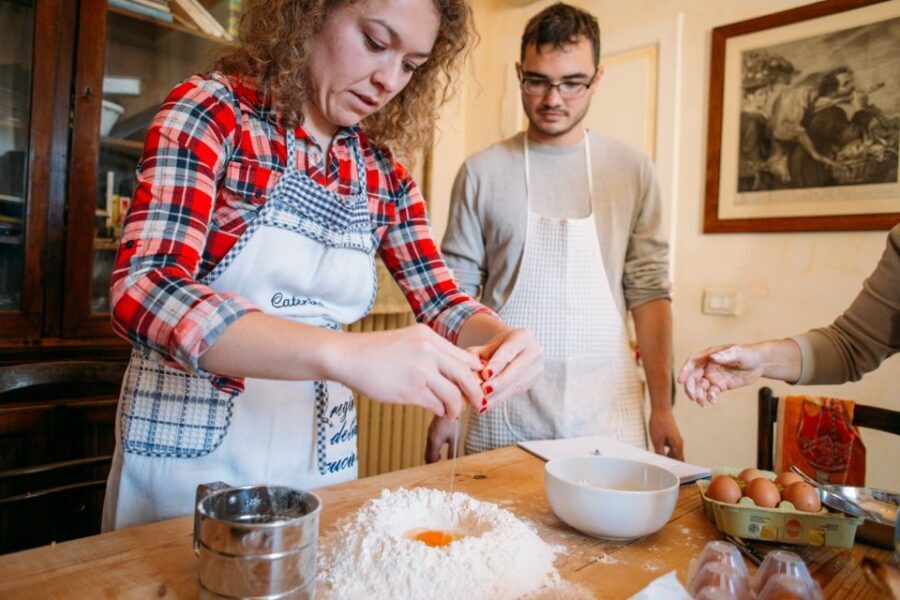
You make two different pasta types during the class. The important thing is not the exact pasta names (since the focus is on the method), but the patterns that repeat in Italian cooking: dough handling, shaping discipline, and how to cook and serve without drying out or overcooking.
Here is how to get the most from the two recipes:
- Watch how the host handles transitions: dough to shape, shape to cooking.
- Ask what changes when pasta is thicker or thinner.
- Notice how they talk about doneness: texture cues matter more than time alone.
- Keep notes on the little decisions, like how much flour you use and how you keep surfaces from sticking.
This is where the home setting is a strength. Hosts often cook the same dishes repeatedly, so their advice tends to be based on what works in real kitchens. If you get a “try this next time” tip, that is the kind of instruction that pays off on your next pasta night.
You can also read our reviews of more tours and experiences in Vicenza
Tiramisu in real-life steps: coffee, cream, and the right patience
Tiramisu is the dessert that makes people nervous, mostly because they think it has to be perfect to taste good. In a home class, the goal is more helpful: you learn the process and the logic behind it.
You will prepare tiramisu as your finishing lesson, using the host’s method for building the layers. Pay attention to two things:
- The coffee side: how the host treats the coffee so it flavors without turning watery.
- The cream side: how the filling holds together and how it tastes after resting.
One practical way to learn tiramisu is to watch how the host adjusts texture. If something seems off, they usually explain what to correct and why. Those corrections are gold when you cook later.
Also, because the meal ends with what you made, you get immediate feedback. You are not waiting a day to taste. You taste as you go, which makes the final dessert easier to recreate.
Aperitivo and wine: how the included drinks shape the meal
Before you start cooking, you get an Italian aperitivo with prosecco and nibbles. Then during the pasta-and-tiramisu meal, beverages are included, including water, wines, and coffee.
This matters for your experience in three ways:
- You shift from travel mode to dinner mode fast.
- You get the social rhythm that makes Italian meals feel like meals, not classes.
- You are pacing yourself better while you cook, because you are not running on empty while working with dough.
If you enjoy trying local spirits, you might also run into extra drinks that come up during conversation. One participant highlighted that they finally tried grappa during their night, so if a host offers it, consider it part of the cultural exchange.
Getting matched with your host: what you should prepare before you go
To match you with the right home cook, the program asks for details at booking. You will be asked about food intolerance and allergies, the neighborhood you are staying in, and how you plan to travel to your host’s home.
This is not busywork. It is how you reduce the risk of a mismatched kitchen or an awkward arrival. If you have any food limitations, share them early so your host can plan safely.
Also, think about transport. The class is in a local home, and the full address is only sent after booking. That means you should be comfortable with last-mile navigation in residential streets. If you rely on public transit, plan some time buffer.
How to get the best learning in a 3-hour class
With a schedule this compact, the difference between a “fun night” and a “I can cook this at home” night is how you use the time.
A few simple tactics:
- Ask at the start what mistakes the host sees most often with sfoglia and tiramisu.
- When you shape pasta, pause and ask how the host knows it is the right thickness and form.
- During tiramisu, ask what changes the flavor the most, not just what looks best.
- At the end, ask what to practice first if you only have time for one repeat dish back home.
Also, be ready to taste and adjust. Italian cooking is taste-led. You learn faster when you treat each step like part of a conversation, not just a worksheet.
Finally, the human factor matters. Hosts are typically welcoming and conversational. If you meet someone like Irma and Luigi (names that have come up with exceptional warmth), you can expect a friendly, attentive vibe that helps first-timers feel comfortable.
Price and value: what you are really paying for at $152.93
At about $152.93 per person, this is not the cheapest thing you can do in Vicenza. But it is also not just a cooking demonstration.
You are paying for:
- A 3-hour, hands-on class with an instructor in a private home
- Instruction in fresh pasta techniques plus making two pasta recipes from scratch
- A full tiramisu-making lesson
- A complete meal based on what you made
- An aperitivo with prosecco, plus wines, coffee, and water with the meal
When you compare that to paying separately for a cooking class plus a multi-course meal plus drinks, the value starts to look more sensible. You are also getting something harder to buy: a local kitchen experience with regional home-cook context from the Cesarine network.
If you are a foodie who likes learning techniques you can repeat, this price tends to make more sense. If you want only entertainment with minimal effort, you might question the cost. But for a couple or small group, the “teacher + meal” package is usually the sweet spot.
Who this class suits best in Veneto
I think this works best for:
- People who want real cooking skills, not just a taste
- Food lovers traveling as couples or small groups who enjoy shared table time
- Anyone who wants to learn pasta basics with guidance on dough handling
- Dessert fans who want a clear tiramisu method
It is also a great reset after a busy day. You get dinner, wine, and learning in one stop.
One consideration: it is not suitable for wheelchair users. If mobility needs are a factor, you should look for a different format.
Should you book this Vicenza pasta and tiramisu class?
If your ideal Italy day includes cooking at a local home, eating what you make, and learning technique that you can repeat, I would book it. The biggest strengths are the hands-on instruction in sfoglia and tiramisu, plus the fact that you get a complete aperitivo-to-dessert meal with drinks.
If you are traveling without a car and you do not enjoy hunting down last-mile residential addresses, the home location could be a hassle. In that case, plan extra time and double-check your directions once you receive the full address.
Either way, this is a strong choice when you want something more personal than a standard dinner.
FAQ
Where does the cooking class take place?
It is held in a local’s home. For privacy reasons, you only receive the full address of your host after you have booked.
How long is the class?
The experience lasts about 3 hours.
What dishes do I learn to make?
You learn to make fresh pasta dough (sfoglia) by hand, prepare two different kinds of pasta from scratch, and make tiramisu.
Is food and drink included?
Yes. You get an Italian aperitivo with prosecco and nibbles, plus lunch or dinner of the two pasta recipes and tiramisu, along with water, wines, and coffee.
What languages are used during the class?
The instructor speaks Italian and English.
Is the class suitable for wheelchair users?
No, it is not suitable for wheelchair users.
How do they match you with the right host?
You are asked for details such as food intolerance and allergy information, your neighborhood, and how you plan to travel to the host home.
Can I cancel for a refund?
Yes. Free cancellation is available up to 24 hours in advance for a full refund.
Can I reserve without paying right away?
Yes. You can reserve now and pay later.