Venice surprises you at every corner. In just 1.5 hours, this guided walk pairs the big-ticket landmarks around Piazza San Marco with the smaller streets and squares that most people miss, all explained by an official certified guide with a radio system so you can actually hear the story.
I especially love the way you get panoramic moments plus real architectural details, like the Gothic drama of the Doge’s Palace and the spiral silhouette of the Scala Contarini del Bovolo. One thing to plan for: you’ll spend a lot of the time outside, with entrance tickets not included and the route not suited for wheelchairs or strollers.
- Starts at Calle larga de l’Ascension 1256 and you’ll meet near St Mark’s Square at the post office kiosk
- Radio system included, so the guide’s commentary stays clear even in crowds
- Iconic sights plus quieter Venice, from the Mercerie to Campo SS. Giovanni e Paolo
- Campanile views and the Bridge of Sighs help you understand the city’s waterways and power
- Teatro La Fenice to Scala Contarini del Bovolo, a nice “art and details” finish
In This Review
- Why this 90-minute Hidden Venice walk is such a smart use of time
- Meeting at St Mark’s: where to start and what to wear
- From Piazza San Marco to Doge’s Palace: power and gold mosaics in motion
- Campanile views and the Bridge of Sighs: how Venice explains itself
- Campo SS. Giovanni e Paolo and the Scuola Grande: religion and civic pride
- Mercerie, Rialto trade, and Marco Polo’s name on real streets
- The Scala Contarini del Bovolo: a satisfying spiral ending
- Price and value: what $51 buys, plus what you may pay on top
- Who should book this walking tour, and who should rethink it
- Should you book this Hidden Venice tour?
- FAQ
- How long is the walking tour?
- Where is the meeting point?
- Are entrance tickets included for the attractions?
- What languages are offered for the live guide?
- Is the tour wheelchair or stroller accessible?
- Do I need to pay any extra city fee?
Why this 90-minute Hidden Venice walk is such a smart use of time
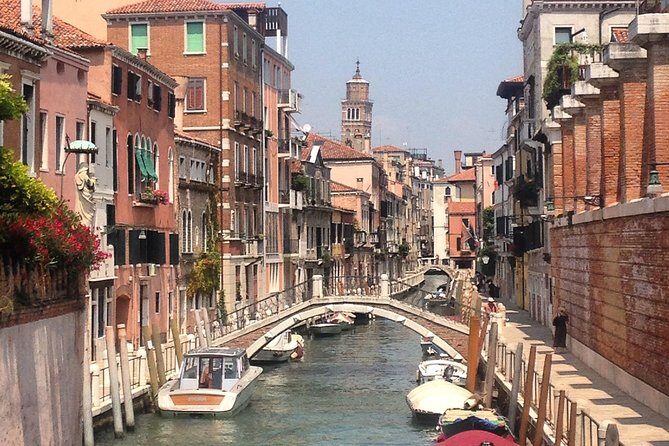
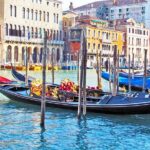
If you only have a short window in Venice, this type of walking tour is a practical way to get your bearings fast. You’re not just ticking boxes. You’re moving through the story of the city: maritime power, merchant life, religious buildings, and the odd architectural flourishes that make Venice feel like it’s built by people with excellent taste and a sense of humor.
The pace works because the stops are arranged in a logical loop. You begin at the center of Venetian political identity, then you follow the clues into side areas where you can see how daily life connected to the grand institutions. And because there’s a radio system, it stays usable even if the group gets pulled into slow-moving foot traffic near major landmarks.
One more value point: for $51, you get an official guide, a planned route, and interpretation. That’s usually better than relying on random signage when you’re surrounded by the same stone details everywhere. Venice is gorgeous, but it can also be confusing. This tour gives you a map in your head.
Meeting at St Mark’s: where to start and what to wear
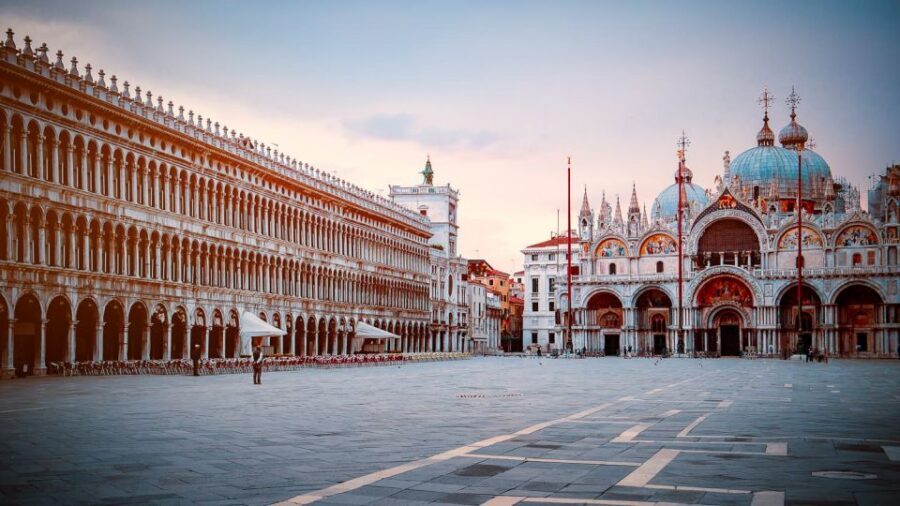
You’ll meet in front of the post office near Correr Museum and St Mark’s Square. Look for the MEETING POINT sign on the wooden kiosk, and arrive 15 minutes early. That buffer matters in Venice, where a few minutes can turn into a little detour if you misread a calle.
Bring a passport or ID card. Wear comfortable shoes. The tour explicitly isn’t set up for strollers, luggage, pets, or oversized bags, and it isn’t wheelchair accessible. Also, expect uneven pavement and the kind of tight turns Venice does best. If you’re carrying anything bulky, you’ll feel it.
Language coverage is good: guides run in English, Spanish, Italian, German, and French. In my experience, that matters more than people think in Venice, because the difference between a “see this” and a “here’s why it’s here” is the difference between sightseeing and understanding.
Quick heads-up: the tour operates outside of attractions, and entrance tickets are not included. So if you want to go inside for the full experience, plan extra time and extra spending for ticketed areas.
You can also read our reviews of more walking tours in Venice

From Piazza San Marco to Doge’s Palace: power and gold mosaics in motion
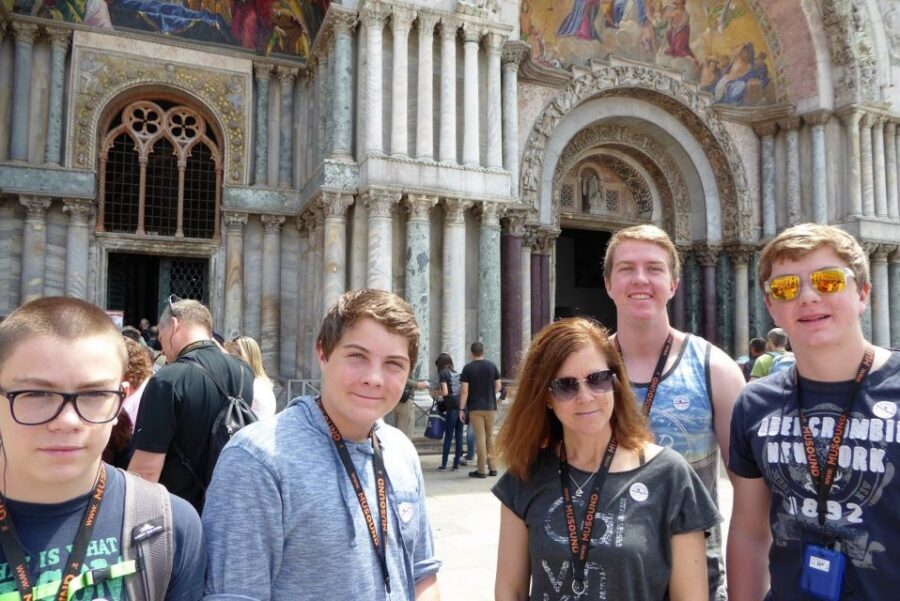
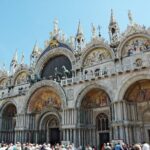
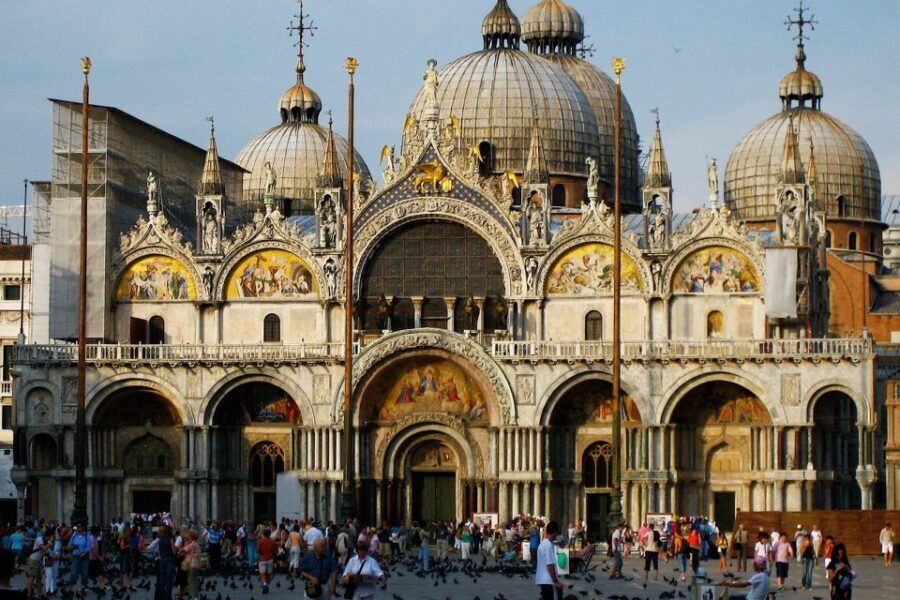
You start at Piazza San Marco, often called the Venetian Republic’s grand reception room. The guide typically frames the area as the heart of a maritime empire, not just a pretty square. That context changes how you look at everything. St Mark’s Basilica stops being an image on a postcard and becomes a statement of wealth and ambition.
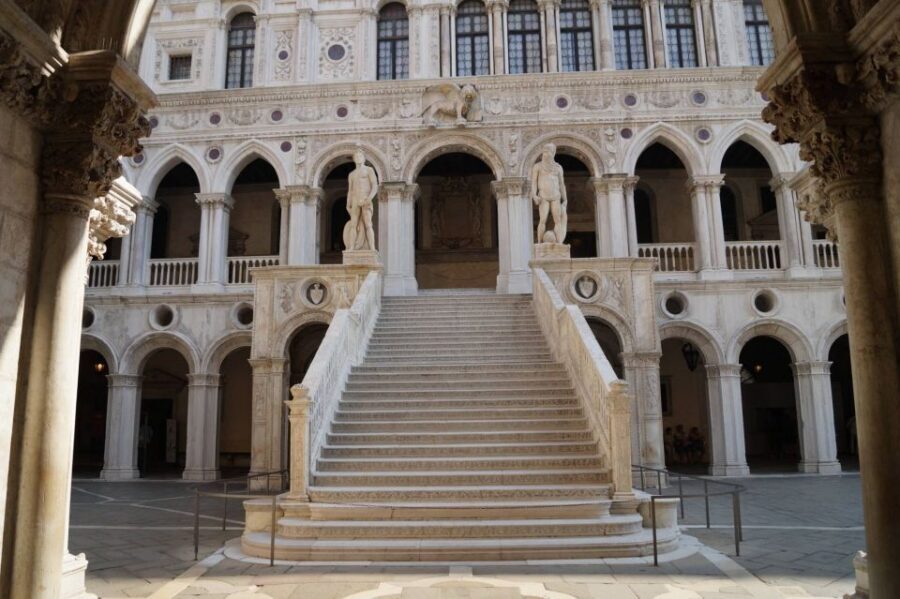
Next comes the Doge’s Palace, with its Gothic architecture and the kind of grandeur that makes you wonder who had the budget. You’ll learn how the palace worked, who it served, and why it’s tied to major moments in Venetian history, including the devastating fire it endured. Even if the tour stays mostly outside, you still get the essentials: the architecture, the symbolism, and the “why this mattered” behind it.
Two practical things you’ll feel here:
- You’ll see how political power and artistic style share the same walls.
- You’ll start spotting patterns as you move—window shapes, stone textures, and the way Venice uses light.
If you’re the type who likes your sightseeing organized (not just wandering), this part is where the tour earns its keep.
Campanile views and the Bridge of Sighs: how Venice explains itself
After the palaces, the tour heads toward one of Venice’s best “wow because you can see it” stretches: the Campanile. It’s described as a lighthouse for sailors, which is a helpful way to remember the city’s relationship with water. When you climb, you’re not just chasing a viewpoint. You’re getting a sense of how the canals, rooftops, and street layouts form a map.
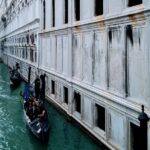
Then you cross the Bridge of Sighs, a famous passage tied to how people moved between spaces in the palace complex. Standing near it, you start to understand Venice’s scale. Everything is connected, even when it feels like you’re turning a corner into a completely different world.
One caution: since entrance tickets aren’t included, if any viewpoint or climb requires a separate ticket, you may need to pay on the spot depending on the day’s access rules. The good news is that the tour itinerary is structured so you still benefit even if you choose not to add interior visits.
If you want photos, this is your section. If you want understanding, this is also your section. It’s the rare walk where the views help you interpret the architecture you saw minutes earlier.
Campo SS. Giovanni e Paolo and the Scuola Grande: religion and civic pride
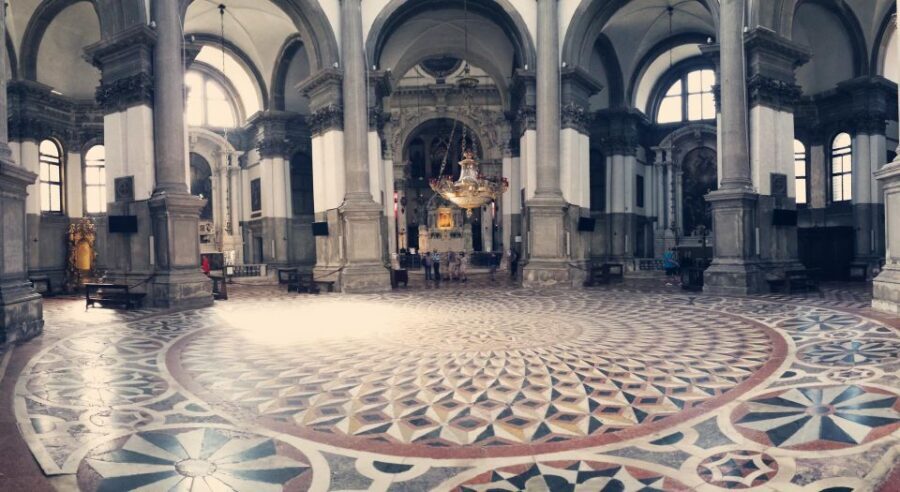
From the big markers of power, the route shifts to major religious architecture, especially Campo SS. Giovanni e Paolo, described as the largest church in Venice. This stop works well because it gives you a different emotional tone. Venice’s religious buildings have their own kind of authority, and the guide can help you connect the church’s scale to the city’s identity and politics.
Next you’ll see Scuola Grande di San Marco, a decorated building that shows how art and civic life overlap. These schools and institutions aren’t always on a first-time visitor’s must-do list, but they explain why Venice felt like it was always funding culture, not just festivals.
In this part of the walk, listen for how the guide ties details together. It’s easy to get stuck staring at mosaics or facades. The better move is to ask yourself: what did this building signal to the people who lived here?
Also, this is where the “hidden Venice” angle starts to matter. You’re not only photographing famous spots. You’re learning to notice what’s unusual about the smaller squares and facades that come and go between landmarks.
Mercerie, Rialto trade, and Marco Polo’s name on real streets
One of my favorite parts of this tour concept is the switch into merchant Venice. You’ll pass through the Mercerie, described as the historic heart of Venetian commerce. Walking that stretch with context changes it. The streets start to make sense as the city’s economic spine, not just a shopping corridor.
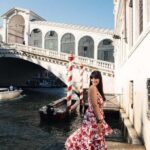
You’ll also get a look at Rialto Bridge, a symbol of Venetian trade. Rialto is one of those places that can feel overloaded if you only treat it like a photo stop. With a guide’s framing, you understand the bridge as infrastructure tied to the city’s survival and growth.
Then comes a fun historical thread: Marco Polo’s house. Even if you don’t picture every detail perfectly, the point is to connect the legendary explorer to the living city. Venice wasn’t just a backdrop for stories. It was home, workplace, and identity for people whose names became history.
Teatro fans will appreciate the stop at Teatro La Fenice, described as a phoenix that rose from the ashes. That metaphor fits Venice’s ability to rebuild and reimagine itself after setbacks, whether those setbacks are fires or time.
If you’re sensitive to crowds, the trick here is to keep moving with the group. Slow down just long enough to read the guide’s explanation, then let the city carry you forward.




The Scala Contarini del Bovolo: a satisfying spiral ending
A tour like this needs a strong finish, and this one ends at Scala Contarini del Bovolo, a unique Gothic spiral staircase. It’s the kind of detail-heavy stop that makes you think: yes, this is why Venice rewards attention.
The staircase is visually distinctive from most angles. It’s also a good “reset” after all the major landmarks. You’ve spent time on power, religion, trade, and water-focused views. Now you’re looking at craft. Not just what Venice built, but how creatively it solved space and movement.
This final stop also gives you something practical for the rest of your day. Once you’ve seen a spiral like this, you start noticing other architectural quirks around you. That’s when the city stops feeling random and starts feeling readable.
Price and value: what $51 buys, plus what you may pay on top
For $51 per person for 1.5 hours, you’re paying for a few key things:
- an official certified guide
- a radio system (huge for clarity)
- a planned route that strings together the main icons and the lesser-noticed squares
That’s why this feels like value even if you’re a confident walker. You could self-guide with an app, but Venice’s complexity is exactly what a good guide is good for.
What could cost extra:
- Entrance tickets are not included. Even though you’ll get a lot from outside, you may run into ticketed areas if you want the full “inside” experience.
- On certain days, visitors staying outside Venice may need to pay a €5 access fee. Check the updated schedule on the city’s site linked in the tour information.
- Food and drinks are not included.
If you’re planning to add inside visits to basilicas or museums, budget time and a bit of extra cash.
Who should book this walking tour, and who should rethink it
This works best for you if:
- you want a guided route instead of trying to make sense of calle after calle
- you like architecture and city layout, not just sweeping views
- you’re comfortable walking and standing for a short but concentrated tour
It may be less ideal if:
- you need wheelchair or stroller access (the tour is not suitable for that)
- you’re traveling with luggage or anything large
- you want a lot of time inside buildings, since the tour is set up around outside viewing and ticketed access isn’t included
One note on timing expectations: the tour is advertised as 1.5 hours, so you should plan your day around a short, efficient outing, not a long “wander as long as you want” afternoon.
Should you book this Hidden Venice tour?
Yes, if your goal is to get Venice’s main ideas in a short time and you want a guide who can point out details you’d never notice on your own. The standout strength here is the way you’re led through both the famous landmarks and the in-between streets, without losing the thread.
Book it if you’ll appreciate story-driven architecture and you’re okay with the fact that you’ll be mostly outside and may pay extra for specific entrances. Skip it (or look for a different format) if you require stroller/wheelchair access or if you’re expecting a slow, inside-heavy tour.
If you can swing it, do this early in your trip. It helps you understand what you’re looking at later, and Venice has a way of rewarding that kind of “first orientation, then wandering.”
FAQ
How long is the walking tour?
It lasts 1.5 hours.
Where is the meeting point?
Meet in front of the post office close to Correr Museum and St Mark’s Square. Look for the MEETING POINT sign on the wooden kiosk.
Are entrance tickets included for the attractions?
No. Entrance tickets are not included, and the tour operates outside each attraction.
What languages are offered for the live guide?
The guide offers live interpretation in English, Spanish, Italian, German, and French.
Is the tour wheelchair or stroller accessible?
No. The tour is not wheelchair and stroller accessible, and it isn’t suitable for people with mobility impairments.
Do I need to pay any extra city fee?
On certain dates, people staying outside Venice who visit for the day may need a €5 access fee. Check the city’s rules and exemptions using the link provided in the tour information.