REVIEW · VERONA
Discover the old market and make fresh pasta
Book on GetYourGuide →Operated by Verona In Tour · Bookable on GetYourGuide
Pasta starts at the market. This 4-hour experience in Villafranca mixes a walk through the old market with a hands-on cooking lesson near the Scaliger Castle.
It’s a great way to slow down in the Verona area: you pick ingredients, learn techniques with eggs and flour, then sit down to enjoy what you made with local wine.
I especially like the focus on hand-made pasta skills you can actually repeat at home. And I love that the class doesn’t end with cooking: you taste your dishes with Veronese wines, so the meal has a proper rhythm.
One thing to consider: you will get your hands dirty and you’ll work fast. If you want a super relaxed, no-mess activity, this may feel a bit intense.
In This Review
- Key highlights worth your attention
- Villafranca Market Meet-Up: Scaliger Castle and the Ingredient Hunt
- Picking Ingredients: Wednesday Market vs. Local Shops
- From Flour to Dough: Learning Tortellini Nodo d’amore
- Beyond Tortellini: Pappardelle and Seasonal Stuffed Tortelli
- Tiramisu in the Same Session: The Sweet Finale
- Tasting Your Work with Veronese Wine
- How the Teaching Feels: Clear Guidance in a Small Group
- Practical Tips Before You Go (So You Enjoy the Mess)
- Who Should Book This Fresh Pasta Experience
- Should You Book This Tour?
- FAQ
- Where does the experience start?
- How long is the class?
- Is this a small group?
- What languages are used by the instructor?
- What dishes will we make?
- Is the market always open during the tour?
- Is alcohol allowed during the experience?
- Can I cancel or pay later?
Key highlights worth your attention

- Old market ingredient hunt: pick local products first, then cook with what you bought
- Tortellini Nodo d’amore by hand: learn shaping and kneading the traditional way
- Pappardelle and tortelli with seasonal fillings: ingredients often come straight from the market
- Tiramisu making: the lesson includes the classic Italian dessert, not just pasta
- Small group meal with local wine: limited to 10 participants, and you eat what you cook
Villafranca Market Meet-Up: Scaliger Castle and the Ingredient Hunt
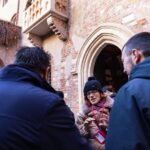
The experience begins in Villafranca, meeting the chef in front of the Scaliger Castle area. The exact meeting spot is easy to find using the provided coordinates (45.3514404296875, 10.846451759338379), and being outside first matters: it sets the tone for a food-focused afternoon instead of a classroom vibe.
Then you walk among the market stalls and start thinking like a cook. You’re not just grabbing random “pasta ingredients.” You’re choosing what you’ll use for the dough and fillings later. That simple shift makes everything feel more personal. When you get to the kitchen, the ingredients already have a story.
The group stays small (up to 10), so the chef can actually talk you through decisions at the market. If you like learning by doing, this early ingredient step is a big part of the value.
If you’ve spent time in tourist centers, you’ll notice the difference right away: this is about daily local shopping habits, not a performance.
You can also read our reviews of more shopping tours in Verona

Picking Ingredients: Wednesday Market vs. Local Shops
Here’s a practical detail that affects the feel of the tour: the market in Villafranca is on Wednesday. On that day, you’ll shop the old stalls as described.
On other days, you won’t be “shut out.” Instead, you and the chef choose products together in selected local shops. The lesson still centers on market-style ingredients and the same pasta-making workflow, but the setting may feel a bit different depending on the day.
Either way, the goal is the same: use what’s available locally and build a menu around seasonal vegetables. That’s where the class becomes more than just a recipe. You learn how ingredients drive choices in a real Italian kitchen.
Tip: if you care most about the market atmosphere, try to book for a Wednesday. If your priority is the hands-on cooking (not the stalls), any day works.
From Flour to Dough: Learning Tortellini Nodo d’amore
Once you’ve chosen ingredients, the cooking part happens just a few steps from the market. You’ll be welcomed into a typical Venetian-style kitchen setting with a garden and a view overlooking the castle. That sightline sounds small, but it changes the mood. You’re cooking in a space that feels like a real home kitchen, not a rented studio.
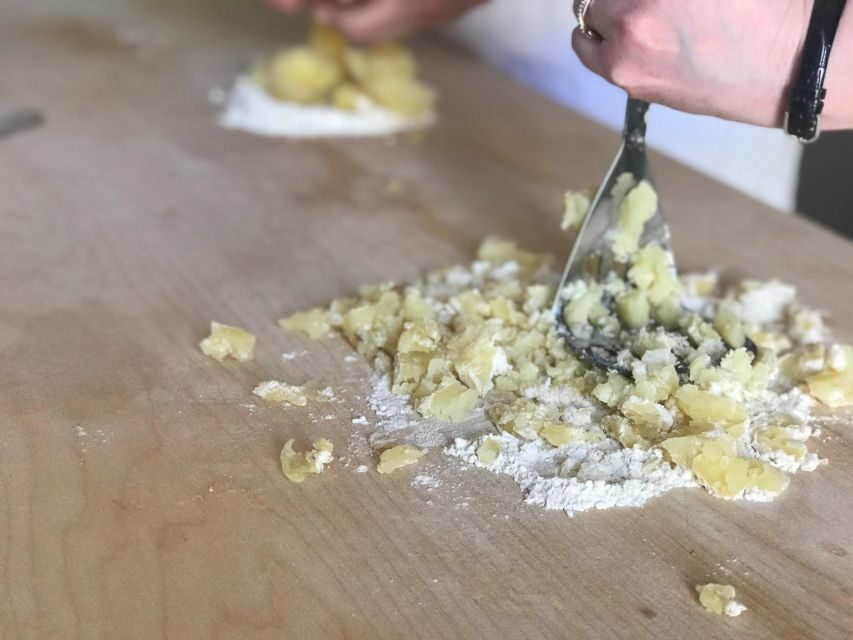
The class uses eggs and flour, and you’ll learn the techniques you’d expect from grandmothers: working the dough by hand, not just following a machine-based shortcut. Kneading is where people often get impatient, but that’s also where the “secret” shows up. The chef teaches how the dough should feel as you work it—so you’re not guessing.
Then comes the signature shape: Tortellini “Nodo d’amore.” You’ll learn how to form these by hand, using the techniques for local tortellini. This isn’t just “watch and repeat.” You’re doing the motions, and the chef is there to guide you when something is off.
For me, the best part of this section is that it teaches you the logic behind the work. If you’ve ever tried making pasta at home and ended up with dough that won’t behave, this kind of coaching is what helps you fix the problem early.
Beyond Tortellini: Pappardelle and Seasonal Stuffed Tortelli
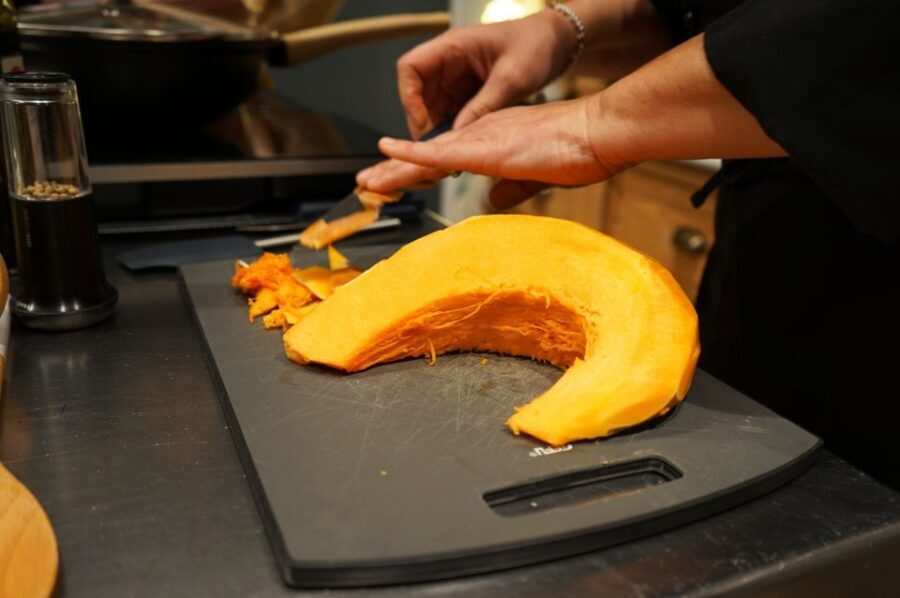
The lesson doesn’t stop with one dish. You’ll also prepare other local options such as pappardelle and tortelli stuffed with seasonal vegetables from the market.
This matters because it shows you how the same basic pasta-making method can create different shapes and different eating experiences. Pappardelle tends to be wider and comforting, while stuffed tortelli ask you to think about portioning and filling—another skill you can carry home.
You’ll likely make variations depending on what’s in season and what you found at the stalls. That flexible approach is one reason the menu feels authentic instead of scripted.
Drawback to note: the variety means you’ll be moving through multiple tasks. If you’re new to cooking, it can feel like a lot happening at once. The upside is that you leave with several practical takeaways, not just one “signature dish.”
Tiramisu in the Same Session: The Sweet Finale
Then you turn to dessert. The class includes preparing tiramisu, which means you finish with a full Italian meal arc: pasta first, then the favorite sweet.
Tiramisu is a great inclusion because it’s not only delicious—it’s technique-heavy in its own way. Even if you’ve made it before, a chef’s guidance helps you nail the balance of texture and timing. And when you finish the final steps, you’ll understand why locals treat tiramisu like a craft, not a shortcut.
Also, having dessert made during the same 4 hours keeps the pacing satisfying. You’re not sent off to find a place to eat. You stay in the workflow from start to finish.
When dessert is part of the class, you also get a clearer sense of the local style of dining: practical, filling, and made to share.






Tasting Your Work with Veronese Wine
Once the cooking is done, you taste what you cooked, and the experience pairs your meal with renowned Veronese wines. This is where the class becomes more than a cooking demo.
Wine tasting after you’ve been kneading pasta is a smart sequence. Your brain is already in food mode, so the flavors and textures connect faster. The meal also gives you a relaxed moment to talk with the group and compare notes. Since the group is limited to 10, the conversation doesn’t feel forced.
One more detail: the activity rules state alcohol and drugs are not allowed. Since wine tasting is part of the experience, this rule is best read as a safety policy around bringing or handling alcohol outside the program.
If you want to drink, plan on doing it the way the experience intends—during the tasting.
How the Teaching Feels: Clear Guidance in a Small Group
The class is taught by an instructor who speaks Italian and English, and the chef’s role is front and center throughout: explaining concepts, coaching your hand movements, and helping you correct mistakes while you cook.
That teaching style shows up in the way the experience gets good ratings for learning and advice. People tend to leave feeling like they can improve—because they were given small, actionable tips, not vague generalities.
In a group of only up to 10, the chef can actually see what you’re doing. That’s a big difference from bigger cooking classes where you’re basically cooking alone while someone gives occasional comments.
If you’re the type who likes learning hands-on, you’ll probably love this. If you freeze when you’re watched, it still works, but you’ll want to be ready to stay curious even when the dough feels tricky at first.
Practical Tips Before You Go (So You Enjoy the Mess)
A few small decisions can make this tour smoother.
Wear clothes you don’t mind getting flour on. Kneading pasta dough can be messy, and the class uses hands-on technique.
Bring comfortable shoes. You’ll be moving between market stalls, the cooking area, and a garden-style meal space.
Plan for the full 4 hours to be focused. This is not a slow wander. It’s an active lesson with tasting built in.
Since the lesson involves eggs and flour, if you have allergies or dietary restrictions, ask ahead. The class is built around traditional pasta methods, so you’ll want clarity early.
If you want the market on its most “old Villafranca” vibe, try booking for Wednesday.
One scheduling note based on real-world booking issues: it’s wise to double-check your confirmation details before the day of the tour. In at least one case, a traveler didn’t get clear confirmation until about an hour beforehand. A quick verification early (screenshot the booking, check emails) can save stress.
Who Should Book This Fresh Pasta Experience
This cooking class is a good match if you:
- want a real food experience tied to local buying habits, not just a recipe workshop
- like learning by doing, especially shaping pasta like tortellini
- enjoy eating together and tasting alongside Veronese wines
- prefer small groups, with time for the instructor to help you
You might want to skip (or at least set your expectations) if you:
- hate messy hands-on activities
- want a purely sightseeing-focused tour
- have strong food constraints and need guaranteed alternatives without asking ahead
Should You Book This Tour?
If you’re choosing between a casual pasta show and an actual cooking lesson, this one leans toward skill-building. The market ingredient hunt, the hand-made dough work, and the final tasting create a complete loop: buy, cook, eat, then learn what makes it work.
Book it if you want a small-group class with practical teaching, especially around tortellini Nodo d’amore and a full dessert like tiramisu. It’s also a nice option when you want something more local than Verona city-center tours.
If you’re sensitive to last-minute scheduling messages, do a quick confirmation check before you leave. And if you’d rather not get flour on your clothes, consider a different kind of tour.
Overall: for hands-on food lovers, this is a solid value because you leave with technique, multiple dishes, and a meal built from what you made—paired with local wine.
FAQ
Where does the experience start?
You meet in Villafranca in front of the Scaliger Castle area. The coordinates provided are 45.3514404296875, 10.846451759338379.
How long is the class?
The duration is 4 hours.
Is this a small group?
Yes. It’s limited to a small group of up to 10 participants.
What languages are used by the instructor?
The instructor speaks Italian and English.
What dishes will we make?
You’ll learn to make fresh pasta by hand, including Tortellini “Nodo d’amore,” plus other local pasta such as pappardelle or tortelli stuffed with seasonal vegetables. You’ll also make tiramisu.
Is the market always open during the tour?
The market day in Villafranca is on Wednesday. On other days, you choose products together with the chef in selected local shops.
Is alcohol allowed during the experience?
Alcohol is not allowed. The experience includes tasting local wines, but the activity rules still list alcohol as not allowed. If you have questions, check with the provider before you go.
Can I cancel or pay later?
You can cancel up to 24 hours in advance for a full refund. There’s also a reserve now & pay later option, where you can book and pay nothing today.