REVIEW · VERONA
Explore Verona in 60 minutes with a Local
Book on Viator →Operated by LocalBini - The go-to platform for Experiences by Locals in Europe · Bookable on Viator
Verona is layered, and this tour moves fast. In about an hour, you get a guided loop through the city’s biggest time periods, from the Roman amphitheater feel to medieval streets and the most famous Shakespeare stop. I like that it’s built for a small group up to 8 and keeps things flexible to your pace, so you’re not stuck watching a rigid script.
The big win here is the guide factor. One local host named Andrea is praised for making history clear and easy to follow, not like a textbook. You’ll also get personalised recommendations, which is useful when you only have a short window in Verona. The main drawback to watch: this is a walking experience with a medieval tower climb, and it’s not recommended if you have impaired mobility, plus museum/monument entry costs are not included.
In This Review
- Key points at a glance
- A 60-minute Verona hit list that actually makes sense
- Where you meet (and why the location matters)
- The rhythm of the walk: five stops, one evolving story
- Stop 1: The ancient Roman amphitheater and what to notice first
- Stop 2: A medieval fortress with art and history in one place
- Stop 3: Juliet’s House, the balcony moment, and the story you’ll remember
- Stop 4: Verona’s oldest square and the street-level vibe
- Stop 5: Climbing a medieval tower for real city views
- What the price covers, and where you’ll spend extra
- Small group up to 8: why that matters in real life
- Language and guide style: English, plus clear explanations
- Who this tour suits best (and who should skip it)
- Should you book this 60-minute Verona with a local?
- FAQ
- How long is the Verona walk
- What’s the group size
- Is the tour offered in English
- Where is the meeting point and where do we end
- What’s included in the tour price
- Are entry tickets for attractions included
- Is free cancellation available
Key points at a glance
- Up to 8 people means you get real attention, not just background commentary
- 60-minute format is ideal when you want the highlights without spending the whole day in lines
- Roman-to-Shakespeare timeline keeps Verona’s history easy to remember
- Juliet’s House stop includes the iconic balcony and a Juliet statue moment
- Tower viewpoints give you a quick sense of how Verona’s streets and neighborhoods connect
A 60-minute Verona hit list that actually makes sense
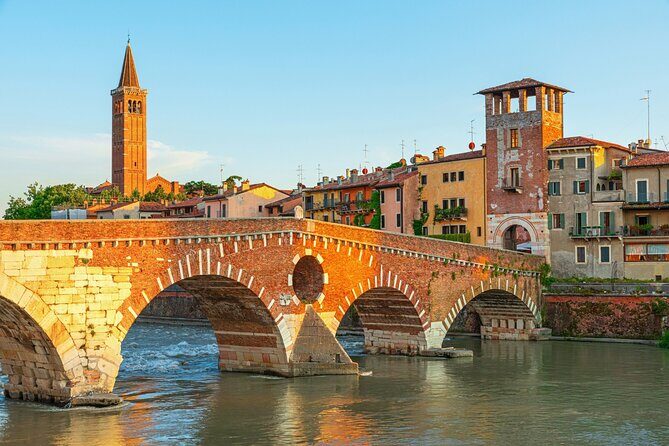
If your Verona plans are tight, this is a smart way to get oriented. You’re not trying to “cover everything.” You’re learning how the city is put together: the Roman base, the medieval power centers, and then the modern-day cultural gravity around Juliet and Shakespeare.
I like tours like this because they trade “more hours” for “better connections.” A good guide can point out why certain buildings feel important, how the city grew, and what you should look for as you move. With this one-hour loop, that kind of storytelling matters more than lingering at a single stop.
You’ll also appreciate that the pace is adjustable. The route adapts to your group’s walking speed and interests, and the order or exact stops can shift if weather is an issue. That flexibility is practical in a city where weather can change quickly and sidewalks can get busy.
You can also read our reviews of more tours and experiences in Verona.
Where you meet (and why the location matters)
You start and end at Chiesa di San Luca Evangelista, Corso Porta Nuova 12, Verona. Having the same meeting point at the end is underrated. It means you don’t have to solve the “how do I get back” puzzle at the end of your walk.
It’s also described as being near public transportation. That matters if you’re hopping between sights and you don’t want to spend extra time planning transit. If you’re relying on transit, keep in mind that entry tickets for public transportation aren’t included, so you’ll want to pay for those separately.
The rhythm of the walk: five stops, one evolving story
The tour is paced like a “greatest hits” narrative. You begin with something grand from the ancient world, then step into medieval Verona, then you hit the most iconic literary reference point, and finally you end with views from above. That structure makes it easier to remember what you saw.
Here’s how each stop works in the flow.
Stop 1: The ancient Roman amphitheater and what to notice first
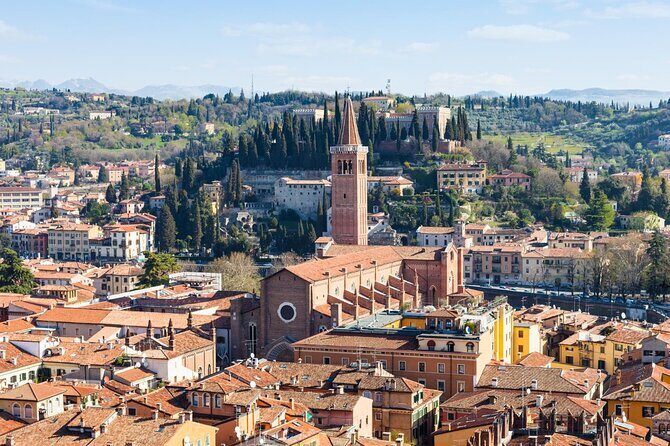
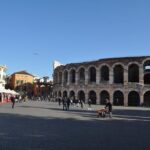
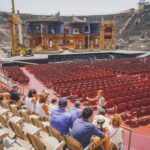
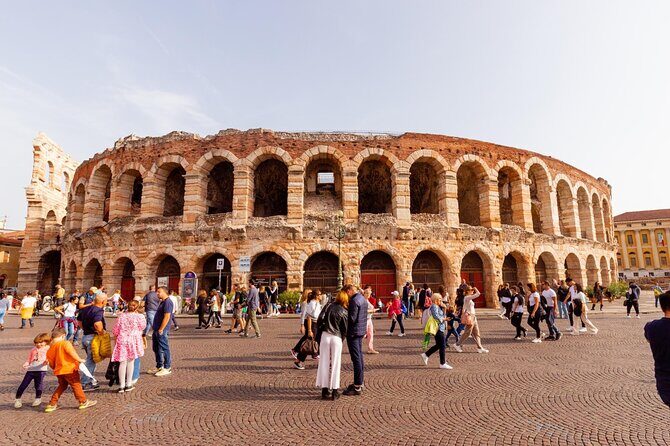
You’ll start by experiencing the grandeur of Verona’s ancient Roman amphitheater. Even if you’re not a dedicated opera fan, this kind of building is a shortcut to understanding the city’s scale and ambition.
Roman amphitheaters are designed for crowds and spectacle, so your guide’s job (and the payoff for you) is usually in helping you read the space. Look for the way the structure holds attention, and listen for the context around why the site is still tied to major performances today.
Why this matters on a one-hour tour: if you start with the Roman centerpiece, everything else you see later feels connected. Medieval walls, artistic collections, and even the “romantic Verona” story around Juliet all make more sense once you understand what the city already had in place centuries earlier.
Stop 2: A medieval fortress with art and history in one place

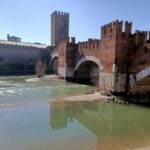
Next up is a medieval fortress that houses an impressive collection of art and historical artifacts. Fortress buildings usually tell you two things at once: who wanted control, and what they kept inside.
On a short tour like this, the value isn’t in trying to read every label in a museum. It’s in learning what the collection represents and how the fortress setting shapes the story. If the guide can connect the artifacts to Verona’s shifts in power, you’ll leave with a clearer mental map of the city rather than a list of things you saw.
Possible consideration: fortress sites can feel more physically “stiff” than open squares. Depending on the exact route and how weather affects the pace, this stop might feel like it has less time to linger. That’s not bad, it’s just the reality of the one-hour format. If you’re the kind of person who hates rushing, you’ll want to carry your curiosity into your own follow-up time after the tour.


Stop 3: Juliet’s House, the balcony moment, and the story you’ll remember
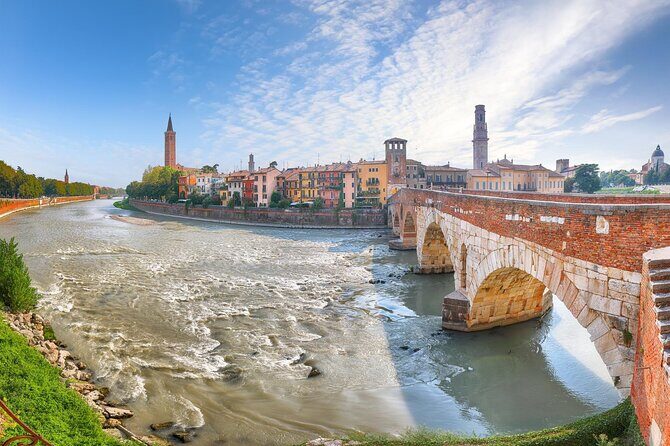
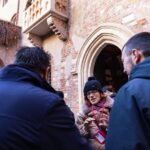
Then you’ll visit Juliet’s House, including the iconic balcony and a Juliet statue. This is the stop most people already know about, but it’s also where a guide can make the experience more than a quick photo.
The key is understanding what you’re looking at. You’re not just seeing a famous courtyard. You’re stepping into a cultural reference point that has shaped how visitors interpret Verona’s identity for generations. A good guide will help you connect the literary idea to what’s physically in front of you.
One thing I’d plan for: this stop is famous. If you arrive with a “photo first, then wander” mindset, you’ll get more satisfaction. Use the balcony area as your visual anchor, then pay attention to the details around it that help explain why the place became such a symbol.
Stop 4: Verona’s oldest square and the street-level vibe
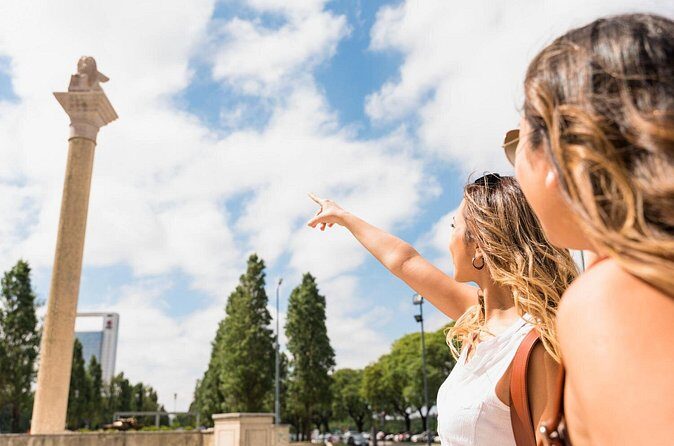
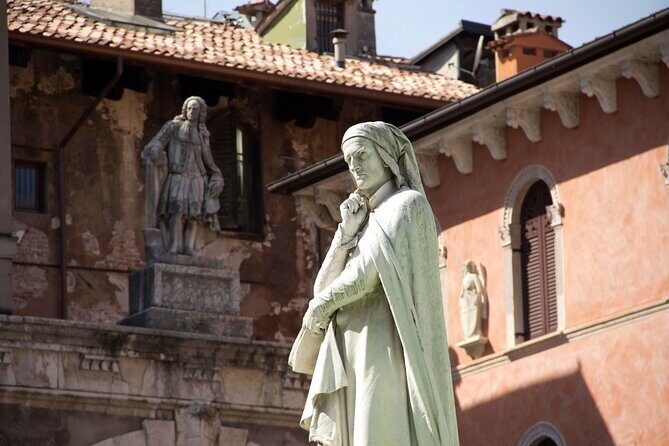
After Juliet, you’ll head to Verona’s oldest square. The setting is described as historic buildings with market stalls and cafes around it. This is where the tour shifts from big monuments to everyday city life.
This stop is useful because it gives you a place to breathe and recalibrate. You can grab a quick look at how people actually move through the city: where they pause, where they shop, and how the streets funnel into public gathering areas.
Even with a short timeline, a good guide can point out what makes a square “old” in practice, not just on paper. It’s about the arrangement of buildings, the way the space is used, and the layers you can read as you look.
If your tour time lands during market activity, the energy can be extra noticeable. Just keep expectations balanced: it can be busy around stalls, so bring patience if you’re trying to take photos without interruptions.
Stop 5: Climbing a medieval tower for real city views
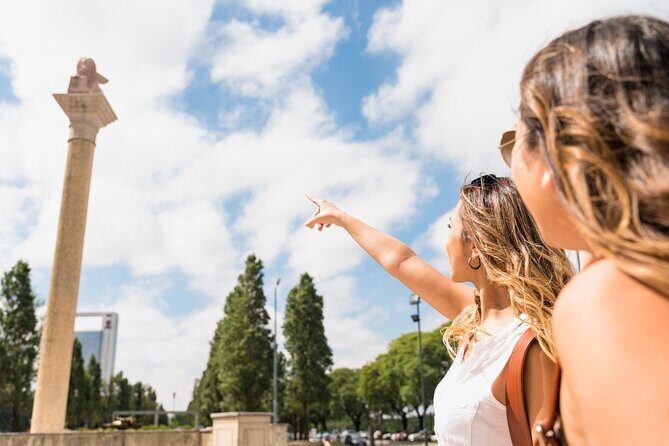
You finish with a climb up a medieval tower for panoramic views of Verona’s skyline and surrounding area. This is one of the best ways to end a short walk, because it turns your “seen it” moments into “I get it now” moments.
From up high, you start noticing how neighborhoods connect and how the city’s main sightlines work. Even if you’re not a professional photographer, a viewpoint like this gives you a mental picture you can reuse later when you’re planning your next walk.
Practical consideration: because there’s a climb involved, you should wear comfortable, secure shoes. And if mobility is a concern, the tour explicitly says it’s not recommended for impaired mobility. If you’re in that category, I’d skip this one and choose a more accessible sight-focused option.
What the price covers, and where you’ll spend extra
The cost is $119.72 per person for a one-hour guided experience in English. For this price, you’re paying for a local guide, a small group experience, and personalised recommendations. You’re also getting a mobile ticket for the tour itself.
What you do not pay for with the tour price is important. Entry tickets for public transportation, museums, and monuments are not included, and personal expenses aren’t included either.
So how do you judge value? Think of it this way:
- If you want guided context through multiple major sights in one hour, the guidance component is the value.
- If you already planned to pay for monument or museum entry anyway, this tour can feel like a cost-efficient way to “buy understanding” alongside the admissions.
- If you’re trying to avoid all extra ticket costs, this might feel pricier, because you’ll likely still pay to enter or access some of the attractions involved.
A smart approach is to decide in advance which parts you truly want to enter versus just view from the outside. The tour structure includes major stops, but you’re in control of how you handle paid entries once you’re there.
Small group up to 8: why that matters in real life
A group of up to 8 travelers is a big deal on a short itinerary. It usually means:
- easier pacing for uneven streets
- more chances to ask questions without waiting your turn
- a guide who can adjust to the group’s interest level on the fly
The tour also adapts to your interests and walking pace. That’s not just a marketing line. In a one-hour format, being able to adjust matters because there’s no “extra time later.”
If you prefer to travel at your own rhythm, this format is more forgiving than a large group tour. If you’re hoping to get every single detail, you’ll still need follow-up time on your own afterward. But you’ll get a strong starting framework.
Language and guide style: English, plus clear explanations
The tour is offered in English and is hosted by an independent local. That means the explanations should be practical and grounded in how locals see their city, not just a script.
The standout praise in the guide performance centers on clarity and historical understanding, with Andrea singled out as a guide who knows how to connect the dots across Verona’s eras. For you, the result is less confusion and more “oh, now I see why that building matters.”
Who this tour suits best (and who should skip it)
This experience fits best if:
- you want Verona highlights in about an hour
- you enjoy guided context more than solo wandering
- you’re traveling with limited time and want a smart plan
- you like small group energy and quick decision-making
It’s less ideal if:
- you have impaired mobility, because the tour isn’t recommended for that
- you want a long, slow museum-style visit at one location
- you’re trying to keep costs extremely low, since monument and museum entries are not included
Should you book this 60-minute Verona with a local?
I’d book it if you want a compact orientation tour that ties Roman, medieval, and cultural Verona together. The combination of a Roman amphitheater start, Juliet’s House balcony and statue stop, a medieval fortress with art and artifacts, a walk through the oldest square, and the ending tower climb is a very efficient way to leave with clear memories.
I wouldn’t book it as your only Verona activity if you’re a slow traveler or if you know you want deep time in one attraction. This tour is about getting the story and the key images, not replacing a full day of independent exploring.
If you like planning that feels grounded and not overly complicated, this one hits the sweet spot.
FAQ
How long is the Verona walk
The tour lasts about 1 hour.
What’s the group size
This is a small group experience with a maximum of 8 travelers.
Is the tour offered in English
Yes, it’s offered in English.
Where is the meeting point and where do we end
You meet at Chiesa di San Luca Evangelista, Corso Porta Nuova 12, 37122 Verona VR, Italy, and the tour ends at the same place.
What’s included in the tour price
The tour includes a knowledgeable local, a small group experience, and personalised recommendations, plus a mobile ticket.
Are entry tickets for attractions included
No. Entry tickets for public transportation, museums, and monuments are not included.
Is free cancellation available
Yes. You can cancel up to 24 hours in advance for a full refund. If you cancel less than 24 hours before the start time, the amount paid is not refunded.