REVIEW · PADUA
Padua: Highlights Private Walking Tour & Scrovegni Chapel
Book on GetYourGuide →Operated by Through Eternity Tours · Bookable on GetYourGuide
Padua can feel like a shortcut to Italy’s art history. This private 3.5-hour walking tour strings together three big hitters without wasting time: Giotto’s Scrovegni Chapel, Basilica of Saint Anthony, and the covered market in the historic center. I especially like the focus on real context from an English-speaking local guide, and I like that you get skip-the-lines access for the chapel so the day stays moving.
One consideration: it’s a walking day through the city center with steps and uneven surfaces. If you have mobility limits, you’ll want to mention it during booking so the guide can plan the route as smoothly as possible, and you’ll definitely want comfortable shoes and water.
In This Review
- Quick highlights you’ll feel right away
- Padua in 3.5 hours: art, faith, and street scenes
- Giotto’s Scrovegni Chapel: the Renaissance in living color
- Basilica of Saint Anthony: a massive holy building with real artistry
- A local walking rhythm: Prato della Valle, Padua center, and Gattamelata
- Piazza delle Erbe and the covered market under Gothic arches
- Custom options if you have extra time in Padua
- The guide makes or breaks it: English private, with real human touch
- Price and value: why $148.40 can be a smart spend
- Logistics that matter: meeting point, walk comfort, and pacing
- Who should book this Padua tour
- Should you book it?
- FAQ
- How long is the Padua highlights private walking tour?
- How do I know the start time?
- Where do I meet the guide?
- Where does the tour end?
- What’s included in the price?
- What entry is included?
- What is not included?
- What should I bring?
- Is the tour wheelchair accessible?
- Can the tour be customized?
Quick highlights you’ll feel right away
- Scrovegni Chapel entry planned to reduce waiting, so your time stays with the art
- Basilica of Saint Anthony with major sights like the high altar reliefs and major chapel features
- Prato della Valle and Padua’s center on foot, not just a museum-and-out routine
- Gattamelata’s equestrian statue as a quick, memorable stop with instant local flavor
- Europe’s oldest covered market experience, set inside the arches of a 800-year-old Gothic building
Padua in 3.5 hours: art, faith, and street scenes
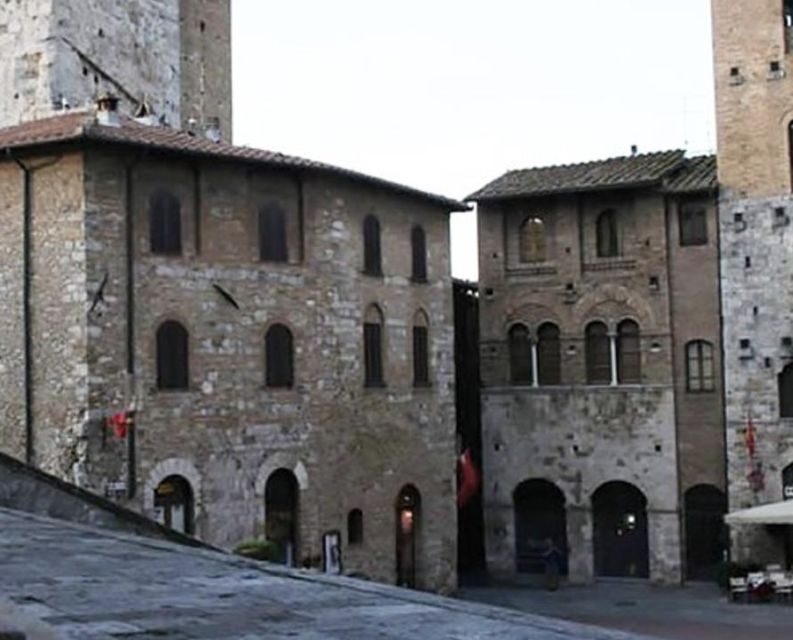
This is a half-day tour built for people who want more than quick photos. Padua sits about 30 minutes from Venice, but it doesn’t feel like an extension of Venice—it feels like its own brainy, devotional, art-obsessed city. In just 3.5 hours, you’re guided through the parts that explain why Padua matters: a powerful basilica, Renaissance turning points in a chapel, and a lived-in market square you can still picture centuries later.
Because it’s private, the pacing can feel calmer than a group schedule. The guide’s job is to connect dots: why certain buildings were built when they were, what artists were doing in those chapels, and how the city’s historic center keeps shaping daily life.
You can also read our reviews of more walking tours in Padua

Giotto’s Scrovegni Chapel: the Renaissance in living color
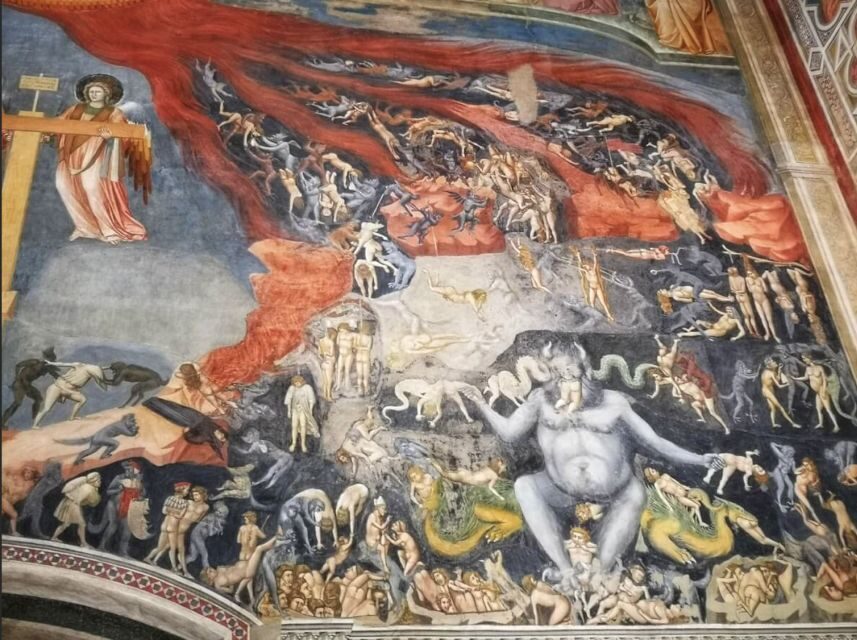
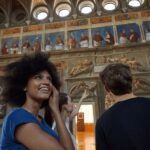
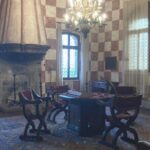
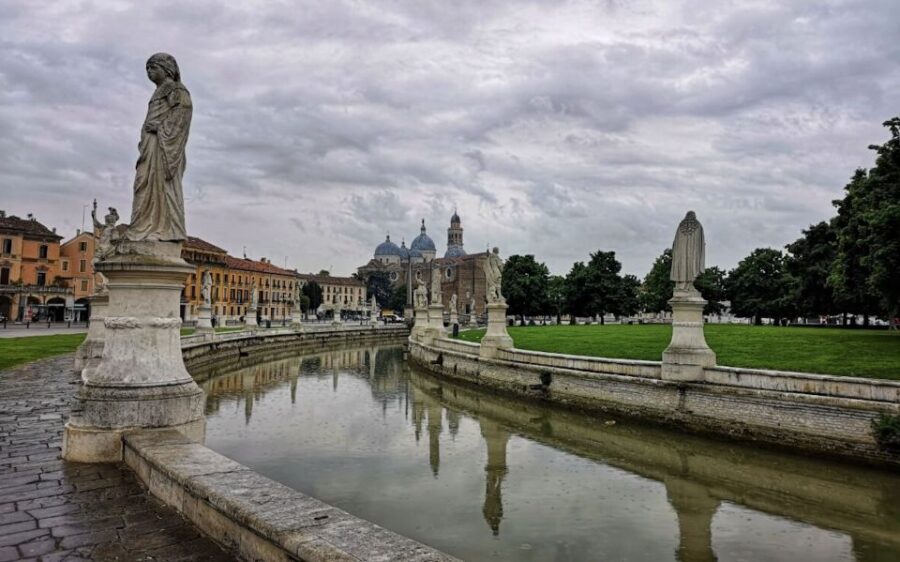
The Cappella degli Scrovegni is the headline for a reason. This is where you see the “dawn of the Renaissance” credited to Giotto’s work—an art shift you can feel in how people, space, and emotion show up on the walls.
What makes the chapel visit especially valuable on a guided tour is the way the guide helps you look. Frescoes are beautiful, but they can also blur together if you don’t know what you’re meant to focus on. With a local guide, you get a roadmap for what to notice, so you’re not just moving from one wall to the next.
And yes, timing matters here. You have skip-the-lines access via a separate entrance, plus an entry ticket included for the chapel. In a place where access can be tightly managed, that’s not a small perk—it’s what turns “we’ll try” into “we’ll actually see.”
Basilica of Saint Anthony: a massive holy building with real artistry
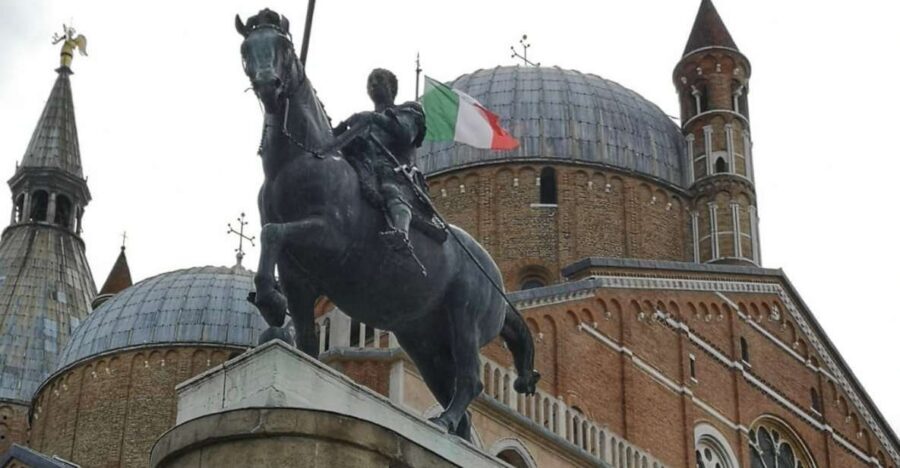
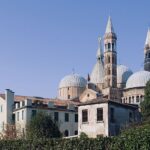
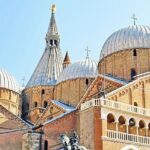
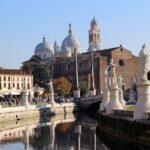
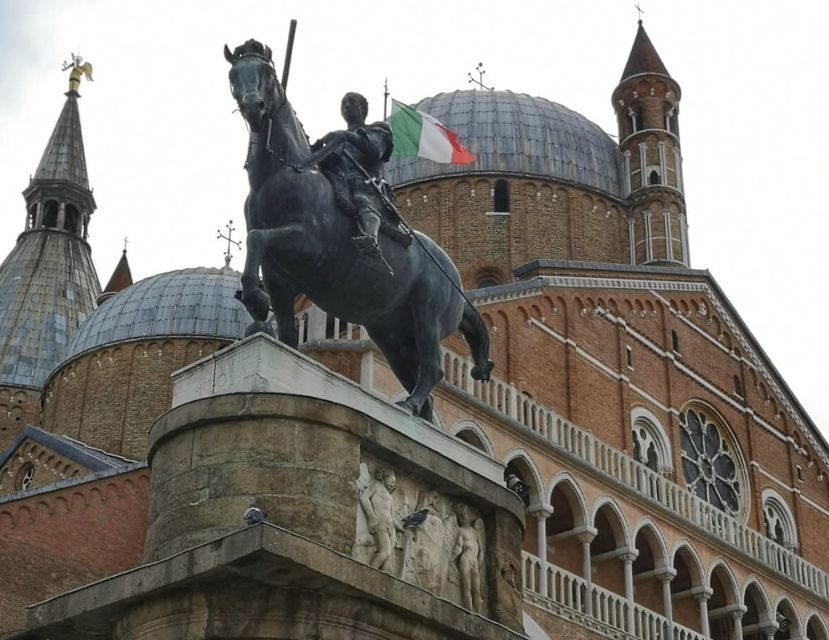
Then you move to the Basilica of Saint Anthony—big enough that it can feel like a city inside a building. The basilica was begun in 1233, just a year after Anthony’s death, as a fitting burial place for the saint. That early start is part of its charm: you’re walking through a mix of architectural styles and cultural influences, not one uniform era.
Inside, the sights are not just scenic. They’re specific and meaningful:
- You’ll see sculptural reliefs by Donatello on the high altar.
- You’ll also have time for medieval frescoes by Altichieri da Zevo, which help show how local artists painted sacred stories with character and detail.
- There’s a peek into the Cappella del Santo, connected to the saint’s tomb and the faithful who come seeking intercession.
- The Lombardi brothers created Renaissance sculptures portraying the life of St. Anthony here—so you get more than medieval atmosphere; you get the evolution of visual storytelling.
If you care about how faith and art tangled together over centuries, this stop is the one that will linger after the tour ends. Even if you’re not a die-hard art person, it’s hard not to feel the scale of devotion in a place like this.
A practical note: the basilica is huge, and chapels can create a maze-like feel. That’s exactly why a guide helps. They can steer you toward the most important points so you don’t spend your time accidentally wandering in circles.
A local walking rhythm: Prato della Valle, Padua center, and Gattamelata
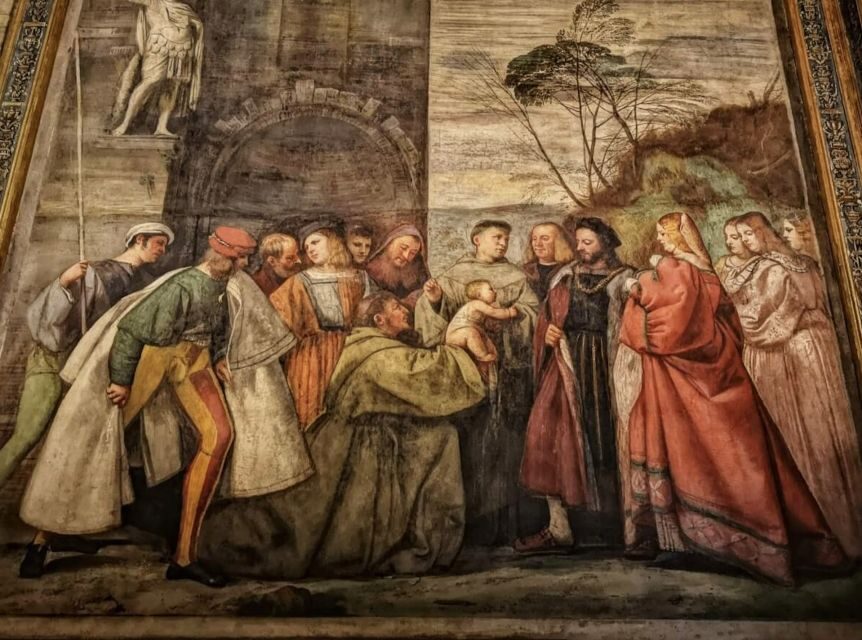
Before you reach the big interiors, you get your bearings with a smart route. The walk starts at Farmacia Santa Giustina near Prato della Valle, where your guide meets you with a Through Eternity sign or flag.
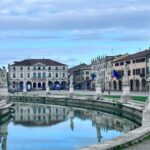
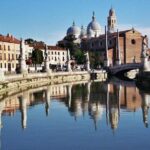
From there, you’ll spend time at Prato della Valle—a great way to stretch your legs and orient yourself. It’s also a nice contrast: open space first, then the tighter historic center as the day becomes more about architecture and art.
One of the quick hits you’ll include is the equestrian statue of Gattamelata. This is one of those stops where, even if you know nothing about it beforehand, you’ll end up noticing the symbolism: a powerful civic statement in stone, anchored right in the flow of everyday streets.
Then you move through Padua’s center with guided walking and scenic views along the way. The city’s medieval streets and piazzas are the “glue” of the itinerary—they’re what makes the major religious and art stops feel connected instead of like separate sightseeing islands.
Piazza delle Erbe and the covered market under Gothic arches
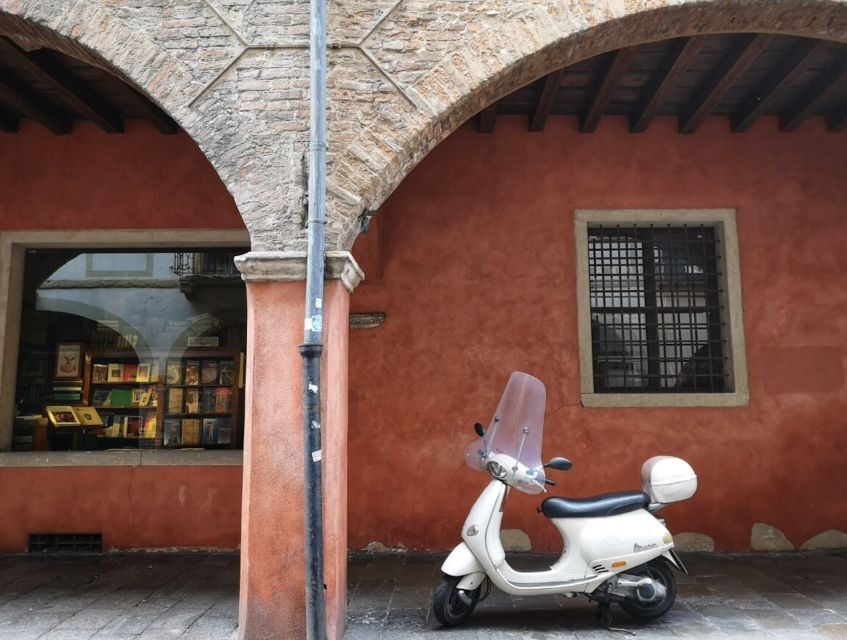
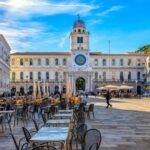
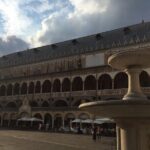
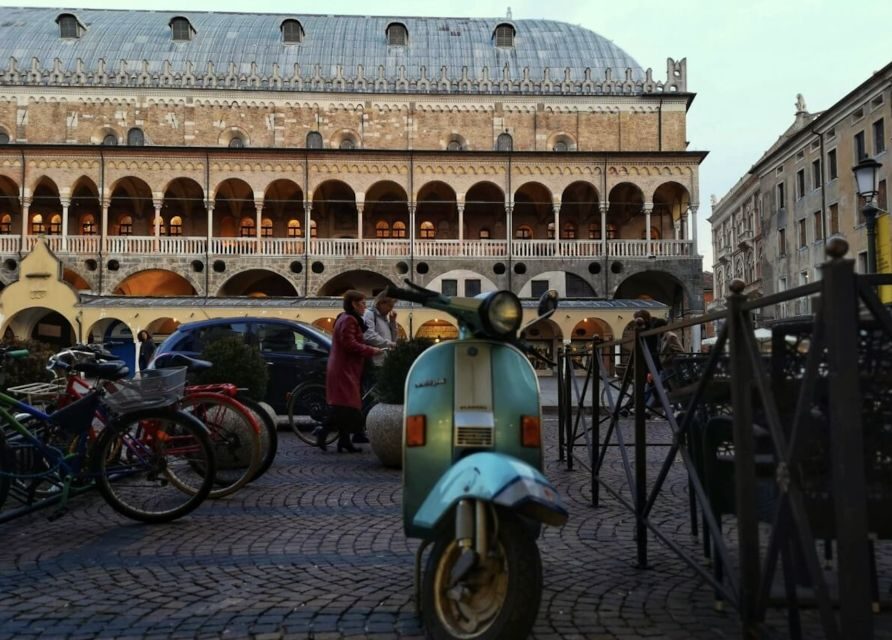
If you want proof that Padua isn’t stuck in the past, this is it. You’ll visit Piazza delle Erbe and encounter the city’s famed covered market, which operates in the arches of the Gothic Palazzo della Ragione.
Here’s what makes this part special:
- The market has been in continuous operation for 800 years.
- It’s set up so you can watch daily life while still experiencing a historic interior space.
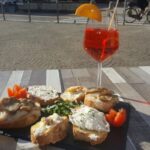
- The tour positions the piazzas—Piazza delle Erbe and Piazza della Frutta—as the natural sides of the palace, perfect for a drink and people-watching.
This is the kind of stop that helps you understand a place beyond monuments. In a city where pilgrimage and universities are part of the identity, a market like this shows how commerce and tradition share the same sidewalks.
You can also read our reviews of more private tours in Padua


Custom options if you have extra time in Padua
The core tour is built around the big three: Prato della Valle area, St. Anthony Basilica, and Scrovegni Chapel, with the covered market along the way. But if your timing works out, you can add more.
Two notable add-ons mentioned as possibilities:
- Ovetari Chapel in the church of the Eremitani to see Mantegna’s frescoes of St. Christopher and St. James (noted as damaged in WWII and painstakingly restored).
- Baptistery, featuring Giusto da Menabuoi’s depictions of heaven—described as unusual examples of medieval cosmology.
If you’re the type who likes to compare eras—medieval belief systems, Renaissance sculpture, and Giotto’s bridge between them—these extras can turn a good tour into a more personal, satisfyingly nerdy afternoon.
The guide makes or breaks it: English private, with real human touch
This is a private group, with an expert English-speaking guide (and Italian also). What you get here isn’t just facts—it’s the ability to keep you oriented. You’ll get headsets for groups of 6 or more, but the key is how the guide structures your attention in each space.
The strongest praise tied to this kind of tour is the guide’s relationship with the sites and the way they manage details. For example, guides such as Monica have been described as awesome and very knowledgeable. Caterina has been praised as outstanding, with excellent English and an ability to coordinate in real time—like advising a direct taxi to the Scrovegni Chapel when someone was arriving from Venice. That kind of calm practical help matters, especially when museum access is time-slotted.
Price and value: why $148.40 can be a smart spend
At $148.40 per person, this isn’t the cheapest way to see Padua. But it’s priced like a tour that includes the work you’d otherwise have to do yourself.
You’re paying for:
- An expert private guide (English-speaking)
- Skip-the-lines access and a route designed around major bottlenecks
- The entry ticket for the Scrovegni Chapel
- All fees and taxes included
- Headsets for larger private groups (if applicable)
If you were to try to cobble this together solo—figuring out the right order, managing timed entries, and figuring out what’s worth your attention—the value shifts quickly. The chapel and basilica are not “wander and hope” stops. A guided plan helps you see what you came for, without the day getting eaten by uncertainty.
What’s not included is also clear: transportation to and from the meeting/end points, and food and beverages. So budget for a drink or snack when you’re in the piazzas and market areas.
Logistics that matter: meeting point, walk comfort, and pacing
The meeting point is straightforward: in front of Farmacia Santa Giustina (northwest of Prato della Valle). Your guide will be holding a Through Eternity sign or flag.
The tour ends back at the meeting point, so it’s a clean loop—good if you’re staying nearby or plan to return to the same part of town after.
The big thing to plan for is walking comfort. This is a walking tour through the city center with steps and uneven walkways. Bring comfortable shoes and a bottle of water. If you tell the team about mobility concerns during booking, they can plan the route better for your needs.
Who should book this Padua tour
This tour fits best if you:
- Want a focused half-day with major art and a major basilica
- Prefer a private guide who can slow down or speed up based on what you care about
- Like the mix of sacred interiors and everyday city life (market included)
- Are coming from Venice and want a day trip that feels like more than just a checklist
It’s also a good choice for first-timers. Padua can be surprisingly dense with history; a guided route helps you avoid the “where do I go next?” problem.
Should you book it?
I’d book this if you’re aiming to see both Giotto at the Scrovegni Chapel and the Basilica of Saint Anthony, and you want someone local to make those spaces intelligible. The price makes sense when you factor in skip-the-lines access and the included chapel entry.
Pass or consider customizing if your schedule allows only light walking, or if you’d rather spend a full day soaking up Padua at your own pace. In that case, you might prefer a longer independent plan focused on just one big area.
If you want the best balance of art, context, and practical pacing in a half-day, this is a strong choice.
FAQ
How long is the Padua highlights private walking tour?
It lasts about 3.5 hours.
How do I know the start time?
Starting times vary, so you’ll need to check availability to see what times are offered.
Where do I meet the guide?
Your guide meets you in front of Farmacia Santa Giustina, northwest of Prato della Valle, with a Through Eternity sign or flag.
Where does the tour end?
The tour ends back at the meeting point.
What’s included in the price?
Included are all fees and taxes, an expert English-speaking private guide, skip-the-lines access, and headsets for groups of 6 or more.
What entry is included?
You get an entry ticket to Giotto’s Scrovegni Chapel.
What is not included?
Transportation to and from the meeting and end points, plus food and beverages, are not included.
What should I bring?
Bring comfortable walking shoes and water.
Is the tour wheelchair accessible?
Yes, it is listed as wheelchair accessible.
Can the tour be customized?
Yes. The tour can be customized, with options such as visiting the Ovetari Chapel and the Baptistery, if you have extra time.