REVIEW · VERONA
Verona: Pasta and Tiramisu Cooking Class With Free Flowing Wine
Book on Viator →Operated by The Roman Food Tour - Food Tour Rome · Bookable on Viator
Fresh pasta and tiramisu, right in Verona’s heart.
This class is built for people who want more than another plate of Italian food. You’ll learn how to make pasta dough, shape classic dishes, then finish with tiramisu—while the evening (or afternoon) keeps sliding toward a relaxed sit-down meal with wine. It’s in a locally run restaurant setting, with an English-speaking guide and a small group size.
I especially like two things about it: the hands-on teaching (including how to handle flour and what pasta fresca means versus pasta secca), and the fact that you eat what you just made for lunch or dinner, with wine alongside the meal. You might even recognize names like Elodie or Carlo from past sessions—those instructors stood out for clear guidance and a friendly, “everyone can do this” vibe.
One thing to consider before you book: this is not a safe choice for many dietary needs. It’s not recommended for vegans, lactose intolerant folks, people with egg allergy, or people who are gluten intolerant/allergic. Even if substitutes are offered, the class instructions still focus on the traditional recipe and cross contamination can’t be guaranteed.
In This Review
- Key highlights you’ll care about
- Why this Verona class beats another dinner reservation
- Where the class happens and what to expect in the room
- The pasta lesson: flour choice, fresca vs secca, and shaping
- Tiramisu: what you’re really learning (and why it’s tricky)
- Drinks and the shared meal: welcome Prosecco to wine with dinner
- Group size, attention, and the “personalization” question
- Price and value: is $71.35 a good deal?
- Who should book this class, and who should skip it
- Should you book the Verona pasta and tiramisu class?
- FAQ
- How long is the Verona pasta and tiramisu cooking class?
- What’s included in the price?
- Is the class taught in English?
- What will I cook during the class?
- Is this class suitable for vegans or people with lactose intolerance, egg allergy, or gluten allergies?
- Do you get wine during the experience?
- How big is the group?
- What is the cancellation policy?
Key highlights you’ll care about
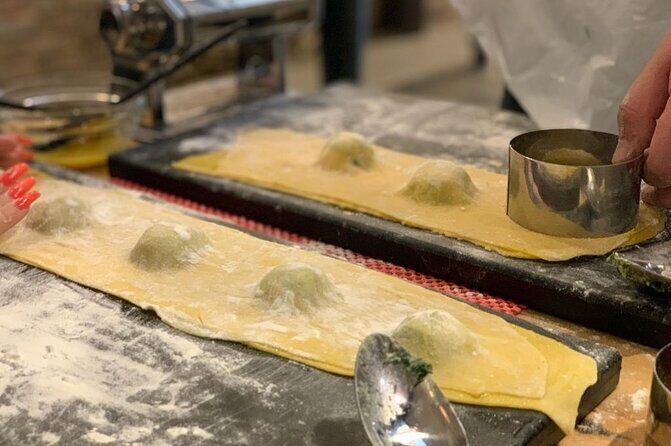
- Fresh pasta dough basics: flour choice, technique, and the fresca vs secca difference
- Two classic builds: fettuccine and ravioli-style fillings, plus the recipes that land on your plate
- Tiramisu made with step-by-step support: you finish with a dessert you can actually repeat at home
- Free-flowing drinks with your meal: welcome Prosecco plus wine and soft drinks
- Small group feel: maximum 12 travelers, which usually means more hands-on time
- Allergy limitations are real: traditional recipe emphasis means you need to plan carefully
Why this Verona class beats another dinner reservation
Verona is great for wandering. But sometimes you don’t want to just look at food—you want to touch it, smell it, and make it. That’s what makes this experience click. You’re learning Italian techniques you can repeat later, not just watching someone plate a dish.
The other big value piece is timing. At about 3 hours, you get a complete arc: drink on arrival, hands-on cooking, then a proper sit-down meal. If you’re short on evenings (or you want something more memorable than a quick pizza stop), this format is efficient.
There’s also a social payoff. In a small group—often with couples and families—you’re working side-by-side and then sharing the meal. Expect conversation to happen naturally, because everyone is asking the same practical questions: How tight should the dough be? How do you shape without tearing? What’s the “right” texture before it cooks?
You can also read our reviews of more cooking classes in Verona
Where the class happens and what to expect in the room
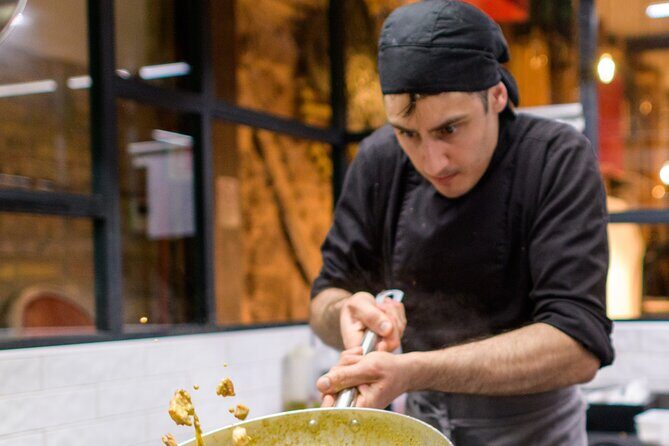
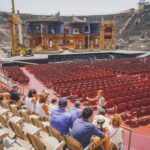
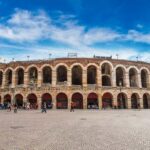
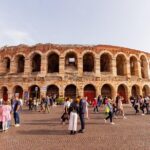
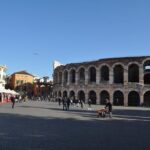
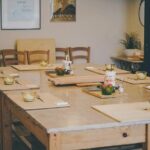
This is hosted in a central Verona restaurant setting, near public transportation, and it’s described as being very close to the Arena area. You’ll use a mobile ticket, and you’ll meet at the restaurant before stepping into the kitchen workflow.
What I like about this kind of location is that you’re not getting “class theater.” You’re learning inside the kind of place where Italian cooking actually runs day to day: ingredients out, prep in motion, and real cooking steps. That said, the setup can be warm and busy in a working restaurant environment. If you’re sensitive to heat, plan for the possibility that the room may run warm while you’re cooking.
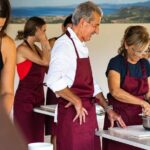
The class is also taught in English by an English-speaking guide, and the group size is capped at 12 travelers. That limit matters because it affects how often you get a one-on-one correction—especially for pasta shaping, where tiny adjustments make a big difference.
The pasta lesson: flour choice, fresca vs secca, and shaping
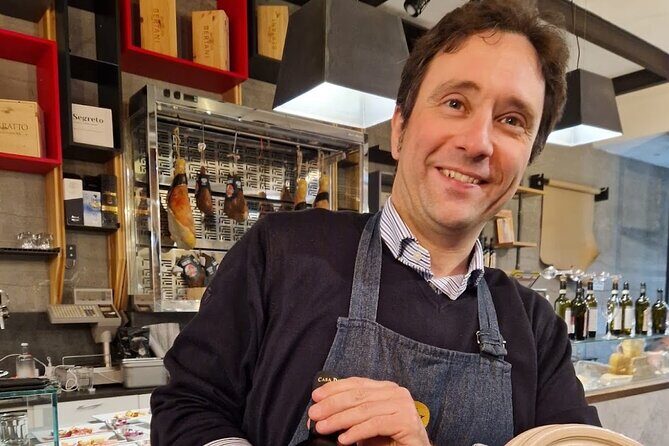
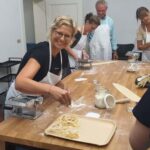
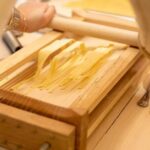
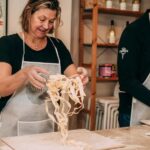
The pasta portion is the core of the experience. You’ll start with the dough and learn how to build proper pasta texture—the part most home cooks miss. The guide walks you through which type of flour to use and how the dough should feel as you work it.
You’ll also learn the key idea that pasta isn’t one thing. You’ll get a clear explanation of the difference between pasta fresca (fresh pasta) and pasta secca (dried pasta). That matters because fresh pasta tends to be more delicate and more forgiving in a different way—it cooks quickly and needs good handling so it keeps its structure on the plate.
From there, you’ll make the kinds of pasta that show up in the meal you share afterward. The sample menu points to fettuccine with tomato sauce, plus ravioli with ricotta and spinach, finished with butter and sage. So you’re not only learning “how to make dough,” you’re learning how that dough turns into something Verona-style and satisfying.
One practical note: some people want the full “from scratch sauce for every component” experience. The information you’re given is strongly pasta-focused, so you should expect the class to concentrate more on dough and shaping than on training you to reproduce every sauce step like a chef workstation.
In a good session, the guide actively circles and corrects. Past instructors were described as precise and patient, and that helps a lot when you’re learning a new hand motion—rolling, cutting, sealing, and keeping the edges intact.
Tiramisu: what you’re really learning (and why it’s tricky)
Tiramisu is a classic for a reason: it tastes like Italy’s favorite dessert hug. It’s also a dessert where technique matters more than it looks.
During the class, you’ll get step-by-step instruction to make tiramisu in the traditional style. That includes the key ingredients that give tiramisu its signature flavor and texture. It’s also why this isn’t a good fit for everyone—this experience is not recommended for lactose intolerants, and it’s also not recommended for egg allergy. (And if you’re gluten intolerant/allergic, note that cross contamination can’t be ruled out even when substitutions are discussed.)
What you’ll likely appreciate is that you’re not just handed a dessert and told to assemble. You learn the flow of the process and the “do this first, then that” timing so your final dessert holds up when you serve it. In smaller groups, you tend to get more individual guidance, which helps you avoid the two common problems: a dessert that doesn’t set properly and one where the layers don’t stay neat.
Also, don’t be surprised if not every participant ends up doing every single step in perfect solo fashion. Some classes use a mix of group instruction plus guided participation, so you may contribute to the dessert even if it’s not strictly one person, one full tiramisu.
Drinks and the shared meal: welcome Prosecco to wine with dinner
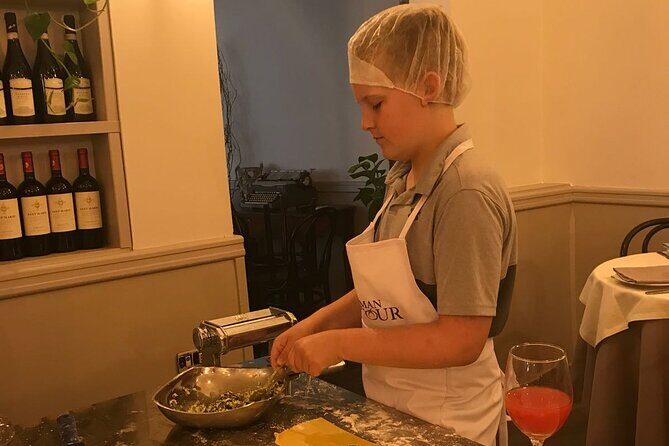
This is a food class, not a tasting-only event. You start with a welcome glass of Prosecco, then you’ll enjoy wine with your lunch/dinner. The drink list can include Prosecco plus red and white wine, along with soft drinks and non-alcoholic beverages.
The free-flowing part matters because it changes the feel of the meal. You’re not eating a separate “menu fallback.” You’re sitting down with the people you cooked with, eating the pasta you made, and then serving the tiramisu you made. That turns the class into a full evening plan rather than a short workshop.
If you want to make it extra enjoyable, consider the time of day you choose. One review suggested doing it in the evening for more Prosecco and wine energy. Even if your session timing is different, the core idea stays the same: the drinks are meant to pair with your meal, and the group meal is part of the value.
Practical tip: pace yourself when you’re handling dough. Alcohol can make rolling feel slower or clumsier. Take a sip, enjoy it, then focus when the shaping starts.
You can also read our reviews of more wine tours in Verona





Group size, attention, and the “personalization” question
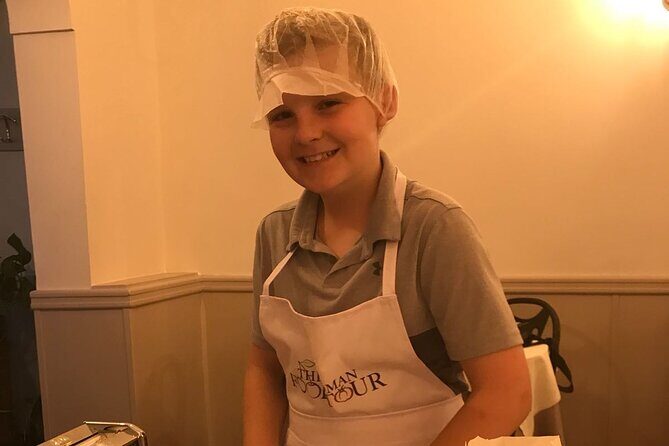
The advertised maximum is 12 travelers, and that’s a sweet spot for a pasta and dessert class. With that size, it’s realistic for instructors to check on you while you work the dough or seal ravioli-style shapes.
Still, the atmosphere can vary. Restaurant-based classes can get crowded, especially if multiple groups overlap schedules. If you care a lot about one-on-one attention, aim for a session size that feels comfortable once you’re inside.
A good sign is what the instructors do: circling the tables, giving clear steps, correcting mistakes before they become irreversible, and helping you fix texture or shape issues in real time. Past instructors were praised for making everyone comfortable, answering questions without judgment, and ensuring people could finish with a satisfying result.
Price and value: is $71.35 a good deal?
At $71.35 per person for about 3 hours, the value depends on what you want from the experience. You’re not just paying for instruction. Your ticket includes:
- Lunch/dinner
- Wine/soft drinks
- Welcome Prosecco
- Tiramisu
- An English-speaking guide
- A max group size of 12 travelers
Put plainly: you’re paying for a guided, hands-on meal experience in a central Verona restaurant setting, with drinks included. If you’d otherwise pay for a sit-down meal and a couple glasses of wine anyway, this class can feel like a smart swap because you get both dinner and the skill part.
Tips aren’t included, so you may want to budget a little extra if the guide earns it. But the big cost is already covered in the ticket.
Also worth noting: this is a popular class, and it’s commonly booked about 30 days in advance on average. If you’re traveling in peak season or a weekend, booking early can help you lock in a good time slot.
Who should book this class, and who should skip it
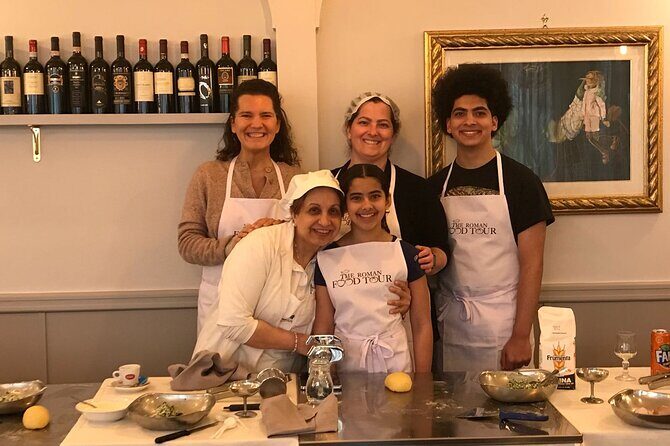
This class is a strong match if you want:
- A fun, hands-on introduction to Italian pasta dough and traditional tiramisu
- A meal that feels like an experience, not just a restaurant stop
- An English guide and a small-group environment
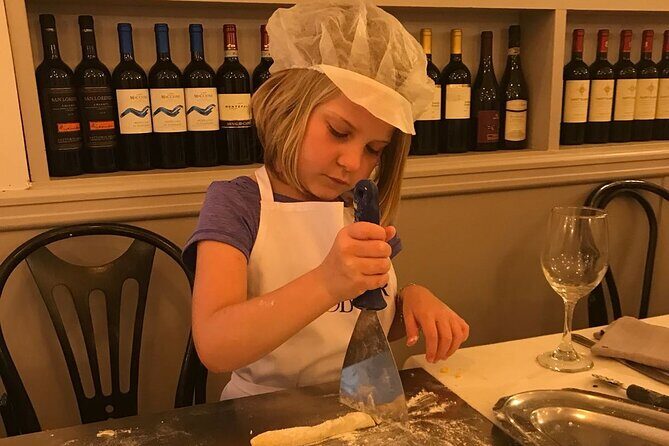
- An activity that works for groups of friends and even families (some past sessions included children, with a playful, supportive approach)
It’s not a good match if you need strict dietary safety:
- Not recommended for egg allergy
- Not recommended for lactose intolerants
- Not recommended for gluten intolerants/allergic
- Not recommended for vegans
They do mention substitutes can be offered for allergies or preferences, but the instructions still focus on the traditional recipe (with gluten, dairy, and eggs), and cross contamination can’t be guaranteed. If your dietary restrictions are serious, I’d treat this as a “possible only with clear confirmation” situation and ask detailed questions before booking.
Also, if you’re already a confident home cook and you want advanced chef-level technique (like making multiple sauces from scratch), you might find the class a bit more beginner-friendly. The pasta and dessert are the focus, not an exhaustive culinary masterclass.
Should you book the Verona pasta and tiramisu class?
I think you should book it if you want a compact, fun plan that mixes skill + dinner + wine in a central place. It’s hard to beat a class where the payoff is eating what you made, especially in a small group where instructors can help you correct mistakes while they’re still easy to fix.
Before you book, do two quick checks:
- If you have food restrictions, contact the operator early and ask how substitutions are handled and what cross-contamination risk means for you.
- If you care about personal attention, choose your session timing well and keep expectations aligned with a small restaurant workshop (not a private chef studio).
If those points work for you, this is exactly the kind of activity that turns a Verona afternoon or evening into a story you’ll still be telling months later.
FAQ
How long is the Verona pasta and tiramisu cooking class?
It runs for about 3 hours.
What’s included in the price?
The ticket includes lunch or dinner, wine/soft drinks, tiramisu, a welcome glass of Prosecco, and an English-speaking guide.
Is the class taught in English?
Yes. It’s offered in English, with an English-speaking guide.
What will I cook during the class?
You’ll make fresh pasta (the sample includes fettuccine with tomato sauce and ravioli with ricotta and spinach) and you’ll also make tiramisu.
Is this class suitable for vegans or people with lactose intolerance, egg allergy, or gluten allergies?
No. It’s not recommended for vegans, lactose intolerants, egg allergy, or gluten intolerants/allergic. Substitutes may be available, but the instructions focus on the traditional recipe (with gluten, dairy, and eggs) and cross contamination can’t be guaranteed.
Do you get wine during the experience?
Yes. You get a welcome glass of Prosecco and wine is included with the lunch/dinner, along with soft drinks and non-alcoholic beverages.
How big is the group?
The class has a maximum of 12 travelers.
What is the cancellation policy?
You can cancel for a full refund up to 24 hours in advance of the experience start time. Cancellation within 24 hours of the start time isn’t refunded.