REVIEW · VERONA
Verona: Blindfolded Wine Tasting
Book on GetYourGuide →Operated by La Botteghetta La Bottega di Verona · Bookable on GetYourGuide
Wine gets more interesting when you cannot see it.
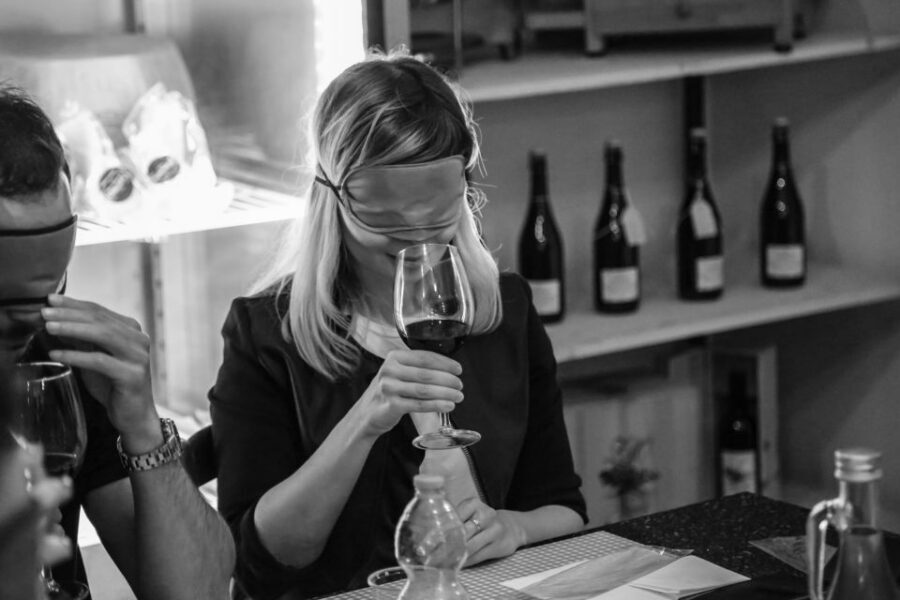
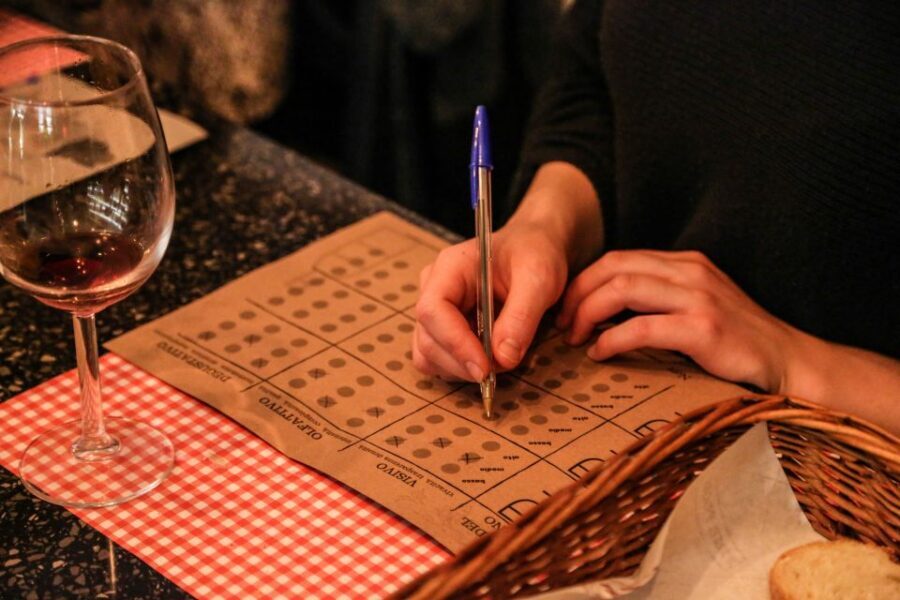
This Verona experience turns a simple tasting into a real senses workout: blindfolded sips, guided aroma work, and a fun sensorial card you complete as you go. I like the way the expert helps you chase what you smell and taste, not what you think you should taste. I also like that the session ends with a final taste test, so you can check how well your brain actually learned. One possible drawback: if you dislike strong smells, or you want a classic winery tour vibe, this is more of a guided tasting game than a long, scenic walk.
You’ll spend about one hour in the Veneto wine mood with La Botteghetta La Bottega di Verona, using a kit designed for blind tasting. You get four rounds of tasting from different wineries, plus bread, breadsticks, and a mini charcuterie board with freshly sliced meat and cheese, along with mineral or sparkling water. If you book with confidence and bring your passport or ID card, it is an easy fit for a solo traveler or a couple looking for something different in Verona.
In This Review
- Key things to know before you go
- Why Verona Works for a Blindfolded Wine Challenge
- What Happens in Your One Hour (Four Tastings and a Final Check)
- Round One to Four: What the Sensory Cards Are Really For
- Sounds and Scents: The Clever Part of the Kit
- The Food Break: Meat and Cheese Pairing in Veneto Style
- Price and Value: What $53 Buys You in Real Terms
- Who Should Book This Verona Blindfolded Tasting
- Practical Tips Before You Go to La Botteghetta
- Should You Book It?
- FAQ
- How long does the blindfolded wine tasting last?
- How much does it cost?
- What is included in the tasting?
- Do I need to bring anything?
- What languages are the tour guide available in?
- Is the tasting actually blindfolded?
- What is the cancellation policy?
- Can I reserve and pay later?
Key things to know before you go
- A blind tasting format that forces focus so you rely on aroma and flavor clues, not the color in the glass.
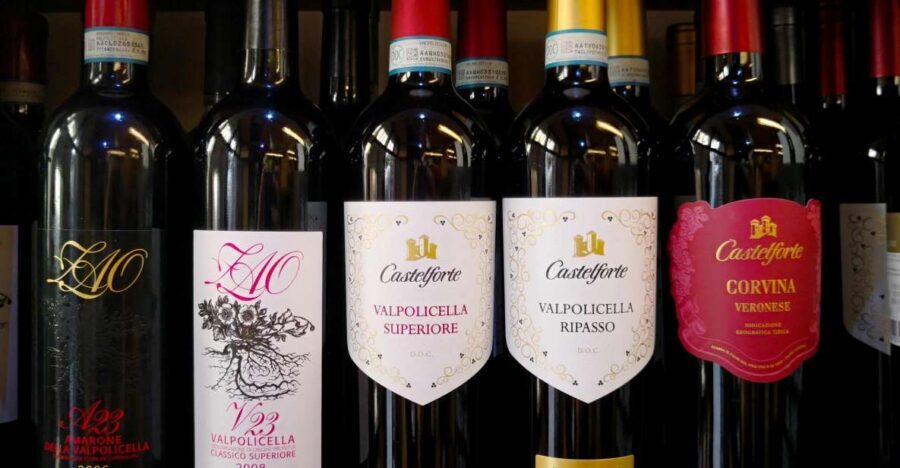
- Four wine tastings in one session using a guided kit and a sensorial card for each tasting.
- Sounds and scents that support recognition skills while you test your palate.
- Provenance and aroma guidance from an expert so your guesses get grounded in real wine info.
- Local bites with your pours: bread, breadsticks, and a mini charcuterie board with meat and cheese.
- A final taste test that shows how much you picked up during the hour.
Why Verona Works for a Blindfolded Wine Challenge
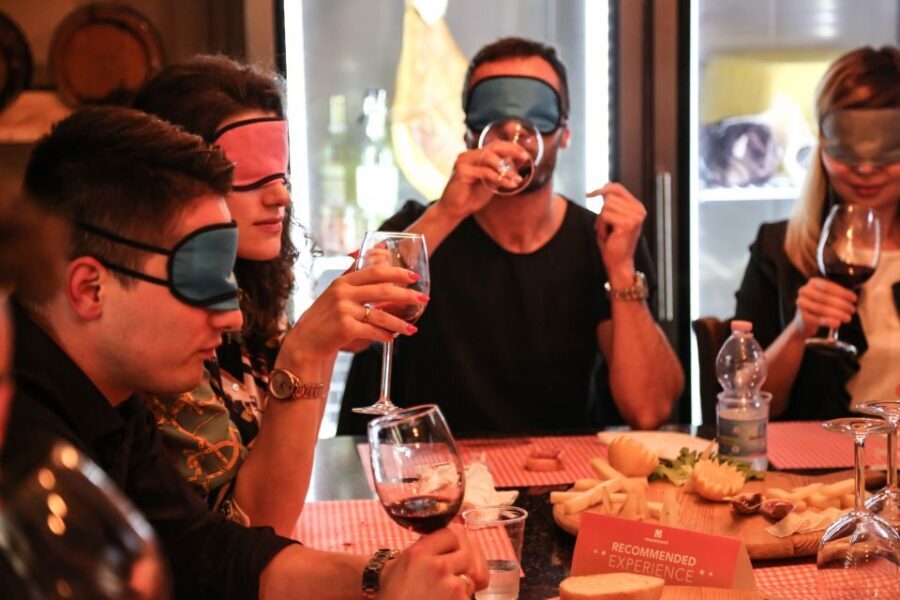
Verona sits right in the Veneto wine world, so you are not just sampling any wine. You’re doing it with the local culture in mind: wine here is part of everyday life, not a museum piece. That matters because this tour is built around learning how to taste, not just how to drink.
The blindfold changes the whole chemistry. When you cannot see the wine, your brain has fewer shortcuts. You end up paying attention to aroma first, then flavor and texture. It feels like a skill-builder, not a lecture.
And the best part is that the structure stays simple. You’re there for an hour, you taste four wines, and you leave with a clearer idea of how aromas connect to what you like. You also get food to keep you comfortable while you concentrate.
You can also read our reviews of more food & drink experiences in Verona
What Happens in Your One Hour (Four Tastings and a Final Check)
This is not a long, slow tasting where you wander between rooms. It is a tight, guided sequence designed to keep your senses working from start to finish.
Here’s the flow you can expect in plain language:
1) Briefing and the blindfold set-up
An expert guides you through the blind tasting kit so you know how to approach each round. You will use your senses on purpose, not by accident.
2) Four tasting rounds
Each round focuses on recognizing aromas and flavors. You taste four wines, and you record your impressions on a sensory card. The expert helps you understand what you are picking up, including aroma clues and the wine’s background.
3) A final taste test
At the end, you do one last comparison. This part is key because it turns the session into a learning loop: guess, learn, then test again.
4) Bread, breadsticks, and mini charcuterie pairing
You’re not tasting on an empty stomach. You get local-style bites: freshly sliced meat and cheese on a mini charcuterie board, plus bread and breadsticks. Mineral or sparkling water keeps things balanced.
This format is great value because you’re not just getting pours. You’re getting an exercise in recognition, supported by an expert and a structured scoring card.
Round One to Four: What the Sensory Cards Are Really For
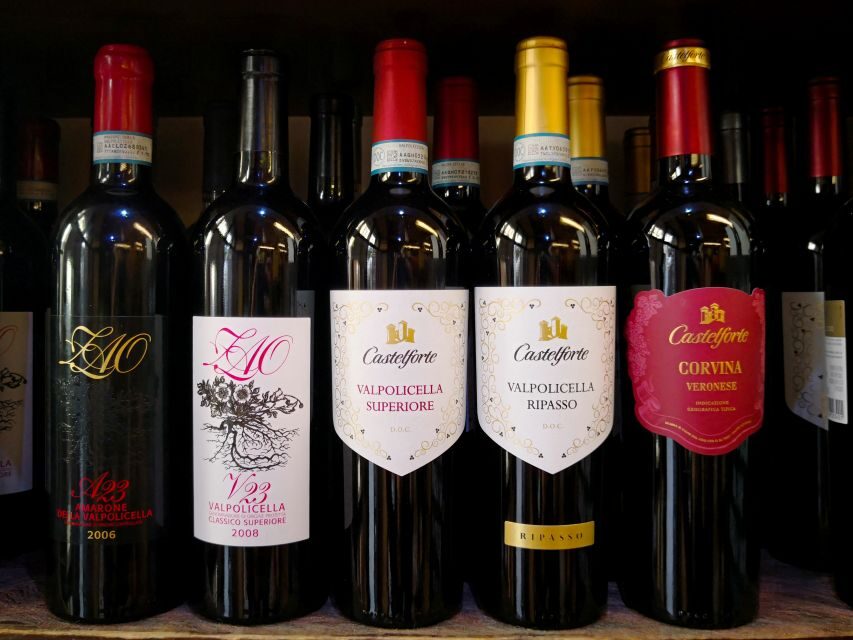
The sensorial card sounds fancy, but it is really practical. It forces you to slow down and label your impressions instead of just reacting. When you do that, you start noticing patterns: certain smells often lead you to the same flavor expectations, and the expectations can be wrong if you are relying too much on the look of the glass.
From the information provided, each tasting focuses on:
- aromas you can detect during the blind tasting
- the flavors you perceive in your sip
- the wine’s provenance, explained with the expert’s help
- your own notes on what you think you identified
One detail I love about this style is that you taste wines from different wineries but within the same general set of wine types. That comparison makes the learning stick. You get to ask a sharper question: not only what is in the glass, but how producers express a similar style differently.
A realistic consideration: if you want a super casual experience with zero note-taking, be aware that the sensorial card is part of the concept. It is not a huge burden, but it is still part of the game.
Sounds and Scents: The Clever Part of the Kit
Blind tasting is already a challenge. Adding sounds and scents turns it into something closer to training. The goal is to stimulate recognition skills so you stay present and focused while your senses work.
Even if you do not love the idea of sensory games, the underlying logic is sound. Wine aroma is complex, and your brain tends to fill in gaps when it is bored or distracted. The tour design helps keep your attention steady.
What you should do to get the most out of this:
- take your time with aroma before you sip
- describe what you smell in simple terms on the spot
- trust your nose first, then adjust based on flavor
This is also where the expert shines. You’re not left guessing in silence. You get help understanding what you smelled and why it shows up in the wine.
The Food Break: Meat and Cheese Pairing in Veneto Style
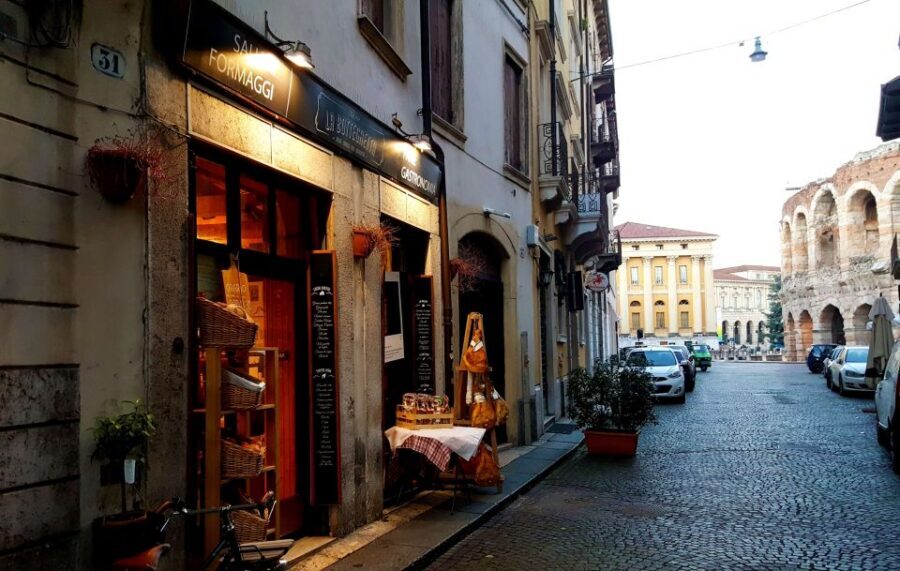
Food is not a side quest here. It is part of making the tasting work. You get bread and breadsticks, plus a mini charcuterie board with a selection of freshly sliced meat and cheese.
That pairing is smart for two reasons:
1) Bread helps reset your palate so you can continue tasting without everything blending together.
2) Meat and cheese match the broader pleasure of wine tasting in Northern Italy. Salty, fatty, and savory notes change how certain wine flavors read in your mouth.
You also get mineral or sparkling water, which keeps you from feeling like you are only drinking liquid the entire hour. Water matters when the tasting is guided and your concentration is the product.
If you have dietary needs, the data you have does not specify options beyond what is included. In that case, it’s worth checking with the provider when you book.
You can also read our reviews of more wine tours in Verona
Price and Value: What $53 Buys You in Real Terms
At $53 per person for about one hour, this is not a bare-bones tasting. The value comes from the full package: four tastings, a blind tasting kit, expert guidance in multiple languages, structured sensory cards, and the food pairing with bread and charcuterie.
If you break it down, you are paying for:
- expert support and guided learning
- a format you cannot replicate easily on your own
- sensory tools that make the experience more than four random pours
- local snack pairing so you enjoy it comfortably
A standard wine tasting can be cheaper, but you often get less instruction and fewer structured learning moments. Here, the design is built to help you develop recognition skills, then confirm them with a final taste test.
So the question is not just the price. It is what you walk away with: a new way to taste, plus a very Verona-friendly snack-and-wine experience.
Who Should Book This Verona Blindfolded Tasting
This tour fits best if you like experiences that feel like a challenge, not just a sit-and-listen event.
You’ll likely enjoy it if:
- you want to taste wine with purpose and a bit of a game
- you enjoy aroma work and want help identifying what you smell
- you like interactive learning where the expert guides you in real time
- you want a food pairing without turning it into a full meal
It might feel less ideal if:
- you do not enjoy blindfolded activities
- you want a long, scenic wine day with lots of walking
- you expect a traditional tasting in a cellar setting (this is more focused and structured)
For many people, that trade-off is worth it. You get a concentrated, memorable hour instead of a slower afternoon.
Practical Tips Before You Go to La Botteghetta
This experience is run by La Botteghetta La Bottega di Verona, and the tour guide is available in English, Italian, and Russian. If you speak any of those, you’ll get the most out of the explanations and the aroma/provenance coaching.
Two small practical notes from the info you have:
- Bring your passport or ID card.
- Plan around an hour. This is quick, so try not to stack it too tightly with other plans that require rushing.
Also, go in with the right mindset. The tasting is about noticing and learning. If you go in expecting to immediately identify every wine like a pro, you’ll miss the fun. Let your guesses be part of the process, then adjust when the expert clarifies.
Should You Book It?
Book it if you want a short, high-impact Verona wine experience built around learning with your senses. The blindfold format, the sensorial cards, and the final taste test turn it into something more skill-focused than a typical tasting. Add the bread and mini charcuterie board, and you’re getting a complete hour: taste, learn, reset with snacks, and finish with a check of what you truly recognized.
Skip it if blind tasting games sound unpleasant or if you want a more classic winery tour day. For most people looking for value, variety, and a memorable twist on Italian wine, this one is a strong choice.
FAQ
How long does the blindfolded wine tasting last?
The experience lasts 1 hour.
How much does it cost?
The price is $53 per person.
What is included in the tasting?
You get 4 wine tastings, a blindfolded wine tasting kit, a final taste test, bread and breadsticks, and a mini charcuterie board with freshly sliced meat and cheese. Mineral or sparkling water is also included.
Do I need to bring anything?
You should bring a passport or ID card.
What languages are the tour guide available in?
The live tour guide is available in English, Italian, and Russian.
Is the tasting actually blindfolded?
Yes. It is a blindfolded wine tasting experience.
What is the cancellation policy?
You can cancel up to 24 hours in advance for a full refund.
Can I reserve and pay later?
Yes. You can reserve now and pay later.