REVIEW · VERONA
From Verona: Valpolicella and Amarone Wine Tasting Tour
Book on GetYourGuide →Operated by Ways Tours | B Corp company · Bookable on GetYourGuide
That Amarone lesson hits different.
This half-day tour is built around the tasting, not just the drive: you roll out of Verona in an air-conditioned minivan and get two proper winery visits in Valpolicella. I like the contrast the schedule creates, because you’re not stuck with one style or one type of cellar. Plus, the guides can make the technical stuff feel clear and fun, and names like Stefano and Sara show up repeatedly for a reason.
Two wineries also means you get more than a sip-and-run experience. I especially like how the itinerary blends cellar education with time at the table, where you taste wines like Ripasso and Amarone with food pairings. One watch-out: this is a minivan tour with walkable parts and you’re not aiming for wheelchair-friendly routes, so if mobility is an issue, plan carefully.
In This Review
- Key things to know before you go
- From Verona to Valpolicella: the easy start that sets the tone
- Ripasso meets Amarone: why this combo is such good value
- Stop 1: your first winery cellar tour and tasting table
- The in-between stretch: gardens, vineyards, and a chance to reset
- Stop 2: a second tasting round with a different kind of winery feel
- Small group matters: up to 8 people, and why it feels more personal
- Transportation, timing, and what 4 hours actually feels like
- Price and value at $112.15: what you’re paying for
- Who should book this Valpolicella and Amarone tour?
- Should you book this tour?
- FAQ
- Where do I meet the guide for this tour?
- How long is the Valpolicella and Amarone wine tasting tour?
- What’s included in the price?
- What wines will I taste?
- Is there a minimum drinking age?
- How big is the group?
- Is hotel pickup included?
Key things to know before you go
- Two winery stops with cellar time, not just tastings in a room
- Ripasso and Amarone get equal attention, with Amarone production explained
- Small group (up to 8 people), so it stays conversational and not chaotic
- Photo time in gardens and vineyards, with actual chances to look around
- Food pairings included with tastings; many departures feature local cured meats, cheese, and sometimes olive oil
From Verona to Valpolicella: the easy start that sets the tone
Your tour starts in central Verona at Via Teatro Ristori, 7, right in front of the Ristori Theatre. You’ll meet your guide at the theatre entrance, holding a yellow sign with TOUR on it. It’s a simple start that matters, because wine days go smoother when you’re not hunting for your group five minutes before pickup.
From there, you’ll climb into a comfortable, air-conditioned minivan. The plan is relaxed, and you’ll have ride time where the guide talks about Valpolicella and the wines along the way. That first chunk of explanation helps later, because when you taste Ripasso and Amarone, you’re not trying to guess what you’re learning on the fly.
Practical tip: dress for the day. The weather can shift in northern Italy, and winery buildings can feel cooler than the street. Bring a light layer so you’re not deciding between sun and shivering during tastings.
You can also read our reviews of more food & drink experiences in Verona


Ripasso meets Amarone: why this combo is such good value
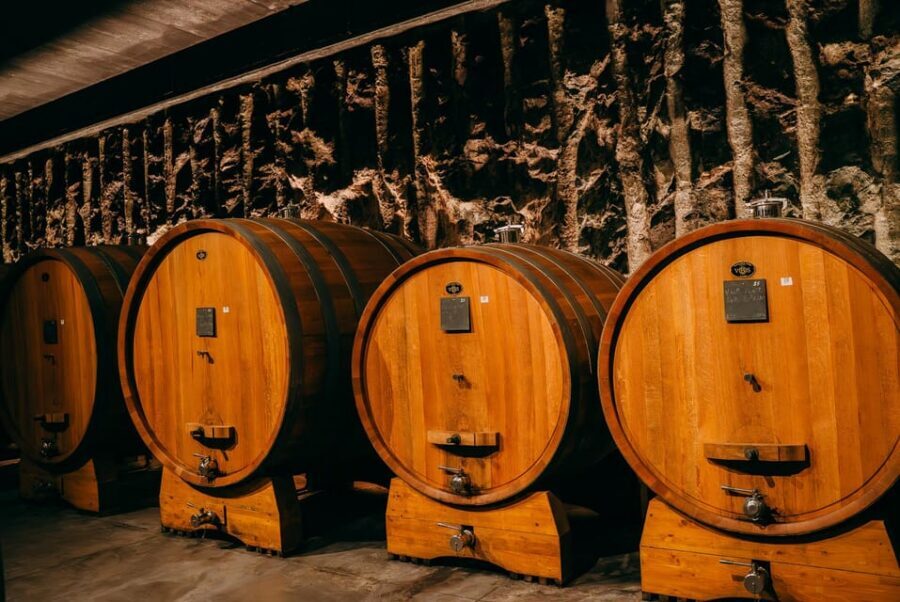
This tour’s core idea is smart: you’re tasting in two rounds and learning across two styles. Valpolicella is the bigger umbrella, but Ripasso and Amarone are different stories. Even if you’re a casual wine person, this structure helps you connect what you taste to what makes each wine special—especially the techniques behind Amarone.
The “Amarone making secrets and techniques” promise is basically telling you that the guide won’t treat Amarone like just another label. You’ll get an explanation of how Amarone is made during the winery portion. That’s the kind of info that turns a tasting from a souvenir hunt into a real takeaway you can remember months later.
And because you’re visiting two wineries, you get more perspective than you’d get from one stop. One cellar can show how things work in a bigger operation; another can show how a smaller, family-style winery runs. Many guests talk about the contrast, and it’s exactly what you want from a short tour.
Stop 1: your first winery cellar tour and tasting table
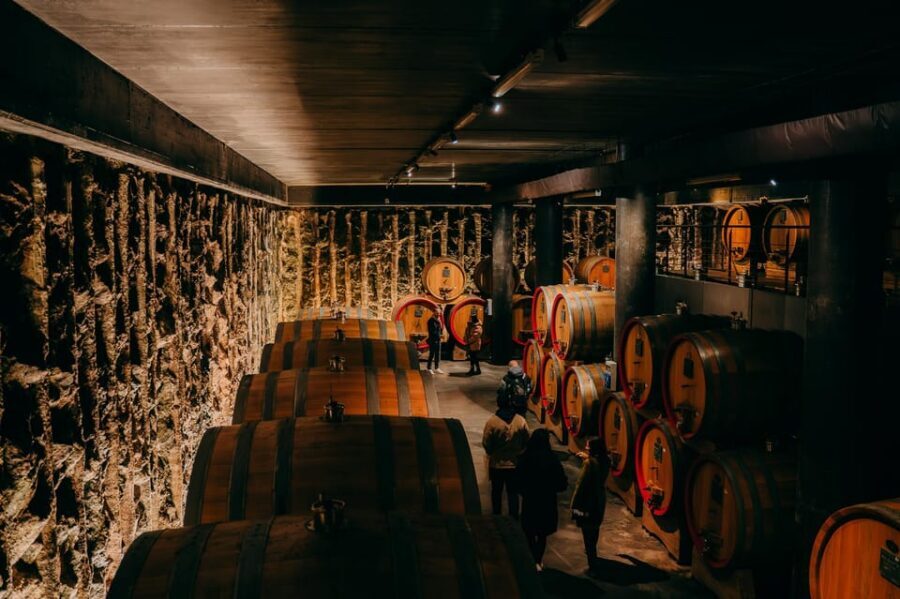
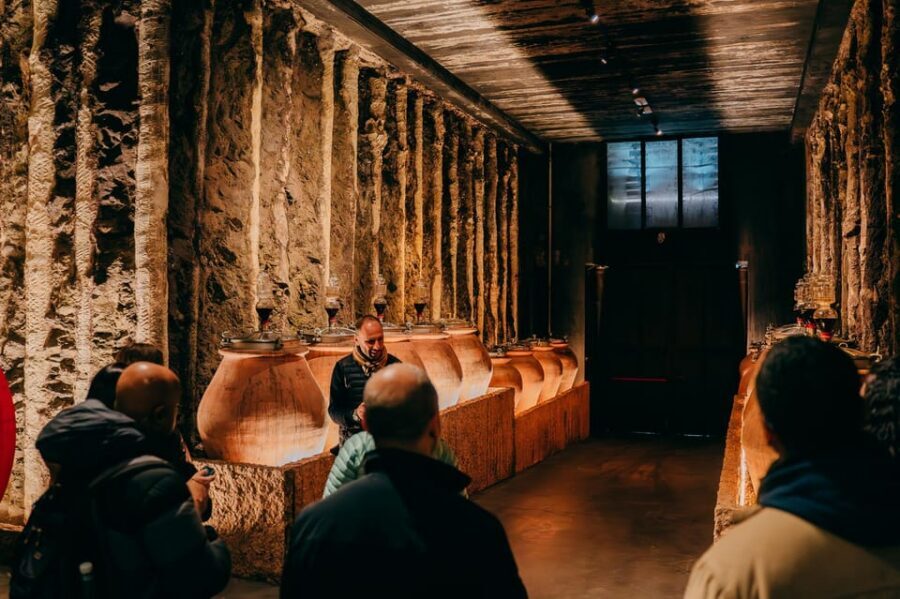
Your first winery visit is where the day starts to feel real. You’ll arrive in Valpolicella, then spend time with an expert sommelier who shows you the wine cellar and explains how the wine is kept. That cellar tour step matters. When you see where wine rests and how it’s managed, your tasting stops being random.
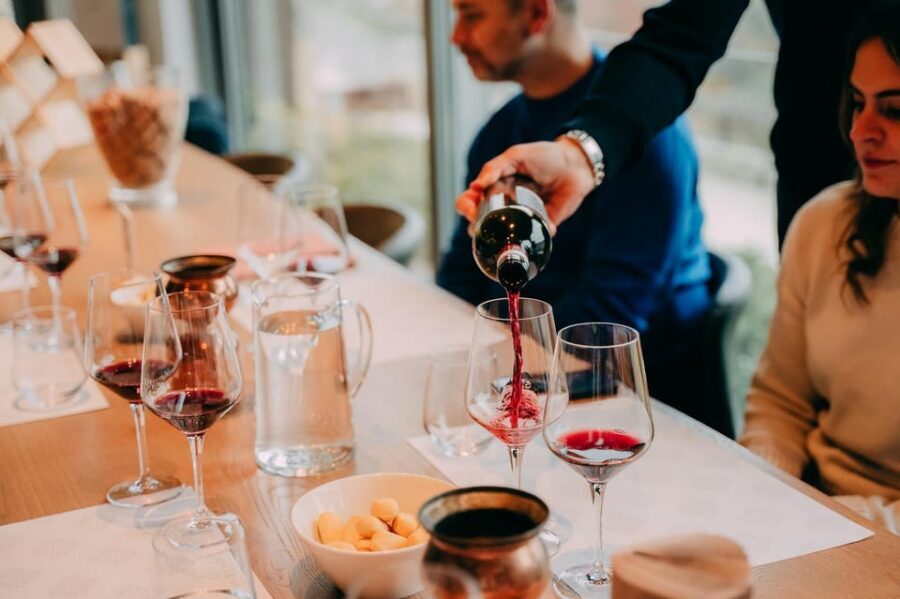
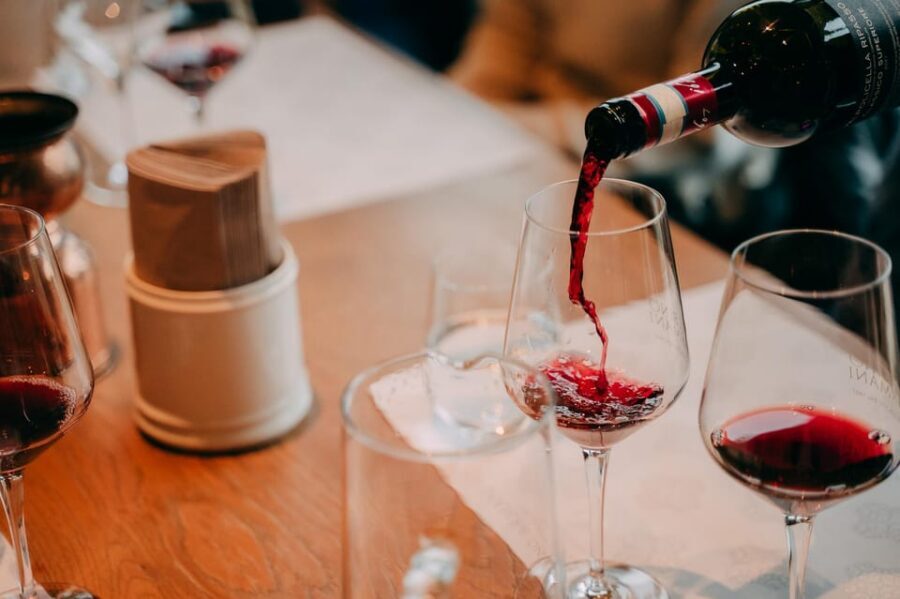
After the walking-and-learning portion, you’ll sit around the tasting table. This is where the tour shifts gears into the fun part: you taste chosen wines, including the Amarone. Reviews often mention flights that add up to several pours per visit, and many departures include food pairings such as finger foods and cured meats.
What I like about this format is that it gives you two types of learning at once:
- You learn the process first in the cellar setting.
- Then you connect that process directly to what’s in your glass.
A small caution: tastings come with food, but you’re still drinking wine. Pace yourself between pours, and drink water when it’s offered. You’ll enjoy the second stop more if you don’t end up “speed-running” the wines at the first table.
The in-between stretch: gardens, vineyards, and a chance to reset
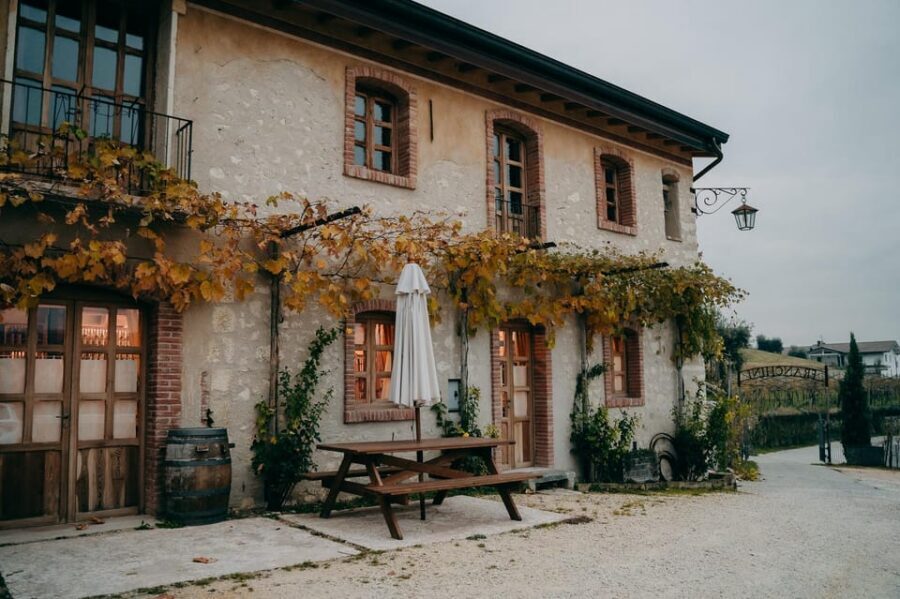
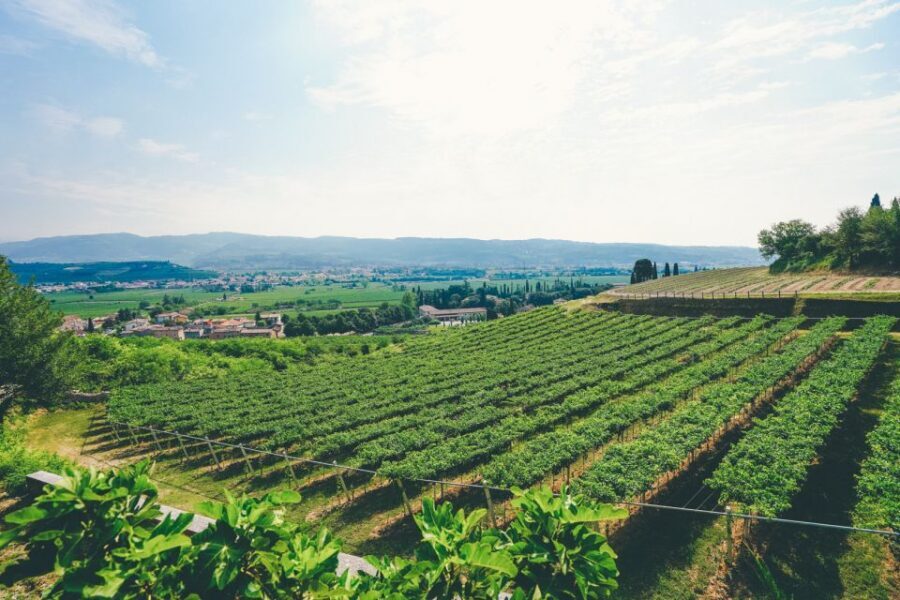
Between the two winery visits, you’ll board the van again and travel for a short segment. The tour also includes a moment for photos in the gardens and vineyards. It’s not a gimmick; it’s a nice reset.
Why this matters: winery tastings can be mentally heavy. You’re learning terms, production choices, and styles. A few minutes outside—looking at vines and taking pictures—helps your brain re-focus for round two.
Also, that photo time is useful for remembering what you liked. Later, when you compare wines you sampled, you’ll remember the setting where you first had them, and that makes it easier to buy bottles you’ll actually want to drink at home.
Stop 2: a second tasting round with a different kind of winery feel
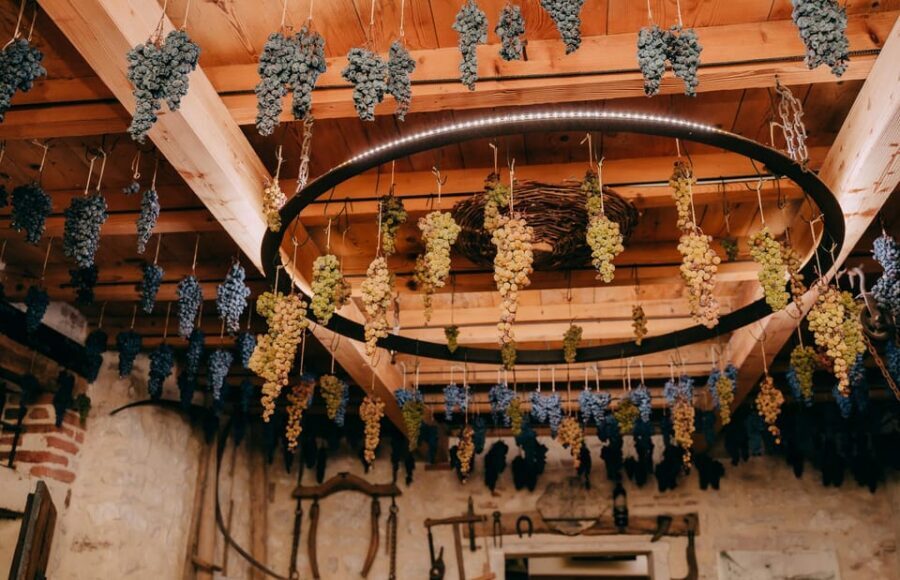
The second stop is another cellar visit and another guided tasting. If the first winery is where you get your baseline education, the second is where the differences show up more clearly.
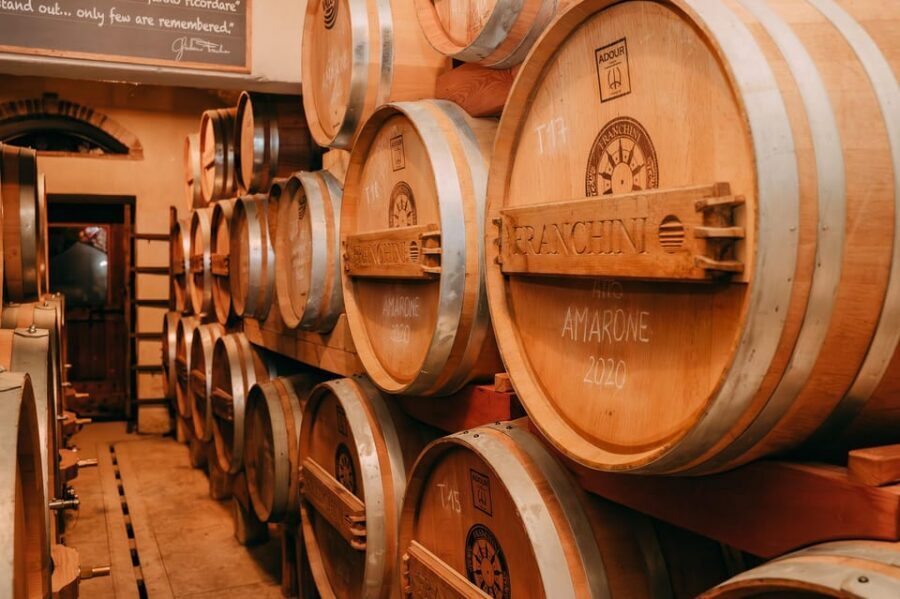
Many guests highlight that the winery choices can include both larger and smaller producers. In past departures, some people mention names such as Farina and Damoli, and also Franchini. You can’t count on the exact same lineup every time, but the pattern is consistent: the tour aims for variety in production style and winery scale.
During this second tasting, you’ll typically sample more wines and continue with food pairings. Some reviews mention a larger display of local meats and cheese at this stop. Others even mention tasting olive oil alongside the wine. If those extras are offered on your day, they’re a nice bonus, because they add flavor contrast and make it easier to identify what you like in the wines you’re drinking.
One more practical point: use the second stop to ask your sharp questions. Since it’s a guided small-group experience, this is usually when you get the most helpful back-and-forth with the sommelier or winery host—especially if you want to compare how Ripasso and Amarone differ on the palate.
You can also read our reviews of more wine tours in Verona


Small group matters: up to 8 people, and why it feels more personal
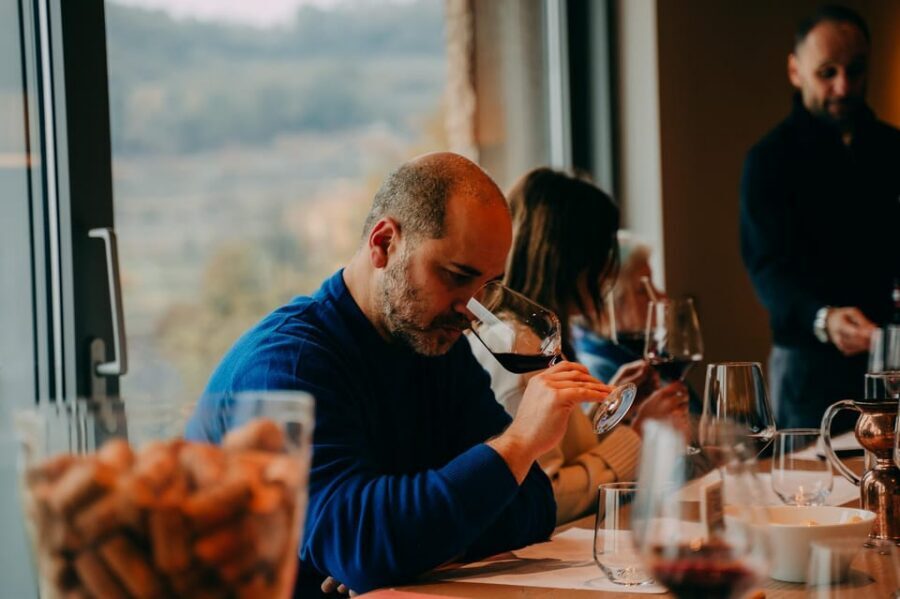
This tour is limited to 8 participants, which changes the whole tone. In larger groups, wine tastings can turn into a production line: stand here, pour that, move on. Here, you have time to ask questions and actually hear the answers without craning your neck or listening through a crowd.
The guide/driver role also matters. You’ll have a group coordinator and a live English-speaking guide, and you’ll be moving together in one vehicle. Some guides mentioned in guest feedback include Stefano, Sara, Alexandra, Alessandra, and Francesca. The common thread is clear: guests like the way the guide keeps the experience light while still teaching you how to think about what you’re tasting.
If you’re visiting from somewhere wine isn’t the default language (like Verona is), this format helps you get oriented fast. You leave with a better sense of the region, the styles, and what to look for if you want to buy bottles later.
Transportation, timing, and what 4 hours actually feels like
The tour is listed at 4 hours total. That time isn’t just “waiting around” at wineries. It includes van rides, the cellar walkthrough, tastings at two locations, and time for pictures before you return to the meeting point.
There’s an important pacing detail: the two tasting windows are substantial. The first tasting is longer, and the second still has good time. In other words, it’s not a rushed sampler where you barely have time to notice the difference between wines.
You’ll also want to plan for where you start and end. The tour begins and ends back at the same meeting point on Via Teatro Ristori, 7. Since hotel pickup and drop-off aren’t included, you’ll need to get yourself to the theatre in Verona. If you’re staying nearby, that’s simple. If not, build in some buffer so you’re not late and stressed.
Price and value at $112.15: what you’re paying for
At $112.15 per person, this isn’t the cheapest wine outing in the region. But it also isn’t overpriced for what you get. Your money goes toward:
- Private transportation by minivan
- Two winery visits (not just one)
- Two guided tastings with a sommelier-led cellar experience
- A small-group format (up to 8), plus live English interpretation
For a wine day, the most expensive part is usually time and access. You’re paying for entry into two working wineries and the guided portions that help you taste with context. Many guests also talk about the value being strong because the tastings include more than a token pour, and the pairings add to the experience rather than feeling like a snack afterthought.
If you’re doing tastings in Italy for the first time, you’ll likely appreciate the structure. If you’re already a wine pro who wants long seminars, you might find a half-day tour feels short. But for most people who want both education and pleasure without eating up a whole day, this hits a sweet spot.
Who should book this Valpolicella and Amarone tour?
This tour fits you well if:
- You want an easy, guided wine education from Verona
- You like small groups where you can ask questions
- You want a true contrast between Ripasso and Amarone
- You enjoy spending time in wineries with hosts and sommelier-led tastings
It’s less ideal if:
- You rely on wheelchair access. This experience is not suitable for wheelchair users, and some parts may not be easy to navigate if you have reduced mobility.
- You’re traveling with kids under 14, since children under 14 can’t join.
- You’re expecting a party-style wine bus. It’s social and fun, but the structure is educational, and drinking age is 18.
Also note the tour doesn’t allow pets or oversize luggage. If you’re traveling with bulky bags, pack light.
Should you book this tour?
I think you should book it if you’re serious about getting real value out of a short stay in Verona. Two winery visits, Ripasso plus Amarone, and cellar time in a small group is a strong mix. You also get a guided ride that sets you up to taste smarter, not just faster.
Before you book, check your mobility needs and plan how you’ll reach Via Teatro Ristori, 7 on time. Once that’s handled, this is the kind of tour that leaves you with a better understanding of Valpolicella—and a few bottles you can actually pick with confidence.
FAQ
Where do I meet the guide for this tour?
You meet the guide at Via Teatro Ristori, 7, in front of the Ristori Theatre entrance. The guide holds a yellow sign with TOUR written on it.
How long is the Valpolicella and Amarone wine tasting tour?
The duration is 4 hours. Starting times vary, so you’ll need to check availability.
What’s included in the price?
The tour includes private transportation, a group coordinator, two winery visits, and two wine tastings.
What wines will I taste?
You’ll taste wines from the Valpolicella region, including Ripasso and Amarone, with tastings arranged by the wineries.
Is there a minimum drinking age?
Yes. The minimum drinking age is 18.
How big is the group?
This is a small-group experience limited to 8 participants.
Is hotel pickup included?
No. Hotel pickup and drop-off are not included, and the tour starts and ends at the meeting point.