REVIEW · VERONA
Museo Nicolis Verona
Book on Viator →Operated by Museo Nicolis · Bookable on Viator
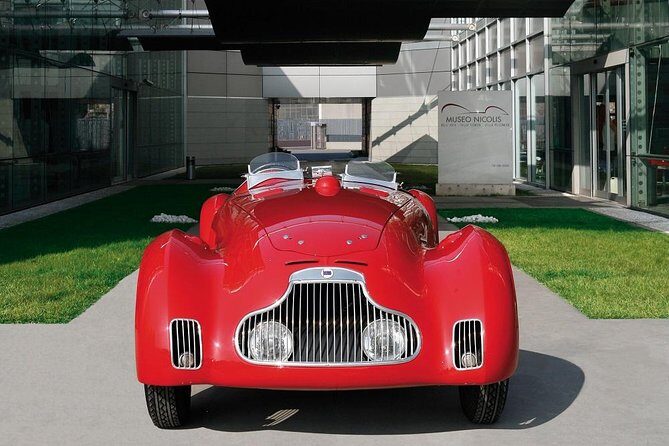
Cars have their own museum here. The Museo Nicolis in Verona is a technical and mechanical rabbit hole, founded in 2000 by Luciano Nicolis, and it’s set up for you to wander at your own pace. I love seeing rare Formula 1 racecars up close, and I love the museum’s odd-but-perfect detail like the first motorcycle to run on gas from 1882.
Next, I like how the collection isn’t only cars and engines. You move through 8 themed collections that include things most car museums skip, like musical instruments and typewriters/computers. One consideration: there is no guided tour included, so you’ll get the artifacts and the layout, but the deeper stories won’t be delivered in a narrated way.
If you’re the kind of traveler who reads labels and slows down, this works great. Plan on about two hours, and treat it like a smart stop between sightseeing chunks rather than a quick photo break.
In This Review
- Key Highlights You’ll Actually Feel
- Museo Nicolis in One Walk: Why This Works as a Verona Stop
- Getting to the Meeting Point: Villafranca di Verona Practical Notes
- Two Hours to Feel It: A Smart Self-Guided Strategy
- What You’ll See: Automobiles, Motorcycles, Airplanes, and More
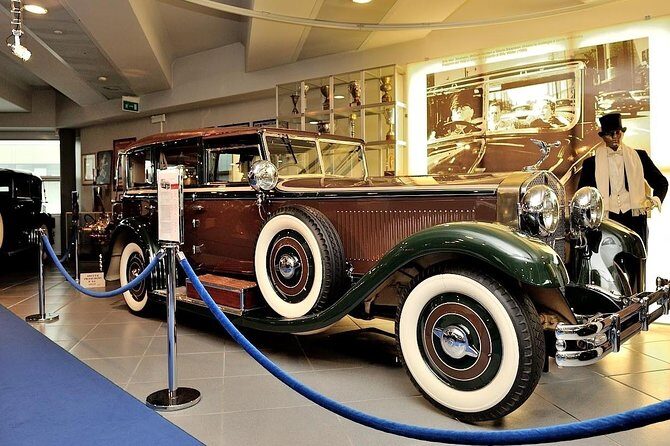
- Automobiles and Motors: The obvious anchor
- Motorcycles and the 1882 gas milestone
- Bicycles and airplanes: movement beyond road rules
- Cameras, typewriters/computers, and communication tech
- Musical instruments: tech with a different purpose
- The F1 Part: What You Gain Beyond Just Watching Cars
- Oddball Delight: Cameras, Typewriters, Musical Pieces, and Jukebox Energy
- The Layout Matters: How the Collections Feel as a Journey
- Price and Value: Why €-Sized Fun Works at $16.90
- Who Should Book This (and Who Might Skip)
- Quick Tips So You Get More From Your Visit
- Should You Book Museo Nicolis in Verona?
- FAQ
- How long is the Museo Nicolis Verona visit?
- How much does it cost?
- Is a guided tour included?
- Where does the experience start?
- Is this a private experience?
- Can I cancel for a refund?
Key Highlights You’ll Actually Feel
- Rare Formula 1 racecars up close, plus steering-wheel details tied to the F1 theme
- First gas motorcycle from 1882 sits inside the same collection logic as modern motorsport
- 8 themed categories spanning cars, motorcycles, bicycles, airplanes, cameras, and more
- A mix of engineering and everyday tech, including typewriters/computers and cameras
- Admission included so you’re not juggling ticket math once you arrive
- Private visit for your group, with a self-paced museum layout
Museo Nicolis in One Walk: Why This Works as a Verona Stop
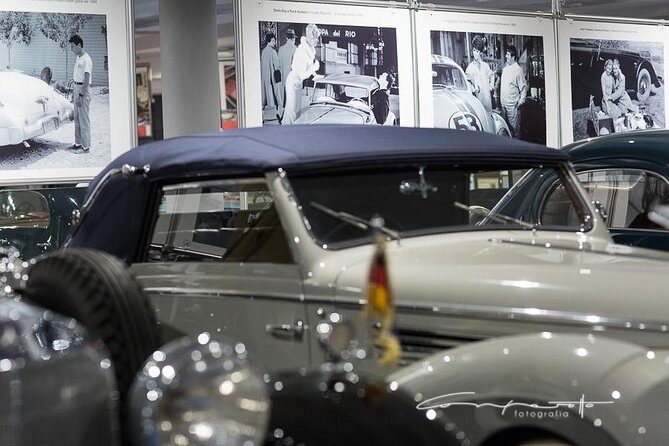
This museum is built for people who enjoy machines as objects and as ideas. The place is named for Luciano Nicolis, a businessman who collected old cars, but the collection logic quickly grows beyond automobiles. You’re looking at how humans solved distance in time and space, using engines, vehicles, and even tools of communication as clues.
The big win for me is the variety that still feels coherent. Yes, you’ll find automobiles and racecars. But you’ll also run into categories that feel like a sideways trip—cameras, musical instruments, and typewriters/computers—still connected by the theme of technology and movement.
Another big win: it’s structured so you don’t need a tour guide to enjoy it. Your time is self-guided, so if you like to linger in one room or zip through another, the museum doesn’t fight you. That said, if you want a narrated explanation of every object, you’ll want to budget for that on your own by reading the labels carefully.
You can also read our reviews of more tours and experiences in Verona.


Getting to the Meeting Point: Villafranca di Verona Practical Notes
Your start point is V.le Postumia, 71, 37069 Villafranca di Verona VR, Italy. The activity ends back at the same meeting point, so you won’t have a mystery transfer at the end of your visit.
This matters because Verona can feel like a “one-center” city when you plan your day. Villafranca is close enough to be a realistic side mission, but you’ll want to plan your timing so you don’t rush the museum. Since the visit is about 2 hours, treat it like a calm block in your schedule.
Also, it’s listed as a private tour/activity, meaning only your group participates. That’s useful if you’re traveling with family or friends and want to move together without waiting on other people.
Two Hours to Feel It: A Smart Self-Guided Strategy
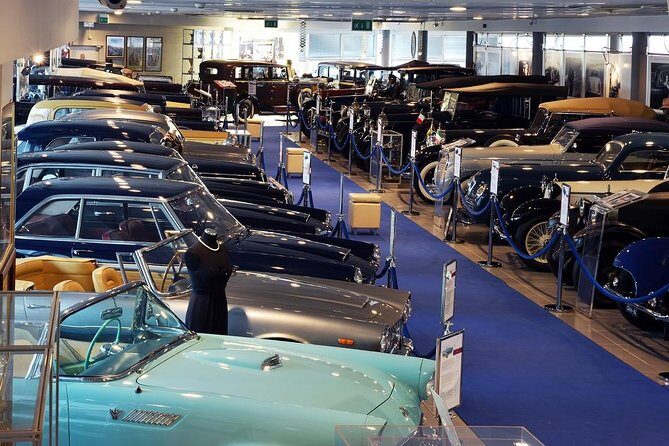
The visit is about 2 hours on average. That’s a healthy amount of time for a museum like this because you can actually walk between categories, read what you want, and still see the main highlights without sprinting.
Here’s how I’d pace it if you want the best experience:
- Start with race and “fast history” rooms first, since those are the attention magnets.
- Then switch to the craft/tech categories (cameras, typewriters/computers, and musical instruments) when your brain is ready for something different.
- End with engines/vehicles that you can look at from multiple angles, since that’s where curiosity tends to slow you down.
Since there’s no guided tour included, your own pace and label-reading are what turn the museum into a learning experience. If you skim everything, you’ll still enjoy it. If you spend a bit of time with the details, it becomes much more rewarding.
What You’ll See: Automobiles, Motorcycles, Airplanes, and More
This museum is organized into themed categories that tell a “distance over time and space” story through transport and technology. The listed categories include automobiles, motorcycles, bicycles, airplanes, musical instruments, cameras, typewriters/computers, motors, racecars, and military objects. That’s a lot of angles on what machines meant in different eras.
The ticket details also mention visiting the 10 collections. The museum description talks about 8 themed categories totaling over 1,000 objects. In practice, the core idea stays the same: you’re moving through many display areas that fit together without needing you to be a full-on car scholar.
Automobiles and Motors: The obvious anchor
Automobiles and motors are your foundation. Expect to see enough variety to compare design trends rather than treating it like one type of car show. Even if you don’t know brands, you’ll start noticing how shape, materials, and engineering priorities changed.



Motorcycles and the 1882 gas milestone
One standout detail is the first motorcycle to run on gas from 1882. That kind of object does something special: it makes the rest of the collection feel less like old junk and more like progress you can picture.
If you’re into tech, motorcycles often give you better visual storytelling than cars because they’re smaller and more exposed. You can spot mechanical ideas more easily, even at a glance.
Bicycles and airplanes: movement beyond road rules
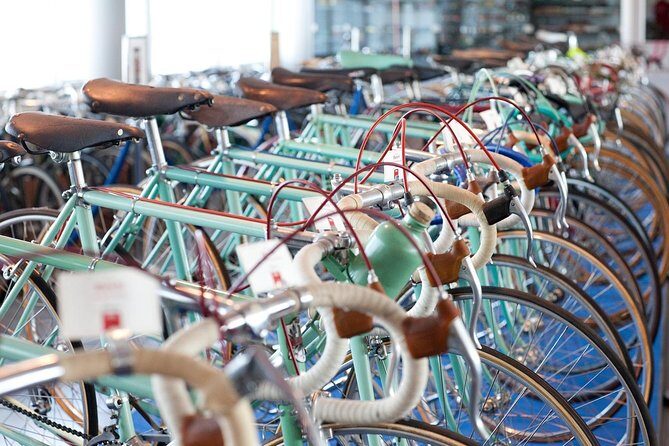
Bicycles and airplanes broaden the story beyond “cars only.” These categories help you see how distance changed when humans gained other ways to move. It’s a good reminder that transport history is bigger than engine history.
Cameras, typewriters/computers, and communication tech
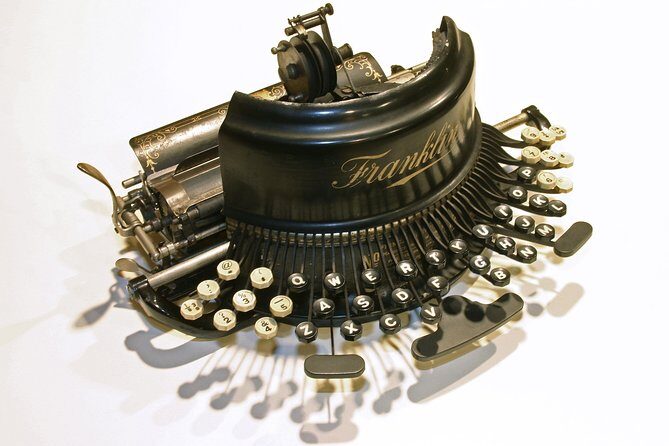
Cameras and typewriters/computers can feel like a detour until you connect them to the same theme: overcoming distance. The museum uses these objects to show how people didn’t only travel—they also recorded and communicated.
If you like design history, this section gives you a different kind of satisfaction than horsepower specs.
Musical instruments: tech with a different purpose
Musical instruments show up as part of the museum’s themed mix. You’re not there to learn music theory. You’re seeing how craftsmanship and technology overlap in a way that makes the museum more human.
The F1 Part: What You Gain Beyond Just Watching Cars
The museum experience has a clear motorsport focus, and the Formula 1 pieces are the headline for a lot of people. You can see rare Formula 1 racecars up close, not just behind glass at a distance.
The ticket also includes 100 F1 steering wheels for 100 cars. That detail is more than trivia. Steering wheels are where a driver’s body meets the machine, and having a big steering-wheel display helps you connect the idea of performance to the tools people used to control it.
If you’re deciding whether this museum is worth it, the F1 element is a strong “yes” for anyone who wants a close-up motorsport fix. If you’re not a motorsport fan, it still works because the racing objects sit inside a broader set of categories that you can explore at your own speed.
Oddball Delight: Cameras, Typewriters, Musical Pieces, and Jukebox Energy
I love when a collection lets you be curious in different directions. Here, the museum doesn’t treat you like you’re only allowed to like one thing.
Cameras and typewriters/computers give you a hands-on style of admiration. You look at them and immediately understand their job. Then you start noticing how the materials, controls, and design feel connected to the same engineering mindset you see in vehicles.
The musical side also brings in fun surprises. One of the most charming aspects from people’s reactions is the mention of jukeboxes as part of what makes the museum feel different. That’s exactly the kind of unexpected item that turns a “car museum” into a “whole technology museum.”
If you’re traveling with someone who’s not obsessed with engines, these sections are often where they relax. They can enjoy the objects as artifacts without needing to know performance specs.
The Layout Matters: How the Collections Feel as a Journey
A lot of museums stack items like shelves. This one aims for categories that help you connect ideas. You can move from road transport to communication tools to flight tech, and it still feels like you’re following a theme.
The collection size also changes how the experience lands. With over 1,000 objects in total (and multiple collections), you’re not stuck with only a few standout rooms. That’s important because it gives you options when you’re tired or not in the mood for one type of object.
Because it’s self-guided, your best plan is simple: choose your “first obsession” and let the rest follow. If you lead with F1, you’ll feel the excitement early. If you lead with older tech like the 1882 motorcycle, you’ll get a stronger sense of progress. Either way, you’re set up to enjoy the museum on your terms.
Price and Value: Why €-Sized Fun Works at $16.90
The price is $16.90 per person for about 2 hours. That’s a fair deal for a museum that covers multiple categories and includes admission. You’re not paying extra just to get in and look around.
Here’s the value logic that matters for your decision:
- Admission is included, so you’re not dealing with a separate ticket purchase on arrival.
- You get the museum visit organized across its collections, with a lot of display material packed into the time window.
- The F1 theme adds a specific, high-interest hook, including the 100 steering wheels detail.
Could you spend less time and rush? Sure. But you’d miss the point. The museum’s real value is in slowing down enough to compare and connect categories.
Also, the museum is booked about 15 days in advance on average. That doesn’t mean you must plan weeks ahead, but it does hint that slots can fill. If you have a tight Verona schedule, don’t leave it to the last minute.
Who Should Book This (and Who Might Skip)
This is a great fit for:
- Car and motorcycle fans who like mechanical detail and variety
- Motorsport lovers who want to see Formula 1 racecars up close
- Curious travelers who enjoy odd pairings like vehicles plus cameras plus typewriters
- Families with kids, as long as kids are accompanied by an adult
Most travelers can participate, but you’ll still want comfortable shoes. This is a “walk and look” experience, not a sit-down show.
If you’re the type who only wants guided storytelling and doesn’t like reading labels, you may feel slightly underfed, since a guided tour is not included. The museum still has plenty to offer, but your enjoyment will depend more on how you explore.
Quick Tips So You Get More From Your Visit
- Give yourself the full 2 hours. Don’t schedule it as a rushed in-and-out stop.
- Start with the room that excites you most, then let curiosity steer you.
- Read the labels at least in the categories you’re most drawn to. That’s where the museum’s objects become a story.
- If you’re with mixed interests, point out the camera/typewriter/musical sections early so everyone feels included.
Should You Book Museo Nicolis in Verona?
If you like machines, technology, and the human story behind how we move and communicate, book it. For $16.90 and about 2 hours, you get a lot of variety: vehicles, motorsport, and surprising categories like cameras and typewriters/computers, all in one place.
I’d skip it only if you’re strongly committed to a guided experience and don’t want to do any label-reading. Otherwise, this is a smart, authentic-feeling stop that rewards attention and keeps things interesting from first room to last.
FAQ
How long is the Museo Nicolis Verona visit?
The experience lasts about 2 hours on average.
How much does it cost?
The price is $16.90 per person.
Is a guided tour included?
No. A guided tour is not included, and the visit is self-paced.
Where does the experience start?
It starts at V.le Postumia, 71, 37069 Villafranca di Verona VR, Italy, and ends back at the same meeting point.
Is this a private experience?
Yes. It is described as private, meaning only your group will participate.
Can I cancel for a refund?
Yes. Free cancellation is available up to 24 hours in advance for a full refund.