REVIEW · VERONA
Solferino Ticket Valid for Visit to the Museum and the Rocca
Book on Viator →Operated by Torre di San Martino · Bookable on Viator
History climbs better than you expect. This ticket bundles the Museo Risorgimentale di Solferino and the Rocca fortress, then adds two short, free places tied to the Battle of June 24, 1859 and the Red Cross story. You’re basically moving through three emotional “layers”: objects, walls, and remembrance.
I especially like how focused the museum feels. It’s small, with three rooms packed with cannons, sidearms and firearms, uniforms, paintings, and Risorgimento prints, plus an outdoor statue honoring Henry Dunant. I also love the Rocca approach: you don’t just see a view, you earn it with an easier ramp-style climb and terrace panoramas that stretch toward Sirmione and Lake Garda.
One thing to consider: this visit is self-guided. There’s no in-person guide included, so the experience lives or dies by signage and the included smartphone app—great if you’re okay wandering at your own pace, less great if you want a talk-your-way-through expert.
In This Review
- Key highlights at a glance
- Solferino in One Ticket: Museum, Rocca, and Red Cross Remembrance
- Price and Value for a 2-Hour Self-Guided Visit
- Museo Risorgimentale di Solferino: Three Rooms of Artifacts and the Henry Dunant Link
- Rocca di Solferino: A Fortress Climb and Battle Relics at the Province’s High Point
- Cappella-Ossario di Solferino and the Red Cross Memorial: Short, Free, and Direct
- Smartphone App in English: How to Make a Self-Guided Tour Actually Work
- Timing, Opening Hours, and How to Plan the Route
- Who This Tour Suits Best (and Who Might Want Something Else)
- Should You Book This Ticket?
- FAQ
- How long does the visit take?
- What’s included in the ticket price?
- Is there an in-person guide?
- What language is available?
- Where do the free stops happen?
- What are the opening hours?
- Is the ticket valid only on one day?
- Can I travel with a service animal?
- What if I need to cancel?
- How many people are in a group?
Key highlights at a glance
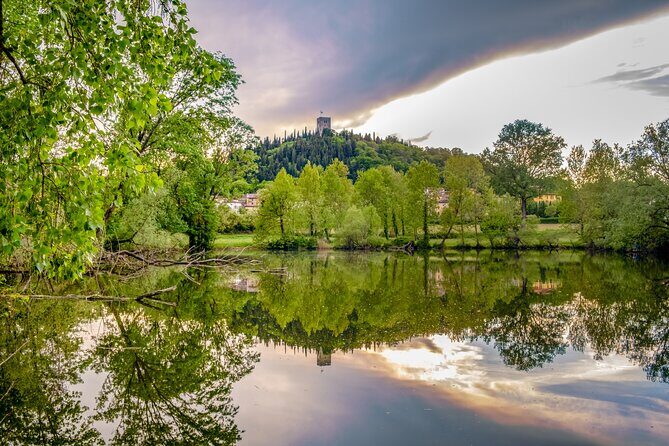
- Museum that stays tight and readable: three rooms, battle artifacts, uniforms, prints, and paintings
- Rocca tower with a ramp climb that feels much easier than stairs
- Big terrace views you can enjoy at the top, including the direction of Sirmione and Lake Garda
- Battle-focused relics inside the Rocca, plus a solemn Hall of the Sovereigns
- Free reflection stops: Cappella-Ossario and the Red Cross memorial
Solferino in One Ticket: Museum, Rocca, and Red Cross Remembrance
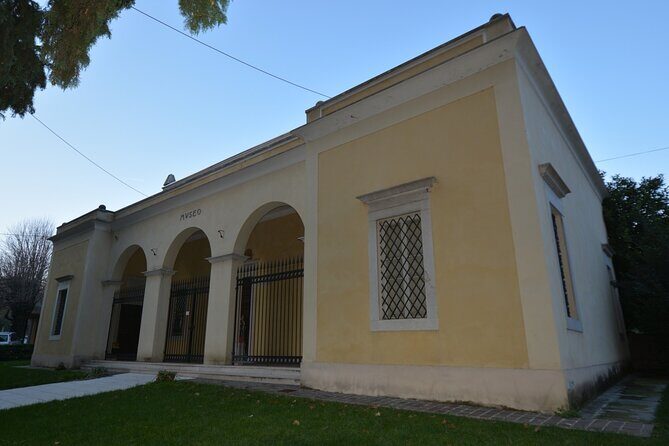
This is the kind of ticket that helps you understand a place quickly, without turning it into a rushed checklist. You’ll spend about 2 hours total, with timed stops that match what the sites are best at: museum viewing, a fortress climb, then short moments of remembrance.
What ties it all together is the date—June 24, 1859—and the way that day connects to the Red Cross. In the museum area you’ll run into Henry Dunant’s legacy, and near the Rocca you’ll find the ossuary and a Red Cross memorial.
If you like travel that’s more “facts you can see” than “things you just photograph,” this works well.
You can also read our reviews of more tours and experiences in Verona


Price and Value for a 2-Hour Self-Guided Visit
At about $7.45 per person, you’re paying for entrance to two main sites plus two free add-ons. That’s strong value if you can handle a self-directed route, because the ticket covers the core entrances and you don’t have to book separate admission.
A big practical win: the ticket is valid for 7 days. So if you arrive late in the day, or the weather changes your plan, you have flexibility to fit it in when the opening hours work.
Time-wise, plan around the actual pacing:
- Museo Risorgimentale di Solferino: about 1 hour
- Rocca di Solferino: about 1 hour
- Cappella-Ossario di Solferino: about 15 minutes
- Memoriale della Croce Rossa: about 15 minutes
You’ll also want a little extra buffer for the climb and photo breaks.
Museo Risorgimentale di Solferino: Three Rooms of Artifacts and the Henry Dunant Link

The Museo Risorgimentale di Solferino is intentionally small. That’s a good thing. You won’t get lost in a maze of galleries—you’ll move through three rooms that stay on theme and keep you close to the objects that tell the story.
Inside, you’ll see weapons and military gear in a very direct way: cannons, sidearms and firearms, uniforms, plus paintings and Risorgimento prints. The tone is educational rather than theatrical, so it’s the sort of place where you can actually read labels and take your time.
Outside, look for the statue dedicated to Henry Dunant, founder of the Red Cross. Even if you only know his name from history class, this statue gives you a human entry point before you move on to the ossuary and memorial.
What I like: the museum’s tight focus means you don’t waste time. You leave with a clearer sense of what was present on and around that battle day.
Possible drawback: since the museum is only a few rooms, people who want a long, deep museum session may feel the stop ends sooner than they’d like.
Rocca di Solferino: A Fortress Climb and Battle Relics at the Province’s High Point
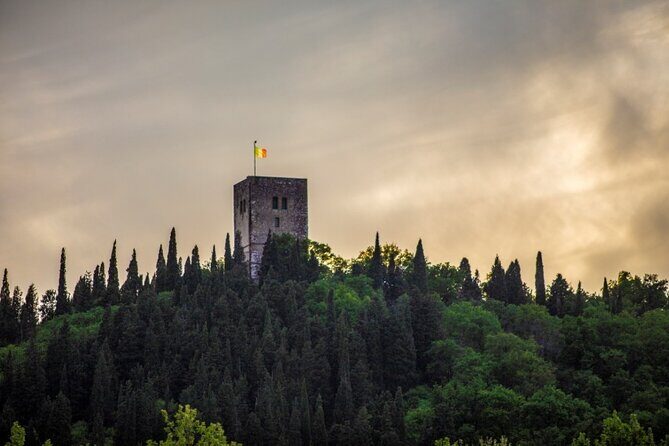
The Rocca di Solferino is the main visual payoff. It’s described as a millenary fortress—so you’re not just touring a room, you’re entering a long-standing structure shaped by time and conflict.
Inside you’ll find relics related to the Battle of June 24, 1859, plus a solemn Hall of the Sovereigns. The combination matters: relics connect you to specific material history, while that hall sets a different emotional register—quiet and formal.
Then comes the terrace. This is the part you’ll remember even after you’ve forgotten a few names on museum labels. The Rocca sits at the highest point in the Province of Mantua, and the terrace view is the reward.
One practical detail that makes the whole experience better: the tower climb uses a ramp with a gentle incline rather than making you do only stairs. In real life terms, that means fewer “stop-and-breathe” moments and more time enjoying the route up and the structure as you go.
What to expect on top: a panoramic view that reaches toward Sirmione and Lake Garda. Even on a day that isn’t postcard-perfect, the direction and breadth of the view give you a sense of the wider region.
Small consideration: outdoor areas can have the normal traces of age and weather—so don’t be surprised if you notice a little cobwebbing along the way, especially up where the tower gets less cleaning attention.
Cappella-Ossario di Solferino and the Red Cross Memorial: Short, Free, and Direct
Right near the Solferino museum area, the Cappella-Ossario di Solferino offers a different kind of learning. It’s an ossuary that houses remains of the fallen from the Battle of June 24, 1859, and it’s free.
This is not a long stop, but it’s a meaningful one—plan about 15 minutes. If you’re the type who rushes through memorials, set a timer so you don’t lose the point of it.
A little farther in the park area near the Rocca is the Memoriale della Croce Rossa, also free and also about 15 minutes. Taken together with the museum statue and Henry Dunant’s connection, these spots help you see how the story grew beyond one battle: from suffering to a humanitarian response meant to limit future tragedies.
How to handle these emotionally: keep it simple. Look, read what you can, then move on. This route works best when you don’t try to turn it into a “write a thesis in your head” experience.
You can also read our reviews of more museum experiences in Verona
Smartphone App in English: How to Make a Self-Guided Tour Actually Work

Because there’s no in-person guide included, you’ll want to use what’s provided. Included with your ticket is the option to download the At the Museum with the Smartphone app.
For a self-guided experience, this matters. You can wander freely, but you still want context as you go—otherwise the artifacts and rooms become just “things to look at.” With an app designed for this visit, you get help in staying oriented and understanding what you’re seeing, in English.
My practical advice: don’t wait until you’re standing in front of the first display to think about your phone. Download it ahead of time if you can, then use it as you move room to room and up toward the tower.
Timing, Opening Hours, and How to Plan the Route
The visiting window runs from 05/08/2026 to 10/15/2026, and the site is open Tuesday to Sunday. Hours are 9:00 AM–12:30 PM and 2:30 PM–7:00 PM.
The tour duration is about 2 hours, which matches the timed stops. That’s a nice length for a day trip plan because you don’t feel trapped. You can pair it with lunch or another Lake Garda-area activity without your whole day being “Solferino hours only.”
One more route detail: the activity ends in a different location. So even though you’re seeing multiple sites together, don’t assume you’ll finish back at the same entrance point. Build a little mental slack—have your next stop planned nearby, or plan on a short walk or local transit between them.
Who This Tour Suits Best (and Who Might Want Something Else)
This is a great fit if you:
- want a small, manageable museum experience rather than a full-day museum marathon
- enjoy views from towers and historic forts
- like learning through objects and settings tied to a specific event (June 24, 1859)
- are okay traveling at your own pace using a smartphone app
It may feel less ideal if you:
- want an in-person guide to explain context and answer questions
- prefer longer museum time and lots of rooms
- need a heavily structured tour with constant guidance
On the plus side, service animals are allowed, and the experience notes that most people can participate—so it’s not the kind of activity you’d automatically rule out without thinking.
Should You Book This Ticket?
I’d book it if you want maximum story per hour. For the price, you get two main admissions plus two free memorial-style stops, and the pacing is sensible: museum, fortress climb, then short reflective moments.
The biggest reason to choose it is the mix: weapons and uniforms you can see, fortress relics you can walk through, and then the ossuary and Red Cross memorial that make the whole thing feel grounded. If that combination sounds like your kind of travel day, this ticket is a strong yes—and it’s especially easy to fit in because you’re not locked into a guided schedule.
If you tell me what day you’re visiting and where you’ll be starting from, I can suggest a simple “morning vs afternoon” plan around the opening hours.
FAQ
How long does the visit take?
Plan for about 2 hours in total, with about 1 hour at the museum, 1 hour at the Rocca, and two shorter free stops of about 15 minutes each.
What’s included in the ticket price?
You get entrance tickets to the Rocca di Solferino and the Museo Risorgimentale di Solferino. You also get the free admission stops for the Cappella-Ossario di Solferino and the Memoriale della Croce Rossa, plus access to download the At the Museum with the Smartphone app.
Is there an in-person guide?
No. The visit is autonomous, and the guided tour is not included for either the museum or the Rocca. You’ll rely on the smartphone app and onsite information.
What language is available?
The experience is offered in English.
Where do the free stops happen?
The Cappella-Ossario di Solferino is near the Solferino museum, and the Memoriale della Croce Rossa is in the park near the Rocca di Solferino.
What are the opening hours?
From 05/08/2026 to 10/15/2026, it’s open Tuesday to Sunday 9:00 AM–12:30 PM and 2:30 PM–7:00 PM.
Is the ticket valid only on one day?
No. The ticket is valid for 7 days.
Can I travel with a service animal?
Yes, service animals are allowed.
What if I need to cancel?
This experience is non-refundable and cannot be changed for any reason. If you cancel or ask for an amendment, the amount you paid will not be refunded.
How many people are in a group?
There is a maximum of 25 travelers for this activity.