REVIEW · VERONA
Verona: Palazzo Maffei House Museum Entry Ticket
Book on GetYourGuide →Operated by GetYourGuide Tours & Tickets GmbH · Bookable on GetYourGuide
A private-house feel makes this museum special. Palazzo Maffei House Museum pairs Noble Floors with a cabinet-of-curiosities hang, so classic and modern art talk to each other instead of sitting in separate worlds. I love that you can see a sweeping span of 600+ works from the 14th century to today, and I also like the way major names like Picasso and Duchamp fit right into the flow rather than feeling shoehorned in. One thing to consider: this is entry-only, not a guided tour, so the experience depends more on how you like to explore on your own.
You’ll find the museum in Verona’s historic center at Piazza delle Erbe, a handy spot for building the visit into a day of walking. The second half shifts into a more gallery-like rhythm, with strong emphasis on Futurism and Metaphysical art. It’s wheelchair accessible, and you’ll book a time slot (check availability for starting times).
In This Review
- Key highlights worth planning for
- Why Palazzo Maffei House Museum feels different from typical Verona museums
- Piazza delle Erbe and picking your entry time without stress
- Your first rooms: Noble Floors and the cabinet-of-curiosities feeling
- The second half: Futurism and Metaphysical rooms in a gallery-like flow
- Big modern names: Picasso and Duchamp alongside the Italian innovators
- How long to plan: stretching a museum stop into a full Verona day
- Value check: Is the $21 ticket worth it for your day?
- Who should book Palazzo Maffei—and who might skip it
- FAQ
- FAQ
- Where is the Palazzo Maffei House Museum located?
- How much is the entry ticket?
- Is this ticket for a guided tour?
- How long should I plan for the visit?
- What art range will I see?
- Which artists are highlighted in the collection?
- Is the museum accessible for wheelchair users?
- Is the ticket refundable?
- Should you book this Palazzo Maffei entry ticket?
Key highlights worth planning for
- Piazza delle Erbe location: central Verona, easy to pair with nearby sights on foot
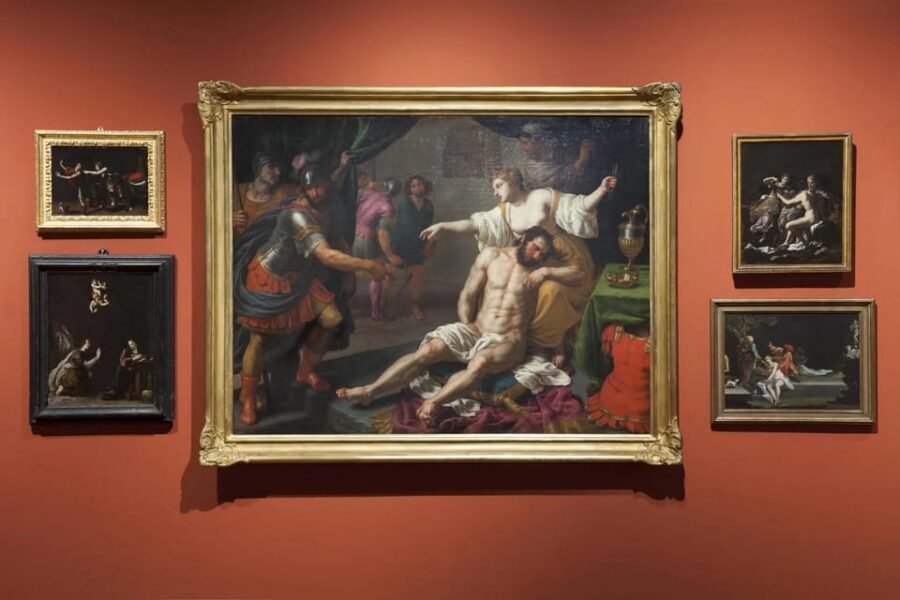
- A 600+ work collection: the story of art across centuries, not just one period
- Noble Floors layout: classic works mixed with modern pieces in a private-residence feel
- Futurism and Metaphysical focus: expect standout names like Boccioni, Balla, and de Chirico
- International modern masters: Picasso and Duchamp show up alongside the Italian vanguard
Why Palazzo Maffei House Museum feels different from typical Verona museums
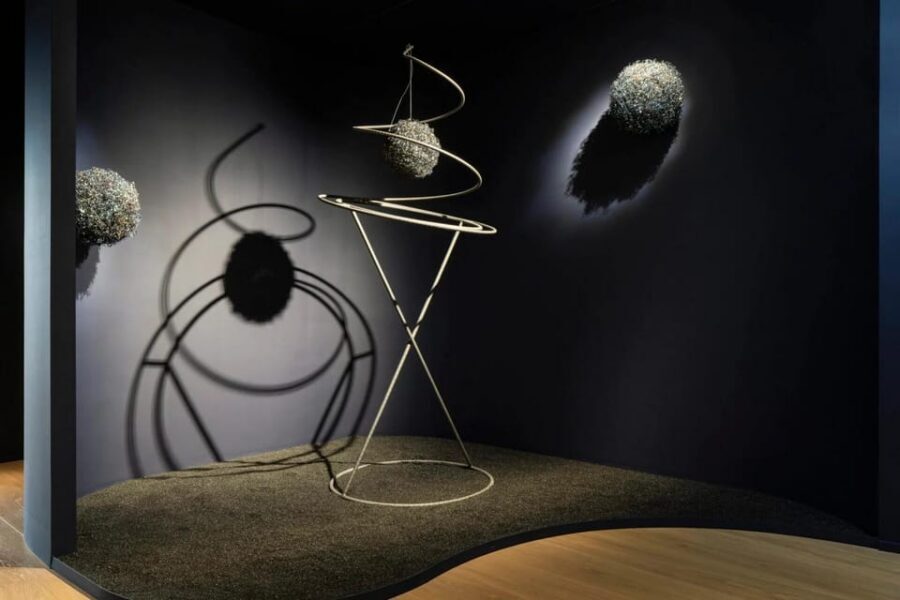
Palazzo Maffei works because it doesn’t treat art like a checklist. The museum is set up to feel like you’re stepping into a collector’s home, not marching through an impersonal warehouse. In the first rooms, the “private residence” vibe matters: you’re moving through spaces designed to make you slow down and notice how one piece relates to the next.
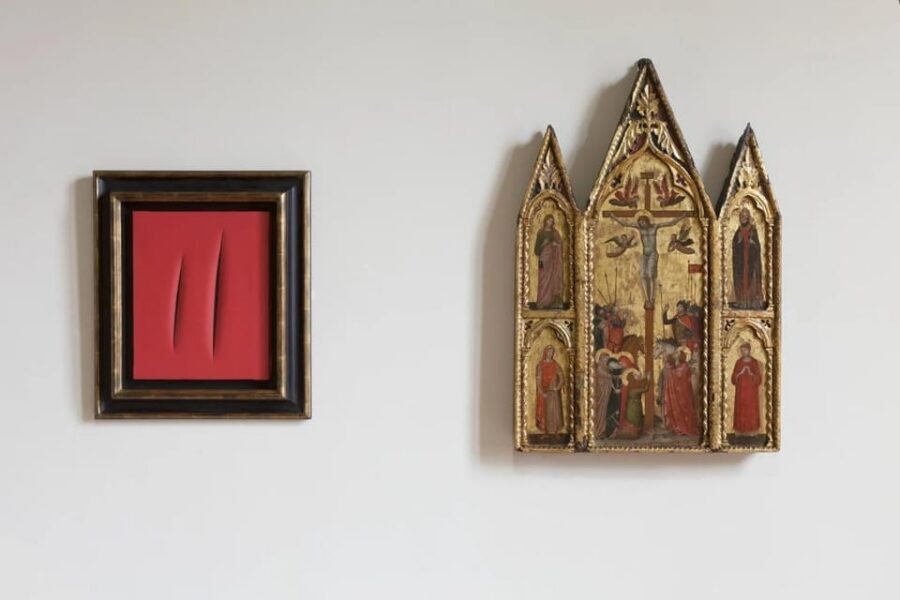
I particularly like the way the museum uses contrast. You start with artworks from earlier periods and then you see how modern art reframes what came before. That “conversation” is the whole point here—classic and contemporary aren’t filed away; they’re placed to create tension and surprise.
Also, the architecture itself earns its keep. The historic Palazzo Maffei setting adds texture to what you’re seeing. Even when you’re not studying the details, the rooms help you understand why a collector like Luigi Carlon would want to preserve and display his finds this way.
You can also read our reviews of more tours and experiences in Verona
Piazza delle Erbe and picking your entry time without stress
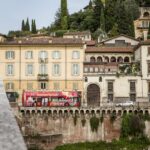
The museum’s location at Piazza delle Erbe is the kind of detail that saves you energy. When you’re staying in central Verona, you don’t need a bus plan or extra taxi budgeting. You can slot this in before lunch, after a morning walk, or right after your main sights.
Because it’s a timed entry ticket (starting times depend on availability), I recommend choosing a slot that gives you breathing room. If you’re already in the middle of sightseeing, you don’t want to arrive sweaty and rushed. Verona’s historic center is walk-heavy, and the museum is only one stop—so treat it like a calmer pause.
One practical tip based on what can go wrong: ticket scanning can be temperamental. In at least one case, tickets didn’t scan, yet staff still allowed entry. Bring your confirmation in a clear form (on your phone with brightness up, or a saved screenshot). Arriving a few minutes early also helps if there’s any technical snag at the entrance.
Your first rooms: Noble Floors and the cabinet-of-curiosities feeling
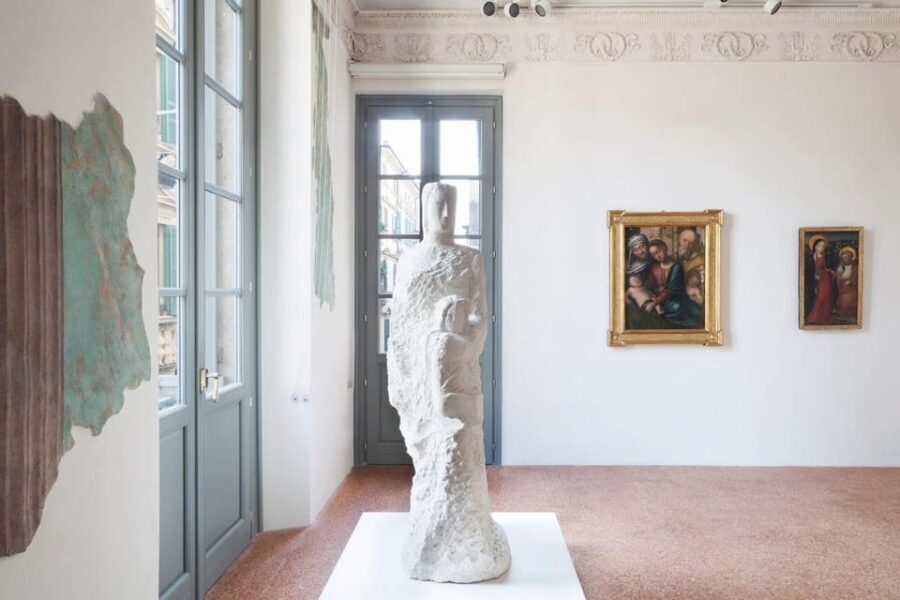
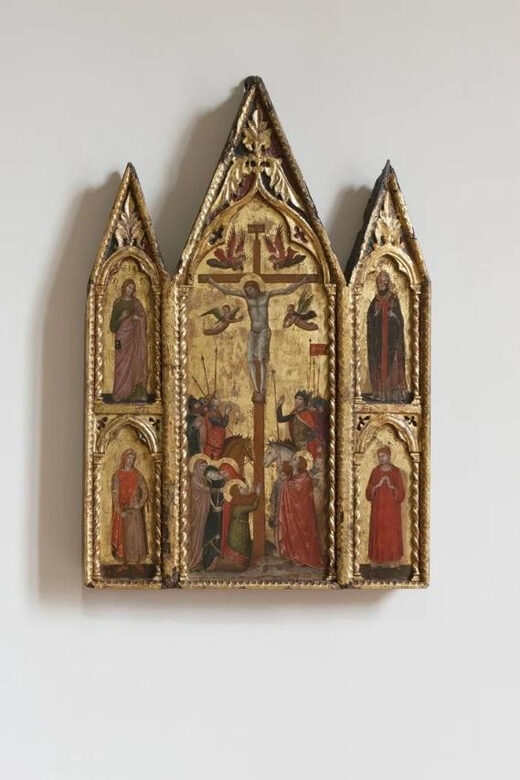
Your visit starts on the Noble Floors, designed to recreate the atmosphere of a private residence. This part of the museum is set up like a “cabinet of curiosities” style display—more playful than many museum layouts, and more personal in tone. You’re not just looking at paintings; you’re experiencing a curated sense of collecting.
The key thing to understand is the pacing this layout encourages. Instead of one-room-per-century, you move through spaces where classical works can be interspersed with modern art. That means you’ll often feel a connection you wouldn’t expect—an older style echoing in a newer idea, or a modern shock effect making you re-read an earlier work.
What’s valuable for you here is the way the museum helps you build your own interpretation. Without a guide walking you through an assigned path, the juxtapositions become your learning tool. If you like art that rewards attention, this section is where you’ll feel it most.
Potential drawback: if you want a strict chronological storyline or very structured explanations, you might wish for more context. Since the ticket includes entry but not a guided tour, you’ll rely on the museum’s own labels and your own curiosity.
The second half: Futurism and Metaphysical rooms in a gallery-like flow
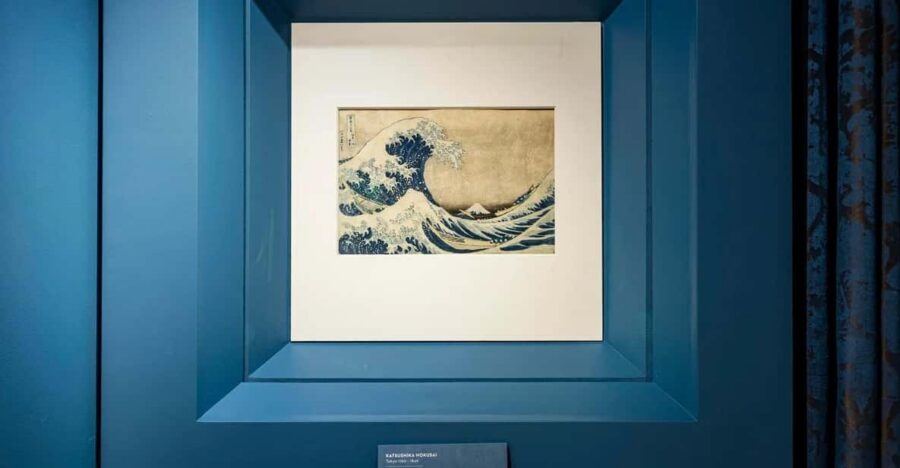
As you move further into the museum, the atmosphere becomes more “gallery-like.” This shift matters because it changes how your eyes work. In the first half, the private-residence layout nudges you to wander and compare. In the second half, the rooms guide you more toward focusing on the art itself.
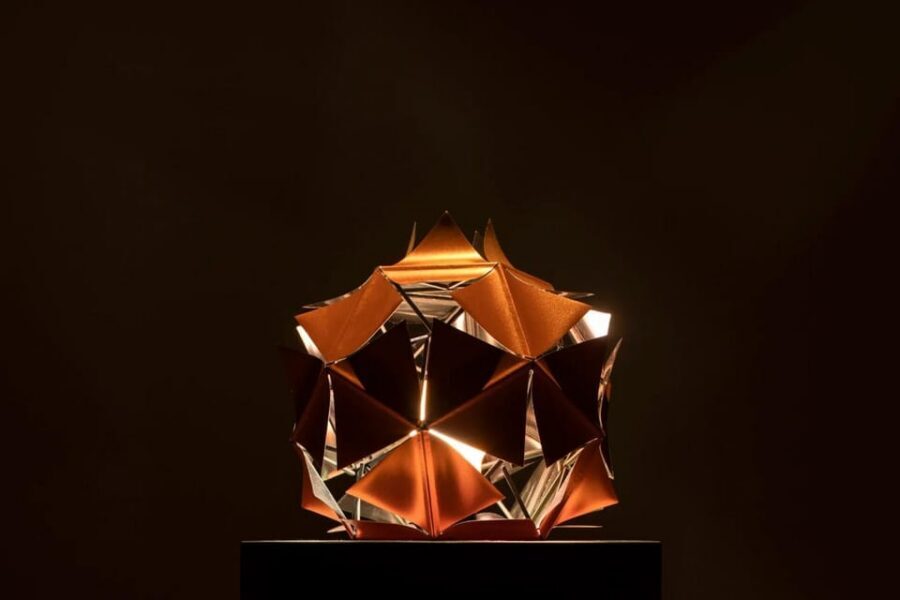
This section is also where the museum makes its priorities obvious. There’s a strong focus on twentieth-century and contemporary art, with particular attention to Futurism and Metaphysical art. That’s your invitation to look for what feels experimental—sharp ideas, new ways of seeing, and artists who were chasing modern life and modern thought.
You can expect to encounter major names tied to those movements. The museum highlights Umberto Boccioni and Giacomo Balla within Futurism, and it gives prominent space to Giorgio de Chirico for Metaphysical art. If you’ve ever wanted to understand why certain modern works feel like they’re staging an atmosphere instead of just depicting a scene, this is the zone where those answers show up.
Big modern names: Picasso and Duchamp alongside the Italian innovators
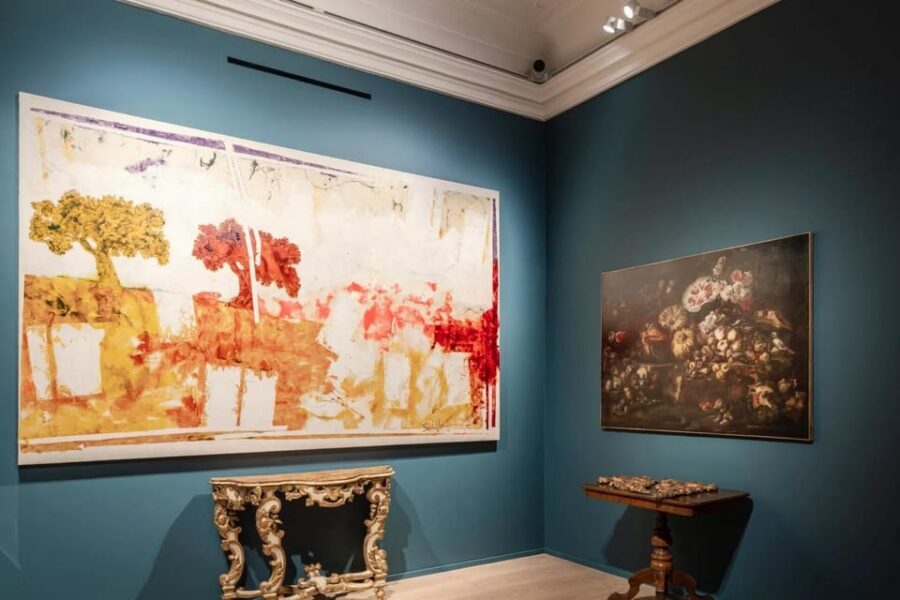
Even if you’re not a specialist, the museum’s lineup gives you anchors. Picasso and Marcel Duchamp are mentioned among the modern international figures in the collection, and they sit in the same broader experience as the Italian Futurists and Metaphysical painters.
I like this for a practical reason: it turns “modern art” from a single confusing wall into a network. When you see Picasso and Duchamp referenced in a museum that also invests serious space in Boccioni, Balla, and de Chirico, it stops feeling like modern art is one uniform style. Instead, you start to notice distinct attitudes—what different artists were trying to do, and how collecting them together changes the story.
The museum also tells a behind-the-scenes kind of story without turning it into a lecture. Because the collection is connected to passionate collecting and cultural preservation, it feels less like a random mix and more like a coherent personal mission—Luigi Carlon’s initiative is part of that framing.
You can also read our reviews of more museum experiences in Verona

How long to plan: stretching a museum stop into a full Verona day
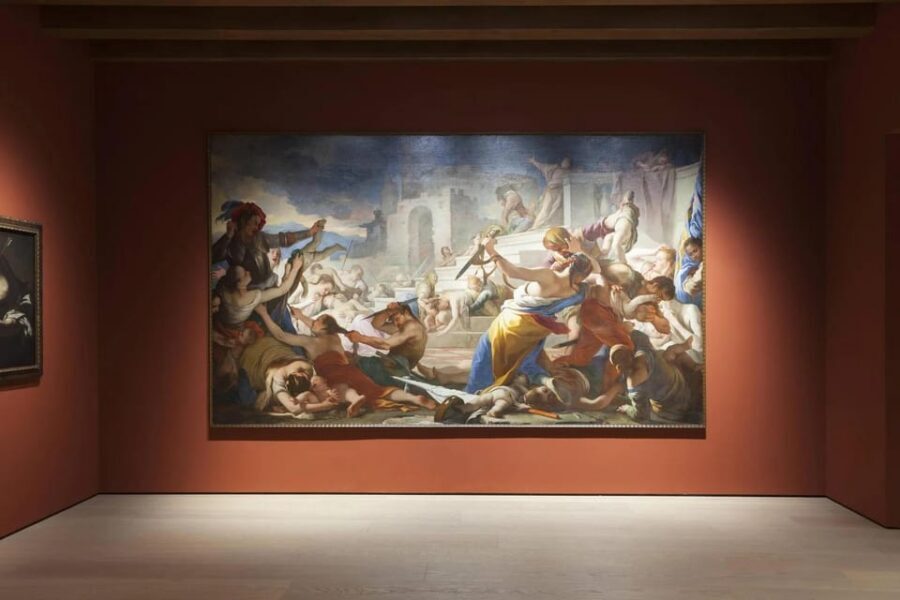
The ticket is listed as a one-day experience. That doesn’t mean you’ll rush for hours, but it does mean you can treat the museum as one chapter in a longer Verona plan.
Here’s the approach I’d use if I were building your day:
- Give yourself enough time to really see both halves. The first half is about contrasts and layout, while the second half is about focused art movements.
- Don’t underestimate the time you’ll spend just standing and looking. The museum’s display style encourages it, especially on the Noble Floors.
- If you’re also visiting other Verona sights that day, choose a time slot that keeps you from feeling like you’re sprinting between stops.
Since this is self-guided and not a guided tour, you’ll control the pace. If you’re the type who reads labels closely, you’ll naturally spend longer. If you’re more of a “quick scan then linger on what grabs you” person, you can still have a satisfying visit.
Value check: Is the $21 ticket worth it for your day?
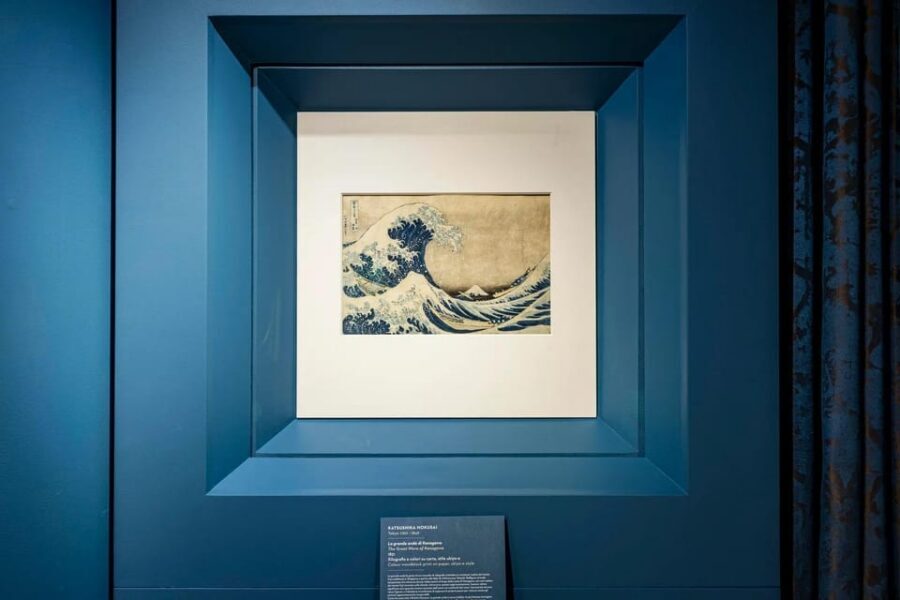
At about $21 per person, the value mostly depends on what you want from a museum afternoon.
This ticket includes museum entry, and you’re paying for access to a collection that spans from the 14th century to today, across 600+ artworks. That range is unusual for smaller city-center museums, and it can save you from needing multiple stops to cover different eras of art.
Also, the location at Piazza delle Erbe adds value you feel immediately. You’re not spending energy relocating, waiting for transport, or reworking your day around a remote museum. The time you save can become better sightseeing elsewhere.
Where the price won’t feel like a bargain is if you specifically want a guided tour experience. Since guided tours aren’t included, you won’t get a built-in explanation track. If you love learning through conversation, you might prefer a tour format. But if you enjoy discovering at your own speed, the entry-only setup can be exactly right for you.
Who should book Palazzo Maffei—and who might skip it
Book it if you:
- Like art that crosses time periods and you enjoy seeing how different centuries speak to each other
- Want a Verona museum that feels personal and architectural, not only didactic
- Are curious about modern movements, especially Futurism and Metaphysical art
- Appreciate big names like Picasso and Duchamp when they’re placed in a broader context
You might think twice if you:
- Want a guided tour with a structured explanation from start to finish
- Prefer strictly chronological museum storytelling without “mixed eras” contrasts
Overall, I’d place Palazzo Maffei House Museum as a strong choice for travelers who want quality time indoors without losing the sense of being in the heart of Verona.
FAQ
FAQ
Where is the Palazzo Maffei House Museum located?
It’s located in the historic center of Verona at Piazza delle Erbe.
How much is the entry ticket?
The price is $21 per person.
Is this ticket for a guided tour?
No. Museum entry is included, but a guided tour is not included.
How long should I plan for the visit?
The activity is listed as lasting 1 day, and you should check availability to see starting times.
What art range will I see?
The museum collection includes over 600 artworks from the 14th century up to today.
Which artists are highlighted in the collection?
The description highlights artists including Picasso, Duchamp, Umberto Boccioni, Giacomo Balla, and Giorgio de Chirico.
Is the museum accessible for wheelchair users?
Yes, it’s listed as wheelchair accessible.
Is the ticket refundable?
The activity is non-refundable.
Should you book this Palazzo Maffei entry ticket?
I’d book it if you want a Verona museum stop that mixes centuries and styles in a collector-like setting. The Noble Floors contrast, plus the Futurism and Metaphysical focus in the later rooms, makes it a smart choice even if you’re only in Verona for a short time. If you need a guided lecture to make modern art click, then you may want a guided option instead—but for self-directed art lovers, this one is an efficient, central win.