REVIEW · VENICE
two-hour walk from Rialto to San Marco between history, traditions and art
Book on Viator →Operated by Tour Leader in Venice · Bookable on Viator
Venice snaps into focus fast. This two-hour, private walk from Rialto to San Marco is built around the way Venice works: markets, family-run traditions, and art you can actually see. I love how Alessandro (a Venice native) tells the stories with real affection, not a lecture voice. One heads-up: Basilica di San Marco has strict dress and baggage rules, so you’ll want to show up prepared.
I also like the “time saved” feeling here. You get skip-the-line access for the basilica moment, plus a route that connects Rialto commerce to the power centers of San Marco in a way that’s easy to follow. The only drawback I’d plan around is that inside San Marco you can’t take photos or video, and you’ll be sharing the basilica visit with crowd energy.
In This Review
- Key highlights for this Rialto to San Marco walk
- Why this short walk hits harder than a long checklist
- Rialto Market and the commerce that shaped Venice then and now
- Fondaco dei Tedeschi: the bridge between trade and art
- Acqua alta library: seeing Venice’s relationship with water
- Piazza San Marco and the Basilica di San Marco: timing, dress, and rules
- Colleoni’s equestrian monument and the San Giovanni e Paolo area
- Price and value: what you’re really paying for at $139.93
- Who this tour fits best (and who should reconsider)
- Should you book this Rialto to San Marco walk?
- FAQ
- How long is the tour from Rialto to San Marco?
- How much does the tour cost?
- Where do I meet the guide, and where does the tour end?
- Is this a private tour?
- Are basilica entry tickets included in the price?
- What clothing do I need for entering Basilica di San Marco?
- Can I take photos or videos inside Basilica di San Marco?
- Do I need to pay any extra access fee, and what about weather?
Key highlights for this Rialto to San Marco walk

- Alessandro, a Venice-born guide, leads the walk with energy and context you can use as you explore on your own
- Rialto Market to Piazza San Marco in about two hours, with big sights packed in without feeling like a sprint
- Fondaco dei Tedeschi interior and the stop tied to Marco Polo’s home area
- Acqua alta library visit, a quick but memorable stop that explains why Venice fears—and designs around—water
- San Marco skip-the-line, with clear rules (dress, no backpacks, no photos inside)
- Equestrian Statue of Bartolomeo Colleoni plus the nearby San Giovanni e Paolo area, with a short chance to reset
Why this short walk hits harder than a long checklist
Venice can overwhelm you fast: one canal looks like another until you learn the “logic” of the city. This route helps you read that logic. Starting at Rialto, you move from the trading heart into the ceremonial heart of San Marco, so every stop has a job.
I like the pacing for this kind of intro. Two hours is long enough to feel the city’s personality, but short enough that you don’t end up exhausted in the middle of the day. And since it’s private, you can ask questions without the usual group-stops-stops-stops rhythm.
One more practical win: the walk is organized so you’re not constantly guessing where to go next. You’ll cross the famous grand canal bridge, then keep threading through the central districts that shape Venice’s identity.
You can also read our reviews of more walking tours in Venice

Rialto Market and the commerce that shaped Venice then and now
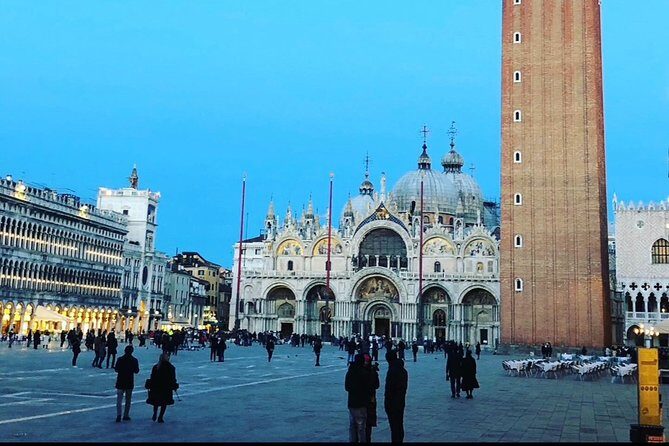
The tour begins at Rialto and immediately anchors you in how Venice made its money: trade, shipping, and the kinds of businesses that turned a lagoon city into a powerhouse.
You’ll spend time at the Rialto market area and see the “commerce story” that connects the Republic-era mindset to today’s reality. This is more useful than it sounds. If you know what Rialto meant to Venice, you’ll look at modern shops with less confusion and more curiosity—why they’re where they are, and why Venice still organizes life around key public spaces.
Also, Rialto is one of those areas where streets can feel crowded and confusing. Having a local guide like Alessandro makes it easier to move without losing time, especially during peak hours.
Fondaco dei Tedeschi: the bridge between trade and art
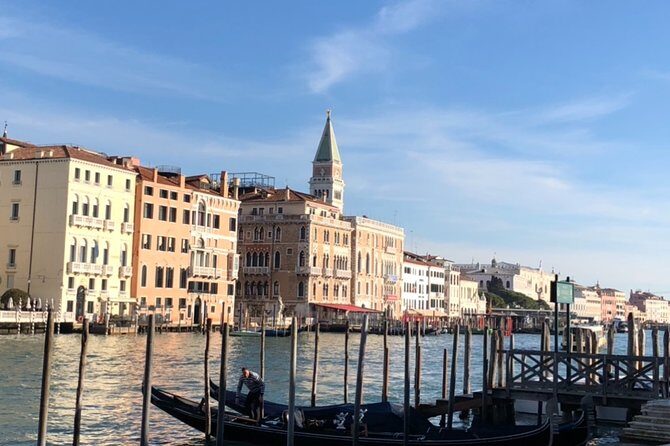
A standout stop is the Fondaco dei Tedeschi interior. Even if you’ve seen photos, the value here is how the guide connects the place to Venice’s trading network. Fondaco buildings were designed for merchants and commerce—so when you step inside, you’re looking at a structure made for movement, deals, and power.
From there, you continue toward the area associated with Marco Polo’s home. This isn’t just name-dropping. The point is to show you how Venice turned travelers into part of its story—and how trade and reputation traveled together.
If you enjoy “place plus meaning,” this is the moment you’ll appreciate most. You’re not only seeing architecture; you’re learning what that architecture was built to do.
Acqua alta library: seeing Venice’s relationship with water
Then you reach Campo San Giovanni e Paolo and the Acqua alta library. This stop is short, but it explains a lot about Venice’s mindset. The city isn’t fighting water only with luck; it’s dealing with it by design, storage, and daily habits.
The library is a good example of that attitude: playful, practical, and tied to the reality of high water. It’s also a nice visual reset. After market and grand-canal energy, you get a calmer pocket where you can absorb the city in a different way.
If your Venice day feels too “museum-y,” this is one of the spots that turns the city back into a living place.
Piazza San Marco and the Basilica di San Marco: timing, dress, and rules
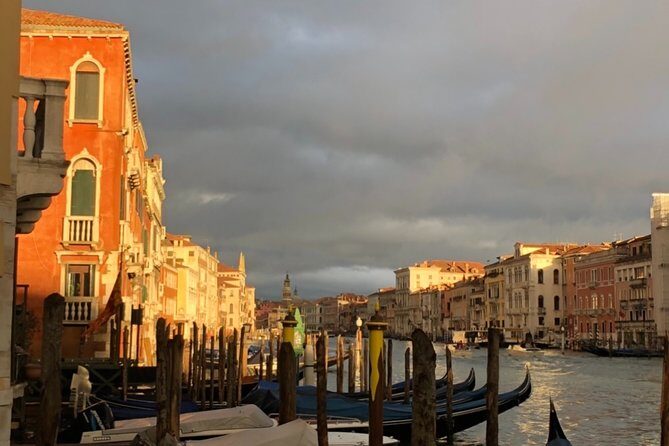
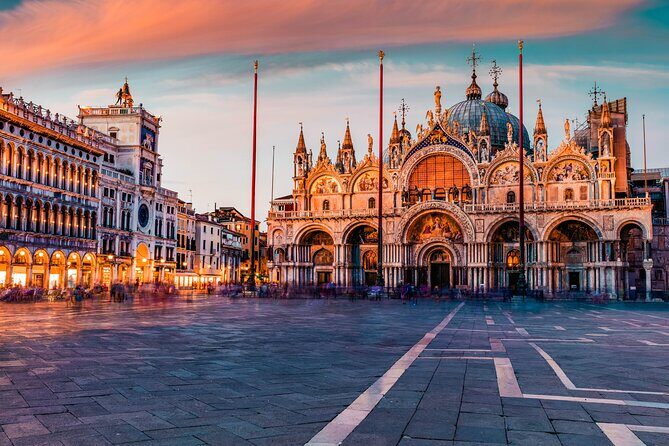
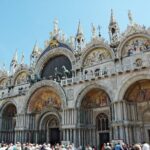
Eventually you arrive at Piazza San Marco, where you’ll have the chance to visit the Basilica di San Marco with skip-the-line access. This is the big practical reason to do this walk. You’re already in the right zone, and the guide helps you arrive at the right time for the visit.
But you need to know the rules in advance:
- You must cover your shoulders with a scarf
- Your legs must be covered to at least the knee
- You cannot enter with backpacks or large bags
- Inside the basilica, photos or videos aren’t allowed
These rules matter because San Marco has no patience for last-minute improvising. If you show up with a big backpack or sleeveless top, you’ll lose time at the exact moment you’re trying to save it.
The guide also helps you understand what you’re looking at while you’re there. One guest noted that Alessandro uses visual aids in his binder to help explain history fast. That’s a real quality-of-life detail: you can connect what you see to what you’re hearing without getting lost.
You can also read our reviews of more historical tours in Venice



Colleoni’s equestrian monument and the San Giovanni e Paolo area
Near the end, the walk includes the Equestrian Statue of Bartolomeo Colleoni. This is a powerful object and an easy way to remember Venice’s militarized past. Colleoni was a mercenary figure who fought for both Venice and Milan in the 15th century, so the statue is doing more than decorating a square.
In the same area, you also get a look at the Gothic church of San Giovanni e Paolo and the large school of San Marco. Together, these stops help you see Venice’s social structure. People weren’t only powered by ships; they were powered by religious institutions, civic pride, and the arts patronage that came with status.
There’s also a chance for a 10-minute break here. In Venice, that matters. Even short pauses help your feet recover before you keep exploring on your own.
Price and value: what you’re really paying for at $139.93
At $139.93 per person for about two hours, this tour isn’t a cheap add-on. You’re paying for three things that are hard to recreate on your own:
- A local guide with real context
Alessandro’s passion comes through in how he ties places to traditions, art, and the logic of neighborhoods.
- Skip-the-line handling for San Marco
When you’re aiming at one of the most crowded interiors in Venice, reducing the time you stand around is worth real money.
- A route that stitches key areas together
Instead of bouncing between must-sees, you get a guided thread from Rialto’s trading identity to San Marco’s ceremonial identity, with smart stops like Fondaco and Acqua alta that people often miss.
Add in that it’s private—only your group participates—and it starts to feel more like value than expense. If you’re traveling as a small unit and want an efficient, story-driven intro, the price makes sense.
One thing to plan around: depending on your dates, people staying outside Venice who are visiting for the day may need to pay an extra €5 access fee. Check the city guidance linked on the tour info before you go.
Who this tour fits best (and who should reconsider)
This is a great fit if you want a fast, meaningful Venice primer with strong storytelling. I’d especially recommend it for first-timers who don’t want to spend their only day in long lines or asking strangers where to go next.
It also works well for returning visitors who feel they’ve seen the big landmarks already. The route includes places that connect more than just the postcard parts of Venice—like Fondaco dei Tedeschi and Acqua alta—so you’ll likely learn something even if you’ve been before.
You might reconsider if you:
- Hate being constrained by dress rules (San Marco needs covered shoulders and knees)
- Need constant photo opportunities (no photos or videos inside the basilica)
Should you book this Rialto to San Marco walk?
I’d book it if you want Venice with structure and heart. Alessandro’s local viewpoint, the skip-the-line basilica visit, and the “trade-to-ceremony” route make this more useful than a loose self-guided stroll.
If you’re okay with the San Marco rules (scarf, knee coverage, no large bags) and you’re fine with the photo restriction inside, this tour gives you a clean way to understand what you’re looking at. And in a city where time gets eaten by crowds, two hours can be a smart move.
FAQ
How long is the tour from Rialto to San Marco?
The tour lasts about 2 hours.
How much does the tour cost?
It costs $139.93 per person.
Where do I meet the guide, and where does the tour end?
You start at Rialto, 30125 Venezia VE, Italy, and the walk ends at Saint Mark’s Basilica in Piazza San Marco.
Is this a private tour?
Yes. It’s private, and only your group will participate.
Are basilica entry tickets included in the price?
The tour includes skip-the-line access for the Basilica di San Marco, but you still need to pay the basilica entrance ticket either in advance or on the spot.
What clothing do I need for entering Basilica di San Marco?
Your shoulders must be covered with a scarf, and your legs must be covered up to the knee.
Can I take photos or videos inside Basilica di San Marco?
No. Photography and video are not allowed inside the basilica.
Do I need to pay any extra access fee, and what about weather?
On certain dates, day visitors staying outside Venice may need to pay a €5 access fee. The experience also requires good weather, and if it’s canceled due to poor weather you’ll be offered a different date or a full refund.