REVIEW · VENICE
Venice: City Pass 30+ sights, St. Marks Museums & Gondola
Book on GetYourGuide →Operated by Turbopass City Pass · Bookable on GetYourGuide
Venice is easier with a City Pass in hand. This one covers 30+ sights with fast-track entry to the big-ticket spots, then adds the stuff that makes Venice feel like Venice: churches, museums, a guided walk, and a gondola on the Grand Canal.
I especially like the way it strings together the Doge’s Palace and St. Mark’s Museums with priority entry, so you can spend less time waiting and more time moving through the city. I also like the all-in mix: a guided walking tour plus a real day out to Murano-Burano-Torcello by boat.
One thing to think about: each included attraction can be visited once, and St. Mark’s Basilica is not included—so you’ll need a little planning so you don’t accidentally miss what you care about most.
In This Review
- Key highlights
- How the Venice City Pass Works (So You Don’t Waste It)
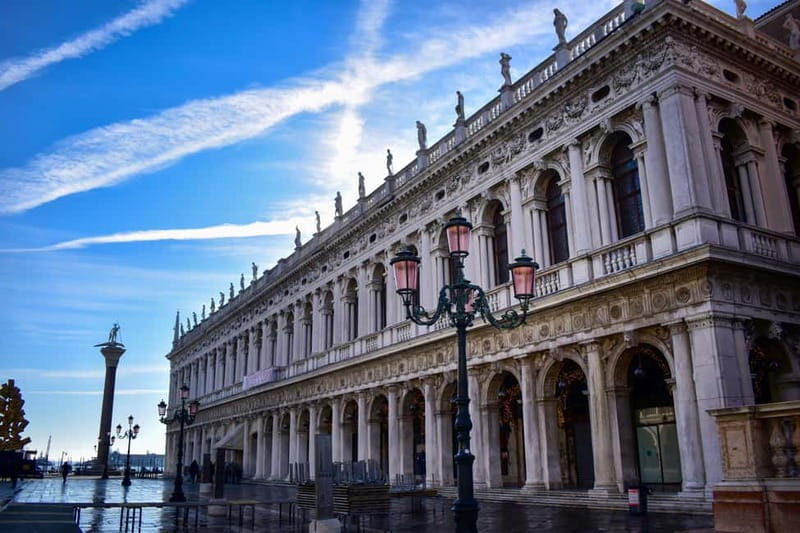
- Priority Entry at the Doge’s Palace and St. Mark’s Museums
- Your Venice Church and Museum Lineup: Chorus Pass + Key Museums
- Guided Walking Tour Through Venice: Use It for Your Bearings
- Gondola Ride on the Grand Canal: The Part You’ll Remember
- Boat Trip to Murano-Burano-Torcello: Venice’s Other Side
- Price and Value: Is $96.18 Really a Deal?
- Quick Planning Notes That Make a Big Difference
- Who Should Book This City Pass (And Who Might Not)
- Should You Book the Venice City Pass?
- FAQ
- What does the Venice City Pass include?
- Does the pass include St. Mark’s Basilica?
- How long is the pass valid?
- Can I visit the same included attraction more than once?
- Is there priority entry for the main sights?
- Do I need a phone to use the pass?
Key highlights
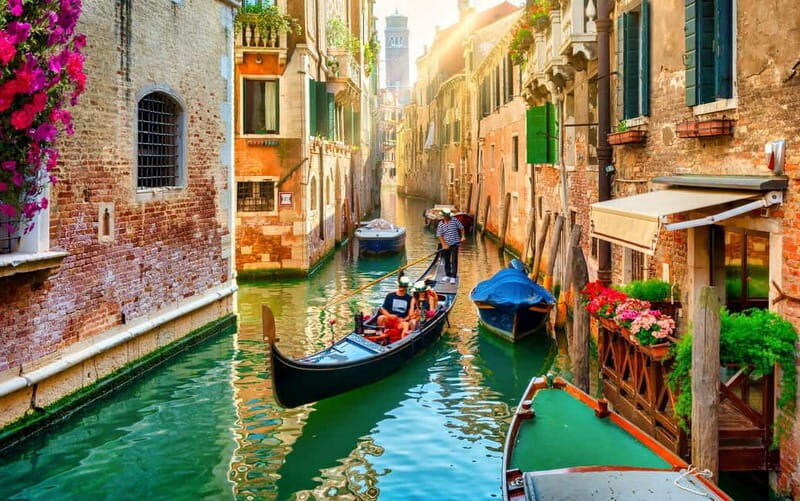
- Skip-the-line entry to the Doge’s Palace and St. Mark’s Museums via a separate entrance
- 20-church access through the Chorus Pass Venice, for a slower, more local side of the city
- Guided walking tour that helps you connect Venice’s layout to what you’re actually seeing
- Grand Canal gondola ride included, plus a boat trip to Murano-Burano-Torcello
- A museum lineup that spans art, local treasures, and even the Leonardo da Vinci Interactive Museum
How the Venice City Pass Works (So You Don’t Waste It)

The Venice City Pass is built for flexible pacing. You choose where to start, then you move from included attraction to included attraction using your digital pass. Your pass is sent to your smartphone by email within 12 hours after booking, and you’ll need a charged phone to use it.
The other big rule is simple but important: each included attraction can be visited once. That means you’re not meant to wander back for a second round at the same place later in the day. If you’re the type who likes to repeat a favorite church or museum wing, plan to pick your must-sees carefully.
You’ll also want to watch the clock. The pass is valid for 1 to 5 days, but each attraction has its own opening hours, and those can change. Your goal is to sync your personal “I want to see that” list with what’s actually open when you’re there.
You can also read our reviews of more city tours in Venice


Priority Entry at the Doge’s Palace and St. Mark’s Museums
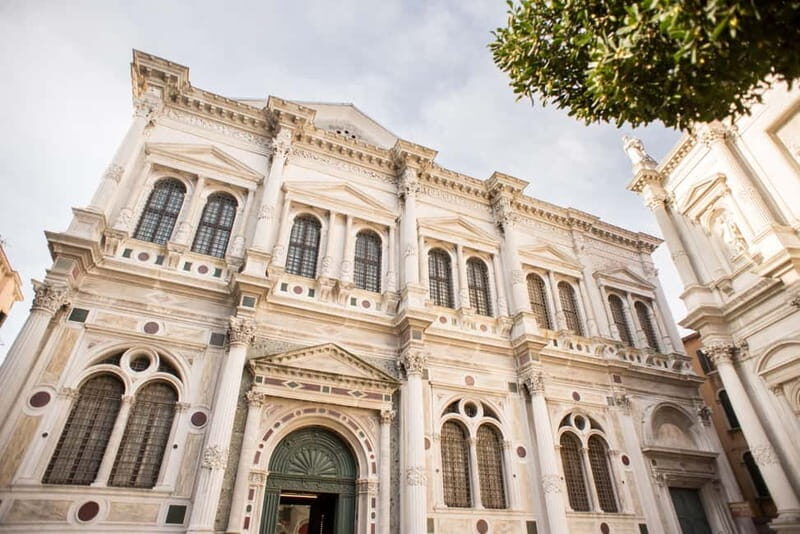
This is the core value. Priority entry means you use a separate entrance for two of Venice’s most in-demand attractions: the Doge’s Palace and St. Mark’s Museums. If you’ve ever tried to tour top sites in Venice without a plan, you know how quickly time can slip away. This pass is designed to protect your schedule so you can keep moving.
At the Doge’s Palace, what you’re really buying is time and access to one of the city’s most opulent interiors. The building is big, and it’s the kind of place where you’ll notice details longer than you expected—halls, historic rooms, and dramatic spaces meant to impress. Priority entry won’t make you rush, but it helps you avoid starting your visit already tired from waiting.
The St. Mark’s Museums side works well if you like seeing Venice as more than postcards. You’ll be shifting from palace grandeur to museum collections, with a natural rhythm that keeps the theme cohesive: Venice’s power, its art, and its public life.
A practical tip: when you choose your start time, pick one of these priority attractions first. Not because the others aren’t great, but because early-day energy helps you get the most out of interiors and curated displays. Once you’ve done the big-ticket indoor stops, the rest of the day feels easier.
Your Venice Church and Museum Lineup: Chorus Pass + Key Museums
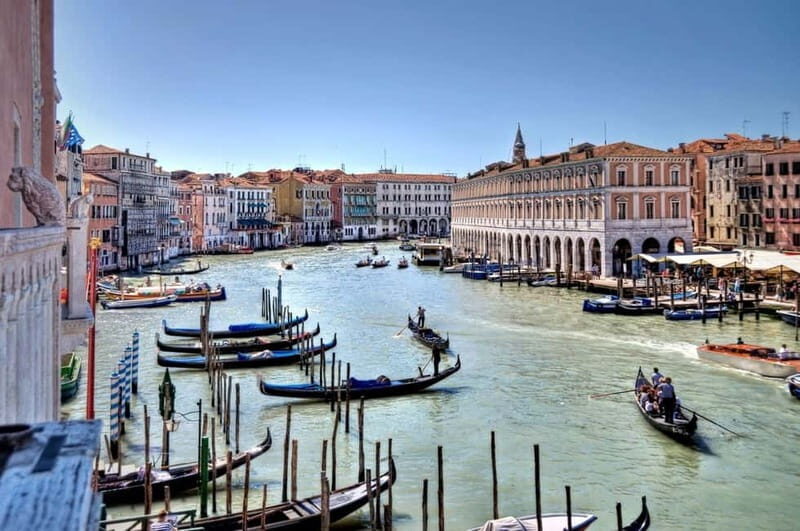
What makes this City Pass feel different from a simple “top sights only” ticket is the variety. You’re not stuck doing just palaces and bridges. You get a church plan and a museum plan, plus options that cover different interests.
Here’s what’s included:
- Chorus Pass Venice for the chance to experience 20 Churches of Venice
- Leonardo da Vinci Interactive Museum
- Archaeological National Museum
- Museum and crypt of San Zaccaria
- Correr Museum
- Ca’Pesaro Museum
- Museo del Vetro di Murano
- Palazzo Mocenigo
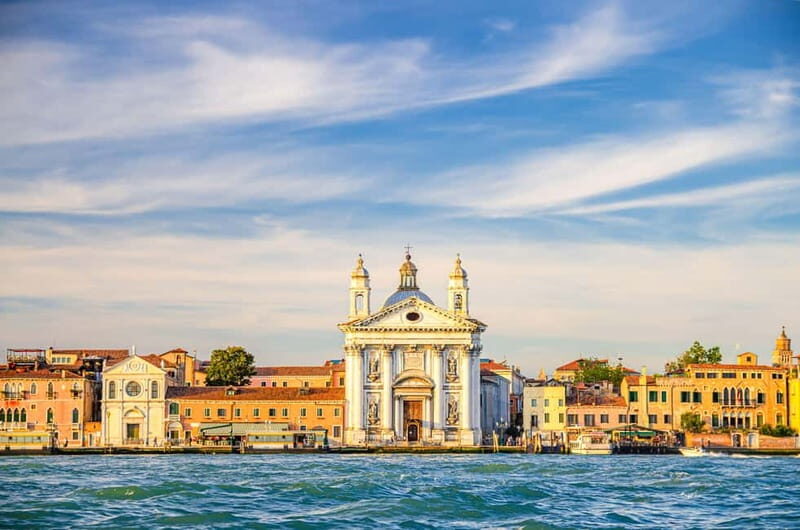
The Chorus Pass part is a smart move if you want Venice that doesn’t depend on huge crowds. Churches are where you catch the quieter texture of daily life—stonework, side altars, and the feeling of the city being layered over centuries. With access to 20 churches, you can build a route based on where you already are rather than treating each one like a separate mission.
San Zaccaria deserves special attention because it includes both the museum and the crypt. A crypt stop can change the pace of your day. Instead of collecting highlights at street level, you’re stepping into a different mood—more still, more reflective.
The museum mix also helps you avoid museum fatigue. If you lean toward hands-on experiences, the Leonardo da Vinci Interactive Museum can break up more traditional collections. If you like art and local identity, Correr Museum and Ca’Pesaro Museum fit naturally into a Venice day that wants both style and substance.
Then there’s the glass and heritage angle: Museo del Vetro di Murano and Palazzo Mocenigo. Those make the pass feel grounded in Venetian specialties, not just famous facades.
Guided Walking Tour Through Venice: Use It for Your Bearings

This pass includes a Venice guided walking tour. That matters because Venice is compact but confusing, especially if you’re trying to connect canals, bridges, and named streets without a map brain.
A good walking tour gives you a framework. You start to recognize how Venice’s neighborhoods sit next to each other, how routes branch off, and which landmarks act like anchors. Even if you’re a quick marcher, walking tours help you see patterns that you’d miss if you just jumped between ticketed stops.
The best way to use a guided walk with a City Pass is to treat it as your route-planning tool. After the tour, you’ll be better at deciding what to hit next—churches, museums, or the gondola and boat options—without backtracking across the city.
Gondola Ride on the Grand Canal: The Part You’ll Remember
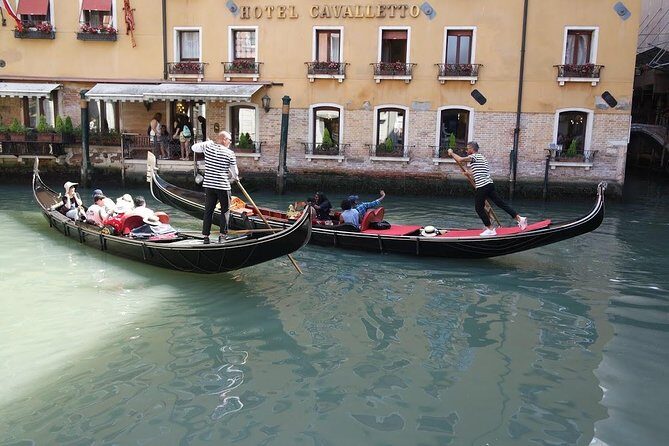
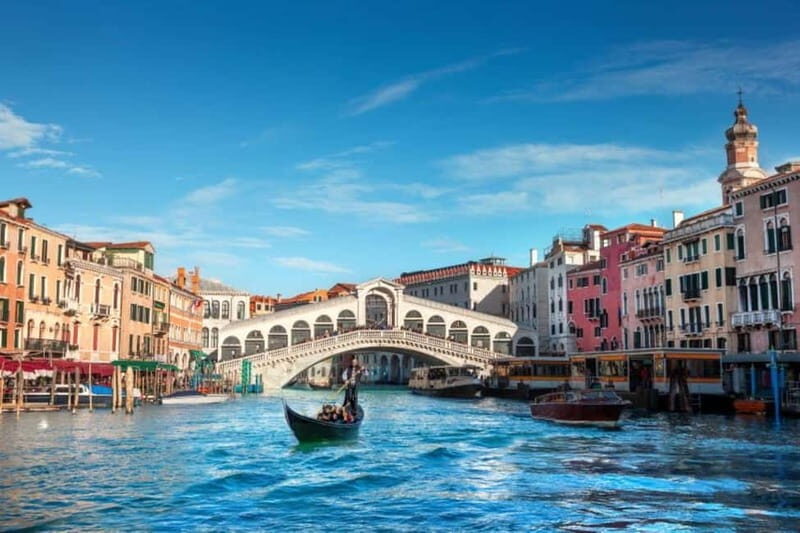
The gondola ride is included, and it’s the big-feel moment: a glide through the heart of the city along the Grand Canal. Gondolas work best when you go in with realistic expectations. You’re not buying a long narrative tour. You’re buying a moving viewpoint—slow enough to take in architecture and water-level details, but brief enough to stay exciting.
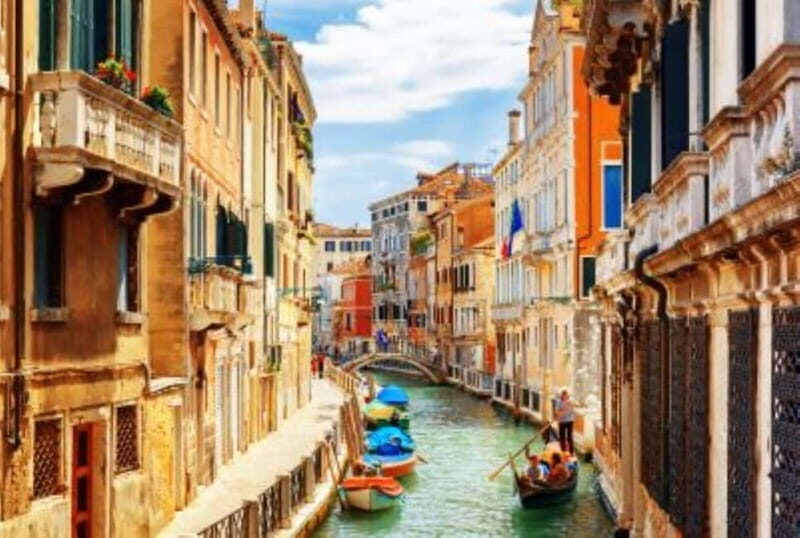
Because this pass is about access and flow, the gondola fits like a reward stop. After you’ve done museums or churches, it’s a change of pace that still keeps you in the Venice groove. You’ll notice how the city looks from the water: the repeating rhythm of facades, bridges, and the way light plays across the canal.
If gondola rides are your “must,” this inclusion is a clear value win. A separate gondola booking is easy to price yourself out of when you add it late. Bundling it into a pass like this helps you commit to the experience early.
You can also read our reviews of more museum experiences in Venice






Boat Trip to Murano-Burano-Torcello: Venice’s Other Side
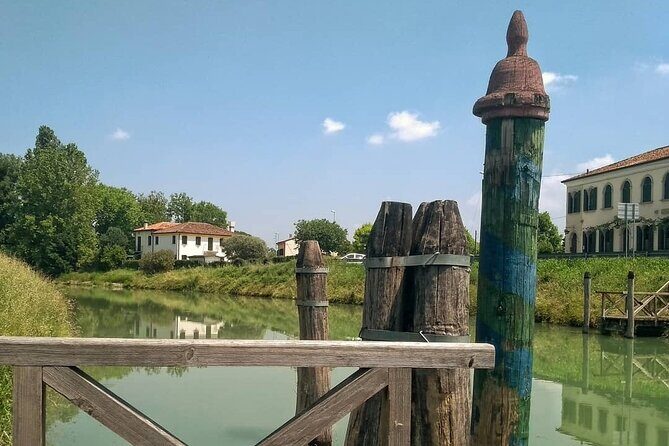
One of the strongest add-ons here is the boat trip to Murano-Burano-Torcello. You get out of the main grid and into islands that feel like they’re part of a different chapter of Venice.
This trip gives you variety in a way that’s hard to replicate on your own day plan. Murano is known for glass culture, which is a nice bonus because your pass also includes Museo del Vetro di Murano. That lets you connect what you see on the island with what you might explore inside the museum.
Burano tends to be about color and streets you can wander longer than you planned. Torcello can feel slower, more open. Together, these stops give you the sense of Venice as a system of islands—not just a single postcard setting.
Tip for enjoying the islands day: keep one flexible block in your head for wandering. Don’t schedule back-to-back timed entries on every minute. The island vibe is about walking, looking, then deciding to go one lane over because it looks interesting.
Price and Value: Is $96.18 Really a Deal?
The price is $96.18 per person, and the pass claims savings of over 60% compared to booking separately. Whether it feels like a deal depends on how many included attractions you’ll actually use within your time window.
Here’s how I’d judge value with this pass:
- If you plan to do the Doge’s Palace and St. Mark’s Museums, priority entry is already doing heavy lifting.
- If you also want the gondola and the islands boat trip, that’s the kind of combo that adds up fast when priced individually.
- If museums and churches fit your travel style, the pass becomes more than a convenience ticket. It turns into a day-by-day structure you can repeat across 1 to 5 days.
Where the value can shrink is if you only want a couple of top attractions. Because each attraction can be visited once, you’ll get the most value when your personal list overlaps with the included lineup. If you’re unsure, still consider this pass if you know you want at least: one priority indoor big-ticket site, plus gondola or islands (ideally both).
This is also a pass designed for decision-making on the ground. You can choose your start attraction and then fill in the day with churches and museums rather than locking yourself into a strict tour that drags you along on someone else’s timetable.
Quick Planning Notes That Make a Big Difference

A pass like this sounds simple, but small details matter in Venice.
First, make peace with phone-first entry. Your City Pass is digital, and you’re asked to bring a charged smartphone. If your battery dies, your day gets messy fast. I’d keep a portable charger in your bag.
Second, accept the one-time rule. Each attraction included can be visited once. That means you should resist the temptation to “just pop in” quickly at a museum if you’re not ready. Choose a time when you can focus.
Third, check the key omission. St. Mark’s Basilica ticket is not included. If that basilica is on your list, treat it as an add-on decision you must make separately. Don’t let your plan rely on the City Pass filling that gap.
Fourth, be honest about mobility needs. This pass is not suitable for wheelchair users. Venice is uneven and many routes can be tricky. If you need accessibility support, this is a pass you’d want to avoid based on the stated limitation.
Who Should Book This City Pass (And Who Might Not)
This pass fits best for travelers who want structure without a strict group pace. If you like choosing your own order, but you also want help getting priority access to the biggest sights, this is a strong match.
It’s also a good fit if you’re curious about Venice beyond the signature postcard stops. The church access and the range of museums make it easier to build a multi-day plan that feels varied rather than repetitive.
I’d think twice if you only want one or two attractions. With the one-time rule for included sites, you’ll feel the pass value only when you use more of it. If you prefer slow wandering with no ticket constraints at all, you might find it easier to build a looser plan with separate tickets.
Should You Book the Venice City Pass?
Book it if your trip includes the Doge’s Palace, St. Mark’s Museums, and you want to lock in the gondola and the Murano-Burano-Torcello boat trip without last-minute ticket stress. The priority entry and built-in attractions are the heart of the value, and the range of museums plus 20 churches gives you multiple ways to enjoy Venice over 1 to 5 days.
Pass it over if your must-do list heavily depends on St. Mark’s Basilica or if you plan to visit only a small handful of included sites. In that case, you might do better with individual tickets so you’re not paying for experiences you won’t use.
If you book, do one thing right away: pick which day you’ll tackle the priority indoor sites first. After that, you can build the rest of your Venice plan around churches, museums, and water transport.
FAQ
What does the Venice City Pass include?
It includes priority entry to the Doge’s Palace and St. Mark’s Museums, access to a Chorus Pass Venice experience for 20 churches, entry to several museums (including Leonardo da Vinci Interactive Museum), a gondola ride, and a boat trip to Murano-Burano-Torcello. It can also include a public transportation ticket if you choose that option.
Does the pass include St. Mark’s Basilica?
No. St. Mark’s Basilica ticket is not included.
How long is the pass valid?
The City Pass is valid for 1 to 5 days, depending on the option you select. Starting times vary by availability.
Can I visit the same included attraction more than once?
No. Each attraction can be visited once.
Is there priority entry for the main sights?
Yes. You get skip-the-line access through a separate entrance for the Doge’s Palace and St. Mark’s Museums.
Do I need a phone to use the pass?
Yes. You’ll need a charged smartphone because the digital City Pass is sent to your email after booking.