REVIEW · VENICE
Venice: Fondazione Querini Stampalia Entry Tickets
Book on GetYourGuide →Operated by Fondazione Querini Stampalia onlus · Bookable on GetYourGuide
This palace is art and architecture in one. Fondazione Querini Stampalia blends Venetian patrician life with museum-worthy art, from famous old painters to major contemporary names. You get one full-day ticket, so you can wander at a relaxed pace through historic halls and special exhibits without racing a crowd.
What I really like is the historic house-museum feeling—you’re not just moving through gallery walls, you’re inside a refined aristocratic home. Second, the secret garden by Carlo Scarpa adds a calm, design-obsessed pause that makes the visit feel more like Venice than a standard museum stop. The main drawback to watch is timing: it’s open only 10:00–18:00, with last admission at 17:30, and it’s closed on Mondays.
In This Review
- Key Highlights You’ll Feel Right Away
- A Patrician Palace With Contemporary Art and Old Masters
- One Ticket, All Day: How to Plan Your Visit Without Rushing
- What You’ll See Indoors: Bellini, Tiepolo, and the 14th–20th Century Mix
- Contemporary Artists in a Venetian Home: Kosuth, Botta, and De Lucchi
- Carlo Scarpa’s Secret Garden, and Why It Works
- The Café, Bookshop, and Courtyard Seating for Real Breaks
- Audio Guide Tips to Make the Art Click
- Best Time to Go in Venice: Hours and the Monday Problem
- Practical Rules: Bags, Pets, and What to Do at the Ticket Counter
- Value for $14: Why This Ticket Feels Worth It
- Who This Visit Suits Most (and Who Might Want Something Else)
- Should You Book Fondazione Querini Stampalia Entry Tickets?
- FAQ
- What are the opening hours and last admission for Fondazione Querini Stampalia?
- Is the entry ticket valid for the whole day?
- Does my ticket include an audio guide?
- Is the museum closed on Mondays?
- Are luggage or pets allowed inside?
- How does voucher exchange work at the ticket counter?
Key Highlights You’ll Feel Right Away
- One ticket, all day to permanent and temporary exhibitions with an included audio guide
- A rare mix of 14th–20th century art, including Giovanni Bellini and Giambattista Tiepolo
- Contemporary big names in a Venetian setting, such as Joseph Kosuth, Mario Botta, and Michele De Lucchi
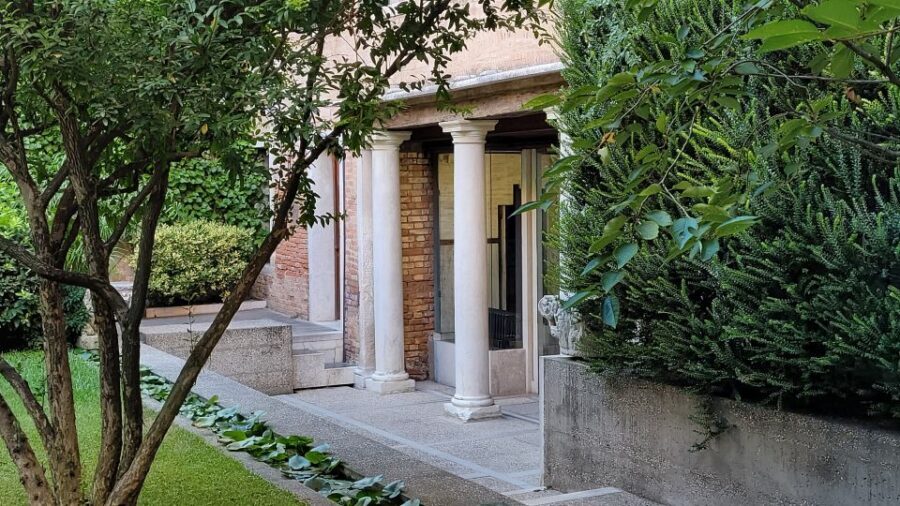
- Carlo Scarpa’s designed garden, a peaceful break from the city streets
- Good built-in downtime, with a café, bookshop, and seating in the central courtyard
A Patrician Palace With Contemporary Art and Old Masters
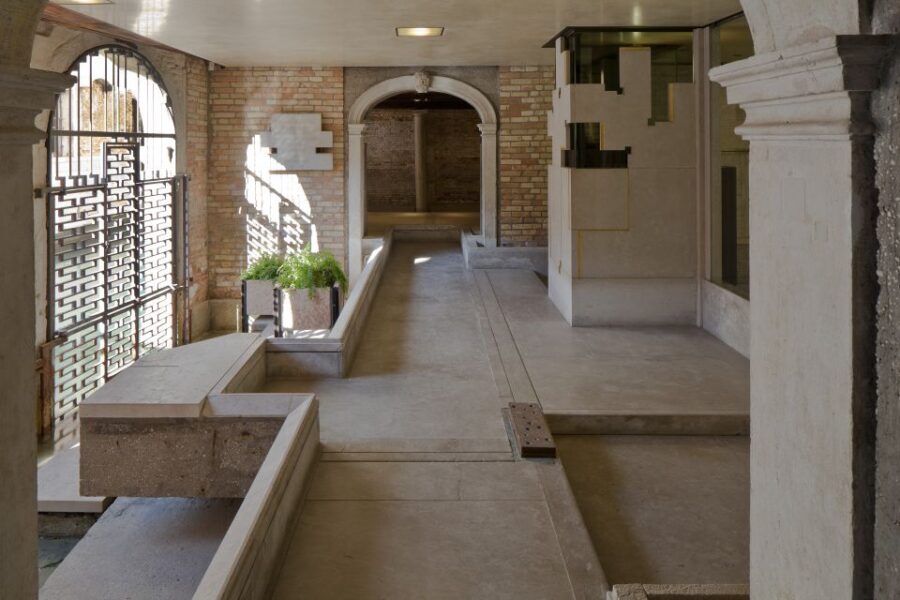
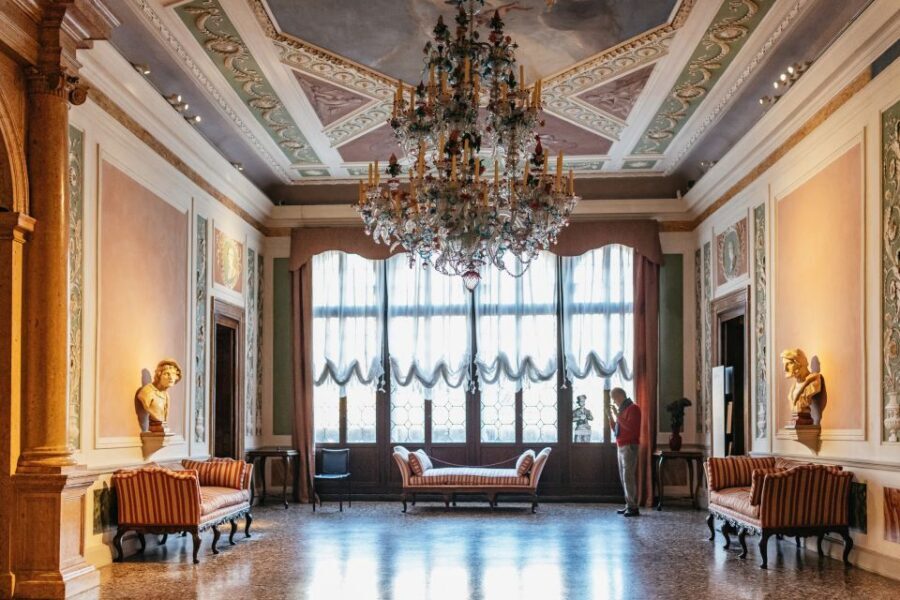
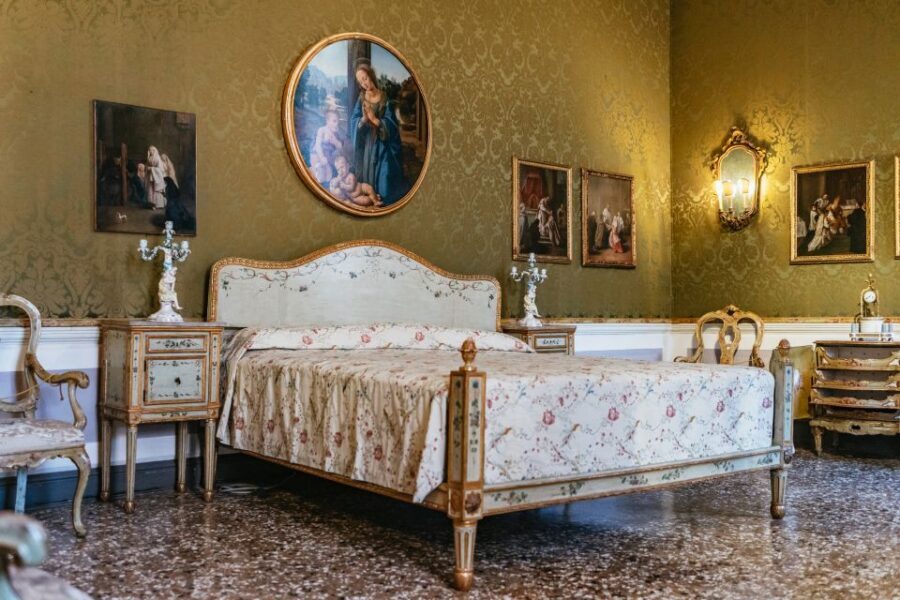
Fondazione Querini Stampalia sits in one of Venice’s quieter, more intriguing settings: the aristocratic palace associated with Count Giovanni Querini. That detail matters because the museum doesn’t feel like a cold “collection box.” The rooms and atmosphere encourage slower looking, the kind where you notice how architecture frames art.
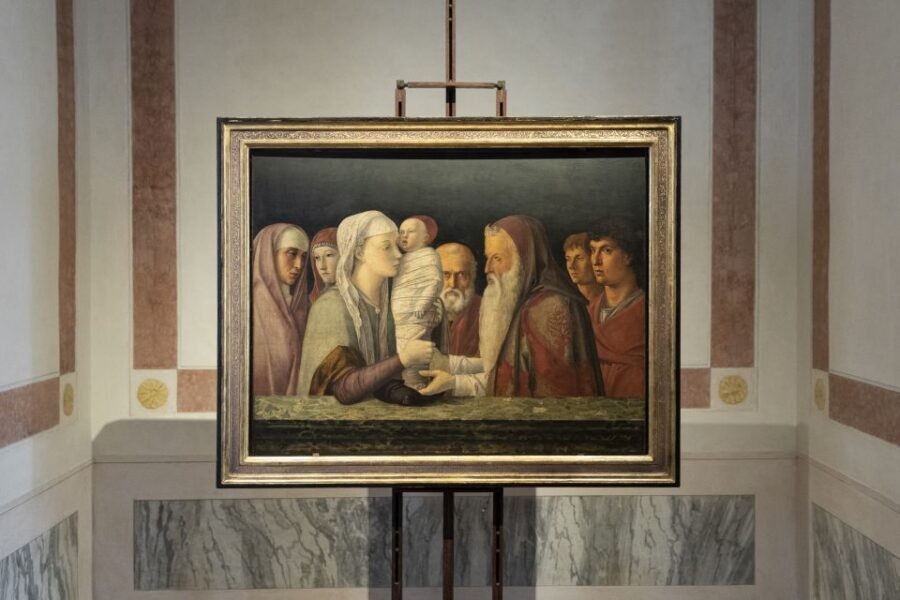
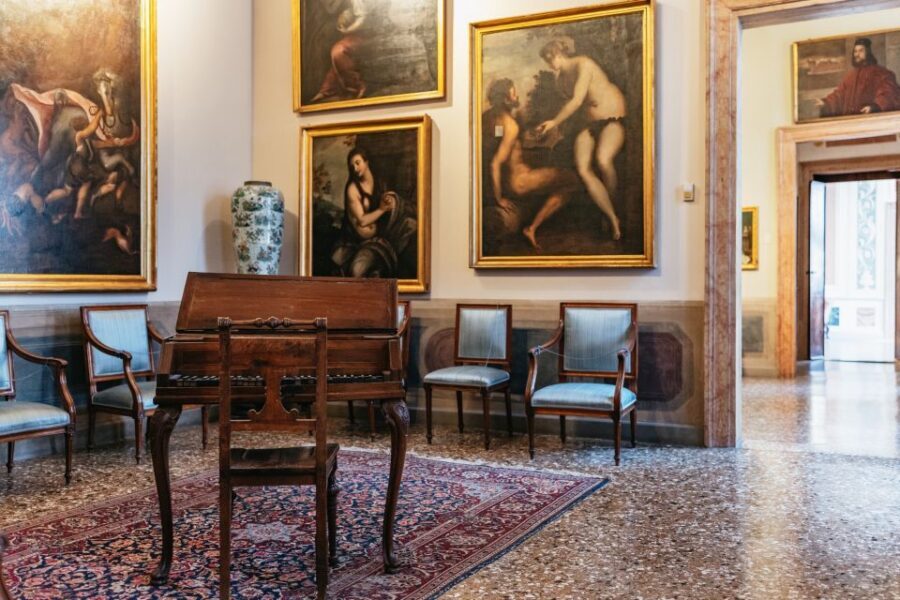
The art span also helps. You’ll see works across the 14th to the 20th centuries, including well-known Venetian painters such as Giovanni Bellini, Palma il Vecchio, Pietro Longhi, and Giambattista Tiepolo. Then, later, the museum brings in major contemporary artists—including Joseph Kosuth, Carlo Scarpa (in the garden design), Mario Botta, Valeriano Pastor, and Michele De Lucchi—so the building becomes a living comparison between eras.
If you like museums where the setting does part of the storytelling, this is a strong choice. It’s the kind of place where old masters and modern ideas share the same air.
You can also read our reviews of more tours and experiences in Venice

One Ticket, All Day: How to Plan Your Visit Without Rushing
Your entry ticket is valid for the entire day, which is a huge quality-of-life feature in Venice. Instead of squeezing the museum between vaporetto rides and lunch chaos, you can choose a time to enter and stay long enough to actually follow your curiosity.
I suggest you structure your time like this:
- Start indoors with the art galleries and any temporary exhibits, so you use your energy while you’re fresh.
- Later, move outside to the garden when you want a slower pace and fewer decisions.
- Finish with the café/bookshop area when you want to rest your feet and wrap your head around what you saw.
Even though it’s one attraction, you’ll feel like you visited several different “modes” of Venice: grand rooms, focused art viewing, outdoor quiet, and then a practical place to sit down.
What You’ll See Indoors: Bellini, Tiepolo, and the 14th–20th Century Mix

Inside, the museum experience is basically two threads that you can follow in parallel: Venetian painting and a wider European art timeline. The museum includes masterpieces from the 14th to the 20th century, with famous names that make first-time Venice art comparisons possible.
When you look at painters like Bellini and Palma il Vecchio, it’s not just about recognizable names. It’s about learning how Venetian artists shaped a distinct visual language, especially when it comes to color, portrait style, and atmosphere. Then, as the centuries progress, you get a sense of how tastes and techniques shifted—without leaving the same palace setting.
Add in artists like Pietro Longhi, and you get another kind of insight: Venetian life as it was seen by people who lived closer to it than we do. The museum leans into that theme of Venetian high society and how refined elites lived, entertained, and displayed status.
One practical note: because the art spans multiple centuries, you’ll enjoy the visit more if you pick a couple of anchors—say, Bellini/Tiepolo on one track and modern names on another—rather than trying to absorb everything equally.
Contemporary Artists in a Venetian Home: Kosuth, Botta, and De Lucchi
What makes this museum especially interesting is how the contemporary works sit beside the traditional ones. You’ll see names like Joseph Kosuth, Mario Botta, Valeriano Pastor, and Michele De Lucchi, and the effect is part of the experience.
The building helps here. You’re not looking at contemporary art inside a purpose-built white box. You’re inside a patrician environment, which changes the mood of how you interpret modern ideas. It can make you ask different questions: What does “Venetian” mean across time? How does design behave when it’s placed in older architecture?
This is also where you can make the visit personal. Some people love the challenge of comparing eras. Others simply like seeing how contemporary art can feel calmer—or sharper—when it’s surrounded by history.
Carlo Scarpa’s Secret Garden, and Why It Works
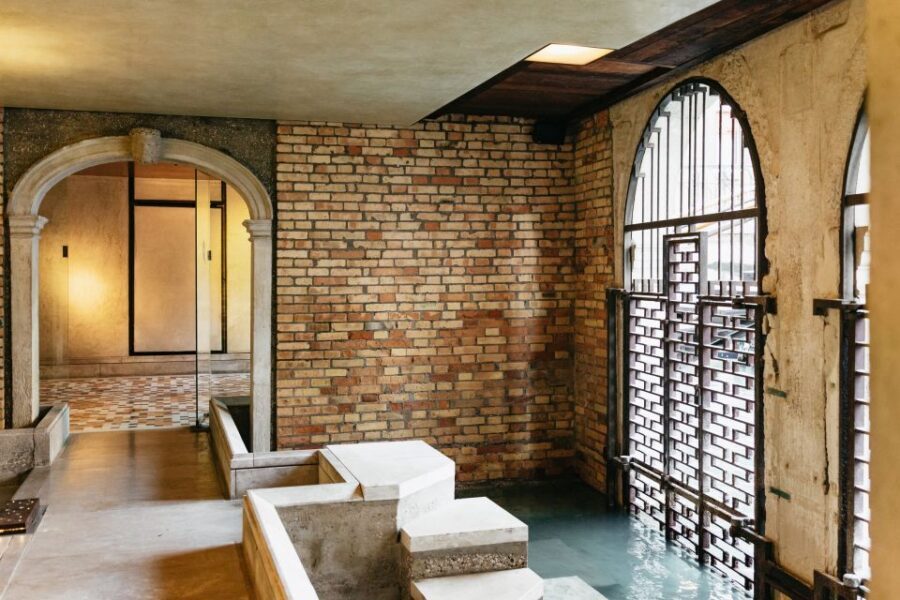
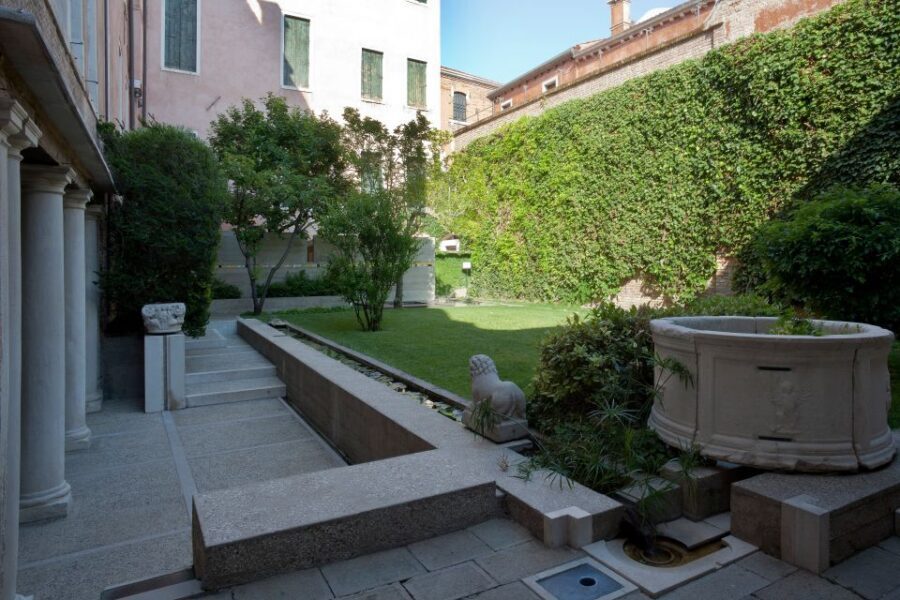
The garden designed by Carlo Scarpa is one of the main reasons to come. Scarpa’s design is known for being detailed and intentional, and here it functions like a pause you can walk into. Instead of treating the garden as a token courtyard, the museum uses it as a serious part of the visit.
For you, that means you get more than pretty views. You get a change in pace. In a city that can feel constant—water, crowds, foot traffic—this kind of designed outdoor space gives your brain a breather.
Also, the garden’s presence inside the museum plan makes it feel tied to the house itself. It’s not just “outside time.” It’s part of how a Venetian elite home might have offered contrast between public life and private calm.
If you tend to rush through sights, try not to treat the garden as an end-of-visit afterthought. Put it in the middle of your visit so it actually resets your attention.





The Café, Bookshop, and Courtyard Seating for Real Breaks
Here’s a detail worth planning around: the museum includes a café, a bookshop, and a courtyard area with seating (including couches mentioned in guest feedback). That’s not just convenient—it changes how long you can comfortably stay.
In Venice, “comfortable” is sometimes the difference between seeing three rooms and enjoying the whole place. If your feet are tired, the café and courtyard seating give you a way to stop without leaving the museum environment.
I like that the spaces support a self-paced rhythm. You can wander, sit, read something in the bookshop, then go back out with clearer eyes. This is especially useful if you’re doing multiple stops in Venice and you want at least one place where you don’t feel guilty taking time.
Tip: plan a short break rather than a long meal. A quick pause helps you return to the art with energy, not with a food-induced museum slump.
Audio Guide Tips to Make the Art Click
This experience includes an audio guide, which is a big deal for a place like this. When you’re moving through historic rooms, your attention gets split between architecture, lighting, and artwork. The audio guide helps stitch those pieces together so you don’t feel like you’re just skimming labels.
I’d use the audio guide strategically:
- Listen closely for sections tied to the theme of Venetian society and the way the palace functions as more than a backdrop.
- If you’re drawn to the contemporary names, let the guide explain the connection between artists and the setting—don’t assume every modern work will feel obvious on first sight.
Even if you’re not the type who loves commentary, the audio format is ideal here because you can pause, restart, and move at your own speed.
Best Time to Go in Venice: Hours and the Monday Problem
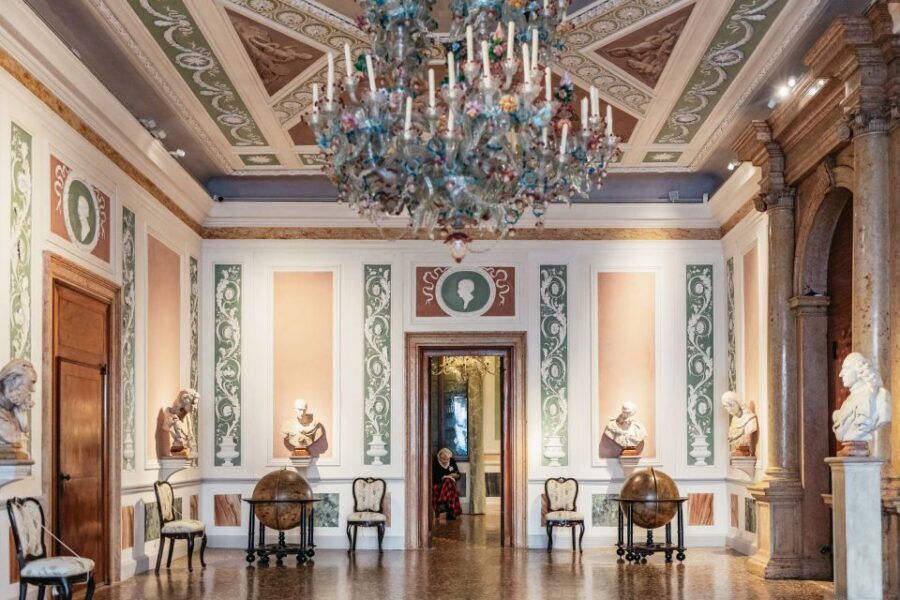
The museum is open 10:00–18:00, with the last admission at 17:30. It’s closed on Mondays.
That matters because Venice is a city of “open or don’t bother.” If you want to count on this visit, build it on a day when you know it’s operating. And if you’re planning a late afternoon day of sightseeing, remember that last admission is 17:30—so you may need to fit it earlier than you think.
If you want the smoothest experience, consider entering earlier in the day. One guest note highlighted visiting solo around mid-morning, which makes sense for a slower start when you want space to look without feeling rushed.
Practical Rules: Bags, Pets, and What to Do at the Ticket Counter
A few entry rules keep the visit straightforward:
- No luggage or large bags
- Pets not allowed (assistance dogs allowed)
Also, the ticket setup matters. The group leader must exchange the voucher at the ticket counter. If you’re not traveling with a group leader, follow the same idea—have what you need ready at the counter so you don’t lose time before you’re inside.
And yes, there’s wheelchair accessibility, so if you’re planning with accessibility needs, you’re covered.
These are simple rules, but in Venice they can become time-sinks if you show up with the wrong bag size. Travel light for this stop.
Value for $14: Why This Ticket Feels Worth It
At about $14 per person, this ticket price is a strong match for what you get. You’re paying for a full-day pass to both permanent and temporary exhibitions, plus an audio guide. For Venice, where time and entry costs can add up fast, the value here is the mix: old masters, contemporary art, and a Scarpa-designed garden all in one plan.
What makes that value feel real is the structure. This isn’t a quick “see it and leave” museum. The all-day validity and the chance to stop for the café/bookshop mean you can spread the visit into a satisfying length without feeling forced to do everything in one frantic hour.
If you enjoy art that changes as you move through it—rather than art that’s only impressive from a single viewing angle—this is the kind of ticket you’ll feel good about.
Who This Visit Suits Most (and Who Might Want Something Else)
This is ideal for you if:
- You want a Venice experience that’s not only canals and landmarks.
- You like art with strong names, but you also enjoy seeing modern ideas placed into older spaces.
- You want a museum where you can take breaks without leaving the grounds.
It might be less ideal if:
- You only have a couple of hours and want a fast museum hit.
- You’re traveling with large luggage or you rely on bringing bulky items into attractions.
If you’re the kind of traveler who likes to wander, sit, and return to the same room later with a fresh brain, you’ll appreciate the pacing this palace supports.
Should You Book Fondazione Querini Stampalia Entry Tickets?
Yes, I’d book if you want a high-quality Venice art stop that feels like you stepped into a refined patrician home—not just another checklist museum. The combination of Venetian painters, major contemporary artists, and Carlo Scarpa’s garden gives you variety without forcing you to hop across town.
Before you click confirm, check your day for the Monday closure and plan your entry so you’re not stuck with the 17:30 last admission. Also travel light so you don’t run into the no-large-bags rule at the counter.
If you’re building a calmer, more art-focused day in Venice, this ticket is a very solid use of your time.
FAQ
What are the opening hours and last admission for Fondazione Querini Stampalia?
The museum is open from 10:00 to 18:00, and the last admission is at 17:30.
Is the entry ticket valid for the whole day?
Yes. The ticket is valid for 1 day, and you can use it for that day’s visit.
Does my ticket include an audio guide?
Yes. Audio guide is included with the entry tickets.
Is the museum closed on Mondays?
Yes. The museum is closed on Mondays.
Are luggage or pets allowed inside?
Luggage or large bags are not allowed, and pets are not allowed (assistance dogs are allowed).
How does voucher exchange work at the ticket counter?
The group leader must exchange the voucher at the ticket counter.