REVIEW · VENICE
Venice: Grand Canal Boat Tour
Book on GetYourGuide →Operated by Bucintoro Viaggi · Bookable on GetYourGuide
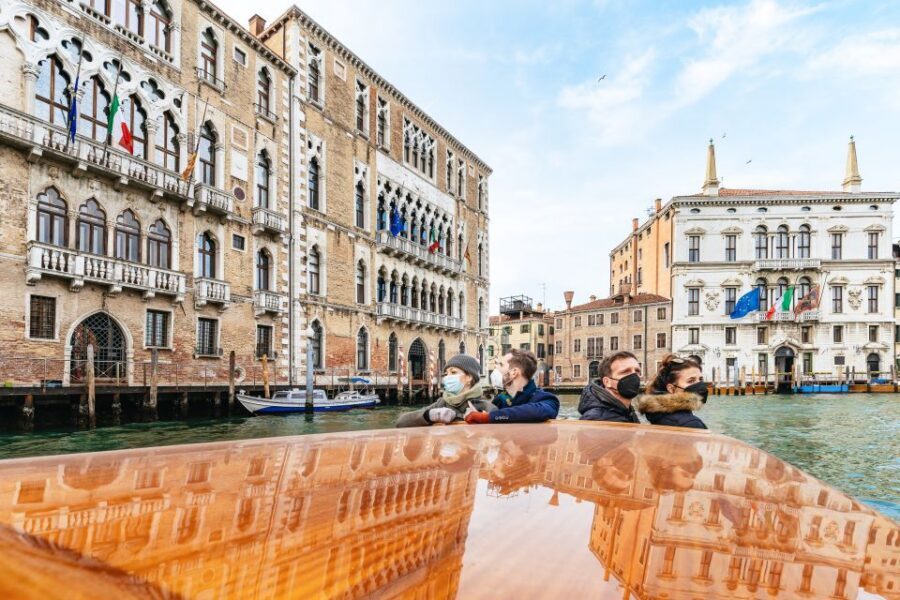
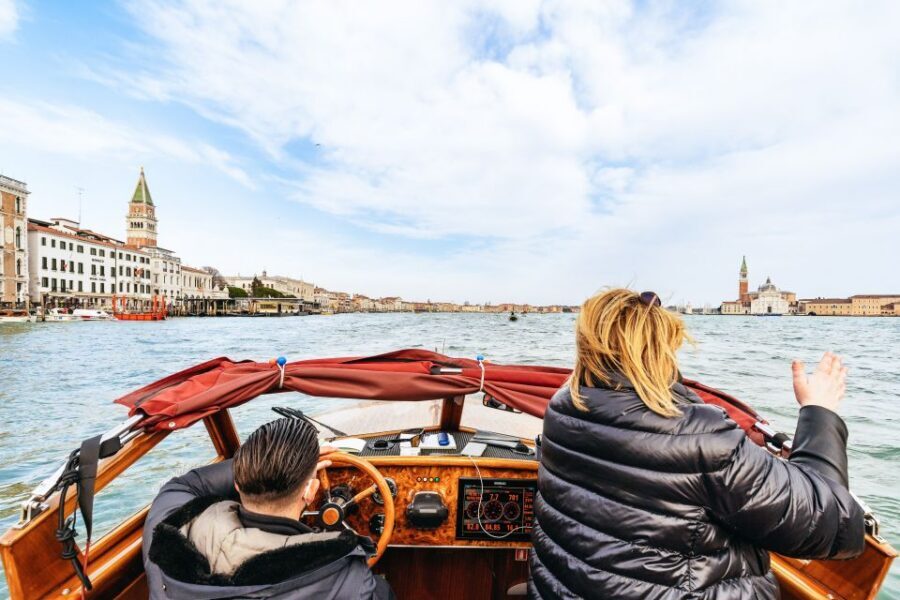
The Grand Canal looks different from a motorboat. This 1-hour cruise turns Venice’s famous waterfront into something you can actually scan in one sitting, with great landmark coverage and easy photo angles from the water around Rialto and the modern glass bridge, Della Costituzione. The main drawback: the ride is short, and some boats can feel a bit snug, so plan to shift for the best sight lines.
What I like most is how the guide keeps the story moving as you pass key buildings—big institutions, patrician palazzos, and major churches—so you’re not just looking at pretty facades. You start near St. Mark’s and work your way along the canal, learning what you’re seeing as the city slides by.
In This Review
- Key Highlights I’d Put First
- Where You Board: Alilaguna Ticket Office by the Royal Gardens
- Leaving St. Mark’s Behind: The First Glimpses of Venice’s Waterfront
- Rialto Bridge from the Water: Seeing Venice’s Most Famous Crossing
- The Modern Contrast: Della Costituzione Glass Bridge Near Calatrava
- Palazzos and Patrician Life: Ca’ Grande, Ca’ Balbi, and the University Seats
- Casino Glimpses and the Soirees’ Palace: Ca’ Vendramin Caliergi and Ca’ Pisani Moretta
- Fondaco dei Tedeschi and La Madonna Della Salute: Ports, Faith, and Identity
- How Long Is 1 Hour, Really? Seats, Sound, and Photo Strategy
- Price and Value Versus Gondolas and Walking Tours
- What You’ll Miss (and Who Should Skip It)
- Should You Book This Grand Canal Boat Tour?
- FAQ
- How long is the Grand Canal boat tour?
- How much does it cost?
- Where do I meet the tour?
- Is the tour in English?
- Are food and drinks included?
- Is the tour wheelchair accessible?
- Does it run every day?
- Can I cancel for a refund?
- Can I reserve without paying right away?
Key Highlights I’d Put First
- A motorboat route that gives you instant Venice orientation from the water, not just from viewpoints on foot
- Rialto Bridge views with the right perspective to understand why it matters
- Della Costituzione (glass bridge) near Calatrava, a modern contrast to everything around it
- Patrician power on display, including palazzos tied to art, museums, universities, and civic life
- Guides who keep it friendly and funny, with names like Massimo and Leo showing up in positive feedback
- Better value than many gondola options when you want more sights per hour
Where You Board: Alilaguna Ticket Office by the Royal Gardens
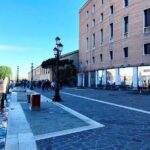
You meet at the Alilaguna ticket office right by the Royal Gardens area, near St. Mark’s Square. If you’re standing near St. Mark’s and facing toward the waterfront, you’ll find the office on the right side, in front of the Royal Gardens entrance—at the far end of a row of souvenir stalls.
This matters because St. Mark’s is a maze. Getting on the water quickly means you spend less time zigzagging through crowds, and more time seeing what you came for: Venice from the canals.
You can also read our reviews of more boat tours in Venice
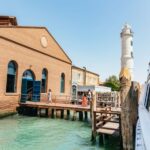
Leaving St. Mark’s Behind: The First Glimpses of Venice’s Waterfront
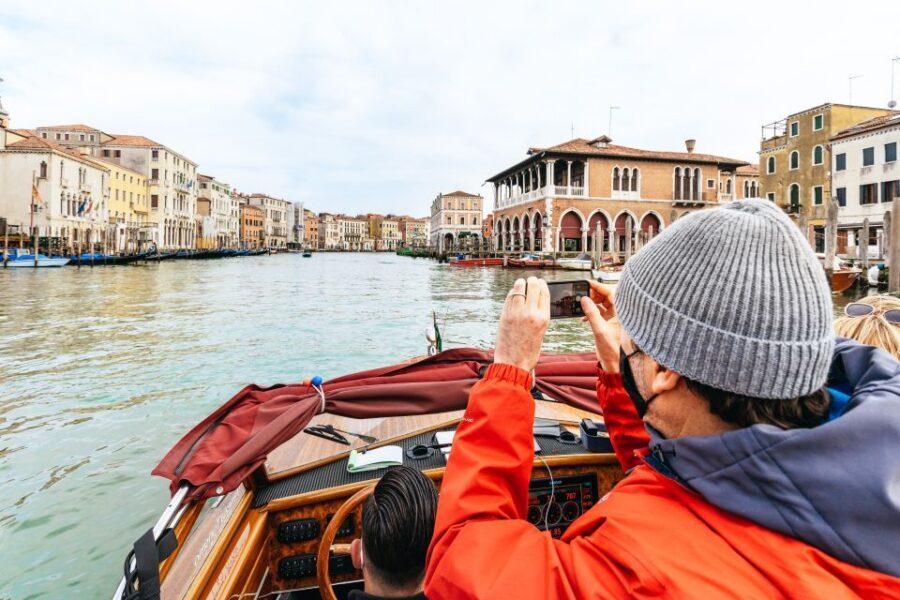
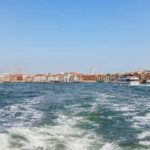
Right away, the tour starts doing its job: orientation. Once you’re out on the water, you get a clear sense of how the city is arranged—water first, buildings second. You’ll pass the kinds of places you’ll later recognize from photos: ornate hotels, older palazzos, and churches that sit like anchors along the canal.
The narration helps you connect facades to function. You’re not just hearing names—you’re learning why certain homes mattered, what institutions are tied to the waterfront, and how bridges shape movement across the city. It’s the kind of context that makes your later strolls make sense.
Rialto Bridge from the Water: Seeing Venice’s Most Famous Crossing
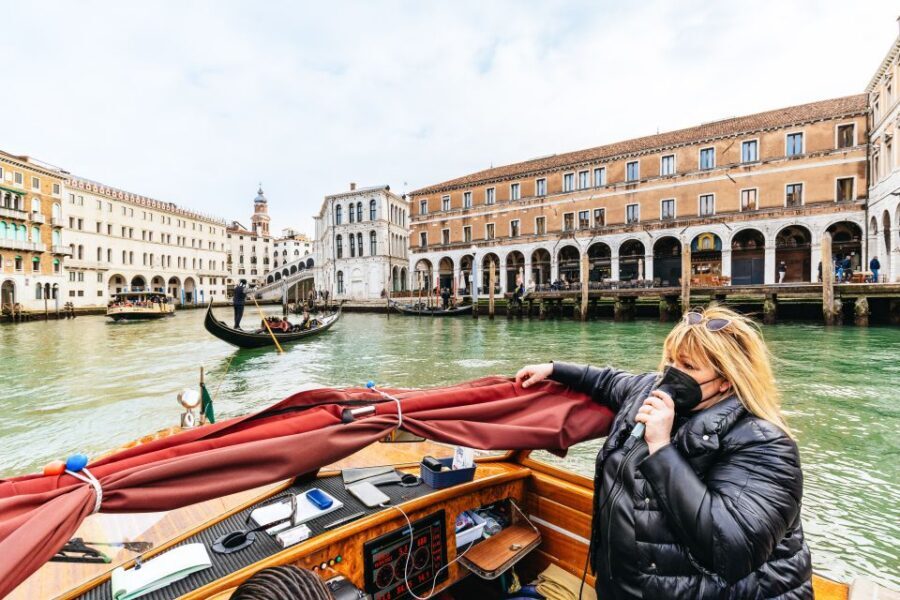
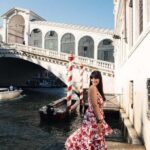
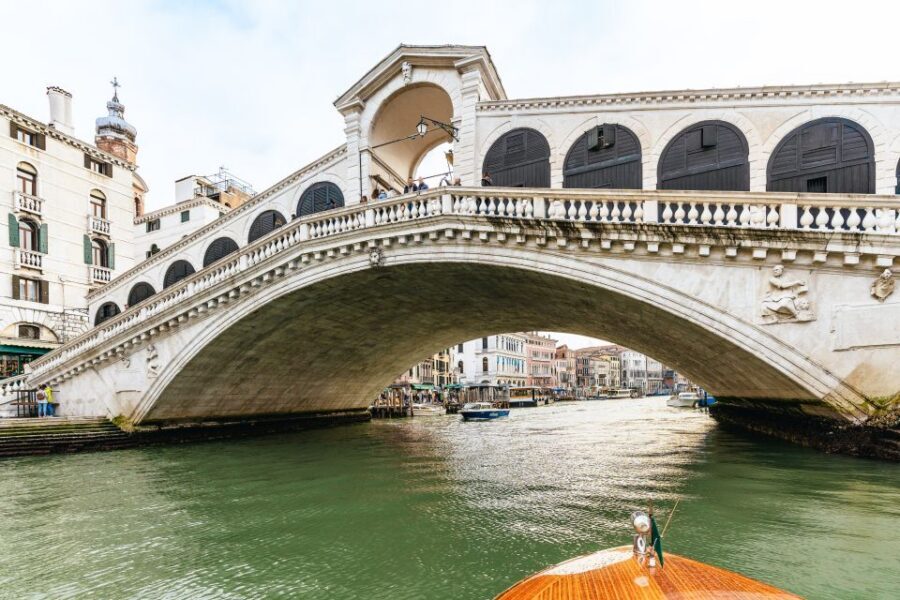
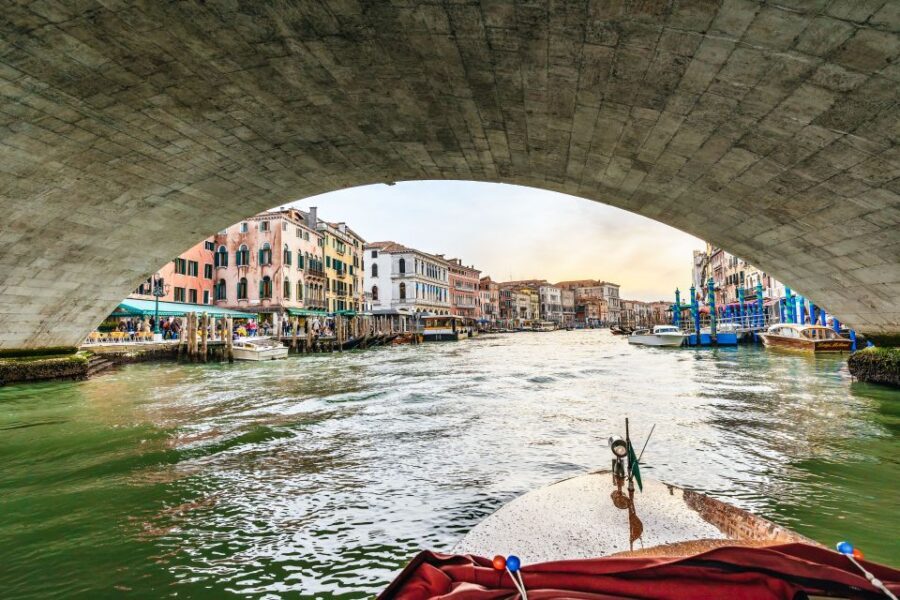
Rialto is the obvious star, and the boat format gives you a real advantage: you see it without the bottleneck feeling of standing on land. From the canal, the bridge reads differently—less like a postcard and more like a working piece of Venice’s design.
As you approach, focus on the way the bridge sits over the channel and how the surrounding buildings frame it. This is one of those moments where the boat viewpoint helps you understand the scale of Venice’s waterways and why they became the city’s main streets.
If you’re the type who likes photos that show context (not just close-ups), this is where the camera work pays off.
The Modern Contrast: Della Costituzione Glass Bridge Near Calatrava
After Rialto, you get a nice change of pace: the modern glass bridge, Della Costituzione. It’s built near Calatrava, and it’s a striking reminder that Venice isn’t frozen in time.
Coming from older stone churches and centuries-old palazzos, the glass bridge looks almost unreal. What I like about seeing it on this tour is timing and sequencing. You’re not just bouncing between random landmarks; you’re watching the city evolve, right in the same one-hour loop.
This segment also tends to be good for photos because the bridge design creates clean lines against the canal and surrounding facades. Just keep an eye on other passengers if you’re shooting—people will be jockeying for the same best angle.
Palazzos and Patrician Life: Ca’ Grande, Ca’ Balbi, and the University Seats
Venice’s power story is written in its buildings. From the boat, you pass patrician homes and traditional palazzos—some associated with art collections, museums, or even university-linked spaces (the narration points out those connections). You’ll also hear about major institutions like Ca’ Grande and Ca’ Balbi, which helps you understand that the canal wasn’t only for travel and trade. It was also a frontage for status.
This is also where the tour becomes useful for first-timers. If you walk around Venice without context, you can lose track of which buildings are important. From the water, you see the whole arrangement—building fronts facing the water, with canals acting like the city’s main routes.
One practical note: if you want to take photos of palazzos, it helps to pick one side of the boat to favor for a while. You’ll often have more time to compose shots when you don’t constantly switch sides.

Casino Glimpses and the Soirees’ Palace: Ca’ Vendramin Caliergi and Ca’ Pisani Moretta
The tour doesn’t only stick to the “pretty and famous.” You also pass sites with a different flavor—like the casino at Ca’ Vendramin Caliergi and the soirees’ palace Ca’ Pisani Moretta.
Even if you’ve never read about these places, hearing what they were used for changes how you see them. Suddenly the ornate facades aren’t just decoration; they hint at how Venetians socialized, entertained, and organized public life.
And yes, the canal viewpoint makes these buildings feel more personal. You’re close enough to sense the scale, but far enough to understand the bigger city picture.
Fondaco dei Tedeschi and La Madonna Della Salute: Ports, Faith, and Identity
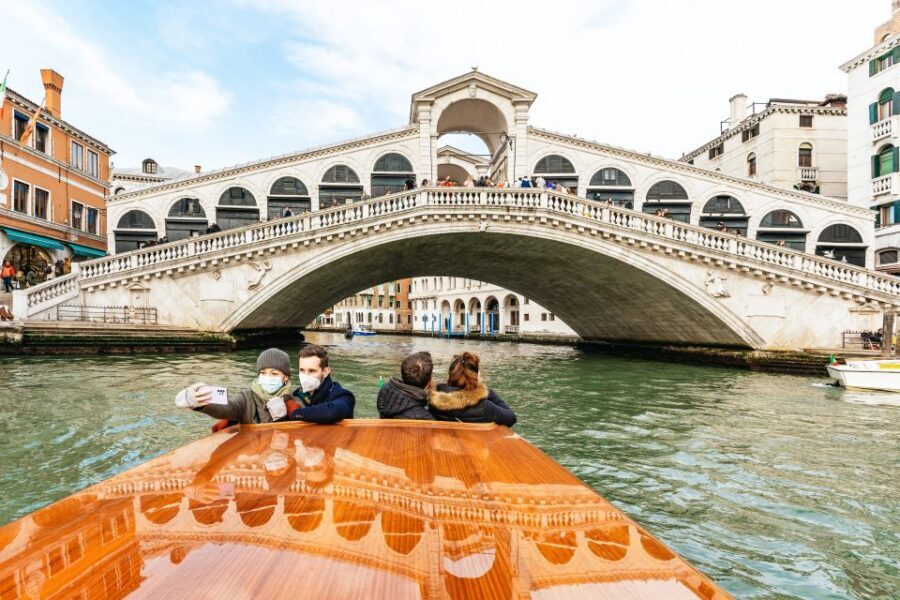
Later on, you pass by Fondaco dei Tedeschi, which connects you to the story of international communities moving through Venice. The boat tour helps you notice how waterways brought people together—merchants, visitors, and residents—within walking distance of the same canal edges.
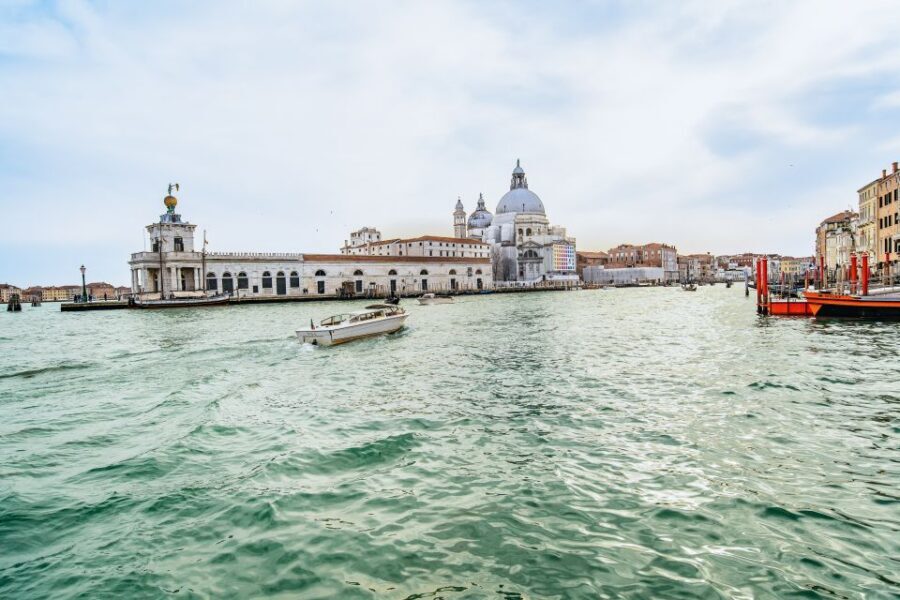
Then you get to La Madonna Della Salute, one of the big religious landmarks you’ll want on your list. From the water, the church reads as a major focal point rather than just another stop. You’ll see how it dominates the skyline near the canal and how the setting makes it feel like it belongs to the city’s movement, not just its streets.
If you’re only in Venice for a couple days, this is a strong lineup: a signature bridge, a modern architectural moment, elite buildings, and a major church.
How Long Is 1 Hour, Really? Seats, Sound, and Photo Strategy
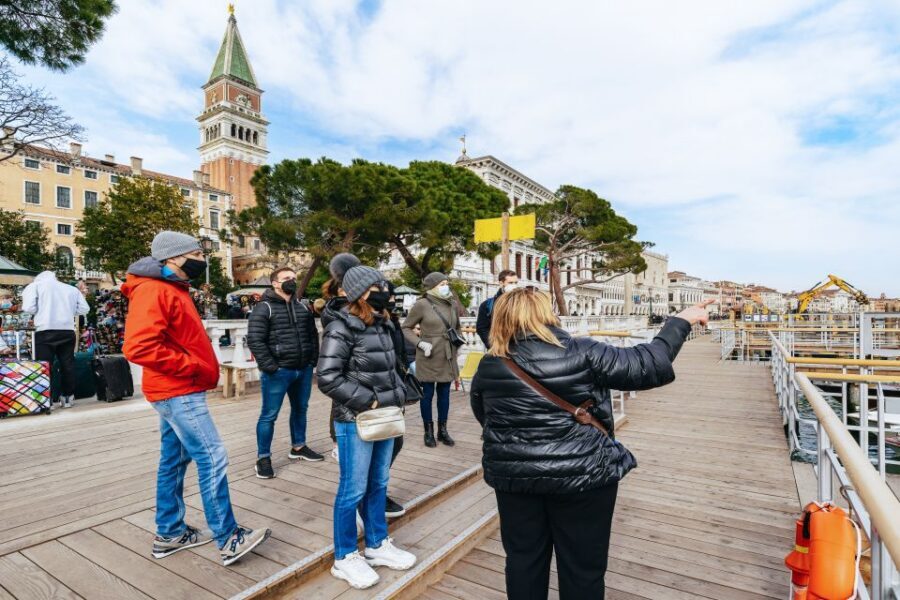
One hour sounds short. It is short. But it works for a reason: Venice is spread out, and the boat cuts across that problem. In one hour, you get a broad overview of the Grand Canal area without spending half the day walking between sites.
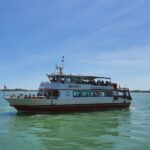
Group size can vary. Some departures are on small boats with room to move and stand for photos. There are also times when it feels a bit snug—one feedback pointed out how a larger group can crowd inside.
Here’s the practical approach I’d use:
- Bring a layer even in shoulder seasons; the water can feel cooler than the streets.
- Choose your viewing plan early: if windows are in your way, standing outside (when allowed) can be a better photo choice.
- Expect some sound quirks: on at least one occasion, a microphone setup reportedly acted up, and the guide continued speaking without it. So don’t assume every day will be perfect—stay alert and face toward the guide when you can.
If you’re prone to motion, note that one ride was described as rocky during storms. The driver’s skill was praised, but chop is chop. If weather looks rough, consider bringing something for comfort and focus on keeping your footing stable.
Price and Value Versus Gondolas and Walking Tours
At about $53 per person for a 1-hour Grand Canal motorboat tour, you’re buying time and viewpoint. You’re not paying for a long day of walking or for a slower canal drift that focuses on one small slice of Venice.
Several comments compare this favorably to gondolas for the same general goal: seeing Venice from the water. A gondola can be a romantic choice, but it often doesn’t cover as much ground in the same time window. This tour, by contrast, is built around passing landmark after landmark along the canal system.
Also consider what you’re getting besides the boat ride. The tour includes a live English guide and a hostess, plus the narration ties the buildings together. That’s harder to replicate if you only rely on photos or a self-guided stroll.
If you’re trying to hit the main sights efficiently, this is one of the better ways to do it—especially early in your trip. You come away with better mental maps for what to explore later.
What You’ll Miss (and Who Should Skip It)
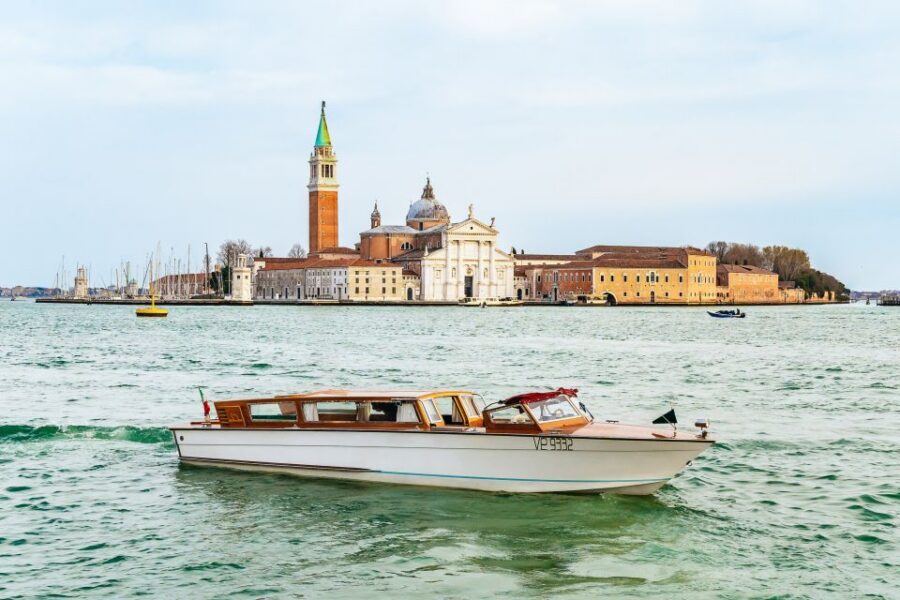
This isn’t a full deep history course, and it’s not a slow romantic cruise. You’re on a schedule, and you’re moving.
Also, it’s not suitable for wheelchair users. The tour is described as not accessible for wheelchairs, so plan an alternative if mobility is an issue.
Finally, if you hate the feeling of sharing a boat space, be selective about timing and group size. Some departures can feel tight, so consider going at a time when you expect fewer people (booking early can help you pick a slot).
Should You Book This Grand Canal Boat Tour?
Book it if you want a high-impact Venice overview in a short time, and you’d rather learn while you ride than play guessing games on foot. The combination of Rialto, the modern Della Costituzione glass bridge, major palazzos, and a landmark church makes this feel like one smooth loop through the city’s most recognizable areas.
Skip it if you’re looking for a long, unhurried experience, you need wheelchair access, or you strongly prefer quiet, private sightseeing. In those cases, a different boat option or a walking-focused day plan will suit you better.
If you’re on your first Venice trip and want your bearings fast, this is a smart early choice—and it tends to pay off the moment you start exploring land again.
FAQ
How long is the Grand Canal boat tour?
The tour lasts 1 hour.
How much does it cost?
The price is $53 per person.
Where do I meet the tour?
Meet at the Alilaguna ticket office in front of the Royal Gardens near St. Mark’s Square. It’s on the right side of St. Mark’s Square, in front of the Royal Gardens entrance at the far end of the row of souvenir stalls.
Is the tour in English?
Yes. There is a live tour guide in English.
Are food and drinks included?
No. Food and drinks are not included.
Is the tour wheelchair accessible?
No. It is not suitable for wheelchair users.
Does it run every day?
It does not run on Vogalonga (usually in May), on Christmas (Dec. 25 and 26), or on New Year’s Day.
Can I cancel for a refund?
Yes. Free cancellation is available up to 24 hours in advance for a full refund.
Can I reserve without paying right away?
Yes. You can reserve now and pay later, keeping travel plans flexible.