REVIEW · VENICE
Venice Guided Walking tour
Book on Viator →Operated by Venice Events srl · Bookable on Viator
St. Mark’s Square can feel like a storm of people. This guided walk threads through the big sights first, then moves you into quieter squares and calli in the Castello area, where the city feels more lived-in. I especially liked the small-group pace and the headset audio that kept explanations clear even when you’re standing close to the action.
Two things you can count on: you’ll get a guided introduction to Venice’s origins, symbols, traditions, architecture, and today’s life, and you’ll see more than the postcard highlights. One thing to consider is that it’s a short, focused 2-hour loop, so if you’re hoping for a long, cover-everything day, you may wish it lasted longer.
In This Review
- Key highlights worth your time
- Why this 2-hour Venice walk actually helps
- Meeting point, group size, and how the tour runs
- Piazza San Marco: where the story starts
- Escaping the crowds: Campo Santa Maria Formosa
- San Zanipolo: Doges, memorials, and Colleoni outside your usual list
- Casa di Marco Polo: the merchant thread through the city
- Teatro Malibran: see it from the outside, learn why it exists
- Back to St. Mark’s: tying the Venice threads together
- Rain, crowds, and comfort: small choices that change everything
- Price and value: what $38.13 really buys
- What surprised me in a good way
- Who this tour suits best
- Should you book this Venice guided walking tour?
- FAQ
- FAQ
- How long is the Venice guided walking tour?
- Where does the tour start and where does it end?
- Is the tour available in English?
- Does the tour include a guide and audio equipment?
- Are there entrance fees for the stops?
- Does the tour run in bad weather?
- Is there a maximum group size?
- Do I need to pay a city access fee?
Key highlights worth your time
- St. Mark’s Square, explained step-by-step so you understand what you’re looking at, not just where to stand
- Castello’s calmer streets with calli, bridges, and campi that feel like local Venice
- Major landmarks plus smart detours, including San Zanipolo and Marco Polo’s home area
- Professional guide with a personal audio system, so you don’t strain to hear
- All-weather operation with the guide adapting when rain hits
- Up to 20 people, which usually means more attention and a better rhythm
Why this 2-hour Venice walk actually helps
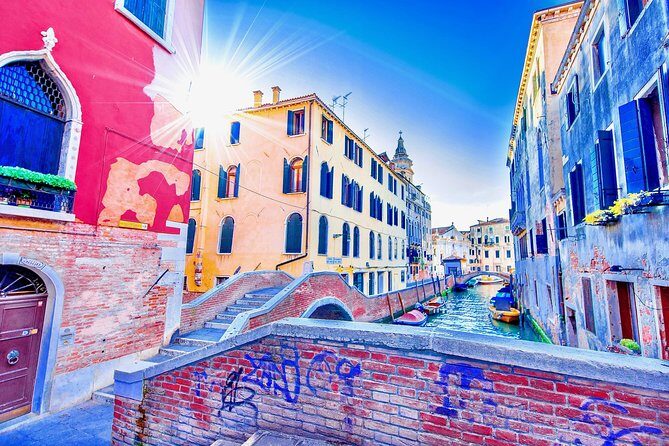
Venice is gorgeous, but it can also be a maze. What I like about this tour is that it gives you order fast. You start in the most famous place in the city, then the route gently lowers the volume as you head into the Castello pocket of streets and small squares.
You don’t just get names. You get context on symbols, traditions, and how Venice functioned over time. That matters because Venice is full of details that look decorative until you know what they’re pointing at. After a good guide walk, your next stroll is less guessing and more noticing.
You can also read our reviews of more walking tours in Venice

Meeting point, group size, and how the tour runs
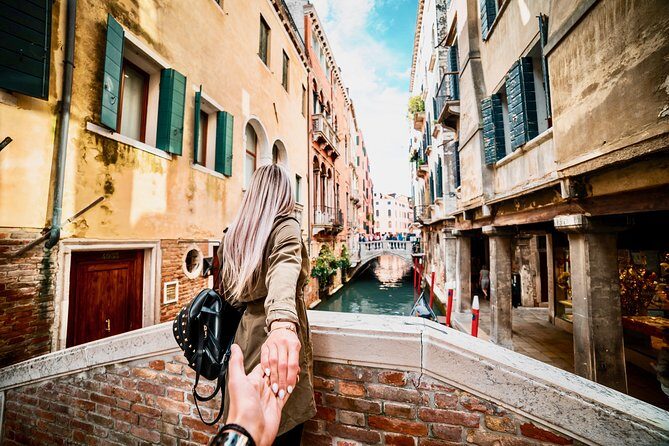
You’ll meet at TU.RI.VE. Meeting Point, Calle larga de l’Ascension, 30124 Venezia VE. The tour starts in a central spot with audio pickup from that meeting area, and it ends back at the same place.
The group is capped at a maximum of 20 people, which is a real plus in Venice. Big groups turn streets into stop-and-go traffic. A smaller group tends to move at a human pace, with time to turn and look without feeling rushed.
You also get a personal audio system and headset for the commentary. In St. Mark’s area, where the sound mix is chaos, this makes the tour feel calmer. You can keep your attention on the buildings and still follow the story.
Piazza San Marco: where the story starts
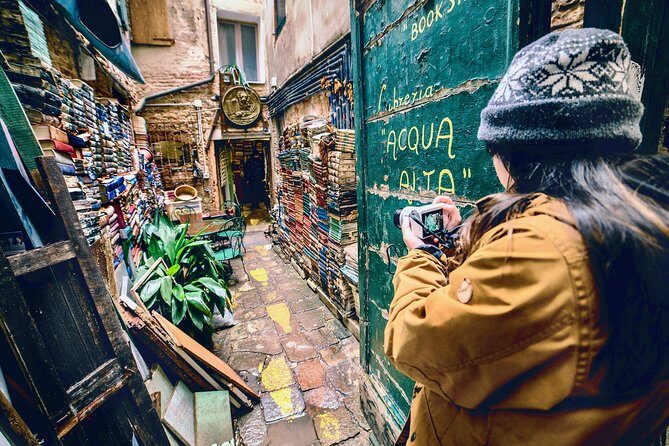
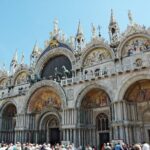
The tour opens at Piazza San Marco. Expect an atmospheric introduction before the guide steers you away from the busiest lanes. The first part focuses on the big architectural and civic anchors of Venice: St. Mark’s Basilica, the Doge’s Palace, and the renaissance clock tower.
What I find useful here is the sequence. You begin with the sights that most people recognize, then you learn what they meant for the Republic of Venice and how their symbols and design connect. Even if you’ve seen photos, the explanation helps you read the square like a living document.
You also get a sense of how Venice’s power and pageantry were displayed in stone and layout. The guide’s job is to connect the visual drama to the logic behind it—why certain spaces feel ceremonial, and why the area is shaped to pull people in.
Escaping the crowds: Campo Santa Maria Formosa

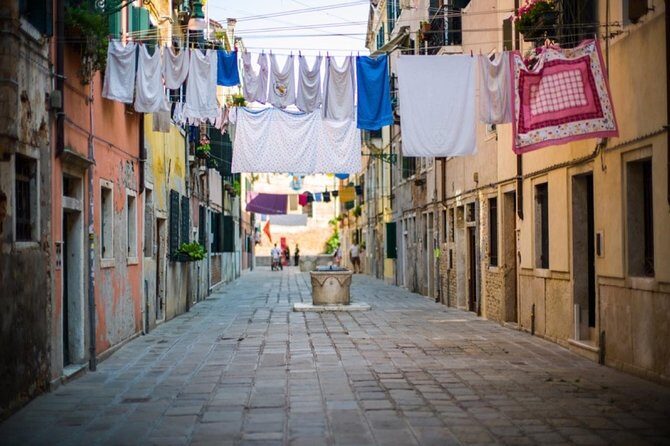
After St. Mark’s, you move into the Castello area, which is where Venice starts to feel more like neighborhoods than sightseeing stages. The guide takes you through calli (narrow lanes), bridges, winding canals, and wide campi (squares).
Your next stop is Campo Santa Maria Formosa, one of the largest squares in Venice. Here you’ll see a church named after its visitation of the Holy Virgin, which is a detail that helps you understand why places like this matter to locals. This is also the kind of square where you can pause and get your bearings without getting swallowed by the main tourist crush.
A practical win: this stop shifts you from landmark viewing to Venice-at-street-level. You start noticing how the city’s shape funnels foot traffic, how bridges act like connectors, and how squares provide breathing room between alleys.
San Zanipolo: Doges, memorials, and Colleoni outside your usual list
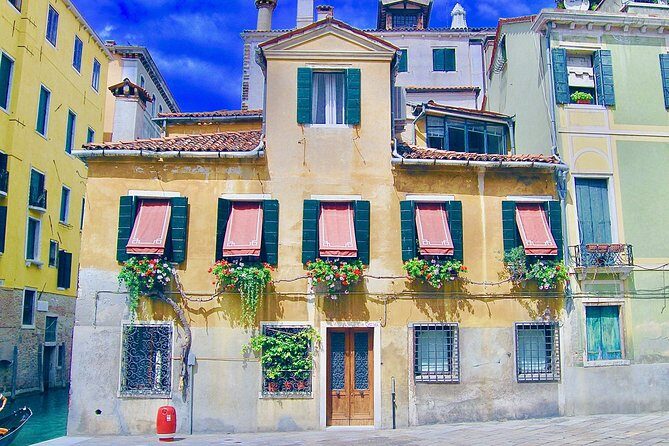
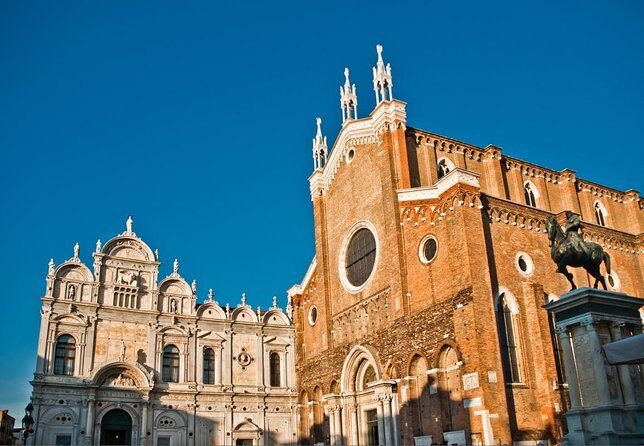
The next major anchor is Basilica dei Santi Giovanni e Paolo—often called San Zanipolo. The tour points out why this church is famous: it’s the resting place of several Doges, and you’ll also see the equestrian monument of Bartolomeo Colleoni nearby.
This is one of those stops that earns the “guided” part of the experience. Without context, you might walk through the area and just think it’s another church square. With a guide, it becomes a window into how power, leadership, and public memory were staged for Venice.
One thing to note: the tour doesn’t try to turn this into a long museum-style visit. You get a focused look and then you move on, which keeps the rhythm. If you want to linger and go inside buildings yourself, this walk is still a great setup because you’ll know what to pay attention to next.
You can also read our reviews of more guided tours in Venice





Casa di Marco Polo: the merchant thread through the city
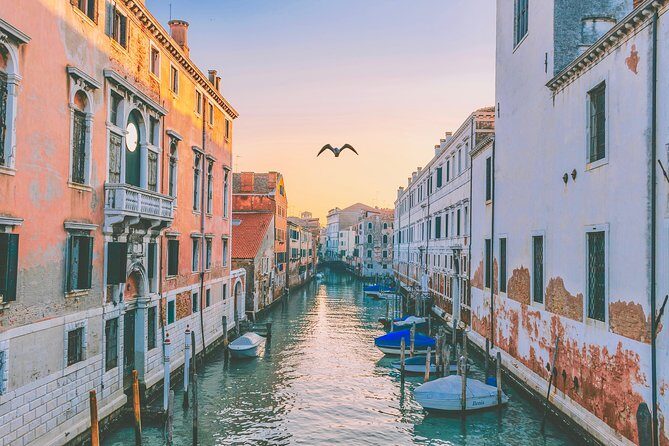
Then you go to Casa di Marco Polo, described as Marco Polo’s former residence in Corte Seconda del Milion. The tour frames the house connection through the idea of Polo as a famous Venetian merchant, which helps link Venice’s trade identity to the streets you’re standing on.
This stop is especially good for people who like their Venice story to include more than saints and palace politics. You get a different angle: Venice as a city of merchants and movement, reflected in the way important figures were tied to specific locations.
It also gives you a natural question to ask while you wander afterward: where do other trade stories show up in buildings, names, and neighborhood patterns? A short guided introduction like this makes you more curious in the hours after the tour ends.
Teatro Malibran: see it from the outside, learn why it exists
Next up is Teatro Malibran, with one clear limitation: you’ll view it only externally. That’s not a downside if your expectations are set. External viewing still works well in Venice because the relationship between the street, the façade, and the theater’s place in the city tells part of the story on its own.
The tour includes useful historical details about the theater’s origins. It says the earlier San Giovanni Grisostomo was built in only four months at the end of 1677. It was renovated many times, and the renovation of 1919 is what shaped the theater as you know it today.
I like stops like this because they blend architecture with time. Even if you’re not going inside, you come away with a clear line from earlier structure to the modern-looking venue. It turns a façade into a chapter.
Back to St. Mark’s: tying the Venice threads together
The last part returns you to Piazza San Marco, where the tour concludes around 1 hour and 30 minutes into the walk, with the full schedule listed as about 2 hours total. By then, the guide’s ongoing commentary has connected what you saw at the start with what you saw in Castello.
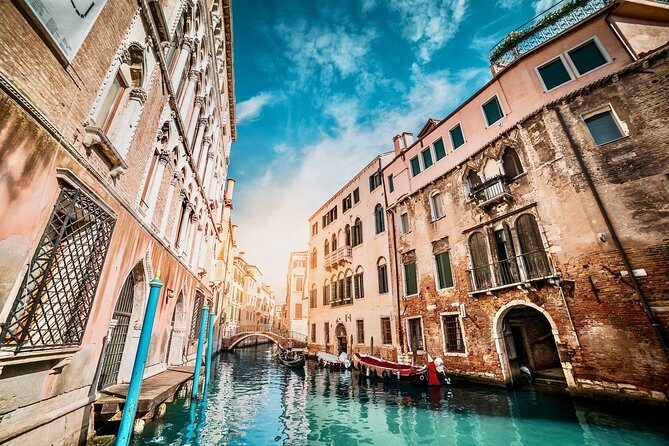
This closing loop matters. You don’t end feeling like you escaped the “real Venice.” Instead, you end with a sense of how the most famous square fits into the broader city fabric. You’ll likely notice how different the feel becomes as you move from the ceremonial center into the local street grid.
Rain, crowds, and comfort: small choices that change everything
Venice walking tours live or die on weather. This one operates in all weather conditions, so you should dress for what you’ll actually face, not what the forecast says on paper.
There’s also a practical human detail I like: when it was raining, the guide worked to find covering and still stand and explain as much as possible. That kind of adjustment is what keeps a short tour from turning into a damp shuffle where nobody can hear.
For your part, wear comfortable shoes. The route includes calli, bridges, and narrow lanes, which means uneven surfaces and frequent turns. Even if you’re an experienced walker, you’ll appreciate shoes built for street-level traction.
Price and value: what $38.13 really buys
At $38.13 per person for about 2 hours, this sits in the “short but guided” category. The big value piece is that you’re paying for a professional guide plus headsets, which help you hear and focus without spending your energy on volume.
Admission tickets are listed as free for the stops, so you’re not getting hit with extra attraction entry costs during the walk. The tour cost is therefore mostly the interpretation and route planning. In Venice, that’s often where the money goes: one hour of good guidance can help you get more out of the next few hours you spend on your own.
That said, there’s one fair consideration. If you want a long, deep, multi-neighborhood march or lots of inside visits, the 2-hour structure may feel a bit tight. The stop list is strong, but it’s still a focused sampler. Think of this as a strong orientation walk, not a full-day replacement.
What surprised me in a good way
The pacing. A number of people highlight that the tour stayed well paced, and I agree with the logic of that approach. In a city like Venice, “faster” usually means “less absorbed.” A steady rhythm helps you look up, then look down at the ground details, then look at the buildings again.
The guide’s enthusiasm also matters. When the commentary is passionate and organized, even quick stops feel like they have a point. And the fact that the tour supports multiple languages suggests they’re used to keeping explanations clear, not just reading names off a map.
Who this tour suits best
This is a great choice if:
- you want an organized first look at Venice’s core sights plus quieter Castello streets
- you like walking tours but hate feeling lost in a maze
- you want a guide to explain what landmarks meant and how symbols connect
- you prefer a small group with audio support so you can hear easily
It’s also a smart option if your time in Venice is limited. Two hours is enough to reset your sense of direction, and it sets you up for more rewarding self-guided wandering right afterward.
If you already know Venice extremely well and want very specialized details or long internal visits, you might feel the tour covers less than you hoped. In that case, you could pair this with one or two longer stops on your own so you can linger where your interests land.
Should you book this Venice guided walking tour?
Yes, if you want a fast orientation with a guide who keeps the walk moving at a human pace and helps you connect the major landmarks to the quieter neighborhoods around them. I especially think it’s worth booking early in your trip. Once you understand why places like St. Mark’s Square, Doge-related landmarks, San Zanipolo, and the Marco Polo connection matter, the city becomes easier to navigate and more meaningful to explore.
Skip it only if you’re looking for a long day of deep museum-style time or you strongly prefer going inside attractions on a guided schedule. Otherwise, this is a solid value for the combination of guide + headsets + targeted itinerary in just about two hours.
FAQ
FAQ
How long is the Venice guided walking tour?
It runs for about 2 hours (approx.).
Where does the tour start and where does it end?
It starts at TU.RI.VE. Meeting Point on Calle larga de l’Ascension in Venice, and it ends back at the meeting point.
Is the tour available in English?
Yes. The tour is offered in English (and also in French, German, and Spanish).
Does the tour include a guide and audio equipment?
Yes. It includes a professional guide and a personal audio system with headset for the commentary.
Are there entrance fees for the stops?
Admission is listed as free for the stops included in the itinerary.
Does the tour run in bad weather?
It operates in all weather conditions, so you should dress appropriately.
Is there a maximum group size?
Yes, the tour has a maximum of 20 people.
Do I need to pay a city access fee?
On certain dates, visitors staying outside Venice who visit for the day may need to pay a €5 access fee. Exemptions and applicable days are listed at https://cda.ve.it.