REVIEW · VENICE
Venice: Private Cannaregio and Jewish Quarter Tour
Book on GetYourGuide →Operated by Venice Events srl · Bookable on GetYourGuide
Venice feels bigger when you walk its side streets. This private Cannaregio and Jewish Quarter tour connects art, architecture, and real community history in just two hours. I love the Tintoretto-focused stops (including the church tied to his work) and I love how the guide explains what the Jewish Ghetto was, how it changed, and what life looks like there today. One thing to plan around: it’s not wheelchair accessible, and the walking pace and closures (especially on Saturdays) can affect what you’ll see.
You’ll start near the Rialto area, then move through Cannaregio’s quieter lanes, palace facades, and viewpoints toward the northern lagoon. The highlights are built around place-based storytelling, so the route feels like a guided walk through Venice’s “why,” not just its “what.” If your group includes a guide like Clementia or Sergio, you’re likely to get both passion and practical tips, including help with real-world stuff like train planning.
The main drawback for some people is timing and access. The tour doesn’t run on Saturdays, and that means synagogues and most shops in the area are closed. Also, entrance fees for certain sights (like the Madonna dell’Orto) aren’t included, so you may add a small budget at the church level.
In This Review
- Key takeaways before you go
- Why Cannaregio and the Jewish Quarter beats the usual Venice loop
- Starting at Campo San Bortolomio: get your bearings fast
- Cannaregio’s art stops: Campo dei Mori, Madonna dell’Orto, and Sant’Alvise
- Tintoretto’s Venice: why seeing the places matters
- The Jewish Ghetto: stepping onto a 14th-century timeline
- Crossing the bridges: what to look for in the Ghetto
- Santifying the day with views over the northern lagoon
- Optional add-ons: Jewish Museum and synagogue visits
- The old Jewish cemetery idea on the Lido
- Price and value: what $150.10 buys you in Venice time
- Small group comfort: up close, not shoulder-to-shoulder
- Who should book this tour, and who should skip it
- Should you book the Venice Cannaregio and Jewish Quarter tour?
- FAQ
- FAQ
- How long is the Cannaregio and Jewish Quarter tour?
- What is the meeting point?
- Is the tour wheelchair accessible?
- Which days does the tour run?
- Are entrance fees included for churches or museums?
- Does the tour include Jewish Ghetto history and sites?
- What languages are offered?
- Is transportation or food included?
Key takeaways before you go
- Tintoretto’s trail in Cannaregio: see where he lived, plus works tied to the church experience
- Madonna dell’Orto, often called Tintoretto’s church: a must if you care about his masterpieces
- Campo dei Mori and the “other” Venice lanes: less postcard, more lived-in streets
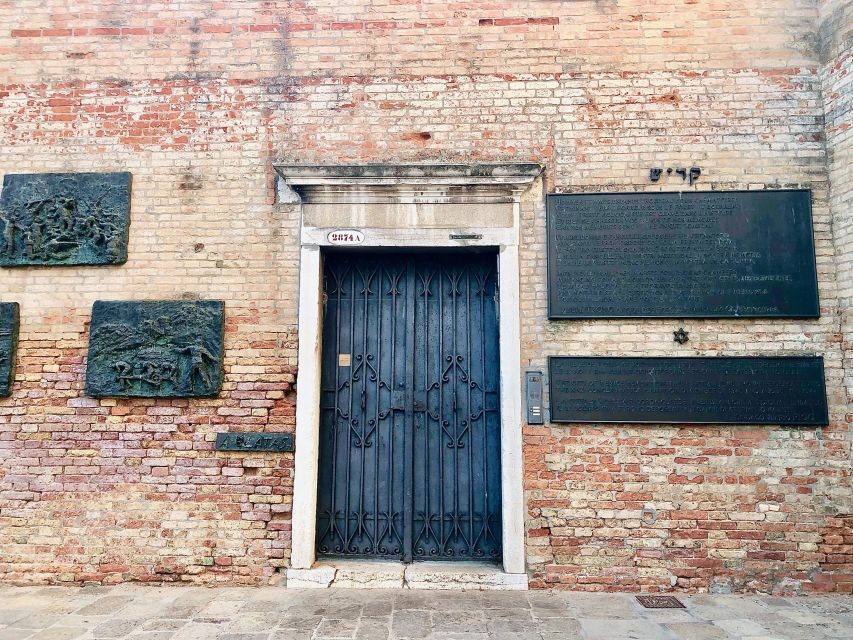
- Jewish Ghetto as an island within an island: learn the 14th-century origins and the 1516 confinement plan
- Three-bridge entry to the Ghetto: a detail that helps everything make sense when you’re there
- Small group of up to 6: you’ll get more back-and-forth than on big bus tours
Why Cannaregio and the Jewish Quarter beats the usual Venice loop
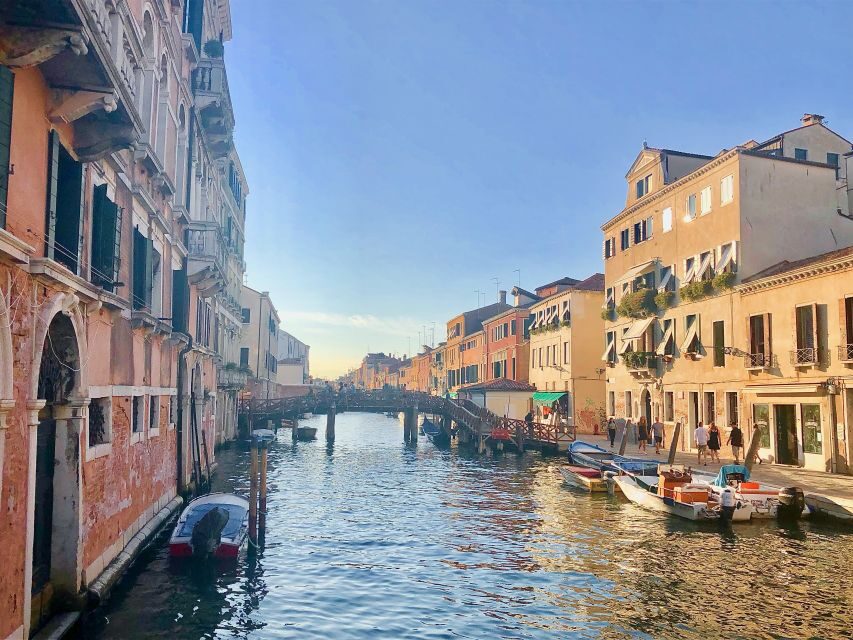
Yes, St. Mark’s Square is iconic. But it can also feel like Venice’s best photos, already packaged for you. Cannaregio and the Jewish Quarter are different. They’re about people, neighborhoods, and long-lasting layers of change.
This tour is built around two big themes that work perfectly together. First: Tintoretto and the way Renaissance art was tied to where people actually lived. Second: the Jewish Ghetto—its early origins, the Senate-approved 1516 confinement, and how daily life has continued there through different eras.
That pairing matters. You don’t just see monuments. You learn the human geography: where communities clustered, where power shifted, and how art and faith fit into the same city.
You can also read our reviews of more private tours in Venice


Starting at Campo San Bortolomio: get your bearings fast
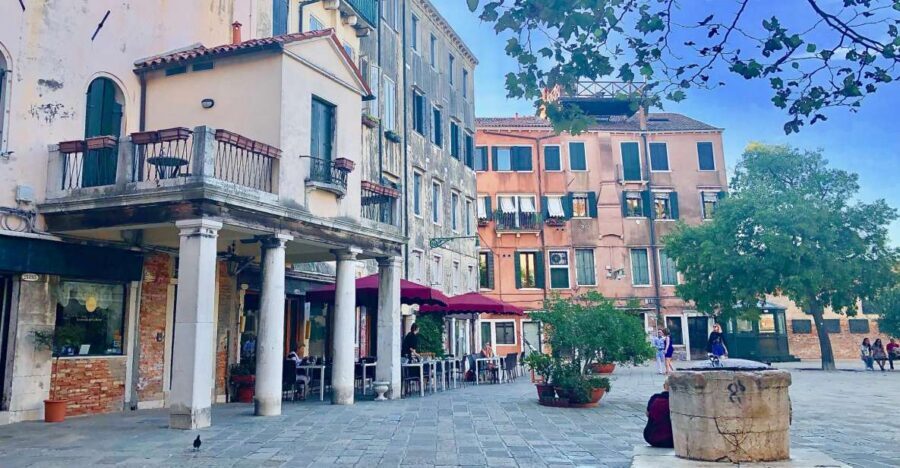
Your meeting point is Campo San Bortolomio, right in the Rialto neighborhood. You’ll meet in front of the statue of Goldoni, about a one-minute walk from the Rialto bridge. Show up 15 minutes early so you can meet your guide without stress.
This start location is smart for two reasons. One, it puts you near major walking routes, so you’re not burning time crossing the city. Two, it helps you ease into the day without immediately getting swallowed by the busiest tourist corridors.
Tour length is about two hours, and it’s a walking tour. That means the guide’s pacing matters. Because the group is limited to 6 people, you should be able to keep questions flowing, and the route doesn’t rely on a “follow the crowd” sprint.
Tip: if you’re using your phone for directions, plug in the coordinates (45.437670, 12.336797). Venice street names can be tricky when you’re juggling cameras, bridges, and crowds.
Cannaregio’s art stops: Campo dei Mori, Madonna dell’Orto, and Sant’Alvise
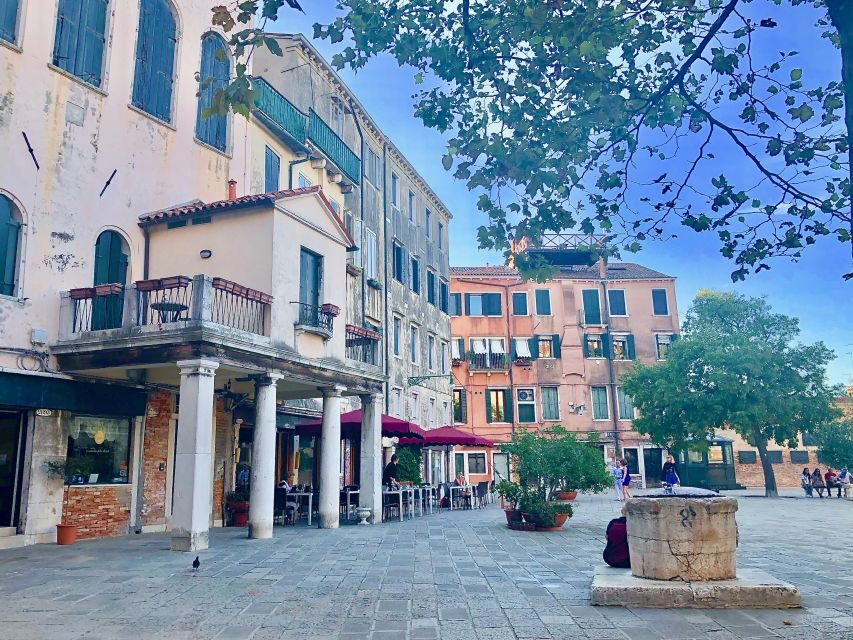
Cannaregio is where Venice feels more residential, more textured, and more “real.” The tour uses that neighborhood mood on purpose. You’ll look at palace facades and the kinds of houses that reflect the city’s trading past—along the way, you’ll also hear about homes connected to merchants from Arab trading histories.
One of the first named places is Campo dei Mori. The square name itself hints at the city’s layered past, and this is one of those stops where the guide’s interpretation makes the area feel less random. You’re learning how Venice absorbed different cultures through trade, then turned that mix into street-level architecture.
Then comes the big art moment: Madonna dell’Orto. This is often called Tintoretto’s church, and the reason isn’t vague. You’ll hear about how Cannaregio ties to Tintoretto’s life and work, and you’ll see why this church is treated as a must for fans. The tour includes a guided visit here, but entrance fees are not included, so consider it a small add-on if you want the full experience.
Also on the route is Sant’Alvise Church. You’ll get a guided look, and it helps break up the walk so you’re not staring at facades for the whole two hours. Churches in Venice do more than look pretty; they’re reading tools for the city’s identity—who funded what, where devotion shaped public space, and why certain artworks ended up where they did.
Tintoretto’s Venice: why seeing the places matters
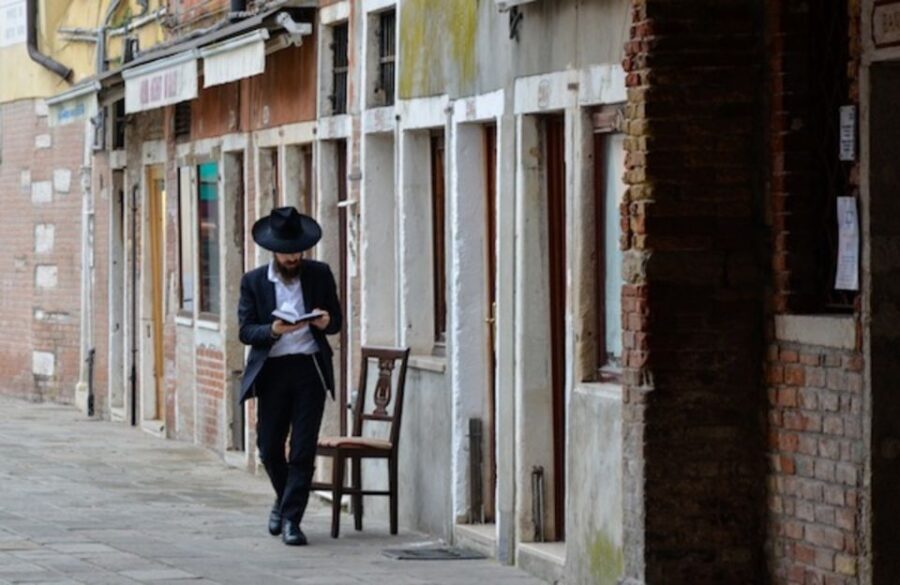
It’s easy to admire a painter from afar. It’s different when you connect the art to the neighborhood where the artist moved and mattered. This tour is built around that connection.
You’ll get pointed toward the area where Tintoretto once lived, then connect that to what you see at Madonna dell’Orto. The result is a kind of spatial timeline. Instead of learning his story as a list of dates, you start to understand how a Venice artist’s world was shaped by local streets, local patrons, and local churches.
If you’re a Tintoretto fan, this is the core reason to choose this specific tour. If you’re not, it still works because the art stops aren’t isolated from daily life. You’ll come away with the feeling that Venice’s great works were made in neighborhoods with groceries, neighbors, and ordinary routines—just with grand buildings and serious patrons alongside them.
The Jewish Ghetto: stepping onto a 14th-century timeline
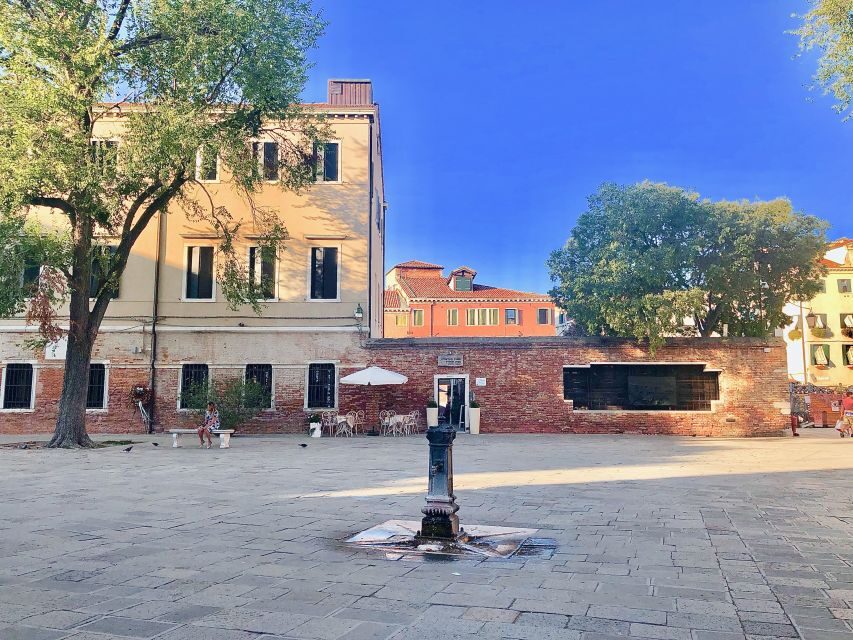
After the Cannaregio portion, the walk shifts into the Jewish Quarter—specifically the Jewish Ghetto. This area is described as an island within the city, and that framing helps immediately when you arrive. The tour emphasizes how the Ghetto wasn’t just a cultural zone. It was a controlled space.
Here’s the key historical backbone you’ll hear. The Jewish community in Venice traces back to the early 14th century. Then in 1516, the Senate approved the plan to move Jews into a closed area inside the city. In practical terms, that’s why the entry experience feels deliberate: you cross over one of the three bridges into the Ghetto, and your guide points out how that physical transition mirrors the historical one.
That matters because the Ghetto can look like a normal neighborhood from the outside. The story turns it into a site you can read. You start noticing details with a purpose.




Crossing the bridges: what to look for in the Ghetto
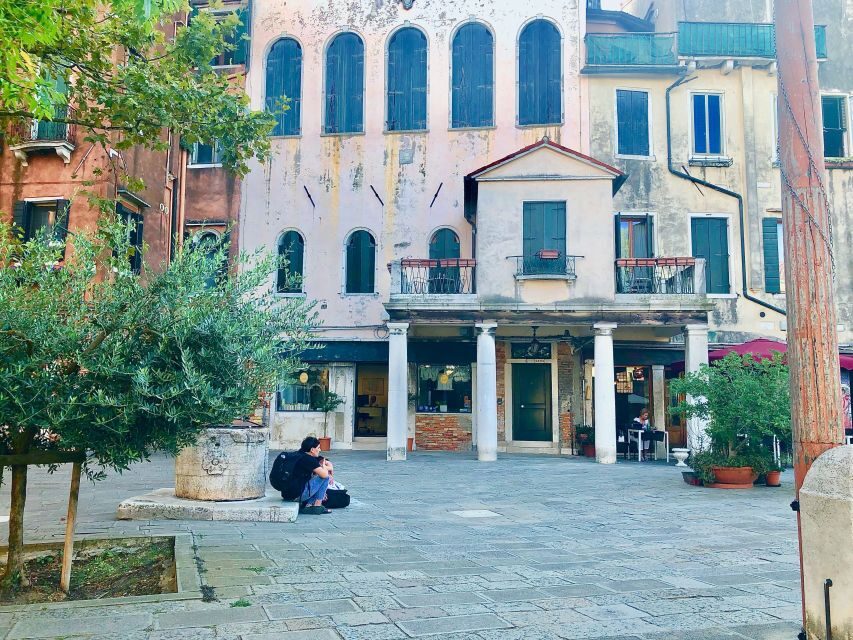
Once you cross into the Ghetto area, you’ll get guided context on what shaped daily life. The tour explains how the local Jewish community lived through different eras and how they live today.
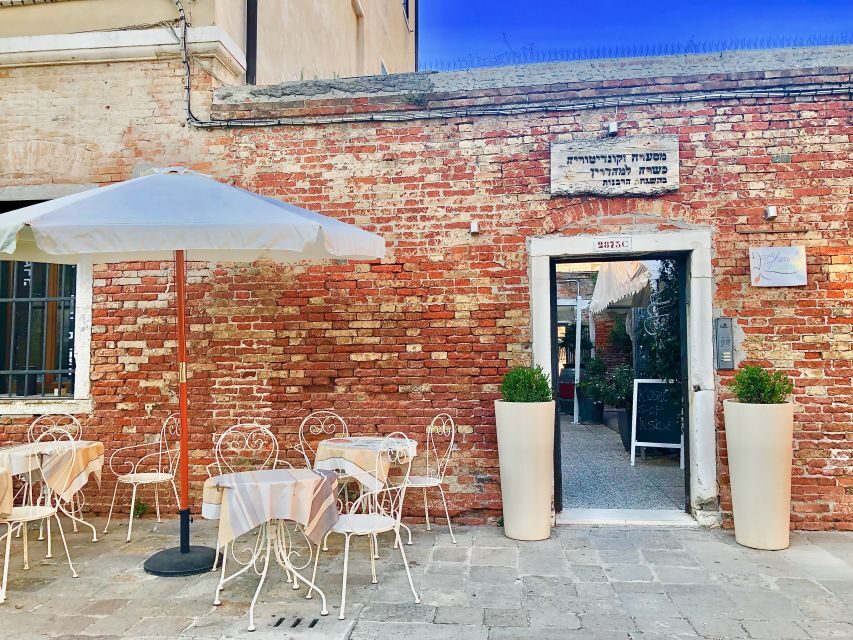
You can expect a guided walk that touches on life-as-it-is, not only history-as-it-was. The guide points out kosher shops and restaurants, plus community spaces like a library and synagogues where services take place currently.
You’ll also learn why the place can feel both intimate and heavy at the same time. The Ghetto is not just a “see it” stop. It’s where Venice preserves memory and continues practice.
A small, very practical note: the tour route includes synagogues and related institutions, but separate entry fees apply if you want to go inside the Jewish Museum and synagogues beyond the walking introduction. Your guide can still help you plan those visits as optional add-ons.
Santifying the day with views over the northern lagoon
One of the more enjoyable aspects of Cannaregio is that it isn’t only about streets. You also get moments where your guide directs your attention toward views of the northern lagoon.
Those breaks matter. They keep the two-hour walk from feeling like you’re just processing dense information on foot. A quick view over the water helps you reset your brain. You remember that Venice isn’t just architecture; it’s a city built in a watery maze.
Even if you’ve been to Venice before, those lagoon views can change the way the city “clicks.” They turn your mental map from a flat list of sights into something more spatial.
Optional add-ons: Jewish Museum and synagogue visits
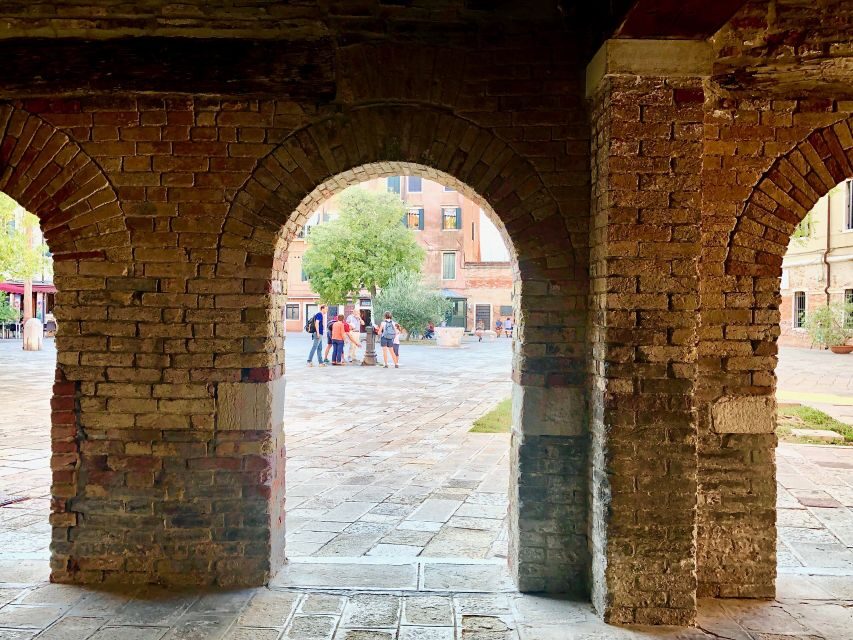
At the end of the guided walking portion, you have choices. You’ll have the chance to continue exploring the Jewish side sights separately, with the understanding that individual entrance fees are required for the Jewish Museum and synagogues.
This is a good setup. A two-hour private walk is ideal for learning what’s going on and orienting yourself. Then you decide how much more you want to pay for based on your interest level and time.
If you like museum-style context, the Jewish Museum can add depth. If you’re more interested in ongoing practice, the synagogue option can be meaningful. Just be aware that your opportunity can depend on the day you visit, since the tour doesn’t run on Saturdays.
The old Jewish cemetery idea on the Lido
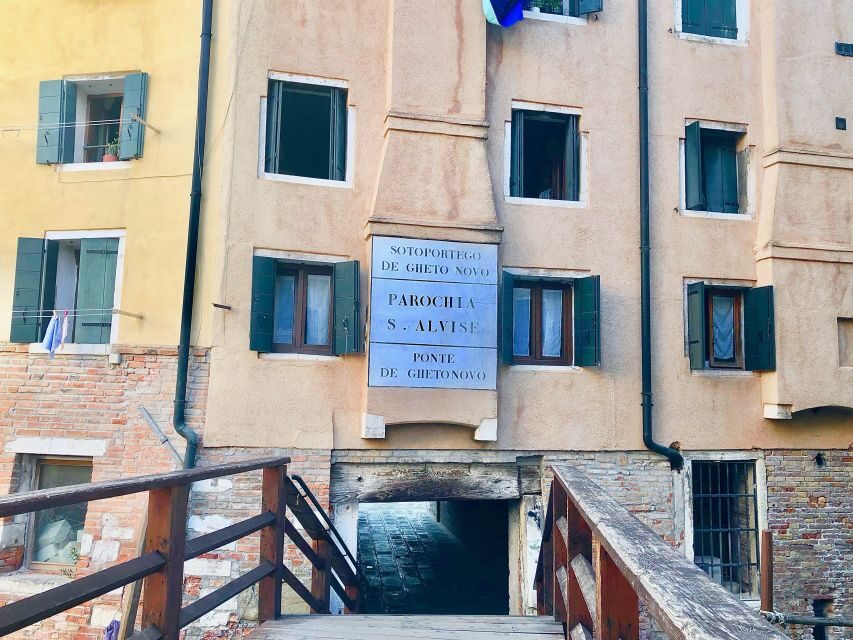
If the Ghetto stops leave you wanting more, your guide points toward a related site: the old Jewish cemetery on the Lido of Venice.
You’ll hear that writers like Goethe, Byron, and Shelley were fascinated by its melancholy beauty, and that the cemetery was abandoned in the 18th century. Even if you don’t do it immediately, it’s a solid “bookmark it for later” suggestion because it extends the story beyond the city streets and into memory on the shoreline.
Price and value: what $150.10 buys you in Venice time
At $150.10 per person for a 2-hour private walking tour, the price can look steep on paper. In Venice, though, that’s not unusual once you factor in small-group size and guide specialization.
Here’s what you’re paying for, in practical terms:
- A Jewish-history specialist guide, not just a generic city storyteller
- Private-style attention with a small group capped at 6
- Focused route planning through Cannaregio and the Jewish Ghetto
- Guided access around major context points, including the Tintoretto-related church stop (with a guide-led visit even though entrance fees aren’t included)
If you’re traveling as a couple or a small group, this can be good value compared with larger tours where you get less time to ask questions. It’s also a better deal than paying separately for fragmented explanations, like doing churches and the Ghetto with no human guide to connect the dots.
You’ll likely spend a bit more once you add entrance fees for Madonna dell’Orto and possibly the museum/synagogues. Still, you control those add-ons, instead of being forced into a long ticketed itinerary.
Small group comfort: up close, not shoulder-to-shoulder
A group limit of 6 participants makes a difference in Venice. You’re walking in narrow streets and near bridges, where crowds can turn a “quick explanation” into a struggle.
This tour also offers multiple languages: Spanish, English, German, Italian, and French. So you can choose the language that keeps the history clear. Clear history is the real luxury here, because the Ghetto story isn’t “fun facts.” It’s details that need context to land correctly.
And when it comes to guide style, two names stand out from the experience: Clementia and Sergio. Both are described as passionate about the area and helpful in real-world ways. That kind of guide presence makes a short walk feel longer and smarter.
Who should book this tour, and who should skip it
This tour is a great fit if:
- You care about Tintoretto and want the art placed in a real neighborhood context
- You want a guided introduction to the Jewish Ghetto with historical grounding
- You like walking Venice with fewer crowds and more conversation time
It might not be ideal if:
- You need wheelchair accessibility (this one is not suitable)
- You’re visiting on Saturday, since the tour doesn’t run then and many synagogues/shops in the area are closed
- You dislike paying extra for entrance fees at specific stops, like Madonna dell’Orto (not included)
Should you book the Venice Cannaregio and Jewish Quarter tour?
If you want Venice that feels connected—art to place, architecture to people, history to daily life—this tour is a strong choice. The biggest reason to book is the pairing: Tintoretto in Cannaregio and the Jewish Ghetto story, explained by someone who can connect details instead of reciting dates.
Book it if you have limited time and want a route that does more than check boxes. Consider skipping (or changing plans) if you’re traveling with mobility needs or you’re set on visiting on Saturday.
FAQ
FAQ
How long is the Cannaregio and Jewish Quarter tour?
It’s a 2-hour private walking tour.
What is the meeting point?
You meet at Campo San Bortolomio, in front of the statue of Goldoni. It’s about a 1-minute walk from the Rialto bridge. Arrive 15 minutes early and look for a sign with your name.
Is the tour wheelchair accessible?
No. This activity is not wheelchair accessible.
Which days does the tour run?
The walking tour does not take place on Saturdays. The synagogue and most shops in the area are closed.
Are entrance fees included for churches or museums?
Entrance fees are not included for the Madonna dell’Orto Church. Optional visits to the Jewish Museum and synagogues also require separate entrance fees.
Does the tour include Jewish Ghetto history and sites?
Yes. The guide focuses on the Jewish Ghetto’s history and includes guided walking through the area, including modern community spaces and current services locations.
What languages are offered?
The tour is available in Spanish, English, German, Italian, and French.
Is transportation or food included?
No. Hotel pick-up/drop-off and food/drinks are not included. The tour is walking only.