REVIEW · VENICE
Venice Private Walking Tour
Book on Viator →Operated by Travelling Italy · Bookable on Viator
Venice can feel like a maze. This tour turns the maze into a story. It’s a 100% private 2-hour walking route across Venice’s most famous neighborhoods, guided by a licensed local, with a start time that can match your vacation rhythm.
I especially like the focus on everyday Venice life, not just postcard moments. You’ll pass through places like Campo San Zulian and learn how locals move through the city day to day, with a guide who encourages questions as you go.
One thing to plan for: some of the big sights here require separate admission. The Teatro La Fenice, St Mark’s Basilica, Palazzo Ducale, and the Bridge of Sighs are marked as not included for tickets, so you’ll want a bit of extra budget and some timing flexibility.
In This Review
- Key things I found most useful
- How the 2-hour route fits real Venice schedules
- Rialto Bridge: the best launchpad for your canal-world story
- Teatro La Fenice: opera history at street level
- Campo San Zulian: where Venice feels lived-in
- St Mark’s Basilica and Piazza San Marco: seeing the cathedral without losing your mind
- Palazzo Ducale (Doges’ Palace): power made visible
- Bridge of Sighs: the shortcut between drama and confinement
- What private guiding really changes (and why you’ll feel it fast)
- Price and value: is $162.40 per person fair for Venice?
- Timing tips: when the tour works best in your day
- Who this tour suits best
- Should you book this Venice Private Walking Tour?
- FAQ
- How long is the Venice Private Walking Tour?
- Is this tour really private?
- Can I choose a start time and request pickup?
- Where does the tour start and end?
- What are the main sights on the route?
- Are admission tickets included for major sights like St Mark’s Basilica and Doge’s Palace?
- Is the tour offered in English?
- Do I get a mobile ticket, and is it suitable for most travelers?
- Can I cancel for free?
Key things I found most useful
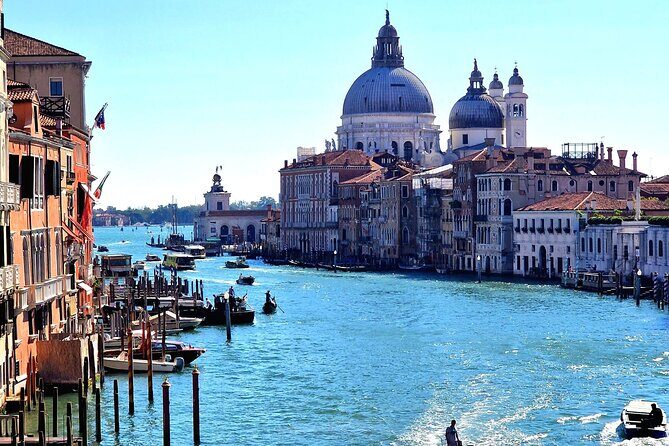
- Private pace, real questions: you can ask unselfconsciously and steer the conversation.
- Hotel pickup in central Venice: saves time when your day starts on foot and canals feel like delays.
- Easy-to-handle walking time: the route is light to moderate, done at your own pace.
- Opera and power, not just views: Teatro La Fenice and the Doge’s Palace add context to the scenery.
- A smart sequence of iconic stops: Rialto Bridge to San Marco area to Doge’s Palace and the Bridge of Sighs.
- English guiding: offered in English, with guides like Michele, Emanuele, Rossella, and Lucrenzia highlighted for strong, local-style explanations.
How the 2-hour route fits real Venice schedules
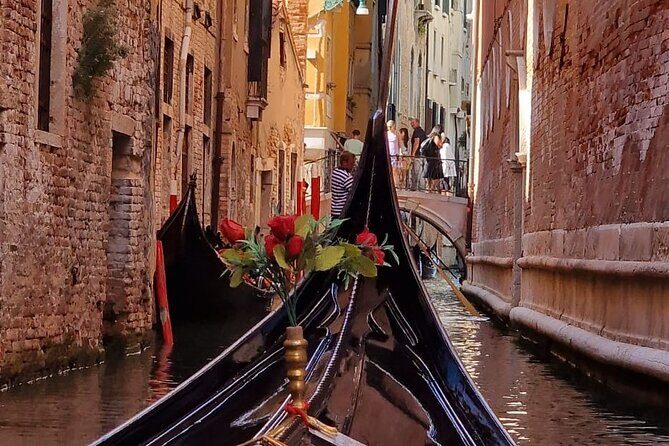
Venice runs on time windows. This tour’s big advantage is that it’s long enough to build a coherent picture, yet short enough to fit before or after a church visit, lunch, or an evening wander.
At about 2 hours, it works well as an orientation day activity. You’ll get your bearings fast, especially since you start near Rialto Bridge and end around Arsenale di Venezia. That end point can be handy because it doesn’t trap you back in the busiest core for the rest of your day.
The other practical win: you can choose a start time that matches your energy level. Early is often calmer. Midday can be louder. Either way, having a plan beats wandering in circles with no story to connect the streets.
You can also read our reviews of more walking tours in Venice


Rialto Bridge: the best launchpad for your canal-world story
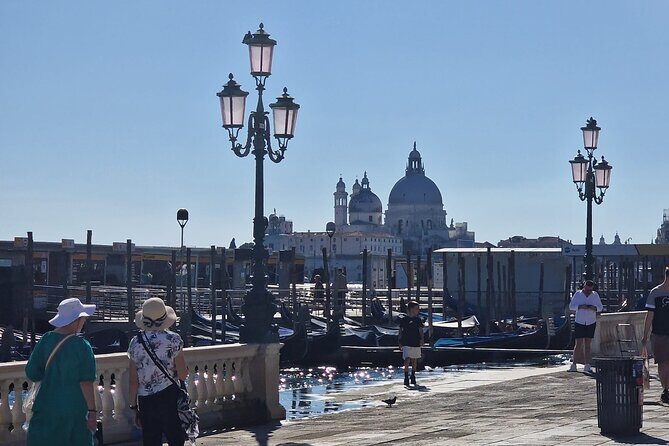
Your walk begins at Rialto Bridge, one of the oldest bridges crossing the Grand Canal. Even if you’ve seen it in photos, standing here helps you understand why Venice grew the way it did—trade, movement, and daily life all funnel through points like this.
This part is refreshingly simple: the admission listed here is free, so you can focus on the architecture and the role of the Grand Canal connection. It’s a great first stop because it sets the theme instantly. From the first few minutes, the guide can connect what you’re seeing to how Venetians actually think about their city.
If you’re the type who likes details, you’ll enjoy how the guide frames Rialto beyond the obvious bridge-and-gondola scene. The goal isn’t to recite facts. It’s to give you a mental map of Venice’s priorities.
Teatro La Fenice: opera history at street level
From Rialto, you continue toward Teatro La Fenice, Venice’s famous opera house. This is the moment where the tour stops being only about scenery and starts explaining cultural weight.
You’ll learn why La Fenice mattered, especially in the 19th century, as a key stage for major premieres. The guide ties it to the bigger bel canto era—Rossini, Bellini, Donizetti, and Verdi all get name-checked here—so the opera isn’t floating in the abstract.
A heads-up: admission is not included for Teatro La Fenice. That means you’re mostly experiencing it from the outside or in a way that doesn’t require you to pay entry as part of the tour price. If your dream is to go inside, plan for separate tickets.
Campo San Zulian: where Venice feels lived-in
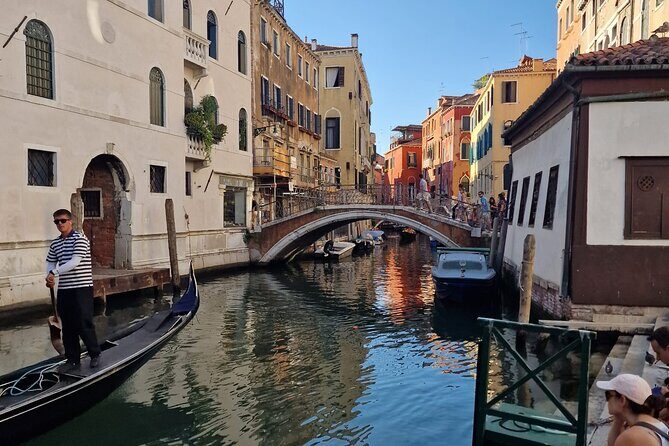
Next is Campo San Zulian, a central square that works like a time capsule of everyday Venice. This stop is easy to overlook if your brain is only focused on St Mark’s, but it’s exactly the kind of place that makes the city feel real.
You’ll hear how this square has been a meeting place since medieval times—full of markets, festivals, and daily life. You’ll also get context on the facades around you and why this route between Rialto and St. Mark’s mattered to wealthy families.
What I like about adding a square like this: it breaks up the “big monument” rhythm. After the Grand Canal and the opera-house name power, a normal Venetian gathering space restores balance. It’s also a perfect spot to ask questions, because you’re not stuck in a queue.
St Mark’s Basilica and Piazza San Marco: seeing the cathedral without losing your mind
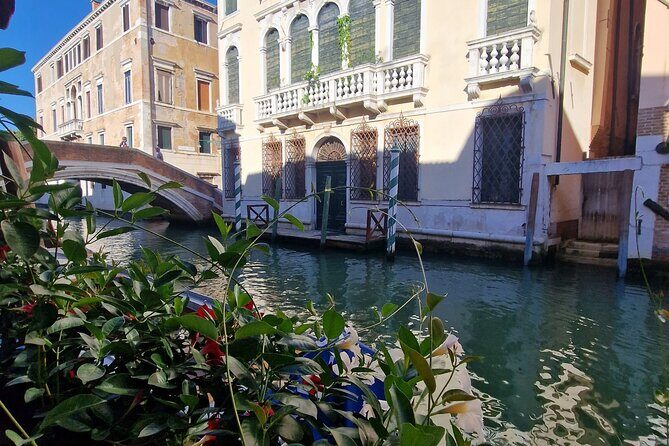
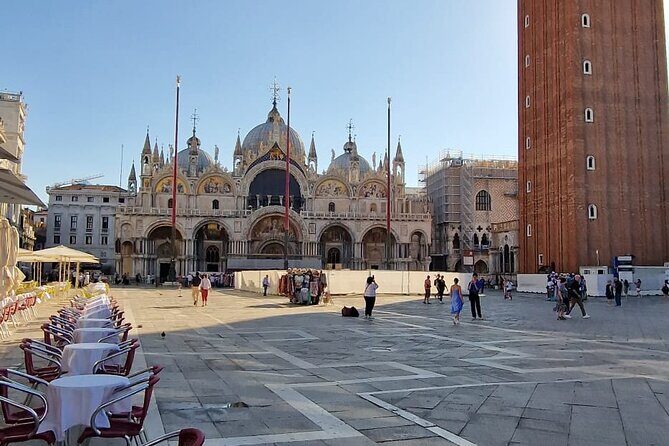
Then you reach St Mark’s Basilica and Piazza San Marco area—Venice’s main public stage. Even if you’ve seen images forever, standing here changes your sense of scale. Piazza San Marco isn’t just pretty; it’s a hub that makes Venice feel like a republic built on ritual and spectacle.
The basilica is described as the cathedral basilica dedicated to Saint Mark, and you’ll hear how it relates to the Patriarchate of Venice. This is where a guide’s narration matters. Without context, it can feel like a photo stop checklist. With context, you start noticing symbols, the logic of placement, and why these spaces were designed to impress.
The practical catch: admission is not included for St Mark’s Basilica. That means your time on-site may be more about orientation and understanding, not a full ticketed visit bundled in. If you want to go inside for yourself, build that into your broader day plan.
You can also read our reviews of more private tours in Venice



Palazzo Ducale (Doges’ Palace): power made visible
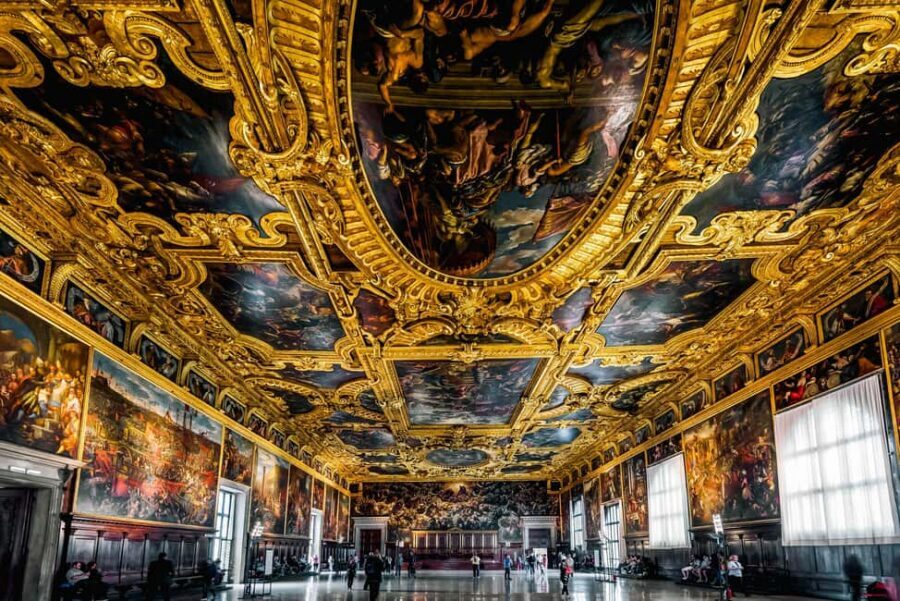
From Piazza San Marco area, you move toward Palazzo Ducale, the Doge’s Palace. This stop is a highlight for people who like history with human stakes—because the palace wasn’t just a fancy building. It was the home of the Doge and the seat of power for the former Republic of Venice.
You’ll get a clear picture of Venetian Gothic style, plus how the palace was built in 1340 and later extended. The tour frames it as a living object, then explains what happened when it became a museum in 1923.
Here again, admission is not included. So you shouldn’t assume you’re stepping inside with the tour price. What you get is a guided understanding of what the palace was, why it looked the way it did, and how it connects to the rest of your route.
Bridge of Sighs: the shortcut between drama and confinement
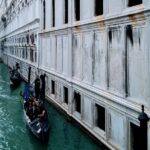
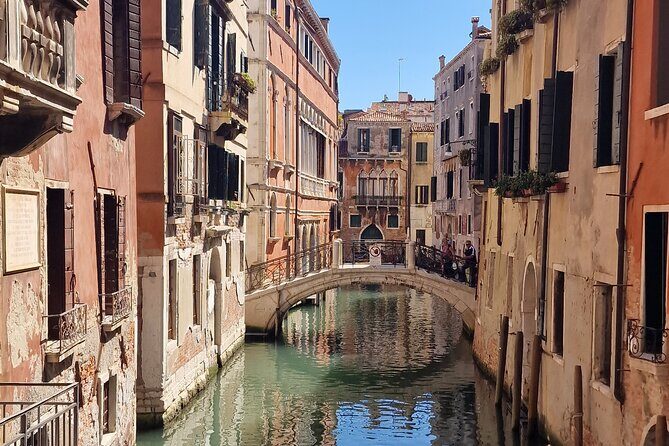
Next is Ponte dei Sospiri, the Bridge of Sighs. The story attached to this bridge is famously tied to detention and interrogation spaces, and the structure itself is described as enclosed, with windows and stone bars.
You’ll hear how it crosses over the Rio di Palazzo and connects the New Prison area with interrogation rooms in the Doge’s Palace. Designed by Antonio Contino, it also ties back to family connection with Antonio da Ponte (Rialto’s designer).
This is a great final “movie scene” moment for your walk. It’s not only beautiful; it’s loaded. And because it’s part of the same power-and-justice complex as the Doge’s Palace, the tour ties the whole theme together.
Like Palazzo Ducale, admission is not included, so don’t expect entry costs to be covered in the tour price.
What private guiding really changes (and why you’ll feel it fast)
The biggest quality factor in this experience is the guide. You can feel it in how the tour invites questions and adjusts the pacing.
Guides named in examples include Rossella, Michele, Emanuele, and Lucrenzia. Across those different people, the common theme is clear: they explain details in a way that feels local, not like a script read from a phone. They also share practical suggestions for what to do next, including food ideas.
In Venice, that matters more than people expect. A great guide doesn’t just tell you what a building is. They help you understand what you should notice first, what you can safely ignore, and how to connect one stop to the next so the city clicks.
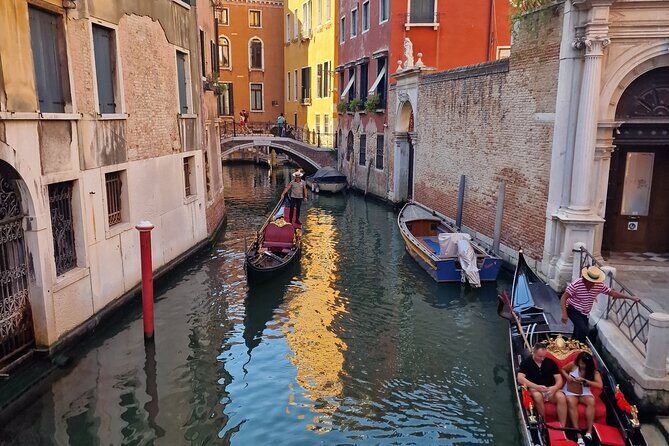
The tour is also 100% private, meaning it’s only your group. That changes the feel of timing and walking pace. No one is dragging the line. No one is slowing you down. You control the tempo.
Price and value: is $162.40 per person fair for Venice?
At $162.40 per person, you’re paying for private guiding, a structured route, and the convenience of hotel pickup in central Venice (when requested). You’re also paying for a 2-hour plan that covers major landmarks without forcing you into a full-day, ticket-heavy itinerary.
Here’s the honest value check: some of the biggest sights have ticket costs not included (Teatro La Fenice, St Mark’s Basilica, Palazzo Ducale, Bridge of Sighs). That means the tour price is best seen as paying for narration and guided movement, not a full package of museum admissions.
Is it still worth it? If you like understanding what you’re seeing, yes. Venice is one of those cities where a good guide can save you hours of confusion. If you’re someone who wants to only wander independently and isn’t interested in explanations, you might get less value.
For many people, this is a smart middle choice: you get the story and a clean route, and then you decide separately which ticketed sights you want most.
Timing tips: when the tour works best in your day
This tour is designed around Venice’s walking reality. Even when the walking is described as light to moderate, you’ll still be on foot in a compact, canal-connected city.
If you can, pick a start time that avoids the tightest crowds around San Marco. Early morning can help with comfort. Midday can work too, but expect it to be busier around the most famous landmarks.
Also, since some tickets aren’t included, you’ll want to think ahead: do you want to add on a full basilica visit time? Are you planning to spend extra time at Doge’s Palace? Your guide can help you prioritize, but you’re the one who controls your final ticket decisions.
Who this tour suits best
This is a strong fit if you want:
- A private, English-speaking guide who explains Venetian culture and everyday life
- A structured route from Rialto toward St Mark’s and beyond, without getting stuck making decisions
- A pace that matches your group, not a crowd calendar
It’s also great for groups of 7 (private tours make that kind of group feel easier to manage). If you’re a couple, it’s even better because you can ask more personal questions and get answers that feel tailored.
Where it may not fit perfectly: if you only care about taking photos and you’re not planning to spend much time thinking about history, the guide value may not land.
Should you book this Venice Private Walking Tour?
I think this is an easy yes if you want your Venice day to make sense fast. The combination of Rialto, San Marco area, the opera-house context, and the Doge’s Palace power story gives you a balanced snapshot—culture, architecture, and real civic life.
I’d skip or reconsider if you’re hoping the tour price includes admission to everything. Since key sights show tickets as not included, you’ll need to budget separately and plan your timing.
If you want a private guide who can help you ask questions without feeling awkward, this is the kind of tour that pays you back immediately—especially in Venice, where getting lost is easy and understanding the city is the real prize.
FAQ
How long is the Venice Private Walking Tour?
It runs for about 2 hours.
Is this tour really private?
Yes. It’s listed as a 100% private tour, with only your group participating.
Can I choose a start time and request pickup?
Yes. You can choose a start time, and the tour offers pickup from your central Venice hotel.
Where does the tour start and end?
The tour starts at Rialto Bridge (Ponte de Rialto) and ends in the Arsenale di Venezia area (Campo de la Tana).
What are the main sights on the route?
You’ll cover Rialto Bridge, Teatro La Fenice, Campo San Zulian, St Mark’s Basilica, Palazzo Ducale (Doge’s Palace), and Ponte dei Sospiri (Bridge of Sighs).
Are admission tickets included for major sights like St Mark’s Basilica and Doge’s Palace?
No. Admission tickets are not included for Teatro La Fenice, St Mark’s Basilica, Palazzo Ducale, and Ponte dei Sospiri. Rialto Bridge and Campo San Zulian are listed as free.
Is the tour offered in English?
Yes. The tour is offered in English.
Do I get a mobile ticket, and is it suitable for most travelers?
You get a mobile ticket. It’s noted as suitable for most travelers, and service animals are allowed.
Can I cancel for free?
Yes. You can cancel for a full refund up to 24 hours in advance of the experience start time.