REVIEW · PADUA
Italian Pizza Cooking Class with Chef Francesco in Padova
Book on Viator →Operated by Francesco Coin · Bookable on Viator
A real pizza shortcut is hard to find. This class gives you the hands-on steps to make authentic Italian pizza in just about two hours, right in Padua. You’ll get a white apron, a station with the tools you need, and an English-speaking chef who focuses on technique, not theater.
I especially like the one-on-one attention from Chef Francesco, even when the group is small. You also eat what you make at the end, so you can taste the difference your choices make—dough handling, fermentation logic, and how you build and cook the pie. One thing to consider: it’s a hands-on cooking session, so you’ll want to be comfortable getting flour on your hands and taking direction in real time.
In This Review
- Key Things I’d Book This For
- Meeting Chef Francesco at Italian Food Lab in Padua
- What Happens in the 2 Hours (No Guesswork)
- Start with Pizza Basics That Actually Matter
- Make the Dough by Hand at Your Station
- Top Your Own Pizza, Then Cook It
- Stretching Dough Like a Pizzaiolo (The Skill You’ll Use at Home)
- Ingredients, Fermentation, and Temperature: The Pizza Science, Simplified
- Toppings You Choose, Built with Intention
- Eating Together at the End: Why the Meal Matters
- Value and Price: Is It Worth $96.38?
- Who This Class Suits Best (And Who Might Want Something Else)
- The Small Details That Make It Feel Professional
- Tips for Getting the Most From Your Pizza Lesson
- Should You Book Italian Pizza Cooking Class with Chef Francesco?
- FAQ
- How long is the Italian Pizza Cooking Class with Chef Francesco?
- Where does the class start?
- What time does it start?
- Is the class offered in English?
- Is this a private activity?
- What will I make during the class?
- Do I receive any materials?
- Will I eat the pizza at the end?
- Is a mobile ticket used?
- Is free cancellation available?
- Are service animals allowed?
Key Things I’d Book This For
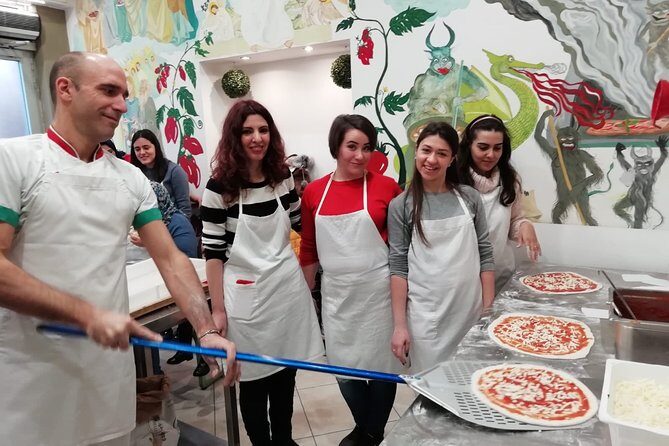
- Chef Francesco’s technique-first teaching so you understand the why, not just the steps
- Dough made by hand, then stretching it so it behaves the way pizza dough should
- You choose your toppings, then cook your own pizza and sit down to eat together
- A calm, serious-in-the-best-way vibe, where the chef is fun but instruction stays tight
- A private setup for your group, which makes questions easy and pacing smoother
Meeting Chef Francesco at Italian Food Lab in Padua
Padua is a fun base city for food experiences because it’s lively without feeling like you’re always fighting crowds. This class starts at Italian Food Lab on Corso Giuseppe Garibaldi, a straightforward meeting point near public transportation—good if you’re juggling other sightseeing plans.
You’ll begin at 9:00 am, and the activity loops back to the same meeting point at the end. That matters more than you’d think. No long trek across town, no “figure it out yourself” stretch afterward. You’re basically given a focused window to learn, cook, and eat without turning the day into logistics.
The setup is simple and welcoming. You’ll be given a white apron and assigned a working station stocked with the tools you need. In other words, you won’t spend your first 10 minutes hunting for rolling pins or missing a peel. The pace is fast enough to feel productive, but structured enough that beginners aren’t lost.
You can also read our reviews of more cooking classes in Padua
What Happens in the 2 Hours (No Guesswork)
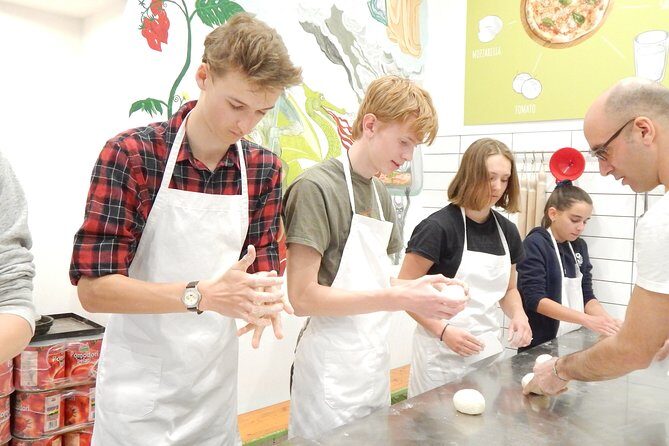
This isn’t a sit-and-watch lesson. The whole point is making pizza with your hands, learning what to watch for, then applying it immediately. Even if you’re an experienced home cook, you’ll probably pick up at least one detail you haven’t thought about before—usually around dough feel, temperature, and how pizza behaves once it hits the heat.
Here’s the flow you can expect:
Start with Pizza Basics That Actually Matter
Chef Francesco explains the foundations of pizza: ingredients, how dough rises, what temperature means for dough and cooking, and what instruments you use and why. This is where many cooking classes fall short, because they list steps without connecting them to results. Here, the goal is that when your pizza dough is different at home, you’ll know what to adjust.
The practical part is that you’re not memorizing a recipe like it’s a factory line. You’re learning the “rules of behavior” pizza dough follows—things like how fermentation affects texture and stretch, and what to do when dough doesn’t cooperate.
Make the Dough by Hand at Your Station
Next comes the workout: you’ll make the dough using your hands. That’s a big deal. You don’t just sprinkle flour and call it rustic; you feel when dough is smooth enough, when it needs attention, and how it responds as you work it.
You’ll also learn how to stretch the dough. Instead of wrestling with a rolling pin, you learn the pizzaiolo style method—building the pizza shape with controlled handling so the crust stays where it should. This is one of the highlights because it’s the part most people struggle with at home.
Top Your Own Pizza, Then Cook It
After the stretching lesson, you’ll top your pizza with your choice of ingredients. That freedom makes the class feel personal. You aren’t just eating whatever was prepared for the class. You make the pizza you actually want.
Then it’s time to cook your pizza. You’ll get the basics behind working with the oven and tools needed to put pizza in and manage it while it cooks. In particular, the chef teaches technique you can carry home—how to use the peel and handle your pizza like you know what you’re doing.
You can also read our reviews of more tours and experiences in Padua
Stretching Dough Like a Pizzaiolo (The Skill You’ll Use at Home)
If you want value from a cooking class, focus on the skills that transfer. For this one, that’s the dough work.
The key teaching idea is that pizza dough has a personality. If fermentation and handling are off, the dough won’t stretch the way you want. Chef Francesco’s instruction is built around preventing common problems before they happen. You’ll learn to stretch with confidence instead of force, so the dough stays workable and doesn’t turn into a rubbery mess.
One detail that stands out from the experience style is the way Chef Francesco combines seriousness with good humor. You’ll get guidance in a way that feels relaxed, but the learning isn’t watered down. You might even notice yourself checking your own technique mid-action—because the chef’s feedback helps you correct quickly.
The payoff is huge once your pizza comes out and you can see what your handling created: crust structure, dough texture, and how the toppings sit on the base.
Ingredients, Fermentation, and Temperature: The Pizza Science, Simplified
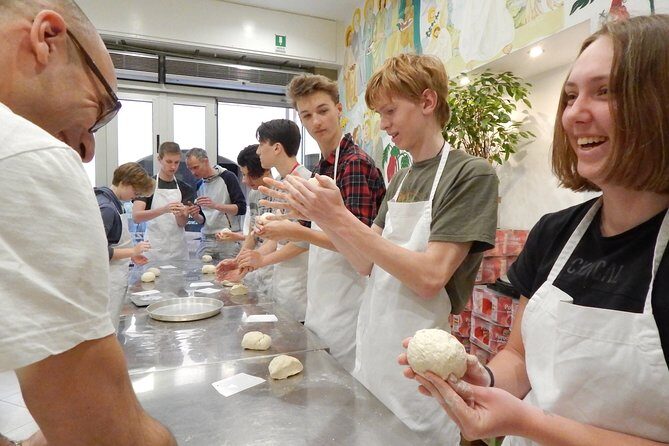
You’ll hear about dough rising and fermentation, plus how temperature affects dough and baking. You don’t need a chemistry degree. The point is to help you understand what you’re doing when you make pizza at home.
Here’s how that helps you as a visitor:
- When dough ferments longer or shorter than expected, it changes how it stretches and how it bakes. Learning the logic helps you troubleshoot without starting over.
- Temperature isn’t a vague idea. You’ll learn how oven and dough temperature impact cooking so you can aim for the right outcome rather than guessing.
- Tools aren’t random. A peel, for example, is about control—timing, placement, and not wrecking the dough when you move it.
This is the part that makes the class more than a one-off activity. It becomes a repeatable home skill, because you understand the levers you can pull.
Toppings You Choose, Built with Intention
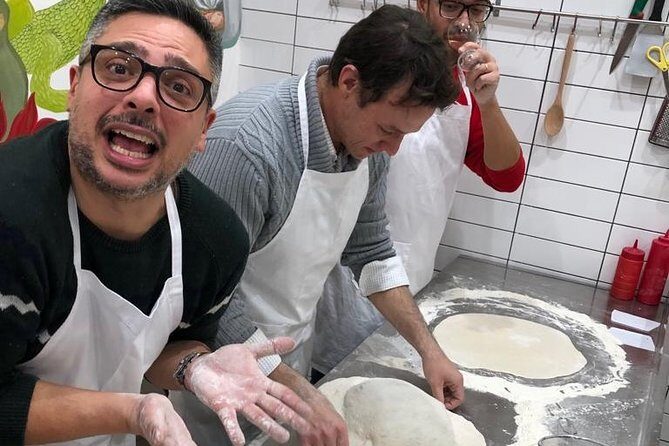
Topping a pizza sounds simple until you’re doing it under time pressure, with dough that’s already stretched and waiting. This class builds you a clear process for toppings after you learn the dough handling.
Because you pick what goes on your pizza, you can treat it like a personal pizza night—no compromise. That’s especially valuable if you have preferences (or dietary curiosity), since your final pizza is yours.
And since you’ll cook what you top, you’ll learn quickly what works and what doesn’t. For example, heavier toppings tend to behave differently, and wet ingredients can affect how the base cooks. Even without a long lecture, cooking your own pie teaches you what the chef wants you to notice.
Eating Together at the End: Why the Meal Matters
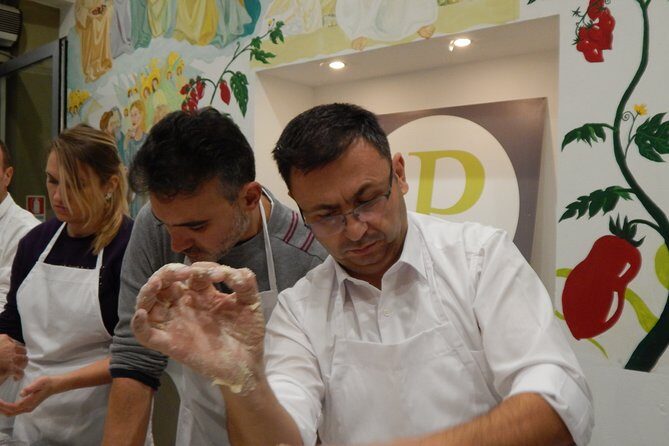
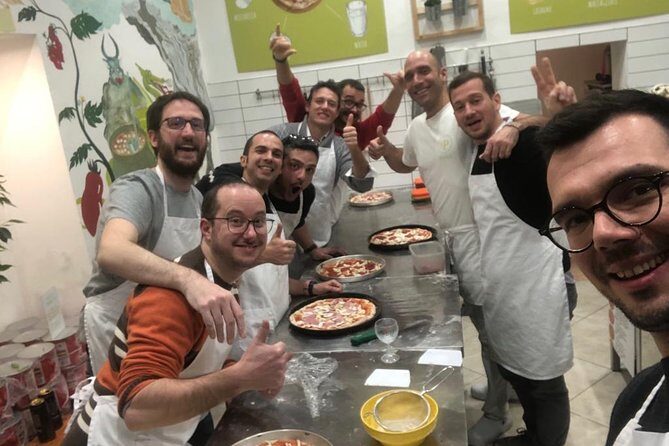
At the end, you sit down together to eat the pizza you made and drink together. That shared meal isn’t just a nice ending—it’s part of the learning loop.
You taste the results of every decision you made:
- how the dough handled after stretching
- how your topping choices cooked
- how the pizza texture turned out
It also helps you remember what worked, because you’re not separating cooking from tasting. Many cooking classes skip the “compare and reflect” moment. Here, you get the full circle.
Value and Price: Is It Worth $96.38?
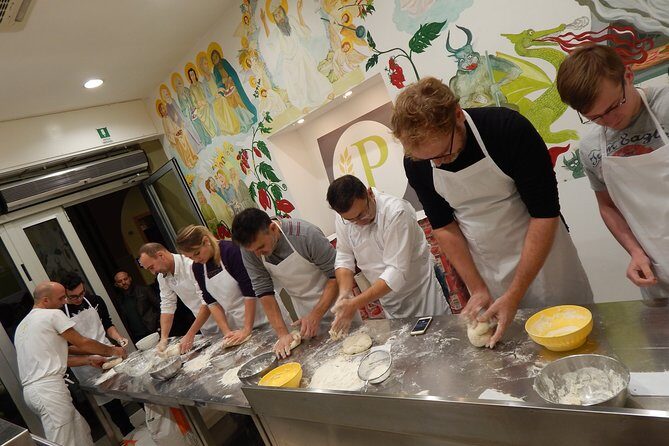
At about $96.38 per person for roughly two hours, this isn’t a bargain-bin activity. But it’s also not priced like a fancy restaurant meal.
You’re paying for:
- hands-on instruction with a professional chef
- a dedicated station with tools provided
- dough making, stretching, topping, and cooking your own pizza
- an end-of-class meal featuring your pizza
- English instruction
- a private tour/activity format where only your group participates
The best value here is the combination of time + coaching. Two hours is enough to actually create something, not just sample ingredients and call it education. And because you get focused teaching, you’re more likely to bring skills home instead of forgetting how you did it.
If you’re the type who likes experiences with a tangible outcome—food you made, not just photos—you’ll probably feel like the price fits.
Who This Class Suits Best (And Who Might Want Something Else)
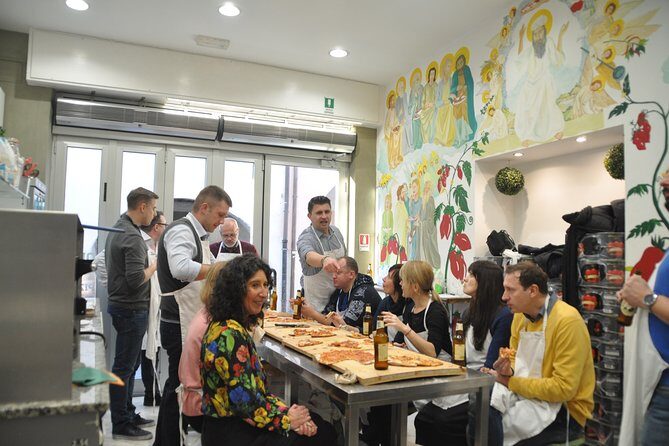
This pizza class is built for almost anyone who wants a practical cooking skill.
It fits well if you:
- want a fun, interactive meal experience while in Padua
- like learning technique you can repeat at home
- cook at home already and want better dough results
- need a gift that feels personal and hands-on
It can also be a good fit for families, since Chef Francesco is noted as accommodating (including when a baby joined). That said, it’s still a cooking class with real prep and active steps, so consider your group’s patience and attention level.
You might want to skip it if you’re only looking for a quick snack or sightseeing. This is a do-the-work experience first, with food as the reward.
The Small Details That Make It Feel Professional
What makes this class “feel right” is the way it runs like a real kitchen lesson, not a casual demo. For example, you start with apron on and then you’re immediately in the process—washing hands, preparing your station, and getting to dough. That structure helps you learn faster.
Also, the chef’s teaching style lands well: clear instructions, good humor, and serious focus on doing things correctly. You’ll likely leave feeling like you learned technique you can trust, not just copied a step someone else told you.
Tips for Getting the Most From Your Pizza Lesson
You’ll get better results if you approach the class with a learn-first mindset.
A few practical moves:
- Watch how the dough feels when the chef corrects you, not just what they say. Dough has texture clues.
- If something doesn’t work on the first attempt, don’t panic. Pizza dough can usually be adjusted with the right handling.
- Choose toppings you actually like. Eating your own pizza at the end is the moment that makes it all stick.
- Take mental notes on your process so you can recreate it later—especially stretching technique and tool handling.
If you want to impress people at home, focus on just one thing you improve. One strong technique beats five half-memorized ones.
Should You Book Italian Pizza Cooking Class with Chef Francesco?
I’d recommend booking this class if you want a hands-on food experience in Padua that gives you a real skill, not just a meal. The combination of technique coaching, making the dough yourself, and cooking what you top makes it feel worth the time and price.
If you’re hesitant because you think you might be a beginner, don’t be. This is taught in a way that supports cooks of different ages and skill levels, with one-on-one attention when you need it. The class is also private for your group, which usually makes questions and pacing smoother.
Overall: if you want to leave with pizza knowledge you can actually use next month, this is a smart pick.
FAQ
How long is the Italian Pizza Cooking Class with Chef Francesco?
It runs for about 2 hours.
Where does the class start?
The meeting point is at Italian Food Lab, Corso Giuseppe Garibaldi, 13, 35121 Padova PD, Italy.
What time does it start?
The start time is 9:00 am.
Is the class offered in English?
Yes, it’s offered in English.
Is this a private activity?
Yes. Only your group will participate.
What will I make during the class?
You’ll make pizza dough, stretch the dough, choose your toppings, and cook your own pizza.
Do I receive any materials?
You’ll receive a white apron, and you’ll work at a station with tools and instruments provided.
Will I eat the pizza at the end?
Yes. You’ll sit down together and eat the pizza you made.
Is a mobile ticket used?
Yes, the experience uses a mobile ticket.
Is free cancellation available?
Yes. You can cancel up to 24 hours in advance for a full refund.
Are service animals allowed?
Yes, service animals are allowed.