REVIEW · VENICE
Venice: Traditional Home Cooking Experience
Book on GetYourGuide →Operated by Timonfaya Travel Lanzarote · Bookable on GetYourGuide
Forget the tourist kitchens.
This class turns Giudecca Island into a real, lived-in Venice moment, not a food show. I love the hands-on pasta instruction (you’ll shape pasta fresca forms from scratch) and the home-meal vibe—welcomed with Prosecco and eaten family-style at the end. One thing to consider: you’re responsible for getting yourself to Giudecca since there’s no hotel pickup/drop-off.
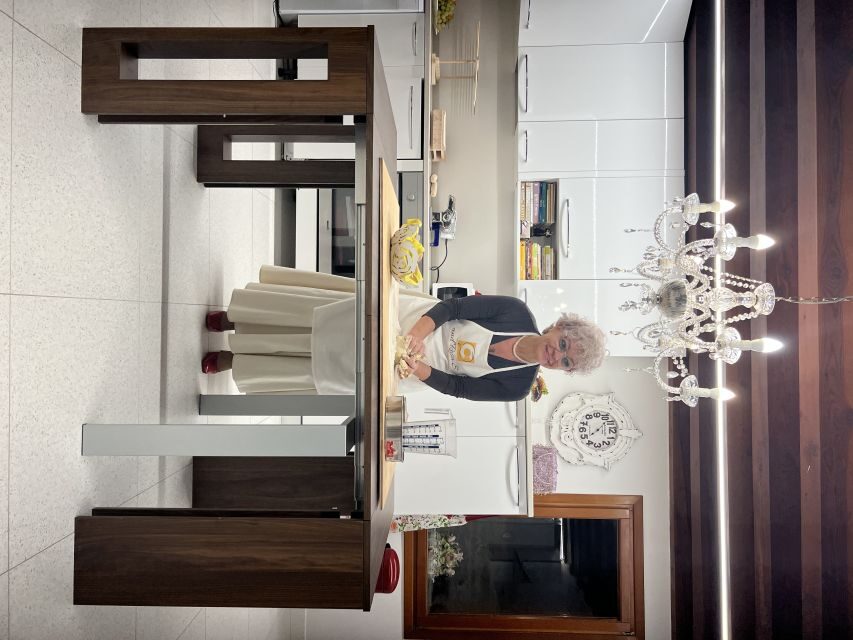
You’ll work with Rosa in her kitchen on Giudecca, where orchards and gardens still give the island a calmer feel than central Venice. In the same session, you may also hear English support from a translator such as Virginia, and you’ll often see Rosa’s daughter Angela helping run things. Either way, you’ll leave with recipes and the confidence to re-create the pasta and tiramisù back home.
In This Review
- Key Things I’d Prioritize Before You Go
- Why Giudecca Feels Like Real Venice
- Meeting Rosa at Her Kitchen: Getting to Giudecca
- From Prosecco to Aprons: What the First Hour Feels Like
- Hands-on Pasta Fresca: Dough, Shapes, and Real Chef Tips
- Sauce Plus a Second Course: Baked Vegetables and Fruit
- Tiramisu, Gelato, Wine, and the Sit-Down Dinner Moment
- What You’ll Take Home: Recipes and Confidence
- Price and Value: Is $123.48 Worth It?
- Who This Class Is Best For
- Should You Book This Venice Cooking Class?
- FAQ
- How long is the cooking class?
- Where does the class take place?
- How do I get there from San Marco?
- Can I take a taxi instead of the vaporetto?
- What will I learn to cook?
- Is alcohol included?
- What’s included in the price?
- What is not included?
Key Things I’d Prioritize Before You Go
- Giudecca feels like real Venice: orchards, gardens, and quieter island life
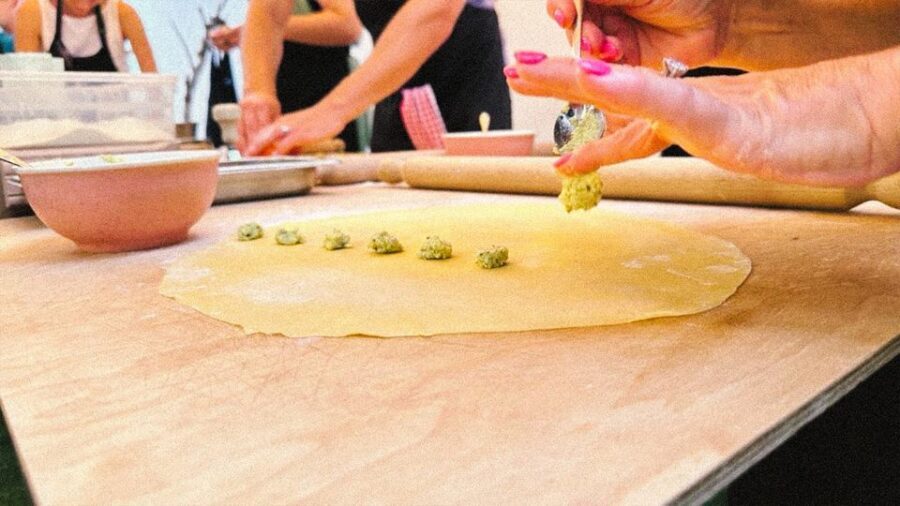
- You make the pasta dough and shapes: not just watching or tasting
- A full 3-course meal with alcohol: Prosecco welcome, plus Italian wine
- Tiramisu gets the real treatment: traditional method, followed by gelato
- Families work well here: kids can cook and get involved
- You leave with recipes: a practical souvenir, not just photos
Why Giudecca Feels Like Real Venice
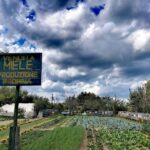
Giudecca is one of those rare Venice places where you don’t feel like every corner is built for postcards. The island still carries the rhythm of local life: gardens, orchards, and those warm-weather routines Venetian nobility used long ago by escaping the main city during summer.
That matters for this experience because the setting is part of what makes the class feel authentic. You’re not stepping into a studio kitchen far from the real place. You’re in a home kitchen on an island that still feels connected to daily rhythms—so the cooking lessons land more naturally, like you’re learning from someone who actually lives this food.
I also like the pacing this kind of location encourages. Venice can feel like constant walking and crowds. Here, you get a clear start time for a focused 3-hour activity, then you sit down and eat what you made.
You can also read our reviews of more cooking classes in Venice

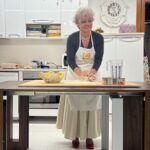
Meeting Rosa at Her Kitchen: Getting to Giudecca
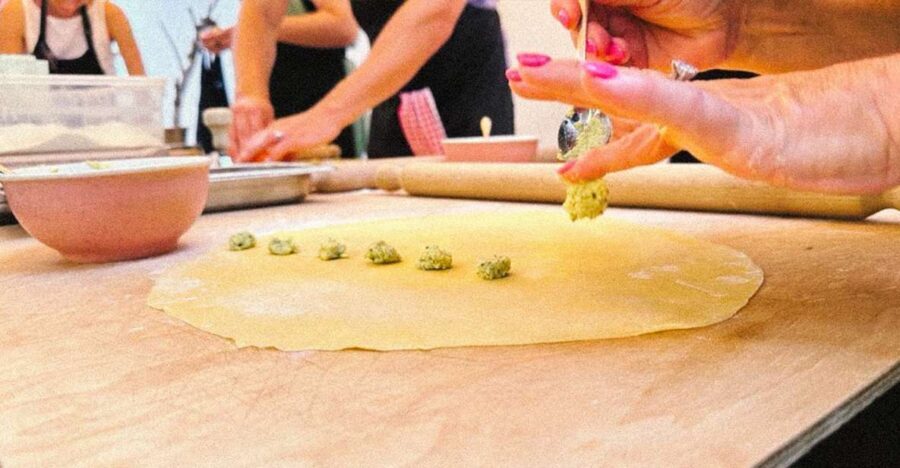
Your class starts on Giudecca, and you’ll return to the same meeting point at the end. No hotel pickup means you’ll want to plan your transit the way you would for any vaporetto outing.
By vaporetto: take the boat from San Marco, then ride line 2 or 4.1 to the stop Redentore.
By taxi: ask to be dropped at fondamenta della croce, Giudecca.
Once you arrive, look for the meeting point marker: Buzz “Rosa S”. From there, you’ll be welcomed and guided into the cooking setup—aprons, tools, and a clear plan for the 3 hours.
Practical tip: give yourself a little extra time. Venice transit is easy once you know the stop, but you don’t want to rush when you’re trying to settle in and start cooking.
From Prosecco to Aprons: What the First Hour Feels Like
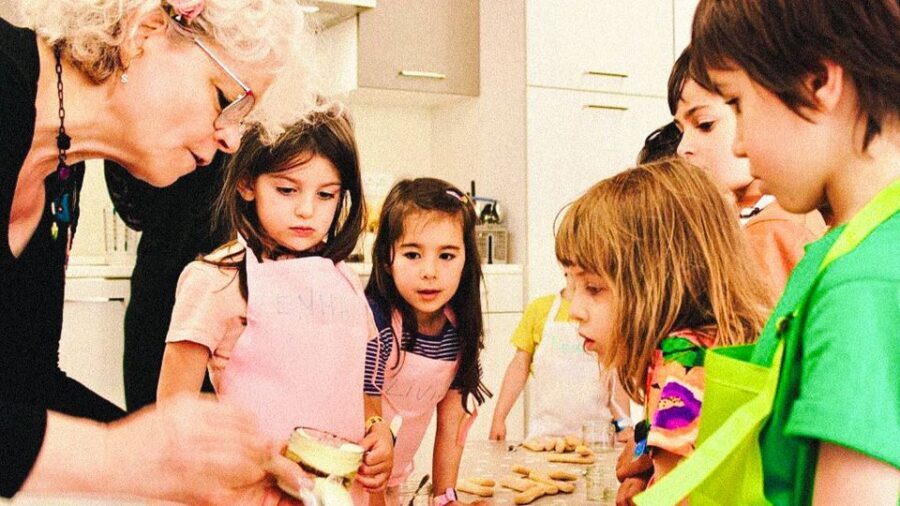
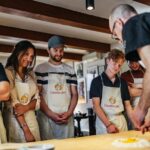
The welcome is part social, part lesson. You’ll start with a glass of Prosecco, and you’ll get aprons so you can jump in right away. This isn’t a class where you wait on the sidelines for someone else to do the work.
Rosa’s style comes through in the way the class is described: patient, hands-on, and tuned to the group. Reviews highlight how she teaches step by step and keeps things fun. If you’re traveling with kids, that detail matters—one family noted Rosa was especially kind and included their children in every aspect of the cooking.
Language support is also built into the experience: the host or greeter is English and Italian. Depending on the session, you may have a translator alongside the host—one review specifically mentioned Virginia helping. Either way, the goal is that you can understand the how and the why, not just the end result.
By the end of this early segment, you’ll be ready for the main event: fresh pasta dough and forming the pasta.
Hands-on Pasta Fresca: Dough, Shapes, and Real Chef Tips
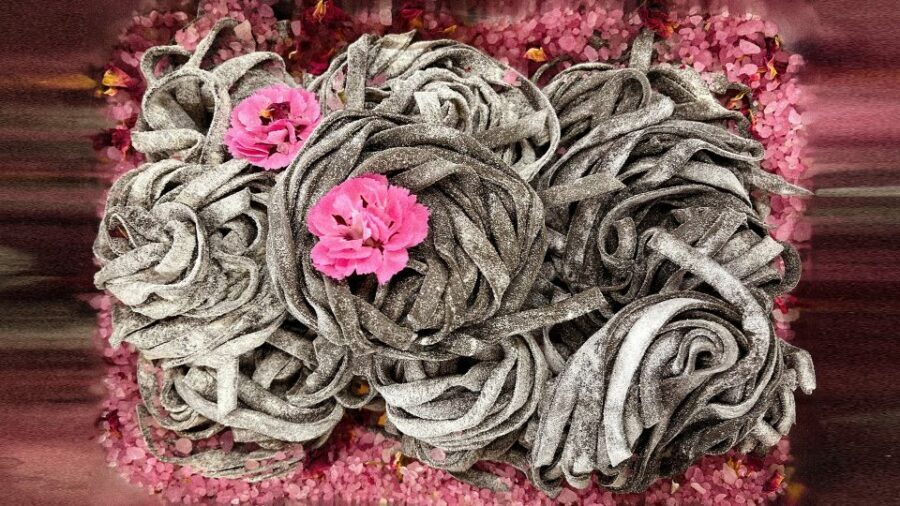
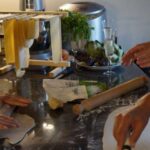
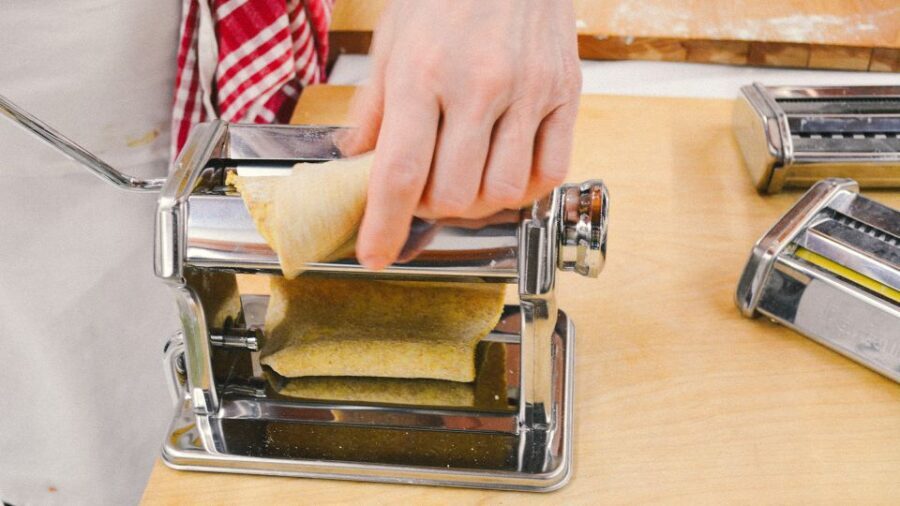
This is the reason to book. You’ll learn how to make pasta fresca from scratch, starting with the dough and then shaping it into traditional forms of fresh pasta.
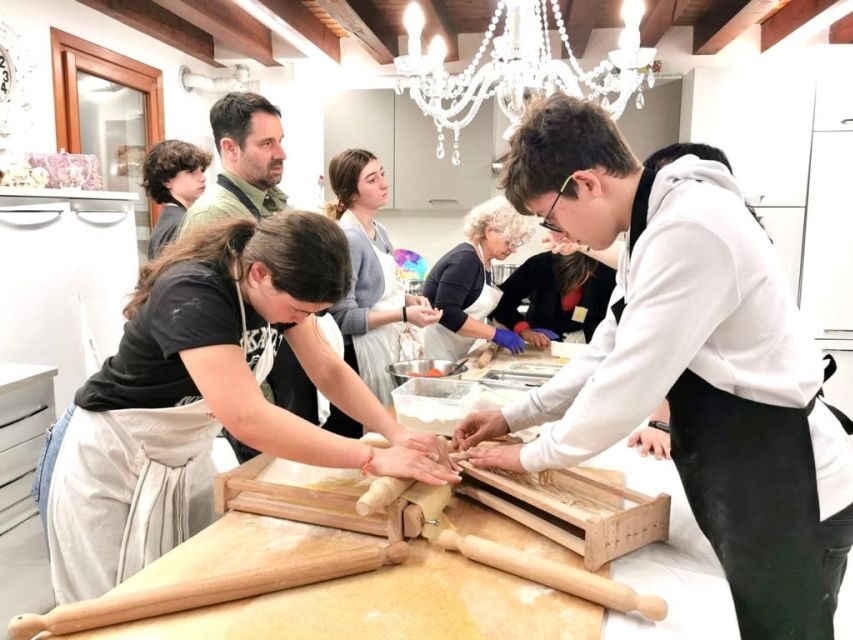
Expect plenty of hands-on time. You’ll work the dough, learn how it should feel, and then form it under the chef’s attentive guidance. This is the difference between a cooking class that gives you confidence versus one that just gives you dinner.
You’ll also learn the practical stuff you need at home: how to handle dough, what to watch for as it comes together, and how to keep your pasta moving from prep to cooking without turning it into chaos.
One of the most repeated themes in the feedback is that the pasta and sauces come out well, even when you’re a beginner. People also noted they made multiple pasta types or shapes, including forms like ravioli in at least one version of the session. The exact mix can vary, but the structure stays the same: dough → shaping → pairing with a fresh seasonal sauce.
Sauce Plus a Second Course: Baked Vegetables and Fruit
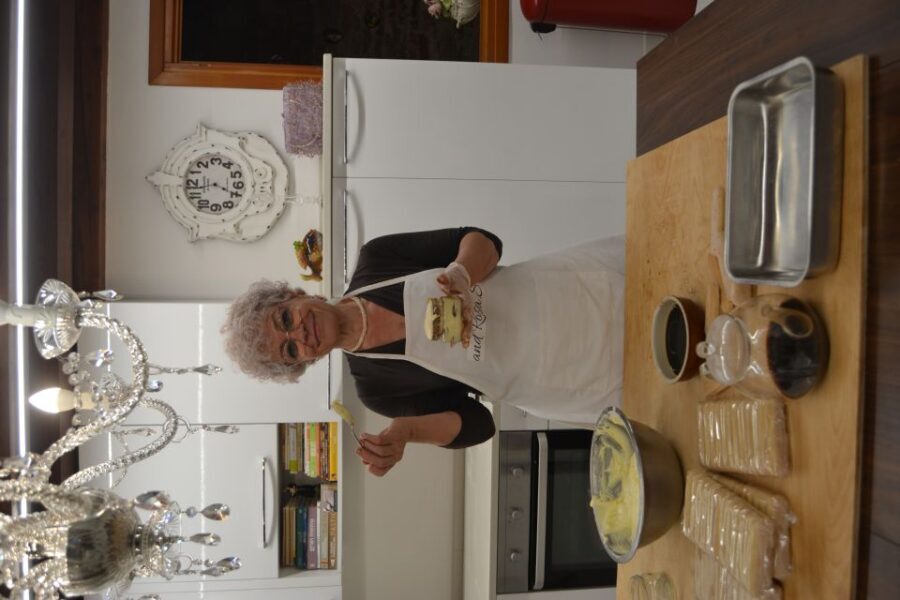
After pasta shapes, you move into sauces and the second course. The class includes creating a fresh seasonal sauce to dress your pasta. That sounds simple, but it’s exactly the kind of skill that pays off later. Pasta at home often tastes flat when the sauce is treated like an afterthought. Here, you build the sauce with guidance, then use it immediately.
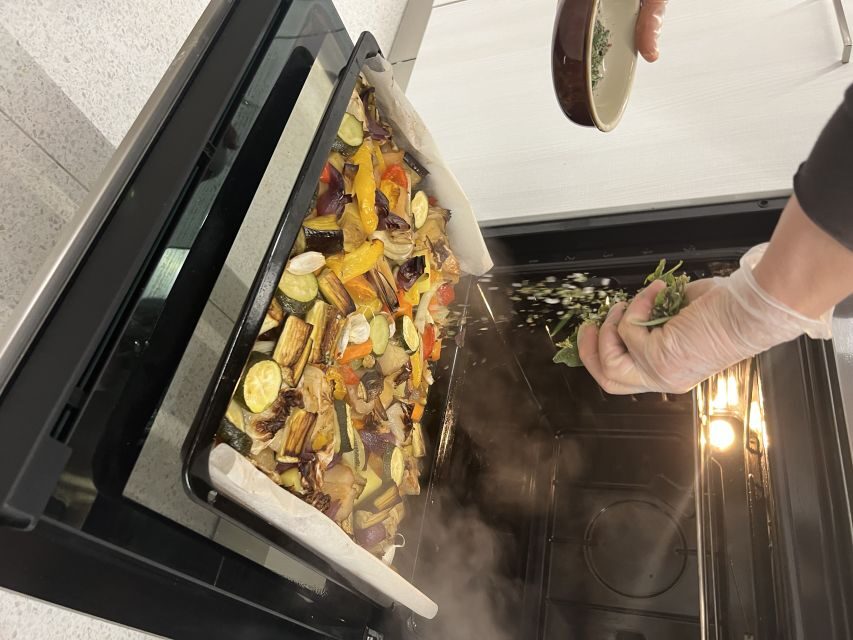
Then comes the baked dish: a pan of vegetables and fruit as a second course, described as the host’s signature style. One review mentioned kiwi showing up in the baked fruit-and-veg dish. That might sound odd until you’re in the kitchen watching how it all comes together, and it’s a good reminder that Italian cooking can be more playful than people expect.
The key value here is how the class reframes ingredients. You’re not just cooking a meal; you’re learning how to think in Italian flavors: sweet-meets-savory, seasonal produce, and simple methods that taste bigger than they look.






Tiramisu, Gelato, Wine, and the Sit-Down Dinner Moment
By the end, you’ll make the dessert classic: tiramisu using the traditional recipe, followed by gelato. The way this class frames tiramisù matters. It’s not just assembling ingredients. You’re guided through the steps so you understand what the dessert is supposed to feel like, not just how to copy a picture.
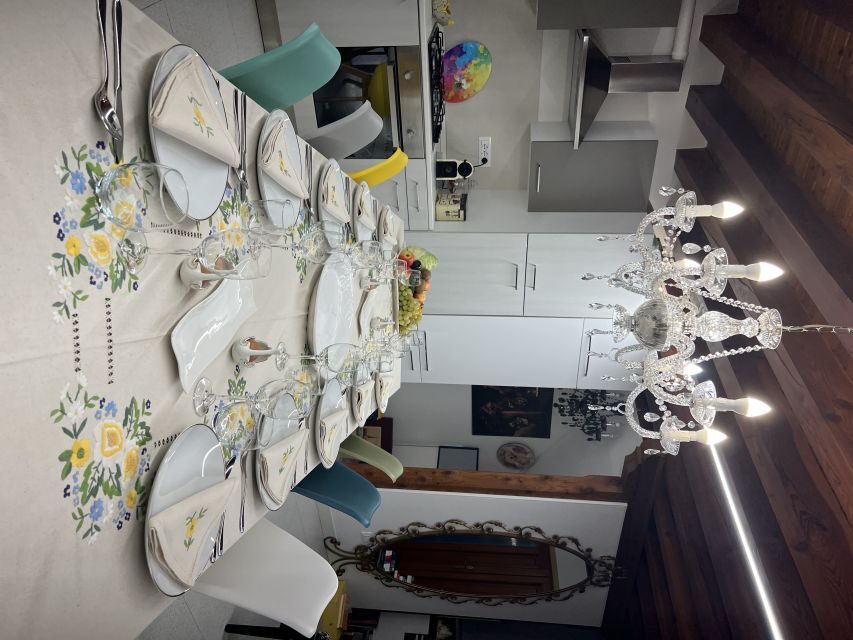
After cooking, you sit down and eat what you prepared. You’ll choose a chair of your favorite color, then enjoy the meal with local wine or water. A classic Italian coffee usually wraps things up.
Alcohol is part of the experience: Prosecco at the start and additional Italian wine during the meal, plus alcoholic beverages are listed as included. Keep that in mind if you’re trying to stay sharp for the walk back and if you’re sensitive to wine with lunch or dinner.
This is also where the “home” aspect really lands. You’re eating at the end of a working session, so the food tastes better because you helped make it. And since the dessert is made in the same session, it feels like a full-circle ending.
What You’ll Take Home: Recipes and Confidence
The best souvenirs are the ones you can use. This class includes recipes you’ve learned, so you can repeat pasta fresca and tiramisù at home without guessing.
You’ll likely walk away with more than just one dish, too. The hands-on structure means you understand multiple steps: dough, shaping, sauce, and the dessert workflow. Reviews repeatedly mention feeling confident enough to try again once back home, which tells me this isn’t just a one-time performance.
Also, the portioning can be generous. One note from a family: they left with a lot of food, which can matter if you’re flying soon after. Even if you don’t get a packed take-home portion every time, you should plan for the possibility that dinner will be filling and leftovers might happen.
Price and Value: Is $123.48 Worth It?
$123.48 per person sounds like a “splurge” until you break down what’s actually included.
You’re getting:
- a 3-hour, hands-on cooking class
- a 3-course meal
- wine and alcoholic beverages (including Prosecco welcome)
- lunch/dinner service as part of the experience
- recipes to take home
In Venice, paying for experiences is normal, but a lot of food activities are mostly tasting. This is different: you actively cook and then eat. You’re also paying for a chef’s time plus instruction, not just ingredients.
So the value hinges on your goal. If you want a fun evening with a real meal, you’re covered. If you only care about eating one “Italian thing” quickly, you might feel it’s pricier than you needed. But if you genuinely want skills you can repeat, this price makes more sense.
Who This Class Is Best For
This is a strong fit for people who like practical experiences. If you’re the type who wants to learn how food works, not just where to eat it, you’ll probably love it.
It also seems family-friendly. One review described Rosa as patient with kids ages 11 and 8, pulling them into the cooking rather than keeping them seated. If you’re traveling with multiple generations, this kind of structure helps everyone participate.
Language shouldn’t stop you either. The host or greeter supports English and Italian, and you can benefit from translation help when needed (Virginia was named in one account).
If you’re a solo traveler, you still get the welcome and the focused instruction. And if you’re a couple or group, this is a good shared activity because everyone cooks, then everyone eats together at the end.
Should You Book This Venice Cooking Class?
Book it if you want more than another restaurant meal in Venice. The best reason is simple: you’re learning pasta fresca and tiramisu in a real home setting on Giudecca, then sitting down to enjoy your own work with wine and coffee.
Consider this instead if you hate planning transit. Since there’s no hotel pickup and the class is on Giudecca, you’ll need to use the vaporetto (line 2 or 4.1 to Redentore) or a taxi to fondamenta della croce. If you’re short on time and want everything right in San Marco, this might feel like extra effort.
If you do book: go hungry, wear shoes you can stand in, and think of the class as a skill-building dinner. It’s the kind of evening that gives you something to practice later, not just something to remember.
FAQ
How long is the cooking class?
The experience lasts about 3 hours.
Where does the class take place?
It takes place on Giudecca Island in Venice (Veneto, Italy).
How do I get there from San Marco?
You can take the vaporetto from San Marco on line 2 or 4.1 and get off at the Redentore stop.
Can I take a taxi instead of the vaporetto?
Yes. The taxi drop-off mentioned is fondamenta della croce on Giudecca.
What will I learn to cook?
You’ll make traditional pasta fresca from scratch, create fresh seasonal sauce, prepare a second course of baked vegetables and fruit, and make tiramisù with gelato.
Is alcohol included?
Yes. You can expect a Prosecco welcome and fine Italian wine during the meal, and alcoholic beverages are listed as included.
What’s included in the price?
Included are the hands-on cooking class, a 3-course meal with wine, lunch/dinner, and alcoholic beverages.
What is not included?
Hotel pickup and drop-off are not included. The class ends back at the meeting point.