REVIEW · VENICE
Venice: Watercolor Painting Class at the Prisons Palace
Book on GetYourGuide →Operated by CITY TOURS CO LTD · Bookable on GetYourGuide
Your Venice day gets a paintbrush storyline. This small-group watercolor class at Prisons Palace turns iconic city corners into something you can actually reproduce, guided by a Venetian artist. The lesson is practical from minute one: you start with drawing and end with color, while learning how light changes what your eye thinks it sees.
I especially love the way the class builds from a solid pencil sketch to confident paint work. I also like the focus on Venetian light—how it affects color, shadows, and the mood of the scene.
One consideration: this experience is not fully accessible for wheelchair users or people with walking disabilities, so plan on comfortable footwear and a bit of standing and moving around.
In This Review
- Key takeaways before you pick a time
- Prisons Palace: the setting that makes you slow down
- The 105-minute class flow: sketch, then color, then confidence
- Techniques that actually show up on your paper
- Where you focus your paint in Venice
- Small group teaching: why 6 participants feels like a cheat code
- What’s included (and why you shouldn’t show up empty-handed)
- Price and value: $89.50 for 105 minutes that gives you a skill
- Who this class is for (and who should skip it)
- How to find Prisons Palace without wasting daylight
- Should you book this Prisons Palace watercolor class?
- FAQ
- How long is the watercolor painting class?
- How much does it cost?
- Is the class small?
- What languages are offered?
- What should I bring?
- Are art supplies included?
- Is anything included besides the class itself?
- Where do I meet the group?
- Is this activity accessible for wheelchair users?
- Are pets allowed?
Key takeaways before you pick a time
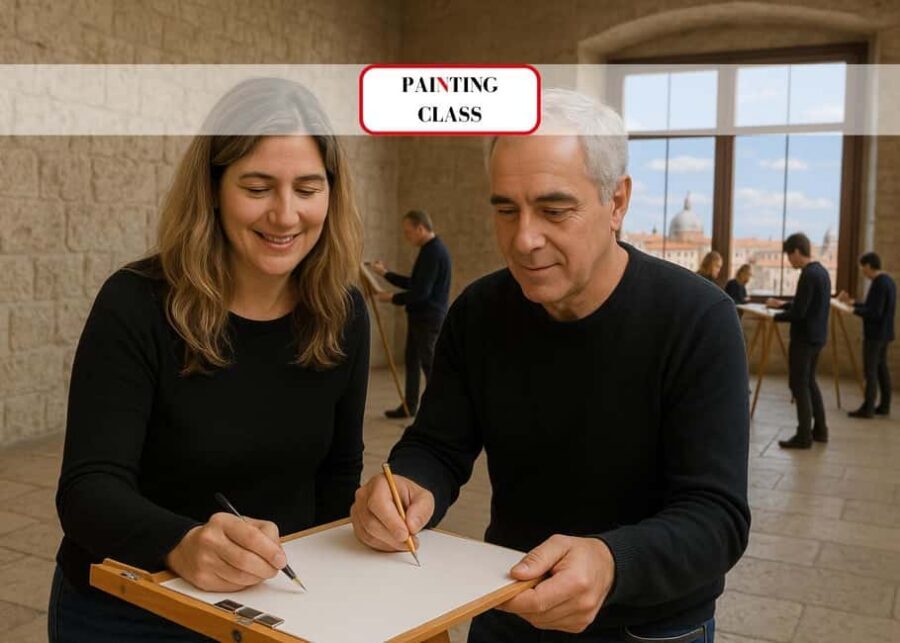
- 105 minutes with a step-by-step structure, so you are not guessing
- Small group (max 6), meaning the instructor can actually guide you
- Sketch-first teaching, so your watercolor has a real foundation
- Hands-on watercolor tips for reflections, shadow placement, and cloud/sky transitions
- English, Spanish, Italian, French instruction
- Prisons Palace location near St Mark’s Square, an easy win for your itinerary
Prisons Palace: the setting that makes you slow down
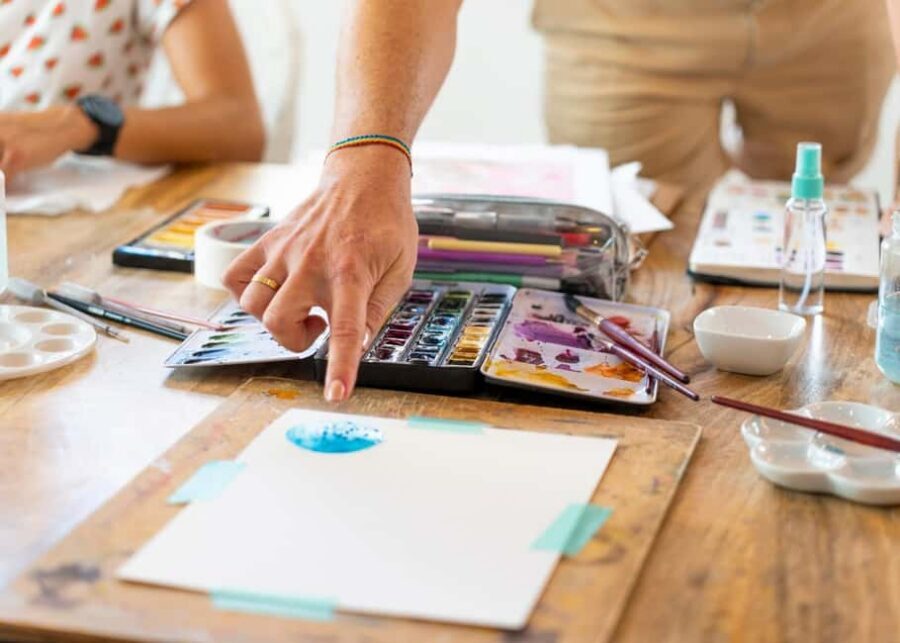
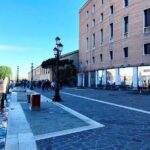
Prisons Palace sits just by St Mark’s Square, in the thick of Venice, but close to the kind of quiet that makes art feel possible. You meet at the palace area—specifically you go inside Prison’s Place and head upstairs to the first floor. From there, you settle into a lesson that feels more like a focused workshop than a tourist show.
What I like about this setting is the reminder that Venice is not only a photo backdrop. Watercolor asks you to look slower. It pushes you to notice how soft the edges are, how water blurs reflections, and how sky and buildings share colors in weird, beautiful ways. Even if you never touch paint back home, you’ll still leave with a better visual sense of the city.
You can also read our reviews of more tours and experiences in Venice



The 105-minute class flow: sketch, then color, then confidence
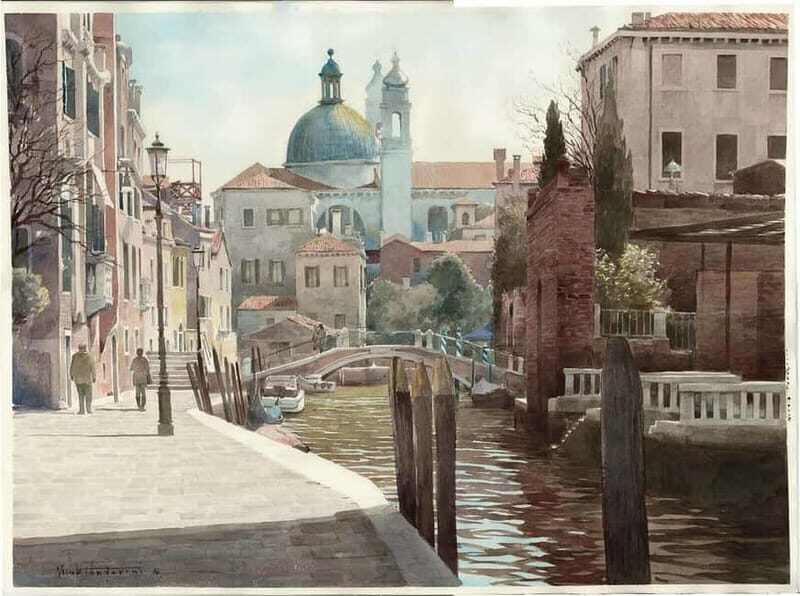
The experience is designed like a short craft course, not a casual demo. You will be taught how to capture Venice scenes and the city’s famous spots, and the instructor stays close so you can adjust as you go.
First comes the sketch. This matters more than people expect. A good watercolor starts with placing lines and shapes correctly, because watercolor is hard to “erase.” In class, you’ll do that essential study of the sketch before color enters the picture. One past class mentioned the teacher walking students through how to measure and divide the spaces with pencil—exactly the kind of structure that helps complete beginners.
Then you move to colors. The teaching point here is simple but powerful: light is a color. You learn how to treat bright areas, cooler shadows, and the way the same building can look different depending on sky conditions. If you’ve ever tried to paint and thought, Why does mine look flat?—this is where the answer gets taught.
Techniques that actually show up on your paper
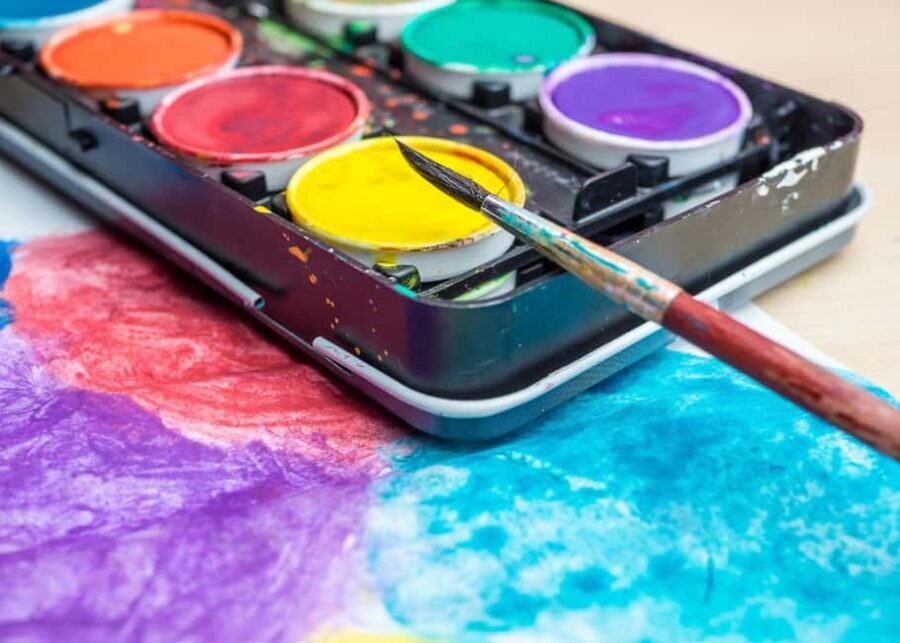
This is not just, Here are some brushes, good luck. The teacher explains techniques you can see and copy in real time, including the tricky parts that make Venetian watercolors look right.
You’ll get guidance on:
- Water reflections, so ripples and mirrored shapes don’t turn into random smudges
- Shading between clouds and sky, which is where many beginners lose the depth
- Lights and shadows details, including how to place darker values so the scene has form
One review described how the instructor helped students find shadows, mix paint, and figure out how to apply color so it doesn’t overwhelm the drawing. Another review highlighted technique with moving the watercolor around on the paper—using water and brush control so you get softer transitions instead of harsh lines.
And if Venice decides to be Venice—rain and all—one class experience included moving into a studio setup. That’s a big deal for a watercolor class, because watercolor doesn’t love wind, sudden temperature swings, or trying to work faster than the paint will behave.
Where you focus your paint in Venice
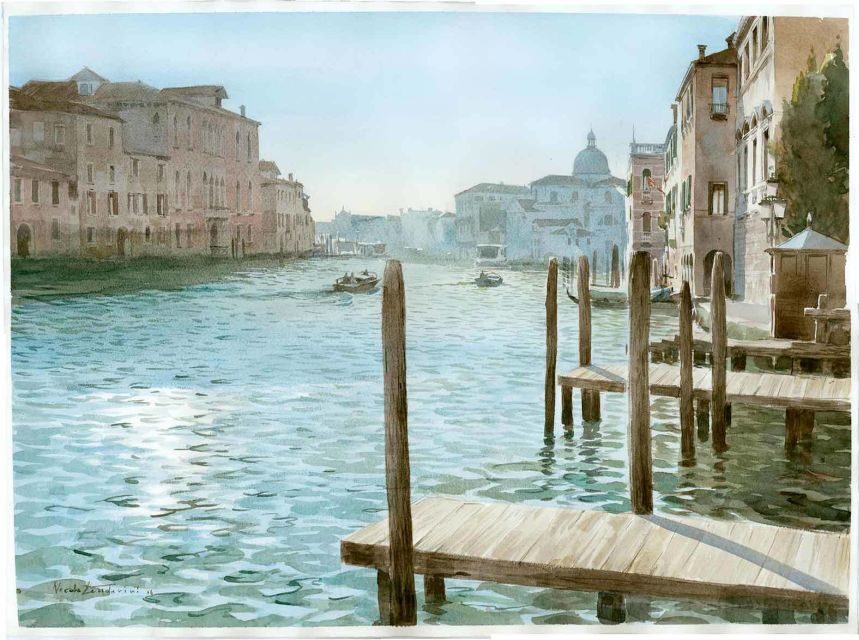
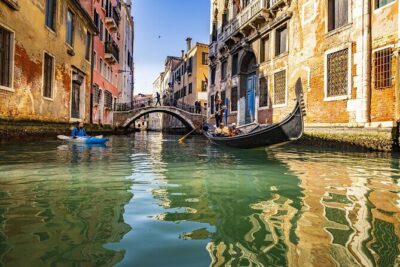
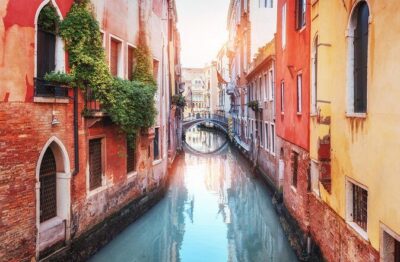
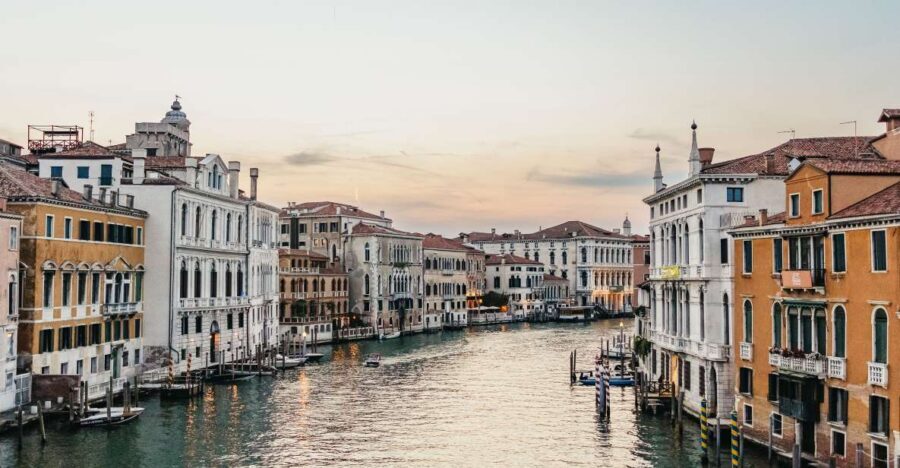
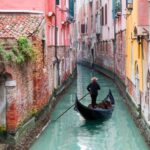
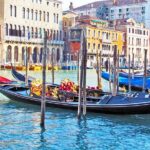
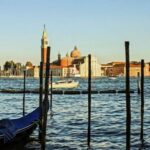
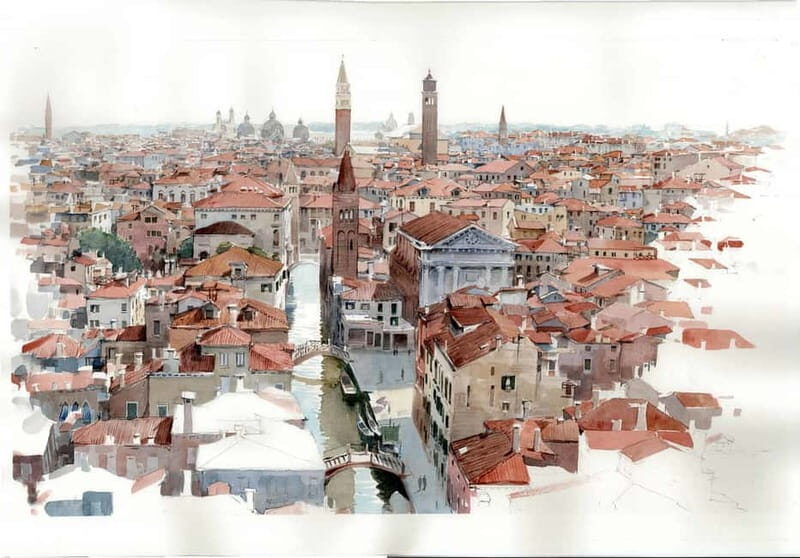
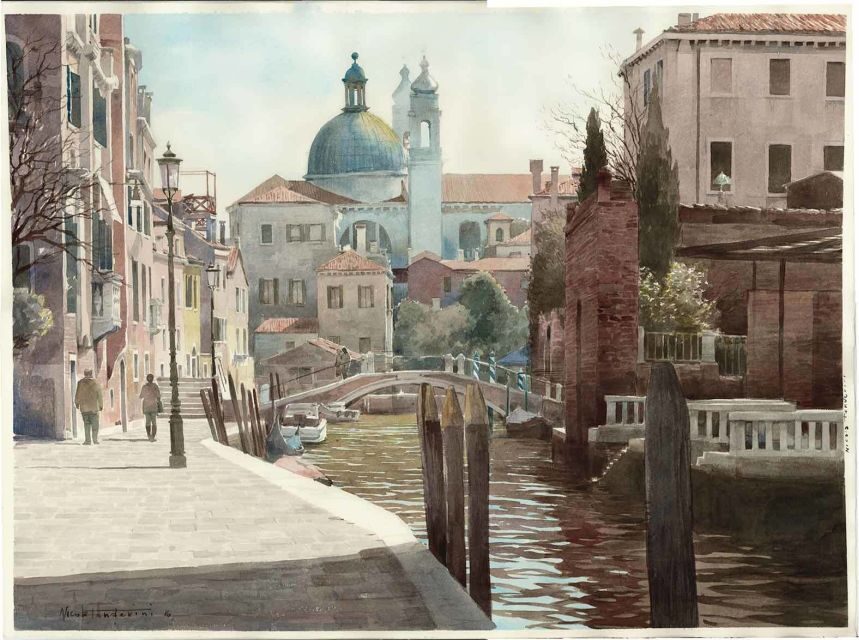
You will paint Venice’s most romantic corners and the city’s most famous spots. The exact scene can vary by day, but the goal is consistent: you are learning how to translate what you see into a watercolor that captures mood, not just outlines.
In practical terms, this class pushes you toward the same core visual problems you’ll face anywhere in Venice:
- buildings with lots of repeating shapes
- sky that blends into water-colored reflections
- architectural lines that curve or overlap
- bright highlights that need restraint
This is also why the sketch process matters. You’re not just drawing what you think you see—you’re learning how to translate it into watercolor-friendly shapes and values. Once you understand that translation, you start looking at Venice like an artist, even when you’re just walking and grabbing gelato.
Small group teaching: why 6 participants feels like a cheat code
The group is limited to 6 participants, which is the sweet spot for real feedback. With bigger groups, you tend to get generic advice. Here, you get closer attention while you work.
One review praised how the instructor handled a group of complete beginners, managing time well and making sure each person received tips and guidance. Another mentioned patience and pacing that helped someone coming from pastels but new to watercolor and new to scenic painting. That combination—teaching technique plus adjusting to different comfort levels—is what makes this class feel doable rather than intimidating.
Here’s what that means for you: you can ask questions while you still have the chance to fix your painting. You’re not waiting until the end when it’s too late.


What’s included (and why you shouldn’t show up empty-handed)
You do not need to bring your own art supplies. The class includes all equipment plus live commentary during the lesson. You’ll also get a bookmark—small, yes, but it’s a nice souvenir if you like keeping track of what you learned.
Still, you should plan your personal comfort. The suggested items are:
- Comfortable shoes
- Sun hat
Even if it’s cloudy, you’ll likely be moving around enough to want good support. And if you’re painting near the St Mark’s area, Venice light and weather can change quickly, so a hat can save you from the afternoon glare.
Also note what is not allowed: pets are not included.
Price and value: $89.50 for 105 minutes that gives you a skill
At $89.50 per person for 105 minutes, this is not a bargain-basement activity. But it’s also not a pricey “spectator” experience. You are paying for two things you rarely get together in Venice: time with a teacher and the materials needed to learn a medium.
Here’s the value logic I’d use:
- You get step-by-step instruction (sketch, color, technique), not just a single finished sample.
- You get all equipment included, so you are not adding supply costs later.
- You’re in a small group, which improves the odds that you actually understand what to do next on your own paper.
If you’ve ever thought about taking up watercolor, this is a smart first step because the lesson structure forces good habits fast. If you already own supplies, you still benefit from having the equipment provided so you can focus on learning without gear decisions.
Who this class is for (and who should skip it)
This is ideal if you:
- are a beginner and want clear guidance without intimidation
- want a hands-on break from walking and eating your way through Venice
- like the idea of learning watercolor basics you can reuse back home
- want a compact activity that lasts about 1 hour 45 minutes
It may be less suitable if:
- you have mobility limits or need wheelchair-friendly access, since it’s not fully accessible
- standing and working around a studio setup might be hard for you
Also keep in mind the class could be shared with guests not in your party. That’s normal for small-group learning, and it usually works fine because the teaching is still hands-on.
How to find Prisons Palace without wasting daylight
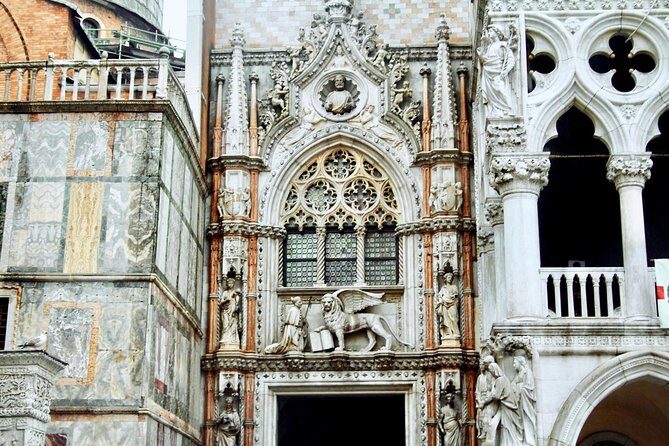
You meet at Prison’s Place, then head upstairs to the first floor. It’s close to St Mark’s Square. For directions on foot, cross the bridge on the right-hand side of the entrance of the Doge’s Palace. Show up 10 minutes early so you can settle before the lesson begins.
At the end, the activity returns you back to the meeting point. That helps you plan your next stop—think of it as a tidy reset button in the middle of a busy Venice day.
Should you book this Prisons Palace watercolor class?
I’d book it if you want something fun that also teaches. Not everyone leaves Venice with a better story. This one gives you a practical skill: sketch-to-color thinking, the role of light, and watercolor techniques for reflections and shadows.
I’d skip it if you need fully wheelchair-accessible routes or have significant walking challenges, because the experience notes limitations for mobility impairments. And if you hate structured activities where you need to follow a sequence, you might prefer a looser creative workshop.
If you can handle a short, focused class near St Mark’s, this is a satisfying way to see Venice twice: once with your eyes on the city, and once with your hands on the paper.
FAQ
How long is the watercolor painting class?
It lasts 105 minutes.
How much does it cost?
The price is $89.50 per person.
Is the class small?
Yes. It’s a small group limited to 6 participants.
What languages are offered?
Instruction is available in English, Spanish, Italian, and French.
What should I bring?
Bring comfortable shoes and a sun hat.
Are art supplies included?
Yes. All equipment is included.
Is anything included besides the class itself?
You get live commentary and a bookmark.
Where do I meet the group?
Go to Prison’s Place, then head upstairs to the first floor. The location is near St Mark’s Square, reached by crossing the bridge on the right-hand side of the entrance of the Doge’s Palace.
Is this activity accessible for wheelchair users?
No. It is not fully accessible for wheelchair users or people with walking disabilities.
Are pets allowed?
No. Pets are not allowed.