REVIEW · VERONA
Verona: My Granny’s secrets making gnocchi
Book on GetYourGuide →Operated by Vallì Homemade · Bookable on GetYourGuide
Gnocchi gets personal fast. This Verona class turns hands-on flour time into a proper lesson in texture, not just a meal you watch happen. I like that you’re taught to choose the right potatoes and build the dough from scratch, and that you’ll eat the gnocchi you make with a cozy aperitivo and wine. One consideration: the recipe is made with no or low salt and sugar, so if you prefer bold, heavily seasoned flavors, this style may feel gentler on the palate at first.
I also like the family vibe. You’re not stuck in a lecture chair; you’re working at the table, learning by doing, then sitting down together to enjoy what you cooked—an easy way to make new friends in a city where you can otherwise feel like a spectator. The class runs 2.5 hours, so it’s not a full-day food immersion, but it’s long enough to actually go through the key steps.
In This Review
- Key things to know before you go
- A Verona kitchen you’ll want to linger in: Palazzo Mastino location
- Picking the right potatoes: why gnocchi texture starts before the dough
- Building the dough the “Granny recipe” way
- Shaping gnocchi: getting the world-famous form right
- Cooking, aperitivo, and tasting your own gnocchi
- Wine and a two-course meal at the same table
- Price and value: what $94 per person really buys
- Who should book this Verona gnocchi class
- Practical tips to get the most from the experience
- Should you book this Verona gnocchi class?
- FAQ
- How long is the Verona gnocchi cooking experience?
- How big is the group?
- What languages are the instructors teaching in?
- What is included in the price?
- Is the food seasoned normally?
- Where do I meet the group?
Key things to know before you go
- Small group, max 10 people: easier questions, closer attention, and a calmer kitchen pace.
- Nonna-style gnocchi, taught step by step: from potato selection to dough handling and shaping.
- You taste your own work: the fun part happens right in the middle, not hours later.
- Aperitivo plus a shared meal: you’ll sit down together after cooking, with unlimited water.
- Low/no salt and sugar approach: designed to highlight the real flavors of the ingredients.
- Valentina and Davide’s family feel: friendly hosting that makes it feel like you’re visiting, not attending.
A Verona kitchen you’ll want to linger in: Palazzo Mastino location
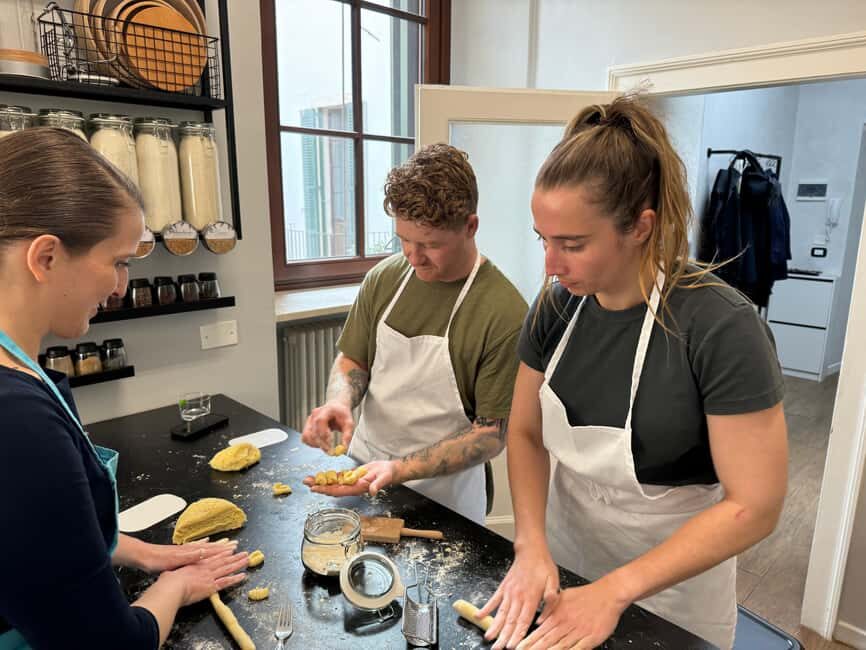
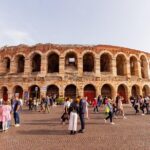
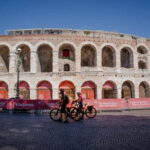
The meetup is at Palazzo Mastino, an easy walk from the Arena area. The description says it’s about a five-minute walk from the Arena and roughly a one-minute walk from the Cittadella parking lot, so you’re not dealing with a “where on earth is this” situation.
This matters more than you’d think. A short walking transfer keeps you relaxed before class. You’ll arrive with your appetite intact and your brain ready to focus on the few gnocchi steps that really matter.
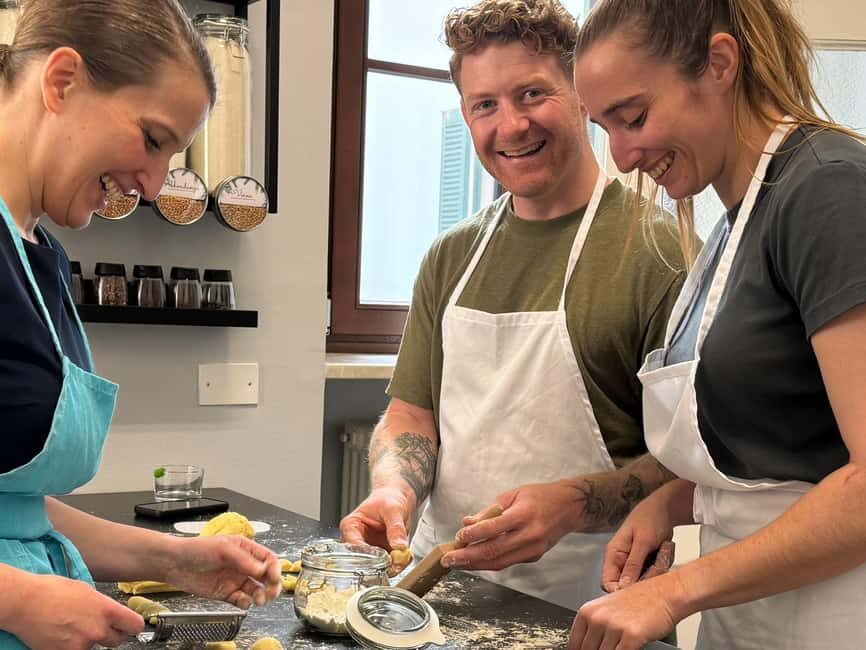
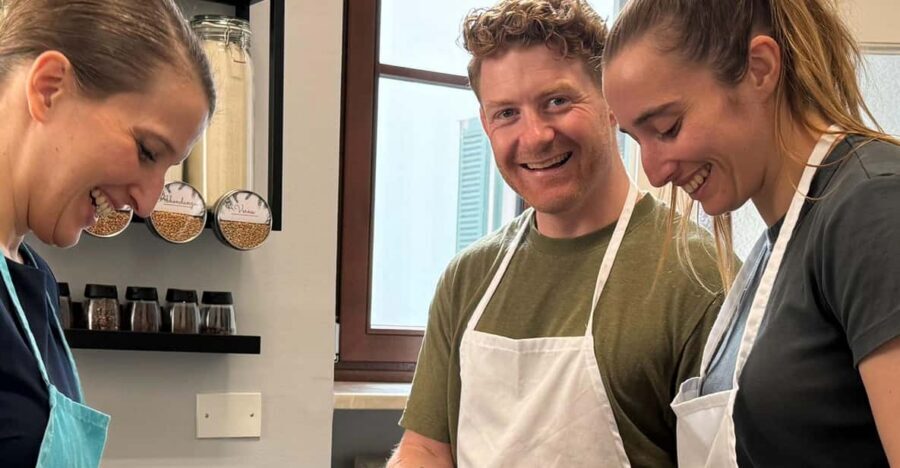
Inside the class, the mood is simple and warm. You’re guided into the process as if you’re joining someone’s family day in the countryside kitchen—table, flour, and plenty of laughter.
You can also read our reviews of more tours and experiences in Verona.
Picking the right potatoes: why gnocchi texture starts before the dough
Gnocchi can be quick, but the dough can also go wrong fast. The class focuses on the first skill that separates chewy dumplings from sad, gluey ones: recognizing the perfect potatoes.
You don’t need a chemistry degree. The goal is practical: learn what to look for so the potatoes behave well when mashed and mixed into dough. Since gnocchi are basically potato + starch + handling, potato choice affects how much flour you’ll need and how the dough holds shape.
What I like about this approach is that it respects how gnocchi really work. The rest of the process depends on this early decision. If you get the potato right, the dough is easier to manage, and shaping becomes much less stressful.
Building the dough the “Granny recipe” way
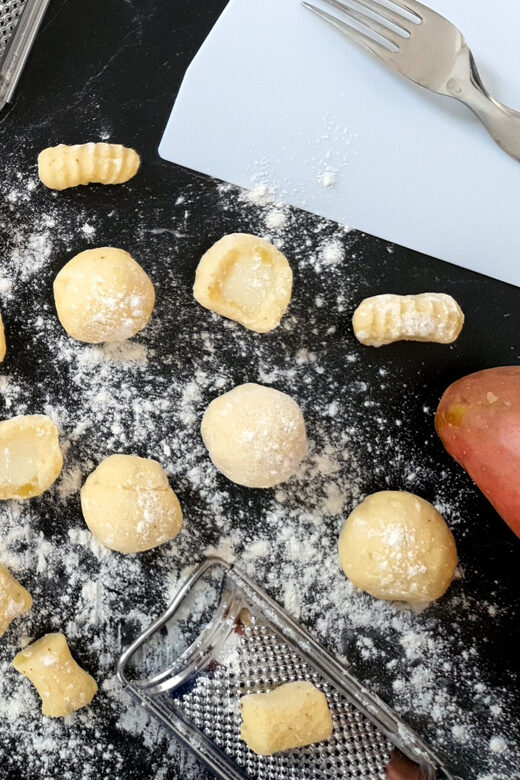
Once you’ve got the right potatoes, you’ll move into preparing the dough from scratch following the recipe taught through family tradition. The class is designed to feel guided but still hands-on, meaning you do the mixing and dough work rather than watching someone else do it.
You’ll also learn why gnocchi dough needs a light touch. Overworking dough can change how it feels, and the lesson here is to manage consistency without turning it into something heavy. The kitchen setting helps: you’re at a wooden table, with enough space to knead and portion at your own pace within a small group.
A key detail is the flavor philosophy. The experience notes that the recipe is made and cooked with no/low salt and sugar so you can taste the ingredients themselves. That’s a big deal for gnocchi, because the point is not to hide under seasoning. Instead, you learn what potato sweetness and flour texture taste like when they’re allowed to speak.
Shaping gnocchi: getting the world-famous form right
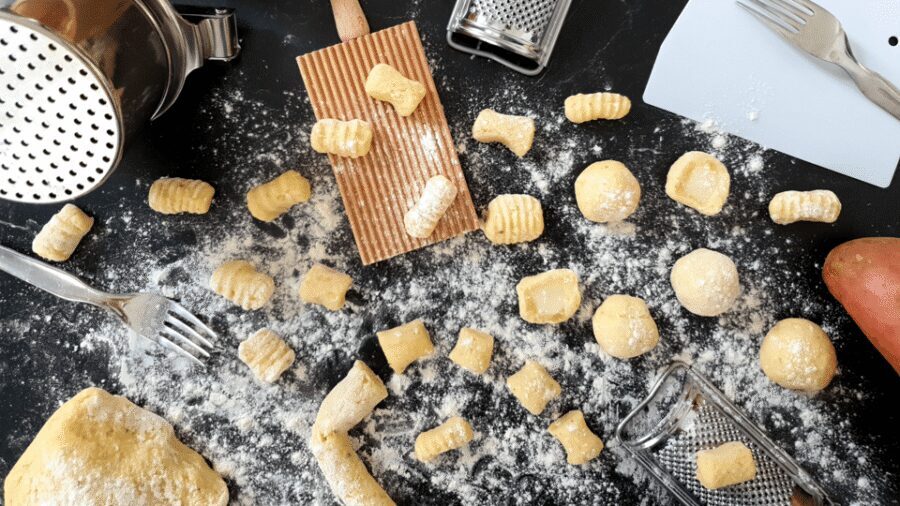
After dough comes the fun part that most cooking classes skip: shaping. You’ll learn how to create the form that gnocchi are known for, using the technique taught through the Granny method.
Shaping isn’t just for looks. Those ridges and forms can affect how sauce clings. More importantly, shaping teaches you how to portion properly. If your pieces are too big or too small, the cooking result shifts fast.
In a small group of up to 10, you also have the advantage of quick feedback. When your shape is off, an instructor can correct you right away instead of waiting for a whole group to finish.
This is where the whole family narrative turns into real skill building. It’s the difference between making “something potato-ish” and making gnocchi with confidence.
Cooking, aperitivo, and tasting your own gnocchi
The experience doesn’t treat tasting as a payoff at the end only. You’ll get to enjoy what you prepared during the class, which keeps motivation high.
Then comes the cozy aperitivo moment. It’s not just a drink break; it’s a chance to reset after hands-on work and enjoy the social side of cooking. Gnocchi classes can get busy, so having a relaxed pause helps the whole experience feel like time with friends rather than a task marathon.
And yes, you’ll likely be thinking about the dough while you eat. That’s the point. You’re building a mental map of what the dough should feel like, how the gnocchi texture changes after cooking, and how the flavor balances when you keep salt and sugar low.
Wine and a two-course meal at the same table
After cooking, you sit down together at the same table to enjoy your gnocchi with a structured meal. The class includes a 2-course meal, and it also includes unlimited water—sparkling and still—so you can pace yourself without hunting for a drink.
Wine is part of the plan too. You’ll get a glass of wine from a special Venetian winery produced by a small company. That “small company” detail matters for value because it usually means more character and less generic mass-production taste.
One practical benefit of the shared-table setup: you learn from other people’s questions and small mistakes. When you’re all eating the same food you made, you tend to compare notes naturally—what worked, what was tricky, and what you should do differently next time.
There’s also a human touch in how the class celebrates moments. In one instance, a birthday candle and a song were added, which shows the experience is willing to lean into the personal side when it fits the moment.
Price and value: what $94 per person really buys
At $94 per person for about 2.5 hours, you’re not just paying for instruction. You’re paying for a full package that’s hard to replicate cheaply on your own.
Here’s the value math, using only what’s included:
- Hands-on cooking class with guidance through the full gnocchi process
- A 2-course meal so you don’t end up paying extra for dinner
- Unlimited water (sparkling and still)
- A glass of Venetian wine from a small producer
- Recipes and tips to make gnocchi or pasta again at home
If you’ve ever taken a cooking class where you basically make one component and eat something else, this feels more balanced. You cook, you eat what you made, and you leave with the method you can repeat.
The other value point is the small group size (limited to 10). In practical terms, that usually means more attention per person, which helps you actually learn instead of just participating.
Who should book this Verona gnocchi class
This is a strong fit if you want:
- A hands-on food experience in Verona that doesn’t feel like a scripted show
- A skill you can repeat at home (potato selection, dough consistency, shaping)
- A small-group setting where you can ask questions without shouting across the room
- A low-key meal setup that includes wine and plenty of laughter
It’s also ideal for people who love Italian food culture and want a more personal angle than a typical tasting-only tour.
What might not fit as well:
- If you dislike the idea of no/low salt and sugar, this class is built around letting you taste the ingredients plainly.
- If you’re only interested in sightseeing and don’t want to get your hands in flour, you might find it less aligned with your travel rhythm.
Practical tips to get the most from the experience
A gnocchi class is simple, but preparation helps you enjoy it more.
- Wear something comfortable and expect to get a little flour on you.
- If you have food intolerances or allergies, flag them in advance. The experience explicitly notes that they’ll adjust for special needs.
- Come hungry. The class includes a meal, wine, and water, but you’ll be most excited about tasting when your appetite matches the effort you put in.
Language support is available in English and Italian, which is great if you want to understand the technique clearly. When instructions are bilingual, it often means people feel less lost, and questions get answered faster.
Should you book this Verona gnocchi class?
Yes, if your idea of a great Verona day includes getting hands-on with real Italian comfort food, eating what you cook, and leaving with a method—not just a full stomach.
This class shines because it combines small-group attention, a true from-scratch approach, and a meal experience that feels social instead of stiff. If you’re excited by the idea of learning how to choose potatoes and shape gnocchi the family way, you’ll probably feel confident repeating it at home.
If you’re someone who prefers heavily seasoned flavors right away, go in knowing the recipe is low/no salt and sugar by design. That’s not a downside so much as a different flavor philosophy.
FAQ
How long is the Verona gnocchi cooking experience?
It lasts about 2.5 hours.
How big is the group?
It’s a small group limited to 10 participants.
What languages are the instructors teaching in?
The class is offered in English and Italian.
What is included in the price?
The experience includes a hands-on cooking class, a 2-course meal, unlimited water (sparkling and still), a glass of Venetian wine, and recipes and tips to make pasta at home again.
Is the food seasoned normally?
The recipe is made and cooked with no or low salt and sugar so you can taste the ingredients more directly. Let the provider know in advance about any special needs, intolerances, or allergies.
Where do I meet the group?
The meeting point is Palazzo Mastino, about a 5-minute walk from the Arena and about a 1-minute walk from the parking lot Cittadella.