REVIEW · VERONA
Verona: the Arena at the Gladiators’ time
Book on GetYourGuide →Operated by Fabio Massimo Rapanà · Bookable on GetYourGuide
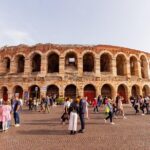
Verona’s Arena turns stories into real space. This 1-hour guided experience focuses on the Roman amphitheater still in use, using a walking route that helps you “read” the building instead of just looking at it. I like how it starts outside the monument, where you can understand the Arena’s relationship to the square and the city. I do want to flag one drawback: the Arena entrance ticket isn’t included in the tour price, so you’ll need to plan for that cost.
What really makes this worth it is the way the guide connects what you see with what gladiators actually experienced. You’ll hear gladiator-related anecdotes backed by locally found evidence, and you’ll move through key parts of the structure—corridors, archways, and seating zones—so the story lands in your body, not just your head. The result is a tight, information-heavy tour that still leaves you time to sit in the stone seating and soak it in.
You meet in the shade near the Town Hall, then go section by section: from the perimeter for orientation, into the Arena for the main walk, and finally back to the same meeting point. It’s a private group format, and the guide works in multiple languages, so you’re not stuck waiting for a generic explanation.
In This Review
- Key points to know
- Meet at Palazzo Barbieri and get oriented in Verona’s Arena square
- A quick practical note
- Bra Gardens to the amphitheatre’s original shape and size
- From the wings to the entrance system: vomitoria explained
- Inside the Arena floor: where gladiators and wild beasts worked
- Taking a seat on the stone steps and enjoying the extra time
- Verona Arena tickets and price: what you pay for
- Is $159 good value?
- Who this tour suits best (and who may want a different plan)
- Planning tips for a smooth Arena hour
- Should you book this Verona Arena tour?
- FAQ
- How long is the Verona Arena guided tour?
- Where do I meet the guide?
- Is the Arena entrance ticket included in the price?
- How much are Arena entrance tickets?
- What is the price for the tour?
- What languages is the tour available in?
- Is this tour private?
- Is it possible to buy tickets on the spot?
- Is the tour wheelchair accessible?
- Can I cancel for a refund?
Key points to know
- Small private group with a live guide (Italian, German, English, Spanish)
- Outside + inside access so you see the Arena’s shape, then its circulation system
- Vomitoria and corridor layout explained in practical, understandable terms
- Gladiators and wild-beast areas tied to what you’re walking through
- Time on the stones at the end so you can linger in your own pace
Meet at Palazzo Barbieri and get oriented in Verona’s Arena square
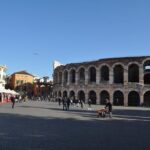
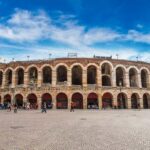
Your tour starts at Palazzo Barbieri – Comune di Verona, right in front of the Town Hall, just underneath the Italian flag. That matters more than you’d think. Starting here places you on the southern side of the big open square, where the Arena dominates the view and the street geometry starts to make sense.
From the first minutes, the guide’s job is to help you stop treating the Arena as a single photo object. You’ll follow the route that leads from the town hall area toward the northern side, with quick pauses to look and reposition. Think of it as “architectural orientation,” done at walking speed.
You’ll also feel the pacing: this isn’t a sprint, and it isn’t a lecture you endure while standing still. The guide keeps moving you through vantage points where different parts of the amphitheater become visible in context—size, relation to surrounding buildings, and how people once entered and exited without chaos.
You can also read our reviews of more tours and experiences in Verona.
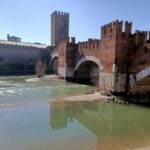
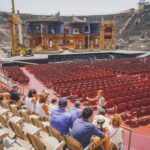
A quick practical note
Wear comfortable shoes. You’re walking around the monument and then inside it, including corridors and archways. Even though the total duration is about 1 hour, the surfaces are uneven in spots and you don’t want sore feet when you reach the seating area.
Bra Gardens to the amphitheatre’s original shape and size
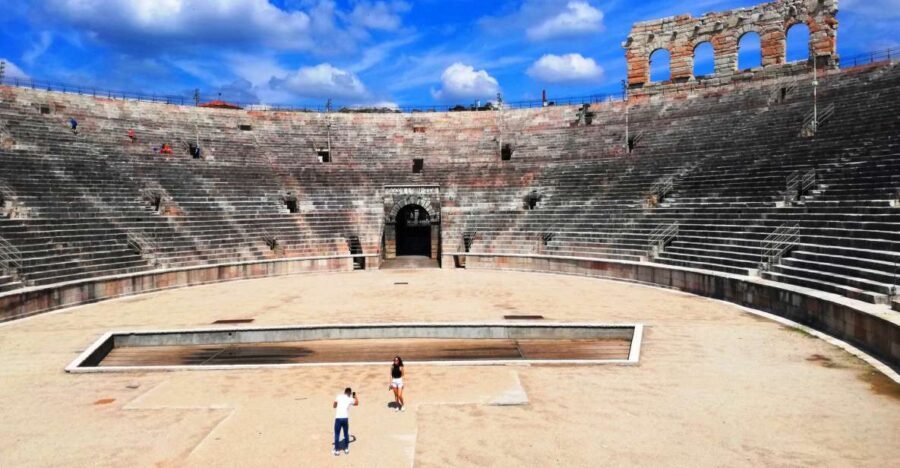
After you get your bearings near the Town Hall, you move toward the northern part of the square, close to the Bra Gardens (Giardini della Bra). This is where the guide helps you understand the Arena as a designed machine, not just a shell.
From here, you can carefully observe the amphitheater’s shape and how it was built to function with the town around it. You’ll look at the Arena’s original size (as much as can be understood from what still remains), and you’ll connect the outer form to the internal organization you’re about to walk through.
This “outside-first” approach is one of the biggest reasons this tour feels different from a basic entry visit. If you walk into the Arena cold, you tend to see seats and stone. With this start, you start to see circulation: the way entrances relate to where people end up, and why the building’s structure had to be logical enough to handle crowds.
You’ll also get little details that don’t slow you down, but do sharpen what you notice. Small cues—how different segments meet, how the structure steps around the site, and how the building interfaces with the city—create a mental map before you ever step into the corridors.
From the wings to the entrance system: vomitoria explained
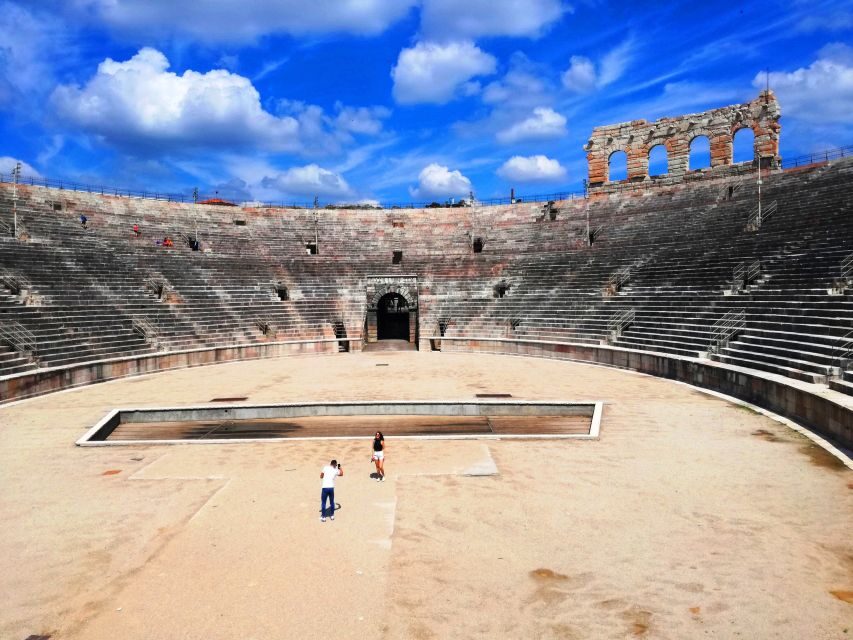
Next comes the portion that often surprises people: the “wing” area and the details in the shade where structure becomes easier to study. The guide leads you to observe unexpected points along the perimeter and nearby access zones. It’s a good reminder that the Arena wasn’t only built for spectacle. It was built for logistics.
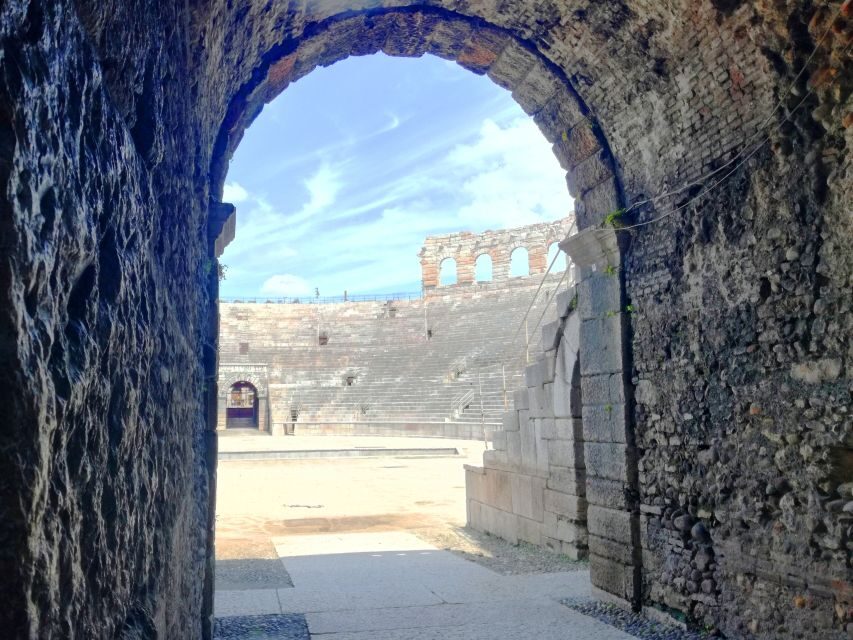
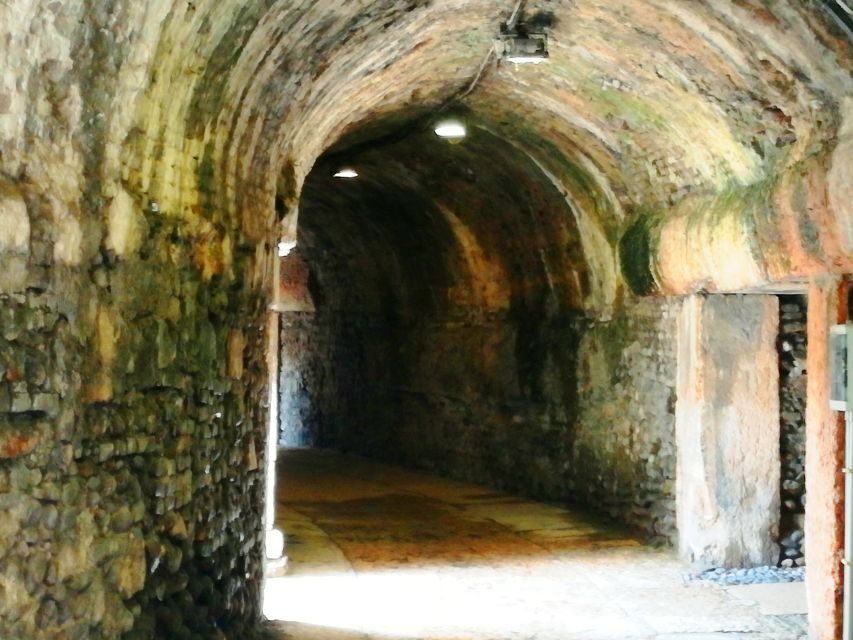
Then you enter the amphitheater and move through the corridors and archways that connect the external gates to the internal vomitoria. Even if you’ve heard the word before, you’ll understand it better once you walk the route. You’ll see how movement was engineered, where bottlenecks likely weren’t supposed to form, and how people could be guided quickly toward seating levels.
This is where I like the guide’s style most: you’re not just hearing definitions. You’re walking through the bones of the building. You can physically sense why certain passages are the way they are and why access had to be built into the architecture rather than improvised.
If you like “how things worked,” this part is the payoff. The guide also includes anecdotes tied to the gladiator world and the evidence found locally, which helps you connect what’s carved and laid out in stone to the lived rhythm of a day at the Arena.
Inside the Arena floor: where gladiators and wild beasts worked
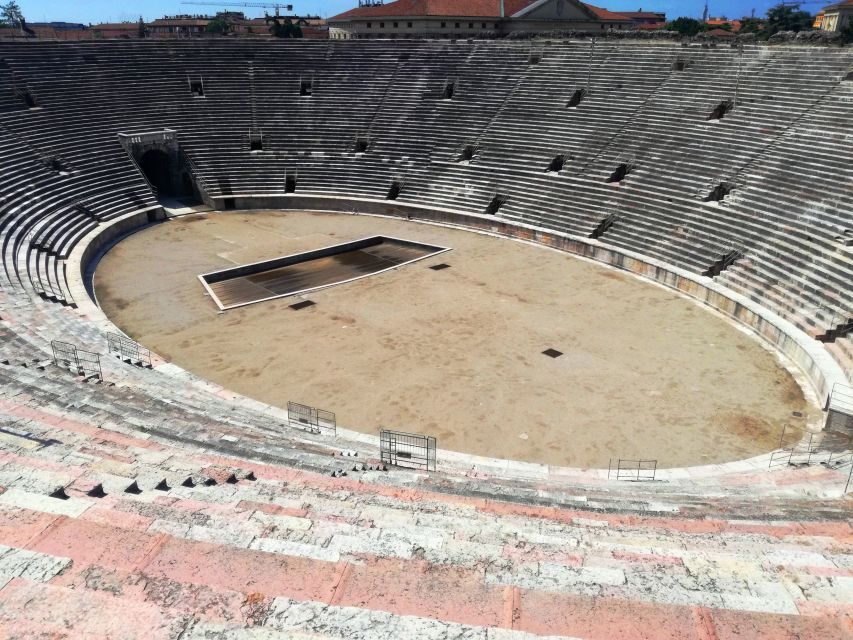
Once you’re inside, the tour shifts from orientation to experience. The guide walks you along routes that show the places associated with gladiators and areas connected to holding wild beasts.
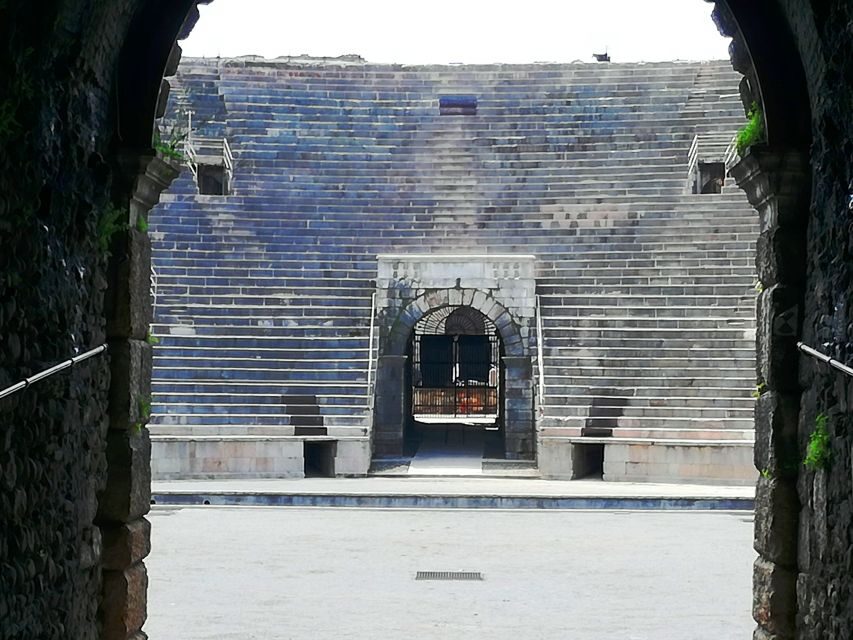
You’ll explore the structure that made the show possible: the layout that supported movement between exterior gates and internal seating zones, and the internal spaces that were essential for staging and timing. Even without seeing every vanished element, you can understand how the Arena’s design supported the spectacle.
At this stage, the guide’s story matters. With countless gladiator-related anecdotes (and practical explanation of what you’re looking at), you start to picture the pressure, the noise, and the pace of movement that crowds would have created. Instead of treating the Arena as a static ruin, you start to treat it as an active venue—one that had to function every time there was a fight.
This is also where questions become useful. The tour format is designed so you can ask and get answers in real time. In previous tours, the guide has even taken time to research and follow up on questions he couldn’t answer on the spot. That tells you he’s not winging it, and it improves the overall learning feel during the short 1-hour window.

Taking a seat on the stone steps and enjoying the extra time
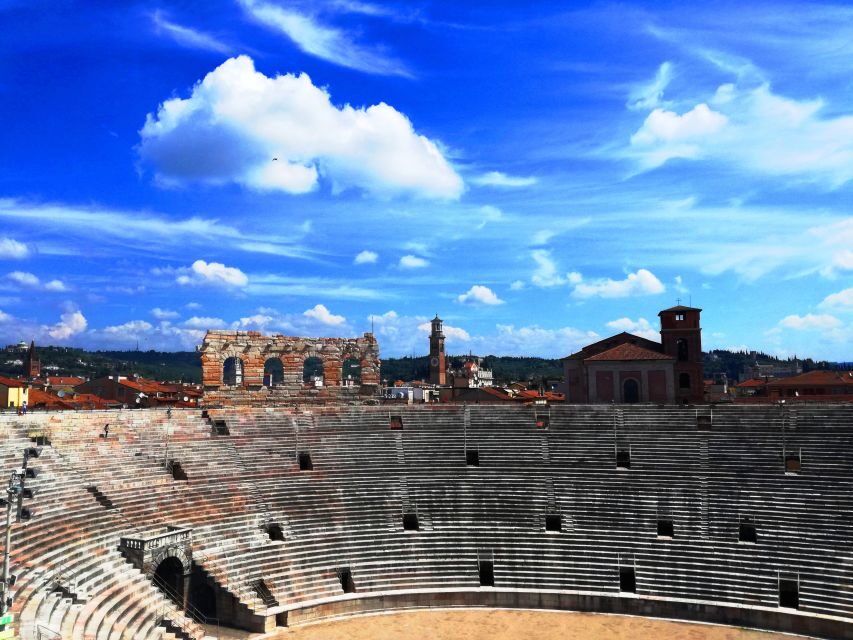
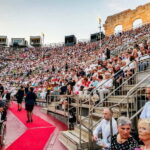
Near the end, you’ll find yourself drawn toward the Arena’s seating spaces, including the stone steps where spectators would sit. The guide sets up the idea that you might literally try to experience the seating angle and perspective the way ancient spectators did.
Then comes the best part for your own pace: you end the guided section in the most hidden and evocative part of the amphitheater, and you get free time to stay as long as you wish. This matters because a guided tour is great for context, but the Arena is also a place that rewards quiet attention.
Use this time for two things:
1) Look back at the architecture you just learned, from where it feels natural to sit.
2) Take photos with meaning, not just photos of stone. Aim your camera at the corridors and archways you walked through, then at the seating lines and the access points you were shown.
Because you’re finished with the main explanation, you don’t feel rushed. You can linger until the Arena stops being a “tour stop” and starts being a place.
Verona Arena tickets and price: what you pay for
The tour price is $159 per group (up to 8 people), for a 1-hour private guided experience that includes tour time inside and outside the Arena.
But here’s the budgeting part you should plan for: Arena entrance tickets are not included in the tour price. You must have tickets to access the amphitheater. The guide will help you in case you buy on the spot, but you should still assume you’re paying both components.
Ticket prices in 2024:
- €12 for adults
- €9 for visitors over 65
- €3 for people between 18 and 25
- Free for minors and Veronacard holders
- First Sunday of the month, November to March: €1
Is $159 good value?
For a private group of up to 8, $159 is often a strong deal compared with individual guided options, especially because you’re getting a full orientation outside, a structured walk inside, and time for your own exploration afterward. You’re also not just paying for a “talk”; you’re paying for guided movement through the Arena’s layout, including the access circulation areas most people never notice.
Also note: the experience includes skip-the-ticket-line support, which can save time if you’re arriving during busy hours. Just remember: you still need an entrance ticket for entry.
Who this tour suits best (and who may want a different plan)
This is a smart fit if you want the Arena to make sense fast. If you like walking tours that teach you how to see, you’ll appreciate the outside-to-inside flow and the emphasis on how people moved through the building.
It’s also ideal for mixed groups, because the guide works in Italian, German, English, and Spanish and answers questions. The tone can feel more performance-like than hands-on interactive, but that doesn’t mean it’s dry. In a short hour, the guide packs in a lot, and the architecture gives the stories something solid to hang on.
A key limitation: it’s not suitable for wheelchair users, so plan alternatives if mobility is a concern.
Planning tips for a smooth Arena hour
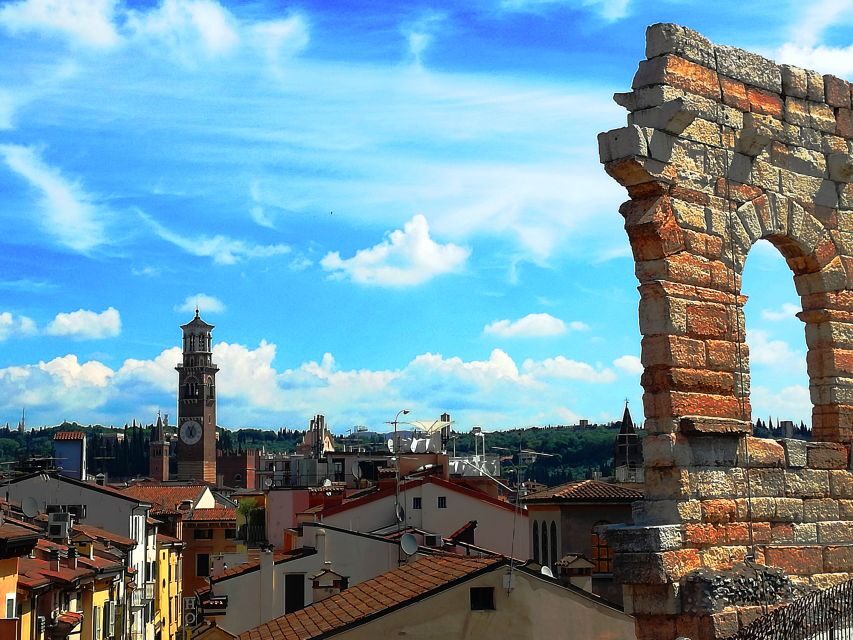
A 1-hour tour can still feel like a lot if the day is chaotic. Here are practical ways to set yourself up:
- Arrive a bit early so you can locate the meeting spot at the Town Hall confidently.
- Expect some walking on stone around the square and through interior passages.
- Bring a light layer if you run into weather changes. Shade and open sun alternate in the route.
- Have your ticket ready so the guided time stays focused on the building instead of admin.
If you want the best experience from start to finish, treat this like your “Arena orientation.” Once you’ve walked the corridors and learned the function of the space, any later self-guided time feels easier and more rewarding.
Should you book this Verona Arena tour?
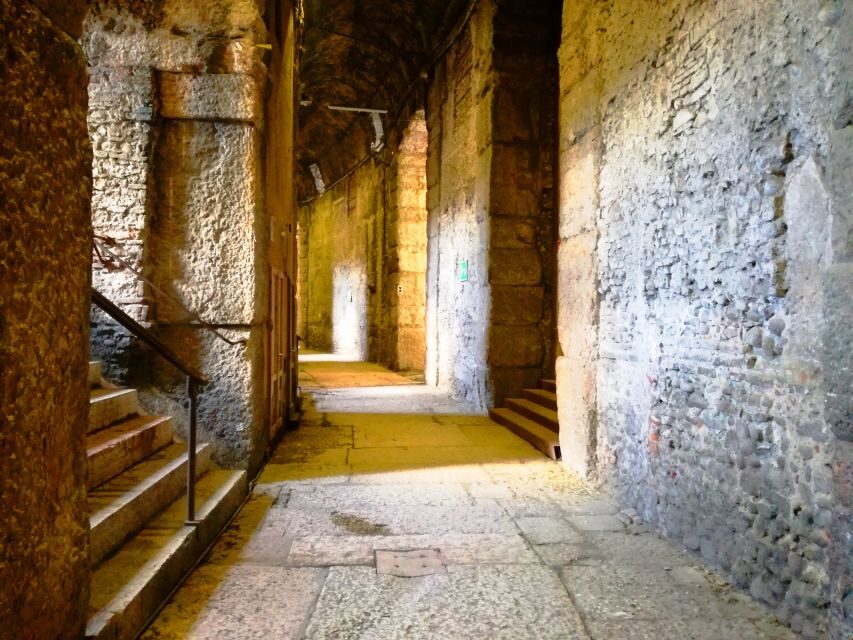
Book it if you want more than a quick ticket-and-seats visit. The core value here is the guided walk that explains the Arena’s logic—its shape in the square, its access system, and the places connected to gladiators and wild beasts. In a tight 1-hour window, you’ll leave with a clearer mental map, plus time to sit and absorb the atmosphere at your own pace.
Skip it (or consider another format) if you only want a casual visit with minimal walking or if you’re expecting the ticket to be included in the price. Also, if mobility is an issue, this one isn’t designed for wheelchair access.
If you’re doing just one guided experience in Verona beyond the basics, this is a strong candidate because it gives you a way to “read” one of Italy’s most famous ancient structures without getting lost in vague storytelling.
FAQ
How long is the Verona Arena guided tour?
The duration is about 1 hour. Starting times depend on availability.
Where do I meet the guide?
Meet at Palazzo Barbieri – Comune di Verona, in front of the Town Hall just underneath the Italian flag. The tour ends back at the same meeting point.
Is the Arena entrance ticket included in the price?
No. The tour includes the guided tour inside and outside the Arena, but you must purchase an entrance ticket separately.
How much are Arena entrance tickets?
In 2024, tickets are €12 for adults, €9 for over 65, €3 for ages 18–25 (EU citizens), and free for minors and Veronacard holders. On the first Sunday of the month from November to March, tickets are €1.
What is the price for the tour?
The tour is $159 per group up to 8 people.
What languages is the tour available in?
The live guide offers tours in Italian, German, English, and Spanish.
Is this tour private?
Yes. It’s a private group experience.
Is it possible to buy tickets on the spot?
Yes, the guide can help you in case you need to purchase tickets on the spot, but you must have an entrance ticket to access the amphitheater.
Is the tour wheelchair accessible?
No. It is not suitable for wheelchair users.
Can I cancel for a refund?
Yes. You can cancel up to 24 hours in advance for a full refund.