REVIEW · VERONA
Verona: Traditional Balsamic Vinegar From Modena Tasting
Book on GetYourGuide →Operated by La Botteghetta La Bottega di Verona · Bookable on GetYourGuide
Balsamic tasting turns food into a story.
In about an hour, you’ll learn how to taste balsamic vinegar like locals do, starting with its long history and moving through production methods that shape flavor. I especially love how the guide makes the product feel intelligible, not mysterious, and how the tasting itself is paired with real Italian bites—cheese, bread, and fruit. One thing to consider: if you’re driving to Verona, parking near Via Leoncino 31 can be tricky, so build in extra time.
You’ll also get a practical framework for what you’re tasting. You’ll learn the difference between IGP and DOC, and you’ll practice noticing how sweetness, acidity, thickness, and aroma change from one vinegar to the next. The format is short and focused, which is great if you want a lesson you can actually use later in your own cooking. The only potential drawback is the experience is weather- and schedule-dependent in the sense that you’re committing to a single, fixed 1-hour slot.
In This Review
- Key moments that make this tasting worth your hour
- Why balsamic vinegar belongs on a Verona food list
- Meet at Via Leoncino 31: what to know before you go
- The 1-hour flow: how the tasting is paced and what you’ll do
- Chapter 1: The product story—beyond pasta and pizza
- Chapter 2: Production secrets—why different vinegars taste different
- Chapter 3: IGP vs DOC—how to read the labels with your tongue
- Chapter 4: The tasting—vinegar plus real food pairings
- What you’ll taste: the “black gold” effect, without the hype
- Pairings that actually teach you how to use balsamic at home
- Cheese: the flavor mirror
- Bread: the aroma check
- Fruit: depth, not just sweetness
- Price and value: is $53 for 1 hour a fair deal?
- Who this balsamic tasting is for (and who should skip it)
- How to get the most from your tasting
- Should you book this Verona balsamic vinegar tasting?
- FAQ
- What is the duration of the Verona balsamic vinegar tasting?
- Where does the tour meet?
- How much does the experience cost?
- What languages are available for the guide?
- What’s included in the tasting?
- Is free cancellation available?
- Is there a reserve now, pay later option?
Key moments that make this tasting worth your hour
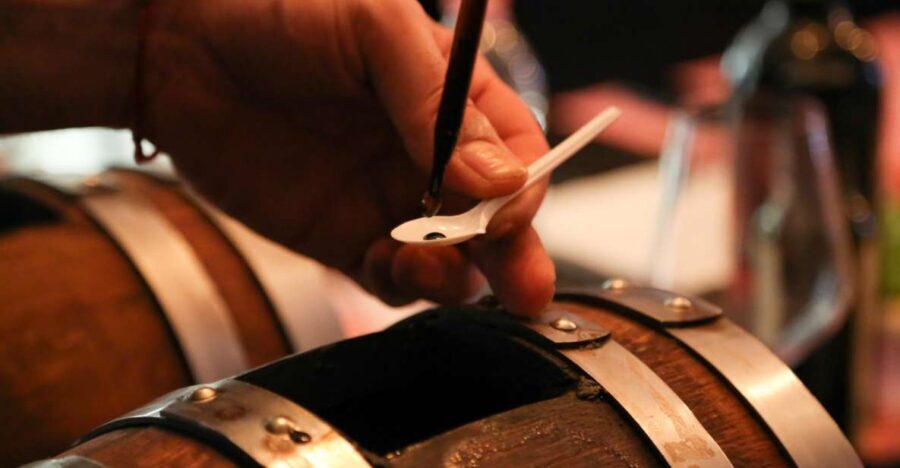
- IGP vs DOC, explained by your guide so you can recognize what you’re buying
- A tasting built around contrast (different vinegars, different flavor impressions)
- Cheese, bread, and fruit pairings that show how balsamic behaves on real food
- The centuries-old journey of balsamic production told in plain language
- Host Natalie’s teaching style—clear, organized, and passionate about details
Why balsamic vinegar belongs on a Verona food list
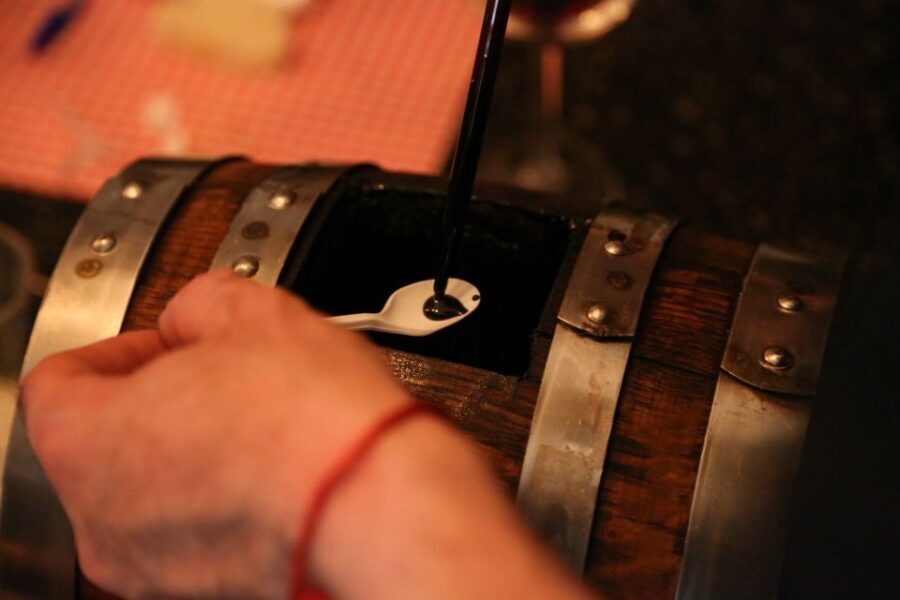
Most Verona meals start with obvious stars: pasta, pizza, gelato, the usual crowd-pleasers. This experience nudges you off that track in a smart way. Balsamic vinegar is Italy’s “serious” flavor ingredient, and it’s also one of its most valuable exports. In other words, you’re not just sampling something tasty—you’re learning why it’s treated like a product with rules, standards, and serious craftsmanship.
What I like is how quickly it gives you context. You don’t need to become a vinegar expert to enjoy it. You just need a guide who can translate the jargon into taste. And that’s exactly what you get here. The tasting is built around guided sampling and practical notes on how different types are appreciated, paired, and used.
And yes, it’s also fun. One of the best parts is that you’ll taste things in small portions, which lowers the pressure and increases curiosity. You can go back for another sip and try to match the aroma you noticed with the flavor you’re getting on the palate.
You can also read our reviews of more food & drink experiences in Verona


Meet at Via Leoncino 31: what to know before you go
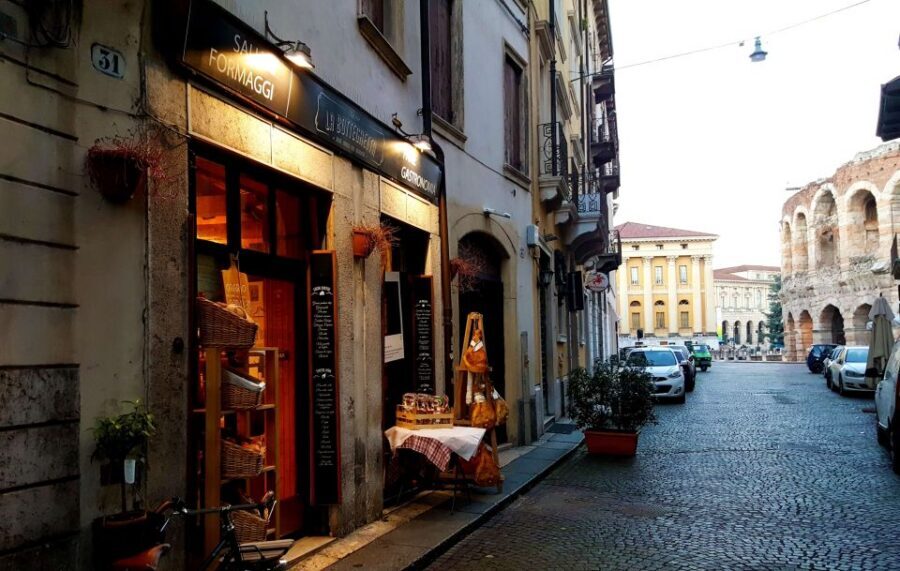
This is a straightforward, single-location experience, meeting at Via Leoncino 31. The duration is 1 hour, so it’s ideal for a morning or early afternoon slot when you don’t want to lose half a day to “something food-related.”
If you’re using public transportation, plan for a short walk once you’re in the area. If you’re driving, I’d treat it as a heads-up. One booking specifically pointed out that parking can be hard to find if you’re not staying in Verona. That doesn’t mean you can’t do it. It means you should plan for time buffers, or consider parking a bit farther away and walking the rest.
Inside, the guide is there in English, Italian, or Russian. Reviews highlight hosts who communicate clearly and keep the pace friendly, especially when explaining how production methods change flavor.
The 1-hour flow: how the tasting is paced and what you’ll do
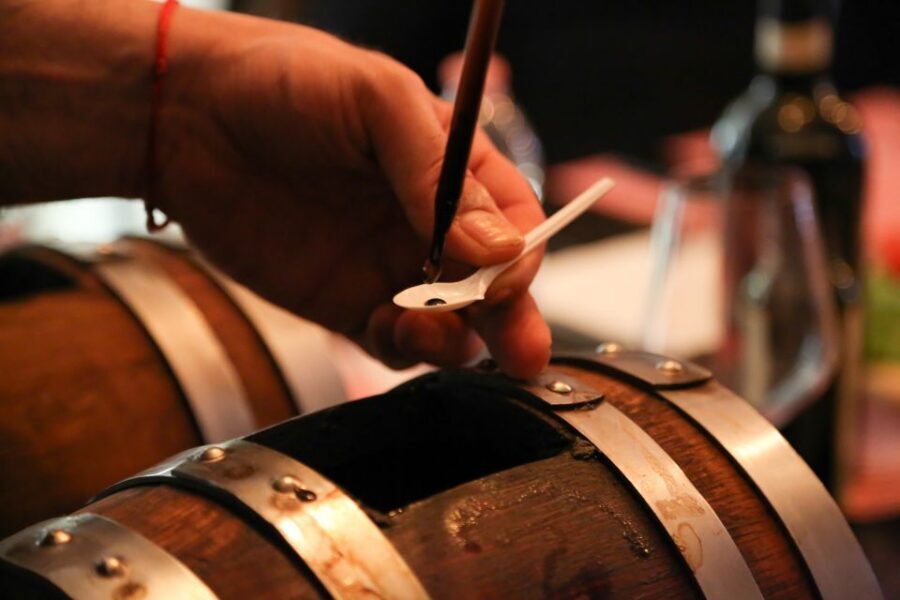
Even though there’s just one hour, the session feels structured. Think of it as a sequence of short “chapters” that all connect to what you’re tasting.
Chapter 1: The product story—beyond pasta and pizza
You start with the big picture: where balsamic vinegar comes from and how it developed over time. You’ll hear how balsamic vinegar became a prized commodity—often referred to as black gold—and how its journey traces back through major eras, including the Roman period. That historical framing matters because it helps you understand why Italians take standards seriously: the story is part of the product’s identity.
This is also where the guide helps you stop thinking of vinegar as something harsh. You learn to think of it as a crafted condiment with distinct styles.
Chapter 2: Production secrets—why different vinegars taste different
Next comes the production side of the equation. The session explains the centuries-old methods and the logic behind them—how the process affects sweetness, density, and complexity.
This portion is often where people get lost in food tours. Here, it’s handled in a way that supports your tasting. One review praised how the host connected categories of balsamic to ideas people already understand (and even tied it to wine and olive oil concepts), which is smart teaching. You don’t just hear information—you get a mental hook that makes the flavors easier to remember.




Chapter 3: IGP vs DOC—how to read the labels with your tongue
Then you get the part that makes you more confident at home: IGP and DOC. The guide explains what these terms mean and how they relate to quality expectations and style.
You’ll probably notice that once you understand the standards behind each designation, the tasting becomes easier. Instead of “this tastes good,” you can start thinking, “This one tastes more like it was made for X style of pairing.” That’s the real payoff.
Chapter 4: The tasting—vinegar plus real food pairings
Finally, the session shifts into action. You sample different types of balsamic vinegar paired with local produce.
From the information provided, the pairings include:
- Cheese
- Bread
- Fruit
This is where the experience becomes practical. Balsamic isn’t only for salads, and you learn how to taste it in contexts Italians actually use. Cheese helps you notice how balsamic balances salty and creamy flavors. Bread lets you judge sweetness and aroma without the complication of a complex dish. Fruit shows balsamic’s ability to add depth rather than just sweetness.
What you’ll taste: the “black gold” effect, without the hype
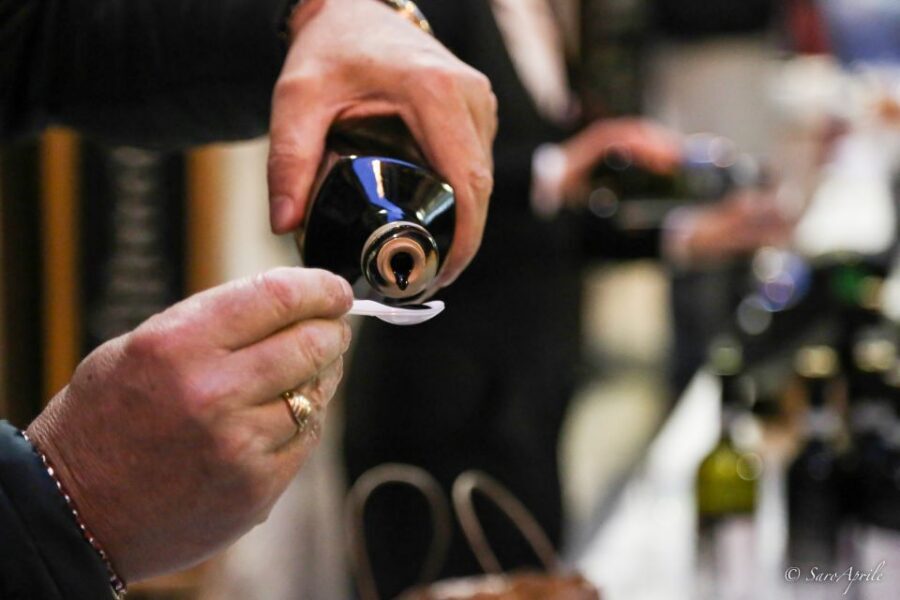
Balsamic vinegar can sound like marketing—black gold, centuries old, the stuff of legends. The value of this tour is that it converts that language into something measurable on your palate.
When you taste multiple versions side by side, you start picking up patterns:
- thicker, more concentrated styles often read as sweeter or rounder
- lighter styles can taste sharper, with a more immediate vinegar brightness
- higher-quality vinegar tends to feel more balanced between acidity and aroma
You’ll also learn how to appreciate black gold as Italians do. That phrasing matters. It suggests you won’t just drink it like a novelty. You’ll treat it like a condiment: something that changes the character of what it touches.
And the pairings prevent it from becoming theory. Instead of “trust me, it’s amazing,” you get “taste this on bread, then compare it to the next one.”
Pairings that actually teach you how to use balsamic at home
If you’ve ever bought a fancy balsamic bottle and wondered how to use it beyond salads, this portion is the cure.
Cheese: the flavor mirror
Cheese is a great test because it’s both salty and creamy. Balsamic can either brighten flavors or feel heavy. By pairing the vinegar with cheese during the tasting, you learn which versions work better with richness and which versions feel too sharp.
Bread: the aroma check
Bread is simple on purpose. It gives you a clean stage to notice sweetness and perfume-like aroma. You can focus on the vinegar’s character without worrying about complex ingredients.
Fruit: depth, not just sweetness
Fruit is the classic pairing for a reason. Balsamic can deepen fruit flavors and add a subtle, grown-up complexity. In a short session like this, it’s one of the quickest ways to understand why black gold isn’t only for savory dishes.
Across the reviews, people consistently mention the array of meats and cheeses (and a strong emphasis on bread and cheese pairings). That lines up with why this format works: it teaches you taste through contrast on familiar foods.
Price and value: is $53 for 1 hour a fair deal?
$53 per person for a one-hour tasting is not a bargain snack. It’s a paid lesson. The question is whether you’re getting something more than “vinegar with bread.”
Here’s how I’d judge the value:
- You’re learning the difference between IGP and DOC, not just sampling.
- You get a guided historical and production explanation, which helps you buy better afterward.
- You’re tasting multiple types paired with food, so the experience isn’t just one sip and done.
- The guides are reported as welcoming and highly communicative, with one host named Natalie singled out for being informative and passionate.
If you’re the type who likes food tours when they teach you a skill you can repeat, this feels like a good use of time. If you mainly want a quick taste without instruction, you might find it pricier than you expected.
Who this balsamic tasting is for (and who should skip it)
This experience fits best if you:
- love food tours that explain how a product works
- want a Verona activity that’s not another walking-and-looking session
- care about quality and labels, especially IGP and DOC
- enjoy tasting in a guided, low-pressure format
It’s also a good choice for people who are traveling with someone who wants food culture but doesn’t want a long, complicated meal.
If you’re strongly pressed for time and want only a quick sample, consider whether a longer meal or a market stop would better match your style. But if you want the reason behind the flavor, this 1-hour session is built for that.
How to get the most from your tasting
A balsamic tour works best when you approach it like a mini class.
Try this:
- Taste one vinegar first without food, then taste it again with bread. Notice what changes.
- Pick one descriptor you want to track, like sweetness or acidity, and compare across versions.
- Ask your guide questions as you go, especially about IGP vs DOC. That’s the info you’ll use later when you shop.
- Go slow. The hour is short, but your palate needs moments to adjust.
Reviews repeatedly mention how hosts were organized and clear, and how they made the session enjoyable, not intimidating. If you’re willing to ask even one question, you’ll likely get more out of it.
Should you book this Verona balsamic vinegar tasting?
I’d book it if you want a high-signal food experience in a tight time window. For $53, you’re paying for instruction, guided tasting, and food pairings—not just a few sips. And with hosts like Natalie highlighted for being informative and engaging, it doesn’t feel like a scripted routine.
I’d pause if you’re driving and can’t handle the possibility of limited parking near Via Leoncino 31. If you’re relying on a car, give yourself more time than you think you need, or consider alternative transport.
If you want something more memorable than another meal—something that teaches you how to recognize and enjoy the real thing—this one-hour black gold lesson is a solid choice.
FAQ
What is the duration of the Verona balsamic vinegar tasting?
The tasting lasts 1 hour.
Where does the tour meet?
The meeting point is Via Leoncino 31.
How much does the experience cost?
It costs $53 per person.
What languages are available for the guide?
Guides are available in English, Italian, or Russian.
What’s included in the tasting?
You’ll get a vinegar tasting paired with local products such as cheese, bread, and fruit, plus sparkling or still water, with a guide in one of the listed languages.
Is free cancellation available?
Yes. You can cancel up to 24 hours in advance for a full refund.
Is there a reserve now, pay later option?
Yes. You can reserve now & pay later, keeping your travel plans flexible.