REVIEW · VENICE
Creative Venice: Artisan Excellence and Craftsmen Workshops
Book on Viator →Operated by deTourist Venice Valerio Coppo · Bookable on Viator
Forget Venice selfies. This is artisan Venice.
This tour turns the city into a working craft map, with artisan workshops and tiny atelier visits led by licensed guide Valerio Coppo. You start near Rialto, then move through markets, paper and shoes, hats, ceramics, Murano glass jewelry, and even historic textile weaving—so you see how Venice makes things, not just how it looks.
I love two parts most: the slow, human pace (about 15 minutes per stop) that lets questions actually happen, and the way Valerio connects objects to Venetian daily life—food, family tables, lagoon materials, and long-lived hand skills. You also get that behind-the-scenes feel because you’re guided into the spaces where people work, not just storefronts.
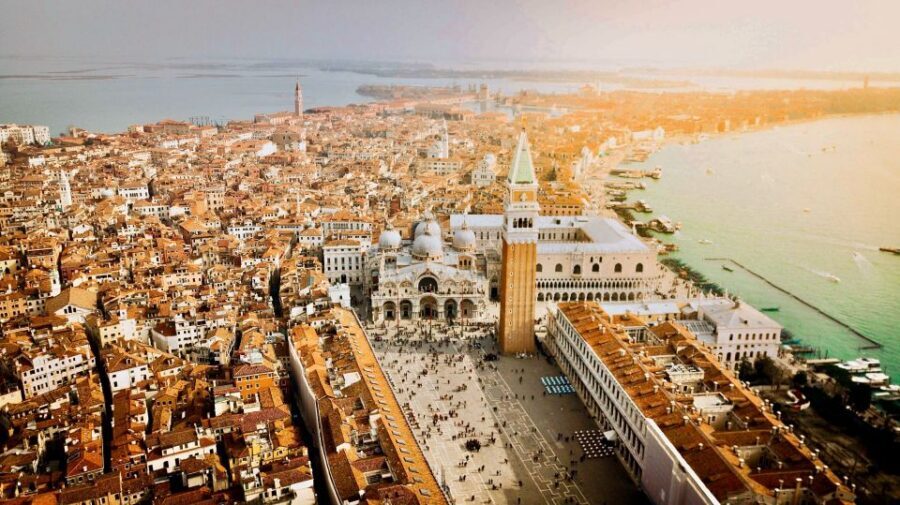
One thing to consider: this is craft-focused, not a greatest-hits monument tour. If you’re chasing big landmark time (St. Mark’s, Doge’s Palace, etc.), you’ll still cover a lot of ground, but your attention will stay on workshops and trades.
In This Review
- Highlights at a glance
- Why This Venice Craft Tour Feels Different From Standard Sightseeing
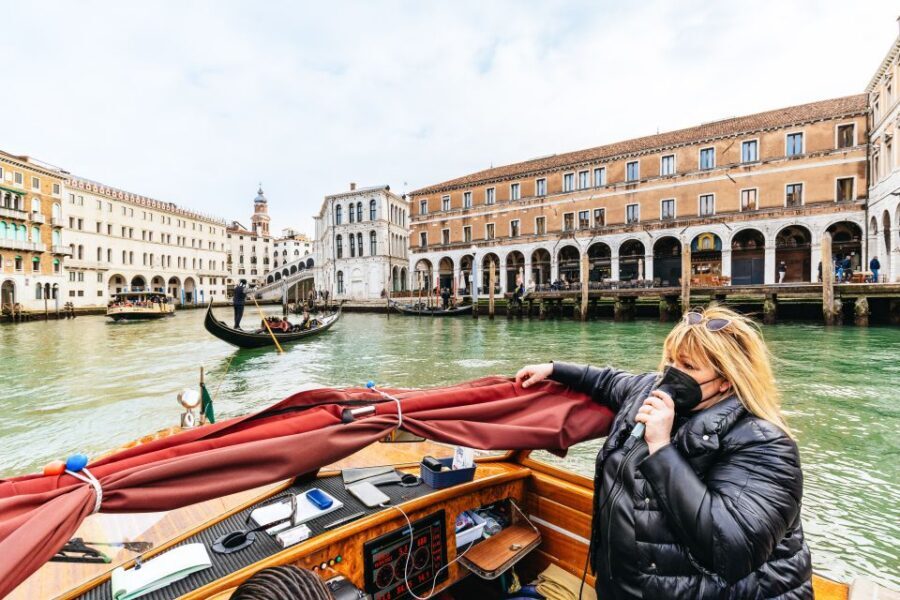
- Starting in Campo San Giacomo di Rialto: An Old Venice “First Impression”
- Rialto’s Pescheria: The Noisy Fish Market Moment That Tells the Truth
- San Polo Rural Ceramics: When “Handmade” Means Family Traditions
- Ponte di Rialto Shoe Shop: The Recycling Lesson Built Into a Pair of Shoes
- Campo Manin Hats: Giuliana’s Tiny Shop and the Ecuador Connection
- Campo Santo Stefano and Marmorizzato Paper: Lagoon Colors Frozen in Sheets
- San Salvador Atelier: Glass Flowers, Cut Iron, Wood, and Jewelry as Art Objects
- Murano Glass Jewelry at Rialto and Textiles in Cannaregio
- What the $182.17 Price Really Buys You (And When It Might Not)
- Private Tour Flexibility: Custom Pace Without Losing the Flow
- Who Should Book This Artisan Excellence Tour
- Should You Book Creative Venice?
- FAQ
- How long is the Creative Venice tour?
- What does it cost per person?
- Where do we meet the guide?
- Is pickup available in Venice?
- Is this tour private or shared?
- What language is the tour guide?
- Are there admission fees at the stops?
- What’s the cancellation window for a full refund?
Highlights at a glance
- Rialto fish market as living texture, not a photo stop
- Recycled-material shoe craft with hand-sewn finishing
- Marmorizzato paper that mirrors lagoon color shifts
- Murano glass jewelry made through classic bead, blowing, and lamp-working methods
- Cannaregio textile weaving including the hand-made soprarizzo velvet on historic looms
Why This Venice Craft Tour Feels Different From Standard Sightseeing
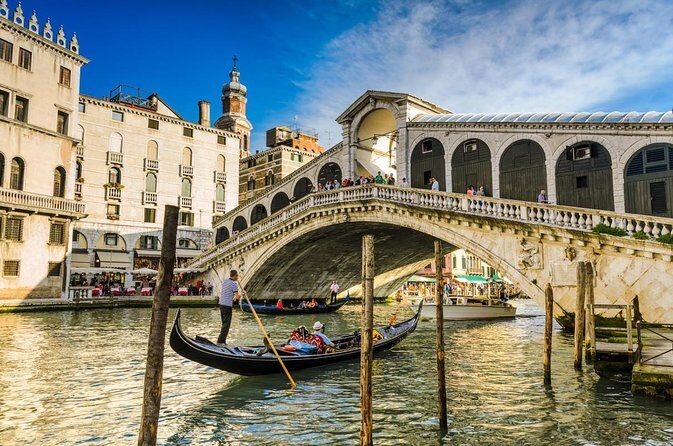
Venice can be a blur of canals and crowds. This tour slows you down on purpose. Instead of racing from one landmark to another, you get a guided circuit through trades—shops that smell like materials, machines, and paper stacks. It’s the kind of day where you notice details you normally miss: how a hand holds a tool, how colors show up differently in glass, and why some crafts survive when mass production doesn’t.
The best part is the guide. Valerio Coppo brings the city’s craft culture to life with stories that explain why people made things the way they did. And because the tour is designed around short stops, you don’t have to endure long stretches of listening without a payoff. You get to watch work, ask questions, and then walk into the next craft world.
Also, you’ll likely appreciate the practical rhythm. It’s about 3 hours total, and the route is built around neighborhoods that make sense for a walk: starting around central Rialto, then heading toward San Polo and Cannaregio. You can handle this even if you’re not a hardcore history person, because the focus stays on how things are made.
You can also read our reviews of more tours and experiences in Venice



Starting in Campo San Giacomo di Rialto: An Old Venice “First Impression”
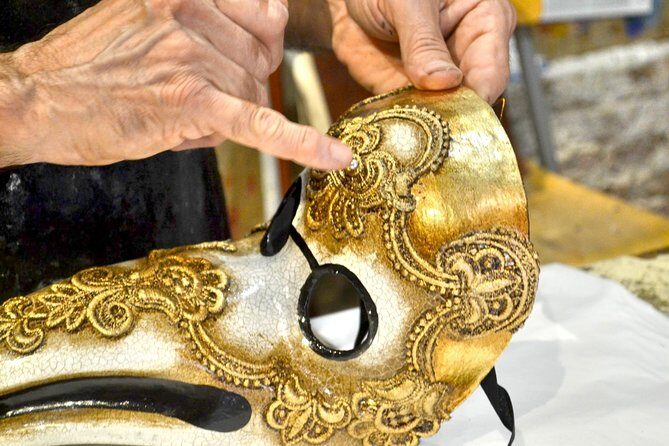
Your tour begins in Campo San Giacomo di Rialto, right in the center of Venice, in front of a church that’s traditionally considered one of the oldest in town. This is a smart opening. It gives you a “Venice is layered” moment immediately—before you hit any markets or workshops.
You’ll stand in a square that feels like it belongs to daily life, not just tourism. From there, you’re ready for the next move: the sound and energy of the Rialto fish area. Starting at a church landmark also works as a mental anchor. You get your bearings fast, then the tour keeps walking through Venice’s craft spine.
Rialto’s Pescheria: The Noisy Fish Market Moment That Tells the Truth
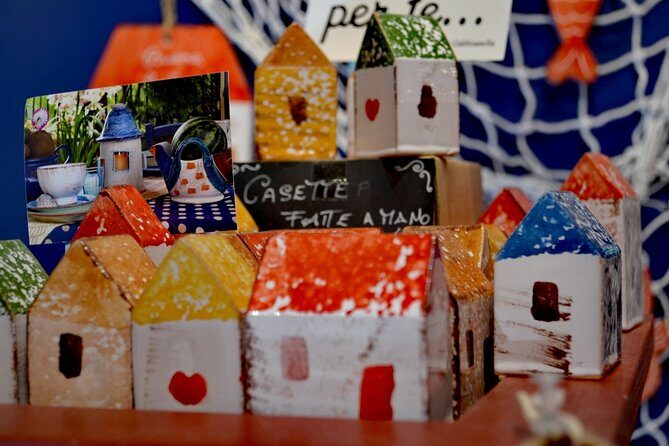
Next comes Mercato del Pesce al Minuto—part of the Rialto fish market scene. This is Venice at full volume. Expect seagulls in the mix, fishmongers calling out today’s catch, and locals browsing with purpose. Even if you’ve seen fish markets elsewhere, the Venetian setup feels distinct because of the atmosphere: it’s raw, practical, and always in motion.
What I like about this stop is that it explains something you can’t learn from a museum label. Venice’s craft identity isn’t separate from its working life. The people who buy food from this market are the same cultural ecosystem that keeps traditions alive—ceramics for the table, textiles for homes, and skilled making for daily use.
The practical tip: if the noise feels like a lot, just watch for the details instead of trying to hear everything. Look at how the fish are arranged and how the ice changes the colors and surfaces. You’re training your eye for the kind of craftsmanship you’ll see later.
San Polo Rural Ceramics: When “Handmade” Means Family Traditions
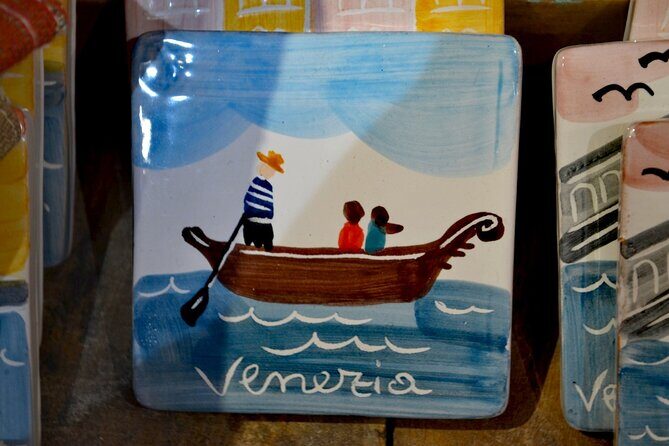
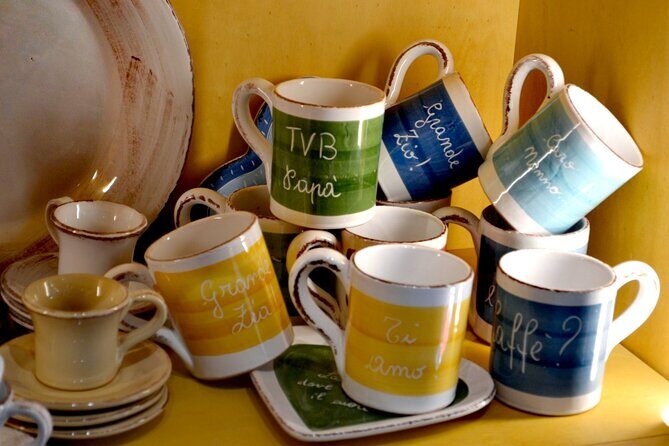
In San Polo, you’ll visit a local artisan focused on traditional rural products, using materials and techniques that don’t fit modern industrial production. The emphasis here isn’t just style. It’s the idea that these objects connect to values and rituals—spending time with family and friends around food, drink, and home celebrations.
The ceramics you’ll see are made in Italy with bright colors, lively patterns, and quality materials. They’re handmade in a time-honored way, aiming for a look that’s rustic and warm, but still refined enough to feel special on a shelf or in a dining setting.
A possible downside: if you only want crafts that scream luxury, this part may feel more grounded and homey than flashy. But if you like authenticity—things that look like they belong in real life—this is one of the most satisfying stops. It also helps you understand Venice beyond “souvenirs.” These are the kinds of objects that carry stories because people use them.
Ponte di Rialto Shoe Shop: The Recycling Lesson Built Into a Pair of Shoes
Then it’s to a traditional shoe shop at the Ponte di Rialto area, where the tour highlights an approach to making that’s equal parts need and technique. The craft story is about using what’s available and turning it into something durable and well finished—an attitude shaped by the relationship between people and the environment.
Here’s what makes this stop memorable: old bicycle tyres get turned into waterproof, hardwearing soles. Jute sacks—once used for seeds and grains—become linings. Even worn fabrics and rags from old clothes are transformed into uppers. Necessity becomes a virtue, and the shoe becomes a wearable example of Venetian reuse.
You’ll also hear about newer generations of styles, including “Veneziane,” inspired by 18th-century Serenissima elegance, then embellished with velvet or bright silks. What you can expect is hand-sewn construction, not factory speed.
One more note: this is not just a clever materials story. It’s a reminder that craftsmanship is often practical first. The best shoes are designed to last. If you’re shopping later in Venice, this stop gives you a standard to compare against.





Campo Manin Hats: Giuliana’s Tiny Shop and the Ecuador Connection
At Campo Manin, you visit a small hat shop run by Giuliana, known for a wide selection: Panama hats, gondolier-style hats, Carnevale hats, waterproof options, woolly hats, and even wedding hats. That variety matters because it shows how one craft can adapt to different seasons, jobs, and celebrations.
A key detail you’ll hear: since 1980, Giuliana has imported her Panama hats directly from Ecuador. The shop is also officially recognized as a historic place of the Veneto Region. That recognition helps you understand this isn’t a random tourist trinket stall. It’s a long-running specialty business tied to regional heritage.
Potential consideration: hats are an easy item to buy, but sizing and taste can be personal. Even if you don’t plan to purchase, this stop is still worth it for the craft conversation—how hats fit into Venetian identity from gondoliers to festivities.
Campo Santo Stefano and Marmorizzato Paper: Lagoon Colors Frozen in Sheets
Campo Santo Stefano takes you to a maestro marmorizzatore, a master papermaker. The word maestro carries weight in Italian, and in the Venetian dialect it’s also used respectfully, like a thoughtful way to greet an elderly person. That cultural use fits the craft itself: this is a craft of patience and teaching.
You’ll see ancient paper techniques revived in Venice, focused on how water and pigments can create specific patterns and colors. The lagoon’s water changes through the day, and the aim is to reproduce those shades. Some designs you’ll encounter include flower-themed sheets—tulips, roses, trees. There’s also a standout series with fish that smile, petrified on paper like fossils embedded in primordial seas.
This is a great stop if you like craftsmanship you can’t fake. Machine-printed paper doesn’t behave like this. Even if you’re not buying, watching how the artist works with technique and color will change what you notice about Venice after the tour.
San Salvador Atelier: Glass Flowers, Cut Iron, Wood, and Jewelry as Art Objects
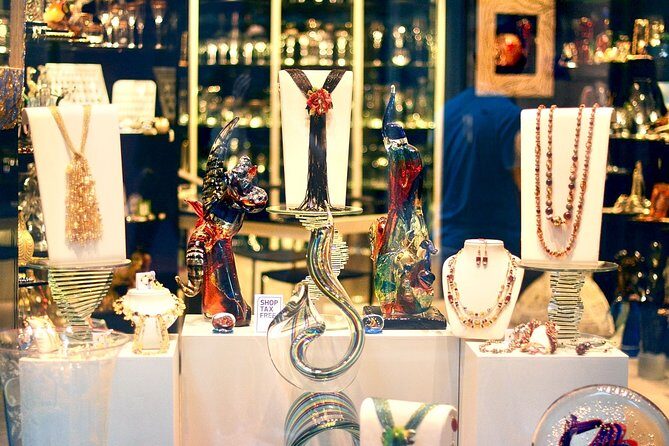
Next is the Chiesa di San Salvador area, where you visit an atelier-like space for artists who’ve been working since 2007. Instead of focusing on one product category, this stop is more about the relationship between object and viewer—sculptures, jewelry, and mixed materials.
What you’ll likely see includes rare collections of original sculptures and jewelry, delicate glass flowers, dreamlike shapes of cut iron, reborn trees from wood, nomadic landscapes, and sights from the abyss. It’s imaginative work, but the craft foundation is still obvious: cutting, shaping, assembling, and finishing by hand.
A possible drawback: if you prefer strictly traditional trades (ceramics, textiles, glassmaking in the classic sense), this stop may feel more contemporary. But it still belongs in the overall craft story, because it shows that Venetian making isn’t trapped in the past. It evolves.
Murano Glass Jewelry at Rialto and Textiles in Cannaregio
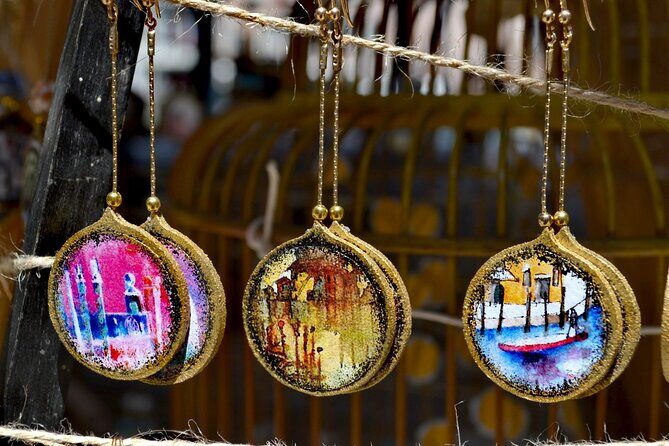
The tour finishes its craft loop with Murano-style jewelry and historic fabric weaving—two topics that many visitors hear about but rarely understand in a practical way.
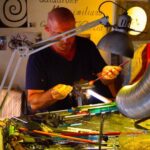
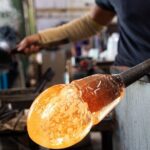
First, at the Ponte di Rialto area again, you visit a shop producing jewelry in Murano glass. The work is entirely by hand, using refined techniques tied to the Venetian tradition. Expect a focus on beads made by little local workshops and the classic trio of skills: glass blowing and lamp-working techniques.
You’ll probably spot how “Murano glass” becomes real here. It’s not just the word on a souvenir. It’s the steps. Watching how pieces are formed helps you understand why the craft takes time and why the results can look so different.
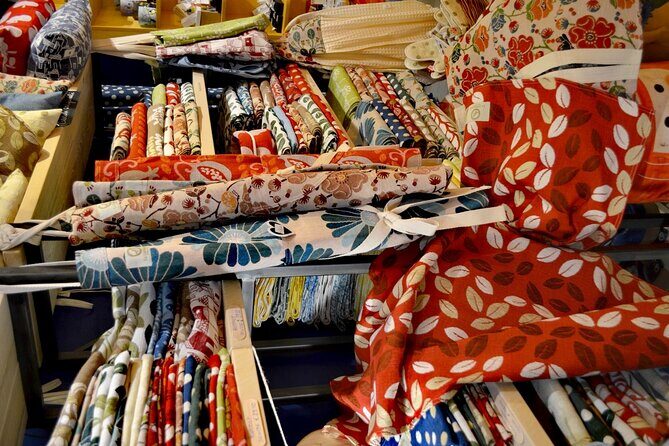
Then you head to Cannaregio for textiles. You’ll visit a textile company producing fine fabrics for furnishing and high fashion—velvets, damasks, lampases, brocatelles, plus the special soprarizzo velvet. This one is still hand made, and that’s the headline.
The tour shares a detail that matters: soprarizzo production is carried out on 18 looms of the 18th century, originally linked to the silk guild of the Republic of Venice. That means the process isn’t only handmade at the finish. It’s rooted in the tools and methods that shaped Venetian weaving for generations.
If you’re curious about luxury fabric in a real way, this is the best stop for turning words like velvet and damask into something you can picture.
What the $182.17 Price Really Buys You (And When It Might Not)
At $182.17 per person for about 3 hours, you’re paying for more than a walk and a script. You’re paying for access and interpretation.
Here’s the value breakdown I’d look for:
- A licensed guide who can explain what you’re seeing in plain language and with context.
- Multiple workshop visits—not just browsing, but watching and speaking with people who make things.
- A pace built for questions, with stops around 15 minutes each.
- Free entry at the stops listed, so you’re not stacking small admission costs on top.
Compared with doing this on your own, the big win is friction reduction. Venice has tons of shops. It’s hard to know which places show real process and which are built for quick selling. A guided craft circuit helps you focus on maker spaces.
When it might not fit: if you hate walking between neighborhoods, or if you only want the most famous photo sites, you may feel the time should have gone elsewhere. But if you like craft, design, and real local routines, it’s a very fair price for what you get.
Private Tour Flexibility: Custom Pace Without Losing the Flow
One of the smarter features here is the flexibility. The tour notes that a flexible private tour can adjust itinerary and pace. In plain terms: you won’t feel locked into watching every minute of a routine if your group wants more time on glass or paper, or if you’d rather rush past something less interesting.
This is also where the private-group setup matters. Your group stays together, and the guide can match the rhythm to your interests. If you’re a slower walker, great. If you want fast explanations and lots of watching, also great.
Who Should Book This Artisan Excellence Tour
This tour makes the most sense for you if:
- You care about how things are made, especially textiles, glass, paper, and wearable crafts
- You want a less generic Venice experience than the classic monument loop
- You like meeting artisans and seeing studio-scale work up close
- You’d rather spend 3 hours on process than on a single ticketed attraction
It also suits couples and small groups who want a thoughtful day without feeling dragged around. If you’re traveling solo, it’s still a nice format because the guide’s focus stays on your group’s questions.
If you’re expecting non-stop spectacle, this might feel calmer than you want. But that’s also the point. Venice craftsmanship rewards attention.
Should You Book Creative Venice?
If you’re choosing between another Venice “highlights” walking tour and this craft-focused route, I’d book this one—especially if you want something that feels real and specific. The mix of Rialto market life, recycled shoe craft, artisan hats, lagoon-based paper art, Murano-style glass jewelry, and Cannaregio textile weaving gives you a rounded view of what Venice produces and why.
Skip it only if you mainly want landmark time and don’t care about trades. In that case, the workshops won’t scratch the same itch as major monuments.
If you do book, bring a curious mindset. You’ll get the most out of the tour by asking simple questions like what technique takes the longest, what material is hardest to source, and how the craft has changed over time.
FAQ
How long is the Creative Venice tour?
The tour is listed as about 3 hours.
What does it cost per person?
The price is $182.17 per person.
Where do we meet the guide?
Meet in Campo San Giacomo di Rialto, near the church and fountain in the middle of the square.
Is pickup available in Venice?
Pickup is possible, but personalized pick-up is stated as available only if you book a private group.
Is this tour private or shared?
This is a private tour/activity, meaning only your group participates.
What language is the tour guide?
The tour is offered in English.
Are there admission fees at the stops?
The tour details list admission tickets as free for each listed stop.
What’s the cancellation window for a full refund?
You can cancel up to 24 hours in advance of the experience for a full refund.