REVIEW · VERONA
Food and Wine Tasting in Valpolicella
Book on Viator →Operated by Azienda Vinicola Farina · Bookable on Viator
Wine tastes better with a story.
This Food and Wine Tasting in Valpolicella pairs a real working vineyard setting in Valpolicella Classica with a hands-on look at how Farina handles grapes before they ever hit the cellar. You’ll walk through the vineyard, see the traditional drying-in-the-loft practice, then move into the aging world—barrels, barriques, and concrete amphorae—before finishing with a guided sampling of the wines made from that process.
Two things I really like about this tour: the flow is simple and logical (vineyard to loft to cellar to tasting), and the tasting is generous for the price: 6 wines with local cold cuts and cheeses. One possible drawback: it’s wine-forward and includes alcoholic tasting, so plan your day accordingly if you’re hoping to stay fully sober.
In This Review
- Key highlights at a glance
- Valpolicella Classica, Farina style: why this starts in the vines
- Drying grapes in the loft: the step that changes everything
- Inside the cellar: barrels, barriques, and concrete amphorae
- The tasting: 6 wines, salumi, cheese, and a pace that works
- Timing, group size, and getting there from Verona
- Who should book this Valpolicella wine and food tasting
- Value check: is $42.05 worth it?
- Should you book Food and Wine Tasting in Valpolicella at Farina?
Key highlights at a glance
- Vineyard start in Valpolicella Classica so you understand what you’re drinking before tasting begins
- Drying grapes in the loft gives context to why certain Valpolicella styles feel richer and more concentrated
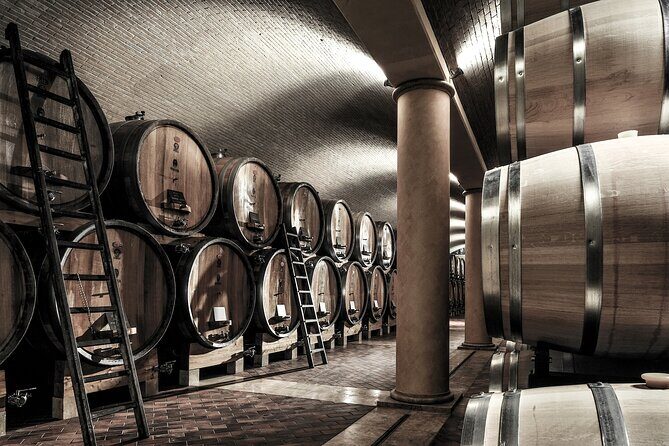
- Cellar aging walkthrough with a mix of barrels, barriques, and concrete amphorae
- Tasting of 6 wines paired with local salumi and cheeses
- Small group size (max 12) keeps the pace friendly and questions actually get answered
Valpolicella Classica, Farina style: why this starts in the vines
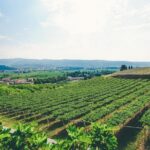
If you’ve ever tasted wine first and learned later, this tour fixes that order fast. You meet at Azienda Vinicola Farina in Pedemonte (Viale Alberto Bolla, 11), and the experience begins outdoors in the vineyards of Valpolicella Classica. That matters more than you might think. Walking among the rows gives your brain an anchor—everything the guide explains later about grapes, aging, and wine character suddenly makes more sense.
The visit is also designed for a smooth 1.5-hour slot. There’s a clear rhythm: walking time, then the more focused cellar and loft explanations, then the tasting. It’s not rushed chaos, but it also isn’t a long, drawn-out seminar where you lose track of what you’re tasting.
And because the group is capped at 12, you’re less likely to feel like you’re standing in a line. You can ask practical questions—like why drying changes the wine’s style—and actually get a back-and-forth conversation.
You can also read our reviews of more food & drink experiences in Verona
Drying grapes in the loft: the step that changes everything
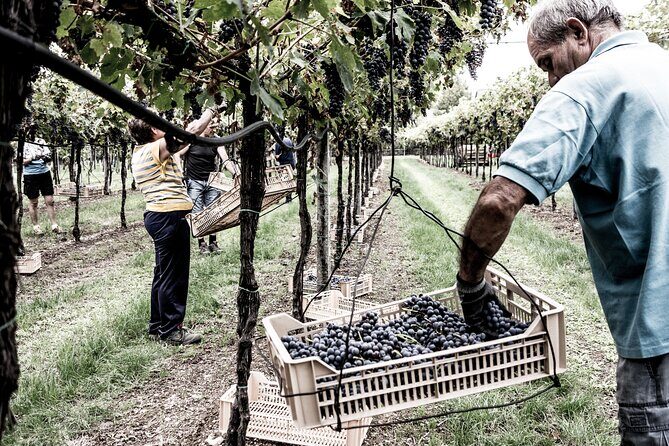
One of the most interesting parts of the tour is the traditional practice of drying grapes in the loft. This is one of those moments where you can almost see the logic of the process: the grapes lose water, concentration increases, and the final wine character becomes more intense and structured.
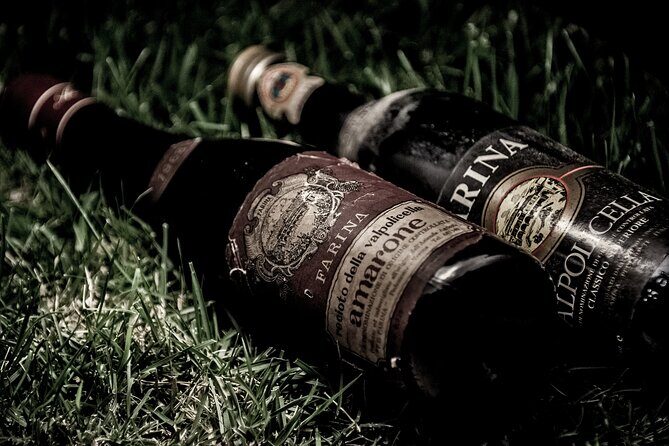
This step is also where the tour connects to the bigger Amarone conversation. You’ll hear the vineyard logic behind wines that are known for depth—especially styles associated with dried-grape methods. Even if you’re not an Amarone superfan, this is the stage that explains why some Valpolicella wines taste bold, not just fruity.
Practically, the loft discussion is also a palate preview. After you’ve learned the how and why, tasting the wines at the end feels less like randomness and more like following a cause-and-effect chain. You’ll taste with purpose: sweetness vs. bitterness, structure vs. softness, and how aroma shifts when grapes were dried before fermenting.
One small consideration: this is a working explanation, not a performance. If you prefer purely social tastings with minimal process talk, you might want to mentally prepare for a bit of winemaking education. The good news is that it’s framed in plain, visitor-friendly terms.
Inside the cellar: barrels, barriques, and concrete amphorae
After the grape-drying stop, you shift from “what happens to grapes” to “what happens to wine.” The cellar portion focuses on making wine and then aging it—so you get a two-step view: production, then time in different containers.
The tour highlights multiple aging formats:
- barrels
- barriques
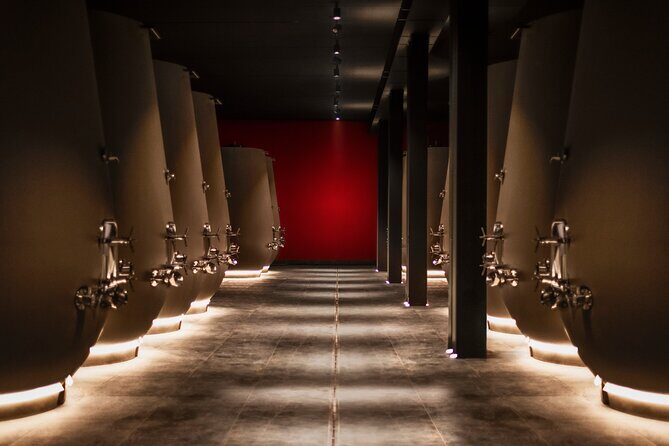
- and newer-style aging in concrete amphorae
That variety is the value here. A lot of tastings only show one aging approach. Seeing multiple vessels in one visit helps you understand why the same grapes can still produce different textures and flavor impressions.
Here’s the practical takeaway for your tasting: when you sample the wines, don’t just look at color and aroma. Listen for what the guide emphasizes about aging and structure. Barrique aging often gets talked about in terms of added oak influence and texture; concrete amphorae get discussed as a more neutral, vessel-driven approach that changes how the wine evolves over time. You don’t need a winemaking textbook—just pay attention to the guide’s contrasts, and you’ll start noticing those differences on your palate.
The facility itself is also part of the experience. People often comment on how well maintained the winery is, and you can feel that in the orderliness of the spaces and the way the tour is hosted. It doesn’t feel like a rushed side attraction—it feels like an actual winery visit.
The tasting: 6 wines, salumi, cheese, and a pace that works
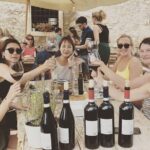
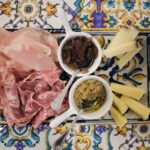
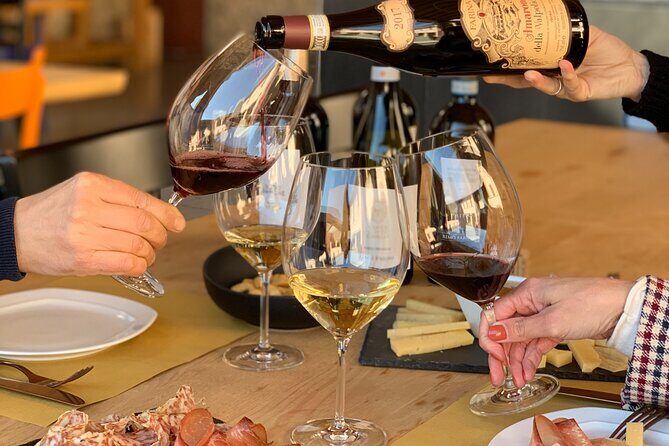
The grand finish is the guided tasting of 6 wines, served with local cold cuts and cheeses. This is a smart pairing setup because it supports the wines without overwhelming them.
Salumi and cheese do two useful things for you:
- They give your palate something savory to calibrate with (especially when wines range in style).
- They help the tasting feel like a full experience rather than a quick sip-and-go.
You also get a guided structure to tasting, which is key when you’re sampling multiple bottles. The “enough of each wine” feel helps you stay engaged—without getting to the end and wishing you’d had more clarity on one that you liked.
One extra practical note: wine tastings sometimes run behind schedule. In this case, it’s good to know that if there’s a delay, you may still be offered wine while waiting. That turns an awkward waiting period into part of the experience.
And if you’re wondering about value: $42.05 per person for 90 minutes, a guided tour through the vineyard/loft/cellar, and a tasting of 6 wines with food is in the reasonable range for the Verona area—especially when the visit includes an educational component instead of just a basic pour.
Timing, group size, and getting there from Verona
This tour runs about 1 hour 30 minutes. That’s long enough to learn and taste without stealing your whole afternoon. It also makes the plan easy: you can pair it with lunch in Verona or build it into a slower day when you don’t want to chase five different stops.
Group size is capped at 12, which helps keep the experience personal. You’re not stuck shouting over clinking glassware, and you’re more likely to get direct answers instead of generic talking points.
Transportation-wise, private transportation is not included. The good news: the meeting point is near public transportation, and it’s possible to reach the winery from Verona by bus (which can be a big money-saver if you’re traveling without a car). If you’re planning on using public transport, give yourself a little buffer so you’re not sprinting through the valley road with wine tasting on the line.
You can also read our reviews of more tours and experiences in Verona

Who should book this Valpolicella wine and food tasting
This is a great fit if you want your wine day to feel grounded, not just Instagram-friendly. You’ll enjoy it most if you like:
- learning how grape processes show up in the glass
- tasting multiple wines in a guided format
- pairing wine with local salumi and cheese
It’s also a solid choice for first-timers. You don’t need prior knowledge to appreciate the drying-loft concept or the way aging containers influence wine style. And the English offering makes it easier to follow the explanations without guessing.
Because service animals are allowed and most people can participate, it’s generally flexible for a wide range of visitors—just remember it’s a vineyard and cellar experience, so comfortable shoes help.
Value check: is $42.05 worth it?
For me, value here comes from how much is packed into that 90-minute window.
You’re not only tasting wine. You’re also getting:
- a vineyard start in Valpolicella Classica
- a look at drying grapes in the loft
- a cellar walkthrough focused on production and aging vessels
- then a structured tasting of 6 wines with local food
That mix is what makes the price feel fair. A tasting-only option can be cheaper, sure—but it often leaves you with fewer anchors for understanding. Here, the explanation is part of the product. And because the group is small, the guide’s knowledge gets delivered in a way that feels more like conversation than lecture.
One more value detail: the price is per person and the tour includes the alcoholic tastings. If you drink wine and you’re doing a day in the Verona region anyway, this can be a strong way to avoid spending extra on separate food stops—since the tasting is paired with salumi and cheeses.
Should you book Food and Wine Tasting in Valpolicella at Farina?
Book it if you want an efficient, education-led wine experience with real vineyard context and a satisfying tasting lineup. This works especially well if you’ll be in the Verona area and you want something more authentic than a drive-by winery stop.
Skip it—or consider a different style of tour—if you’re not interested in learning the process and you prefer purely casual tastings. Also, because alcoholic tastings are included, plan transportation and timing so you don’t feel rushed afterward.
If your idea of a great afternoon is good wine, a clear explanation, and food that actually pairs well, this one is an easy yes.