REVIEW · VERONA
Verona: Food and Wine Tasting Walking Tour
Book on GetYourGuide →Operated by Ways Tours | B Corp company · Bookable on GetYourGuide
Food walks beat bus tours in Verona. This 3-hour tasting route mixes classic city sights with real local bites, from espresso and Risino to Valpolicella wine tastings. If your group gets a guide like Stefano or Andrea, you’ll likely get clear stories tied directly to what you’re eating and where you’re standing. I especially love two things here: the Risotto all’Amarone lunch (a Verona signature) and the guided chance to compare local wines with bite-sized pairings.
One consideration: the tour is a street walk that runs rain or shine, and parts of it may be awkward if you have mobility limits.
In This Review
- Key highlights you’ll feel fast
- Verona Food and Wine in 3 Hours: a practical plan
- Where you start matters: Porta Borsari and the short walking rhythm
- Morning tour: espresso, Risino, meatballs, Amarone risotto, and gelato
- Afternoon tour: cicchetti aperitivo, a cone of meatballs, three wines, Aperol Spritz
- The wine focus: Valpolicella tastes and why pairing helps
- City sights without the museum mood: Porta Borsari, squares, and Ponte Pietra
- What you get for $96.29: tastings, guide time, and access
- Who this tour fits best (and who should think twice)
- Tips to get more from each stop
- Should you book this Verona Food and Wine Walking Tour?
Key highlights you’ll feel fast
- Porta Borsari meet-up, then straight into the center without wasting time
- Risino + espresso to start like a local, not like a tourist
- Handmade meatballs twice (including a cone stop for on-the-go eating)
- Amarone-linked risotto that shows why Verona takes wine seriously
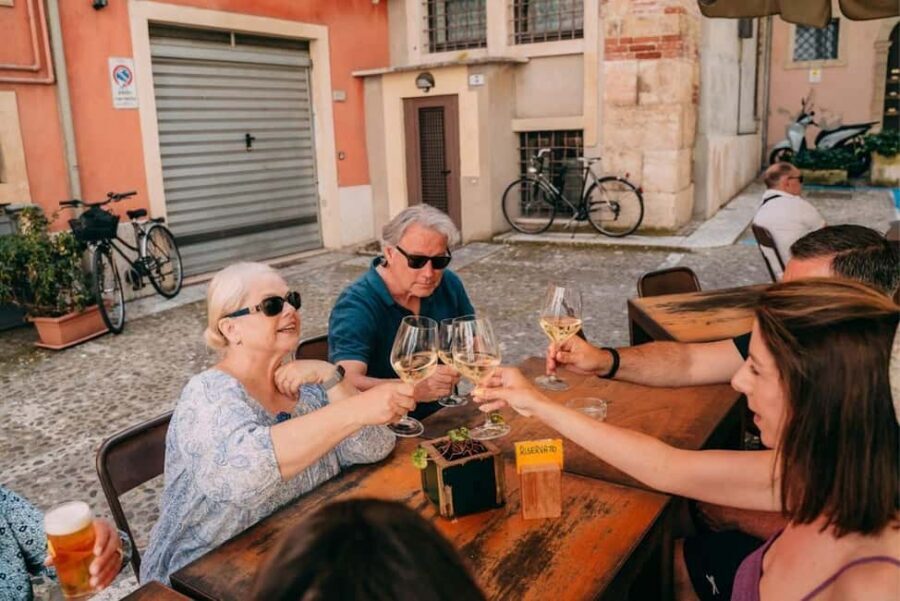
- Three-wine tastings with food pairings instead of just sipping
- Two different vibes: morning sweetness ending in gelato, or afternoon aperitivo ending with an Aperol Spritz
Verona Food and Wine in 3 Hours: a practical plan
Verona is one of those cities where food and wine are part of the daily rhythm, not a side quest. This tour is built for that. You don’t just taste things in a row; you walk through the center, stop at places locals use, and get context as you go.
The value comes from the structure. In a single morning or afternoon you hit multiple tastings—exactly five food and wine stops—plus a licensed English-speaking guide. It’s also a good way to avoid “menu guessing” when your Italian is limited and your time is short.
The walk is also paced for eating. You’ll have short stretches between stops (think quick city photos and then back to food), and you won’t be left wondering what to do next.
You can also read our reviews of more walking tours in Verona

Where you start matters: Porta Borsari and the short walking rhythm
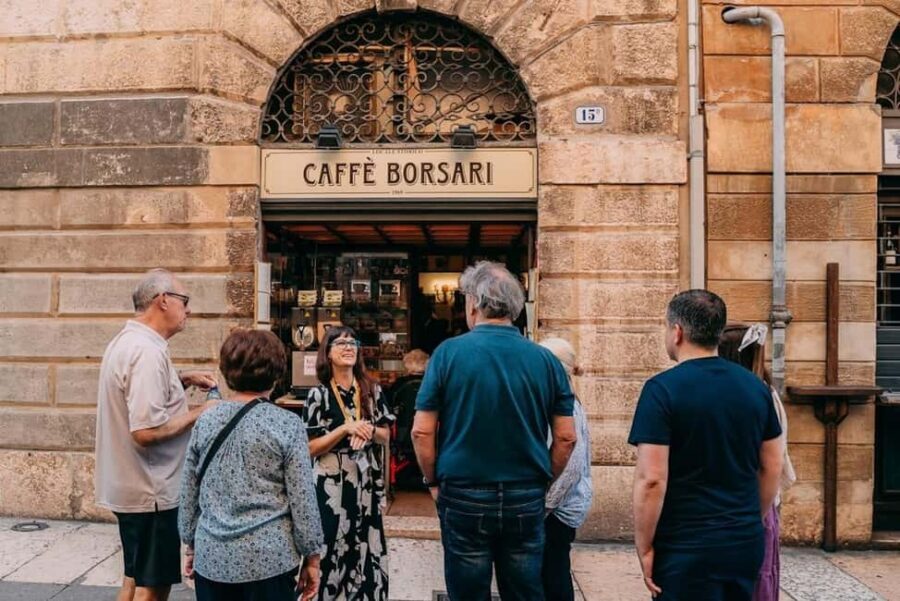
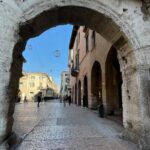
Your meet-up point is at Porta Borsari, under an arcade. The guide waits under that arcade with a yellow sign showing the word tour. It’s easy to miss if you rush, so I’d treat it like a museum entrance: slow down, look up, and confirm you’re at the right sign.
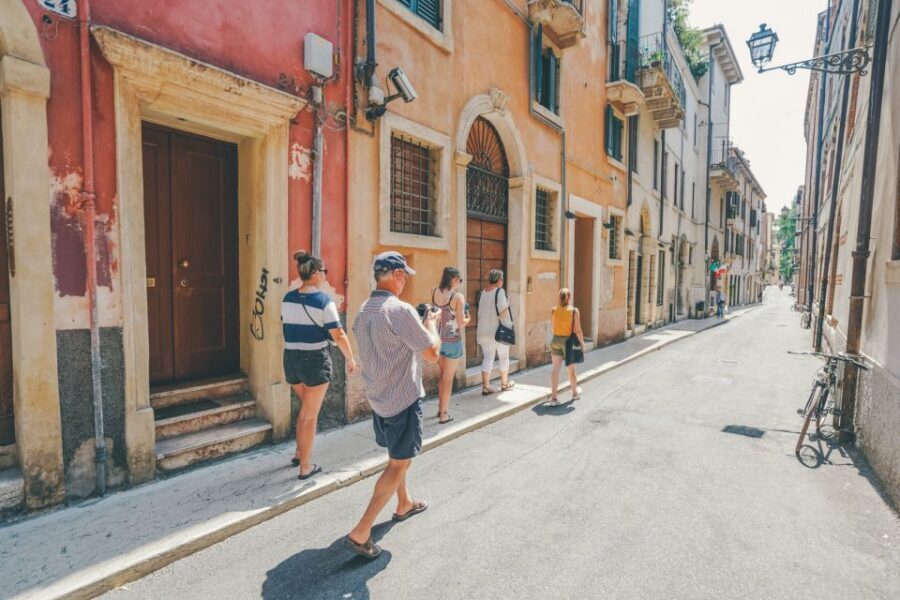
This tour is designed around compact distances in the historic center. You’ll move on foot through key squares and bridges—enough walking to feel like you’re in the city, not so much that you’re wrecked before the tastings.
One small practical note: you’ll be stopping inside cafés, osterias, trattorias, wine bars, and shops. That means you’ll want comfortable shoes and a jacket you can tolerate in rain, since the tour runs rain or shine.
Morning tour: espresso, Risino, meatballs, Amarone risotto, and gelato
If you’re the kind of person who likes a day with sweetness early, the morning schedule makes sense. It starts with breakfast—real Italian breakfast, not a sad pastry-and-coffee compromise.
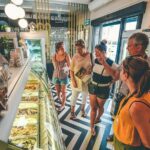
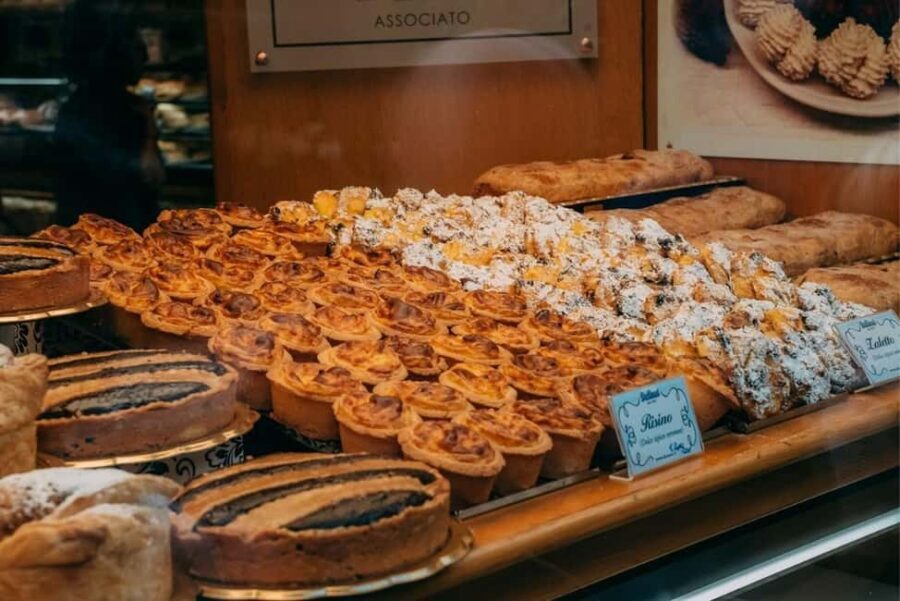
First up is a classic Veronese breakfast: an Espresso plus Risino, a traditional pastry made with rice. Then you walk through the center to a historic osteria-style stop for handmade meatballs made using time-honored recipes. This is where you start noticing the pattern: the tour’s not only about “tasting lots,” it’s about repeating certain flavors in different formats.
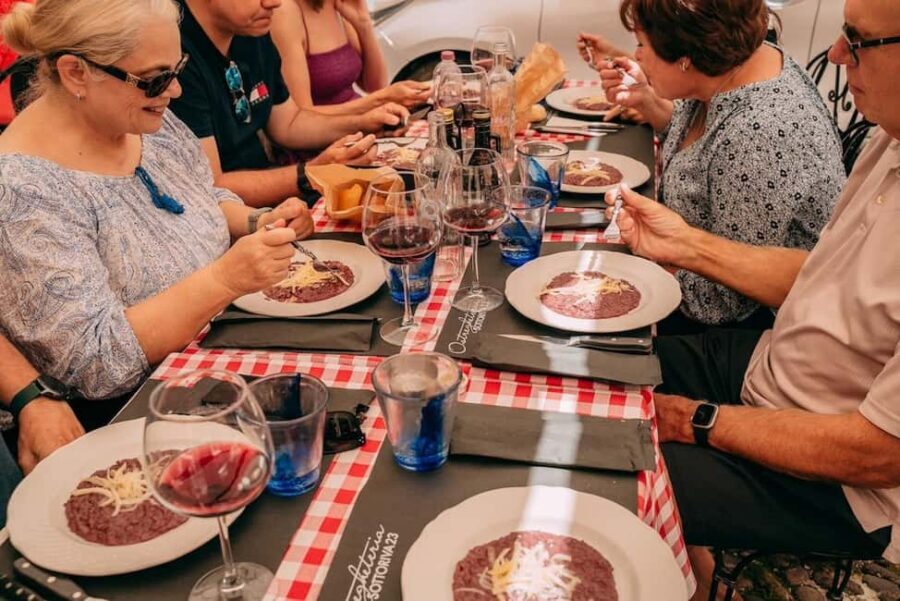
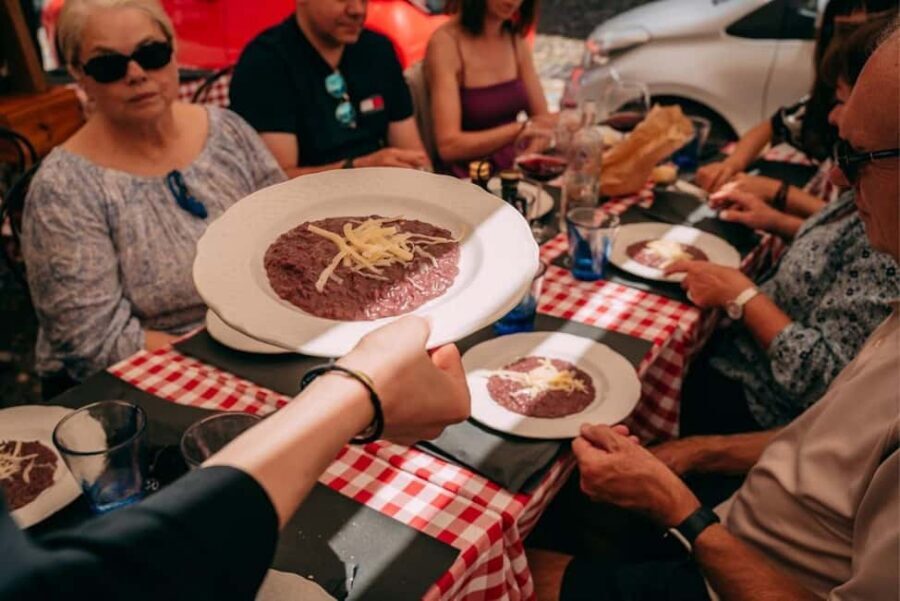
Next comes the lunch highlight: risotto all’Amarone, a dish made with exceptional red wine from the Valpolicella area. This is one of those meals that tells you why wine matters in Verona. Amarone isn’t just something you drink; it shows up as a flavor backbone in the food.
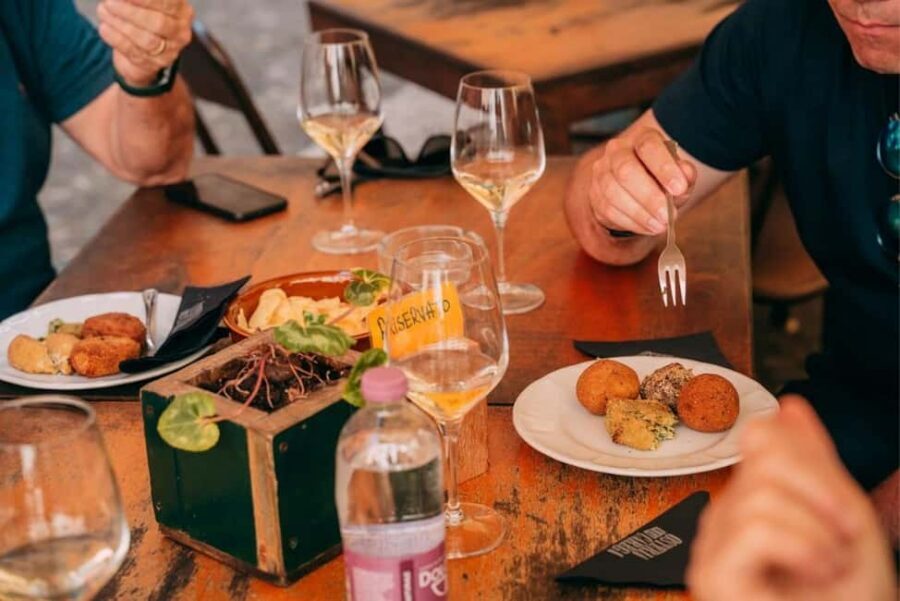
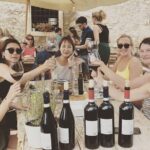
After lunch, you transition to wine with a guided tasting of three local wines. This part matters because the tastings are paired with small gourmet bites, which helps you connect what’s in the glass to what’s on your fork. The goal is understanding, not just collecting sips.
Then the day ends on a sweet note: a stop at a selected gelateria for artisanal gelato. That final step is smart. It balances all the savory and wine flavors, and it gives you something to enjoy without needing a full sit-down meal.
Afternoon tour: cicchetti aperitivo, a cone of meatballs, three wines, Aperol Spritz
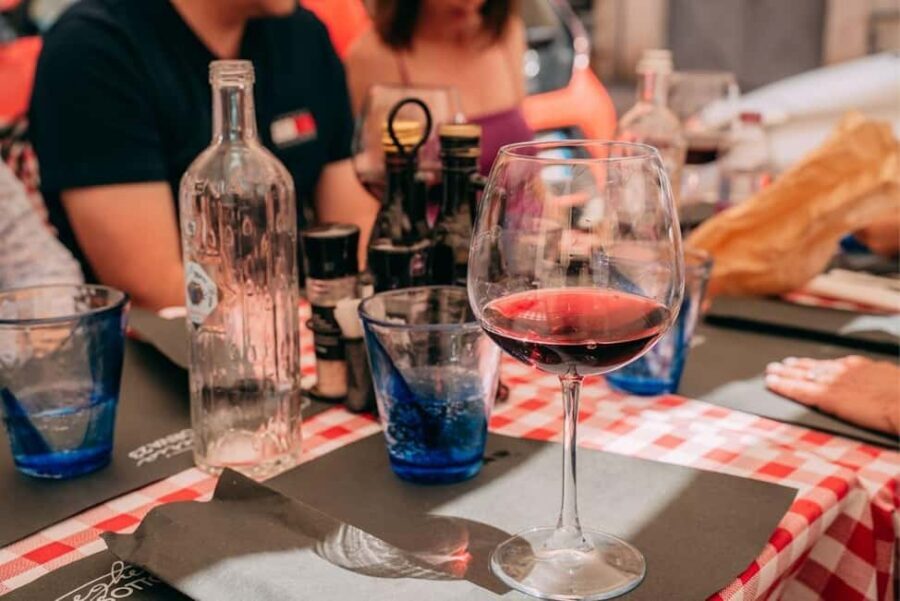
Prefer a later start and a drink-forward vibe? The afternoon tour does that. It begins with a non-alcoholic aperitivo paired with cicchetti—traditional bites you’d expect at an osteria.
Then you move into the wine part with a glass of wine served in a historic café or charming wine shop. The pacing keeps you moving, so you’re not stuck waiting for the “main” tasting while everything else passes by.
One of the more fun food formats is the on-the-go stop: a local takeout spot where you get a cone of handmade meatballs. It’s messy in the best way—Verona street-food style—and it’s an easy snack to eat while still walking the city.
The tour then returns to wine at a specialty winehouse with another guided tasting of three carefully selected wines. The pairing idea stays: you’re meant to notice differences, not just sample randomly.
The finale lands at an artisanal Focacceria, where you get an Aperol Spritz. This ending feels like the classic Verona cadence: walk, taste, toast, repeat.
The wine focus: Valpolicella tastes and why pairing helps
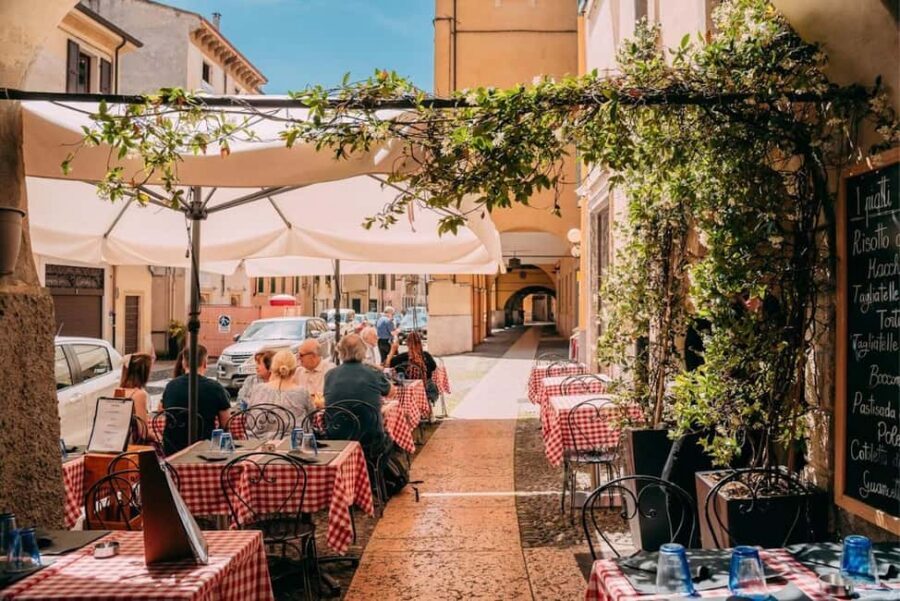
Wine tastings can go one of two ways: either you taste quickly and learn nothing, or you slow down and actually connect flavors. This tour tries hard to do the second part.
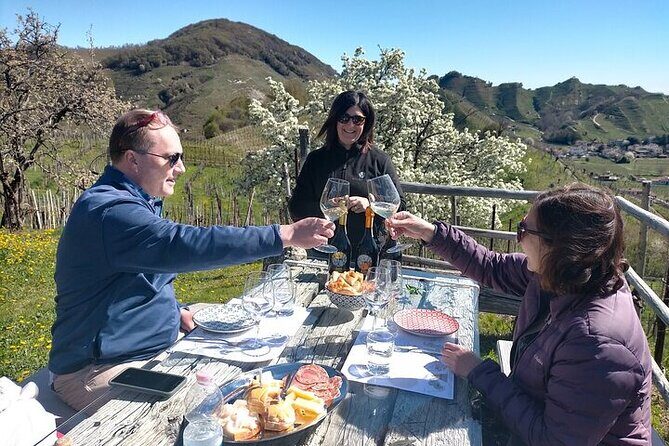
Morning includes a tasting paired with small gourmet bites at a wine bar. Afternoon also includes a tasting of three wines at a specialty winehouse. In both cases, the guide leads you through the glasses so you’re not just guessing which red is which.
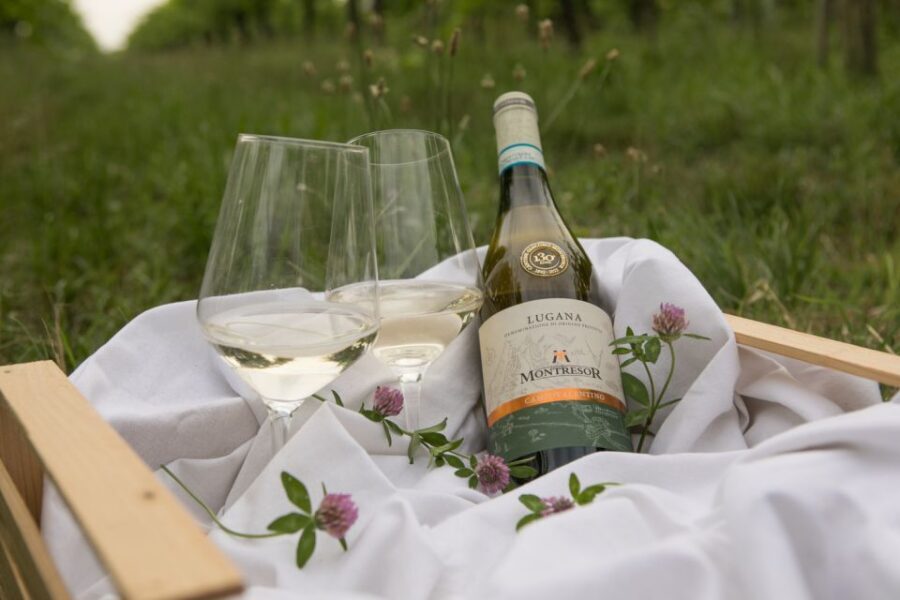
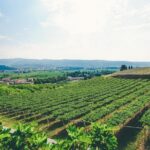
Valpolicella shows up strongly in the experience—especially through the food. The risotto all’Amarone is the clearest example. Then you back it up with wine sampling tied to the same local winemaking tradition.
One more thing I like: it’s not just about drinking. You’ll get bites alongside the wines, which makes it easier to pick up on how acidity, tannins, and fruit flavors feel against savory food.
You can also read our reviews of more food & drink experiences in Verona

City sights without the museum mood: Porta Borsari, squares, and Ponte Pietra
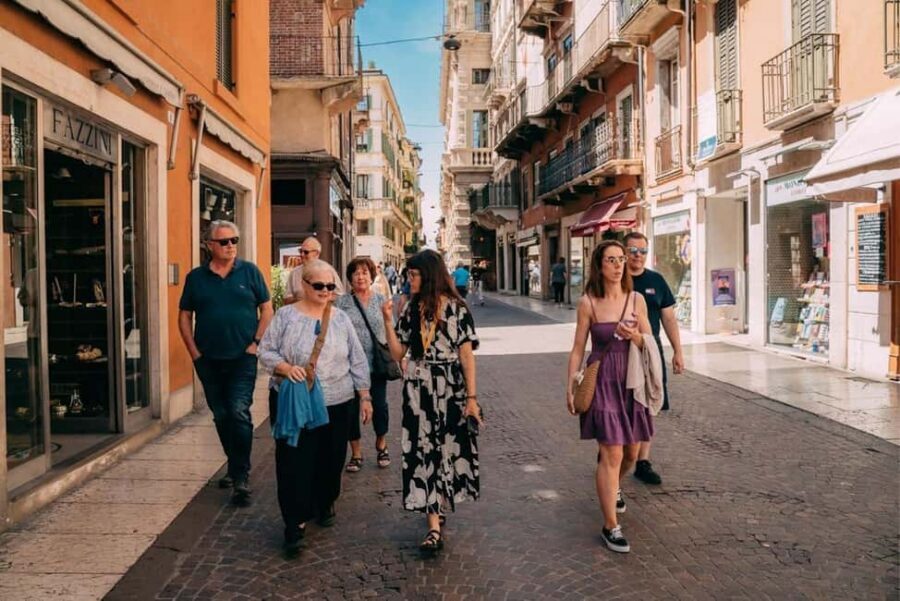
Even though the whole point is food and wine, you still get a “Verona hits” route. You start at Porta Borsari, a historic gateway that anchors the old town vibe right away. From there, the tour moves into major central areas.
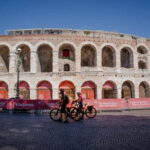
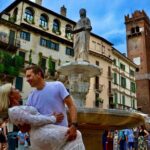
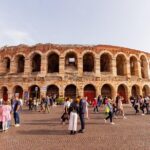
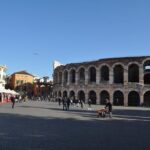
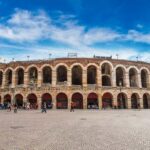
You’ll spend time around Piazza Bra—the area tied to the Arena—then head toward Piazza delle Erbe, a prime spot for local snacks and food tasting. The guide also takes you through the kind of streets you’d be less likely to find alone unless you already know where to look.
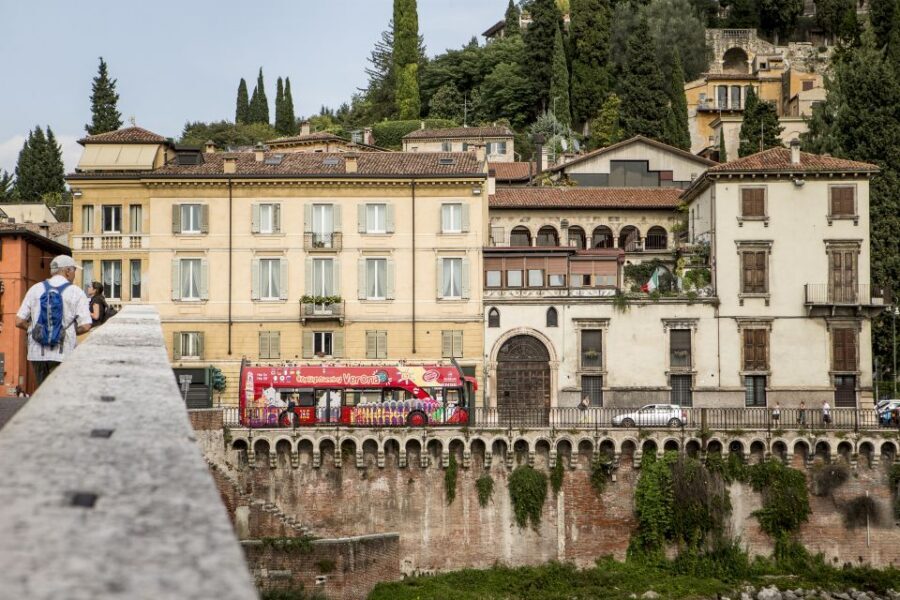
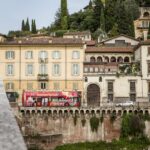
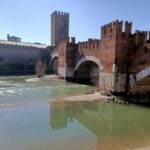
A highlight for me is Ponte Pietra. The tour schedules a wine tasting there, which turns a simple bridge moment into something memorable. You’re not only looking at the view—you’re tasting with it.
Finally, you end with dessert stops depending on the schedule: morning gelato, afternoon an Aperol Spritz finale, plus dessert on the route through a local bakery stop.
What you get for $96.29: tastings, guide time, and access
At $96.29 per person, this isn’t the cheapest way to eat in Verona. But it’s also not “paying for vibes” only. You’re paying for a licensed local guide, a structured route, and five included tastings spread across different types of places.
That access is the main value. When you’re on your own, it’s easy to wander into the wrong kind of spot—tourist menus, repetitive flavors, or places that look busy but don’t deliver the real specialties. Here, the stops are part of a plan: breakfast pastry, osteria meatballs, a classic risotto course, wine tastings, and a sweet ending.
The fact that many people rave about their guide experience also matters. Names like Laura, Ale, Elena, Priscilla, Isabella, and Benedicte come up often in a way that suggests guides aren’t reading scripts—they’re shaping the route with clear local context.
Also, some diners noted the tour leaves you full enough for a meal pattern (breakfast plus lunch, in the morning). That’s a big deal if you’re budgeting and trying not to pay for extra sit-down meals later.
Who this tour fits best (and who should think twice)
This tour is a strong fit if:
- You want Verona food and wine in a tight 3-hour window
- You like walking but not suffering through a long trek
- You enjoy wine tastings that come with food pairing
- You want to see central landmarks while still eating your way through the city
You might think twice if:
- You have reduced mobility or need a fully wheelchair-friendly route. The tour notes some parts aren’t easily accessible.
- You’re traveling with very young kids; children under 6 can’t participate.
- You prefer fully alcohol-free experiences. The afternoon starts with a non-alcoholic aperitivo, but wine is still part of the tour’s tastings and service.
Tips to get more from each stop
A few small moves can make the tour feel smoother.
First, go hungry, but not starving. Breakfast starts the morning tour, and lunch-anchored tastings come soon after. If you show up with a huge late breakfast already eaten, you may miss the pleasure of tasting through the flavors.
Second, if you have allergies or dietary requirements, tell the activity provider. The tour requests that you inform them ahead of time, and that’s the best way to avoid scrambling during tastings.
Third, plan your day around photos and rest. You’ll walk between stops with short transitions, but it’s still a walking experience. Comfortable shoes and an outer layer help you stay focused on the food instead of the weather.
Finally, lean into the guide. In the best versions of this tour, the guide ties the dish to the place and explains why wine and local recipes live side by side in Verona.
Should you book this Verona Food and Wine Walking Tour?
Yes—if you want a smart way to experience Verona without turning your trip into a spreadsheet of restaurant research. The included tastings, the licensed guide, and the balanced schedule (morning sweetness vs afternoon aperitivo-to-toast) make it a practical choice.
Book it especially if you care about Valpolicella and Amarone connections and you like wine tastings that come with bites, not just pours. If you’re cautious about mobility or alcohol-based parts, double-check your needs first.
If you want one “best use of limited time” plan in Verona that feels local and filling, this is a strong pick.