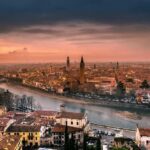
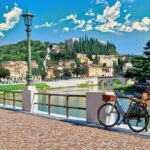
Verona’s evening gets personal here. This sunset walking tour strings together big-name Verona landmarks with a focused story about the old Jewish Ghetto—past and present—while you stroll at the hour when the stones start to glow.
Two things I really like: the way the route mixes major squares with quieter street-level details (so you don’t just learn names, you notice places), and the guide approach. With Silvia as the guide, people describe clear English, lots of room for questions, and a calm style that makes the whole walk feel easy to enjoy.
One consideration: the walk is designed around evening views, and Arena di Verona entry isn’t included, so if you want to go inside you’ll need to plan that separately. Also, you’ll be on your feet for about two hours, so comfy shoes matter.
In This Review
- Key highlights to watch for
- Piazza Bra at 5:00 PM: where the walk feels like Verona
- Piazza delle Erbe: the market square that sets the tone
- Piazza dei Signori and the power behind the facades
- The street marks of the Jewish district: history in plain sight
- Arena di Verona area: a symbol, plus the love-tragedy site
- Castelvecchio: medieval Verona with real attitude
- Ponte Pietra: the oldest bridge feeling the same under your feet
- Price and value: what $360.88 really buys you
- Who this tour suits best
- Tips to make your sunset walk smoother
- Should you book Hidden Verona at Sunset?
- FAQ
- How long is the Hidden Verona at Sunset evening walking tour?
- What does the tour cost?
- Is this tour offered in English?
- Where does the tour start and end?
- What are the tour hours?
- Is it a private tour?
- Do I need to buy tickets for the stops?
- Do I get a ticket on my phone?
- When will I receive confirmation?
- What is the cancellation rule?
Key highlights to watch for
- Jewish Ghetto focus: you connect the city’s famous sights to the history of Verona’s Jewish community.
- Street marks, not just monuments: you’ll pause where the Jewish district’s traces show up in the urban fabric.
- Sunset timing: golden-hour light makes squares and the Arena area more photogenic.
- Major Verona stops, kept in motion: Piazza delle Erbe, Piazza dei Signori, Castelvecchio, and Ponte Pietra.
- Private-by-group format: only your group participates (up to 15), so you can ask questions without a crowd squeeze.
- A guide who adapts: Silvia is described as open to changes, which matters when evening temperatures shift your comfort level.
Piazza Bra at 5:00 PM: where the walk feels like Verona
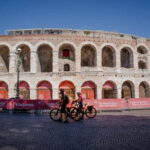
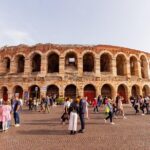
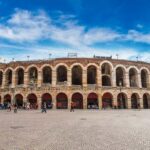
I love tours that help you read a city, not just collect stamps. This one starts at Piazza Bra, right in the orbit of the Arena di Verona. At 5:00 PM to 8:00 PM, the late-day light works in your favor: you get long views across the square, and the temperature is often kinder than mid-day.
You’ll be walking with a small “private tour” setup, with up to 15 people in your group. That size hits a nice sweet spot. It’s not so big that you lose the thread, but it’s large enough that you’re still moving like a group along the route.
The vibe is practical, too. You get a mobile ticket, and the meeting point is close to public transportation, which helps if you’re juggling buses or trains across the city.
You can also read our reviews of more walking tours in Verona

Piazza delle Erbe: the market square that sets the tone
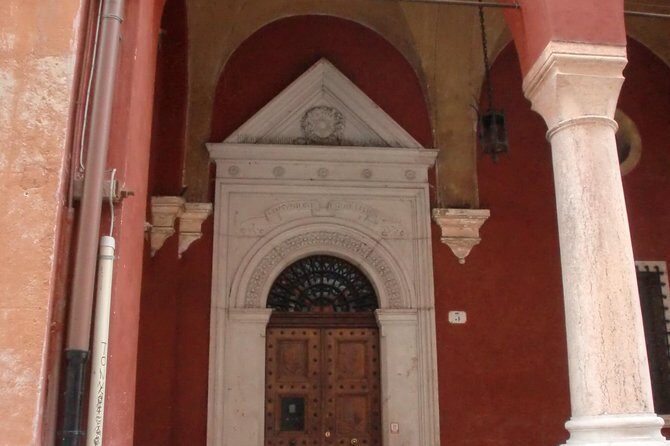
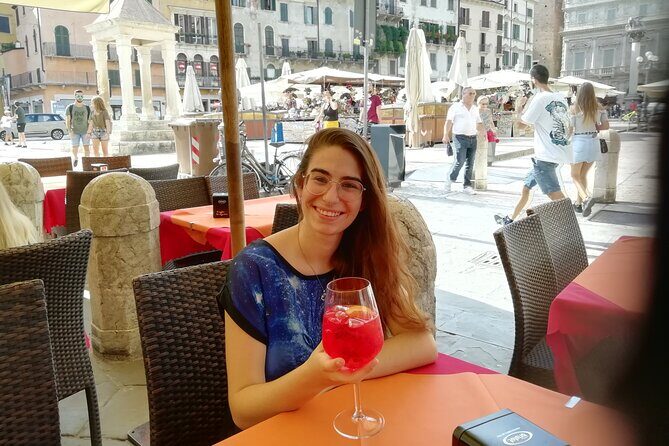
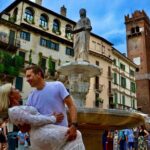
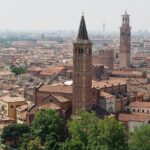
The first stop is Piazza delle Erbe, Verona’s classic market square. It’s where the city shows off its everyday life—historical settings packed with the rhythm of modern town energy.
Why it works for this tour: you’re not starting with the “heavy stuff.” You’re building context. You learn how Verona looks and moves, then you can better understand how a neighborhood like the Jewish district fit into the city’s bigger picture.
You’ll spend around 10 minutes here. That’s not enough to wander off on your own, which is a good thing if you want the guide’s storytelling to stay connected. If you’re the type who likes to linger, plan a quick return later so you can shop or snack without feeling rushed.
Piazza dei Signori and the power behind the facades
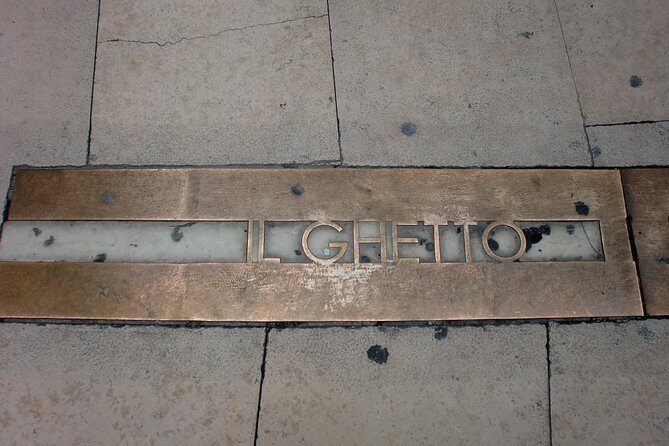
Next comes Piazza dei Signori, known for the architecture of Verona’s ruling family. In other words: it’s where you can see how authority shaped the city’s face.
This stop matters because it puts you in the right mental frame. To understand any community’s past—especially one that had to navigate rules, restrictions, and changing circumstances—you need the surrounding political atmosphere. The guide’s focus on the Jewish community connects the lived reality to the places where decisions were made.
Expect another about 10 minutes. The pacing is intentional: you’re learning where to look, then moving before the evening light shifts too far.
The street marks of the Jewish district: history in plain sight
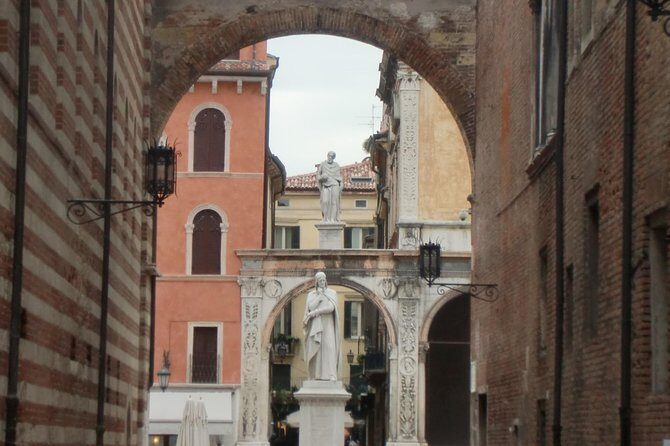
Between the main squares, the tour points out the mark of the Jewish District in the street. This is the part I find most effective. Big monuments are impressive, but street-level traces are what make history feel embedded in real life.
Here, you’re basically practicing a skill: learning to notice what a city hides in its layout. A small symbol, a particular street alignment, a pause in the route—those are the cues that help you understand where people lived and moved, not just what rulers built.
This is also a strong moment for questions. If you want to understand the difference between Verona’s past Jewish presence and what’s visible today, ask. The guide style described here favors conversation, not a lecture.
Arena di Verona area: a symbol, plus the love-tragedy site
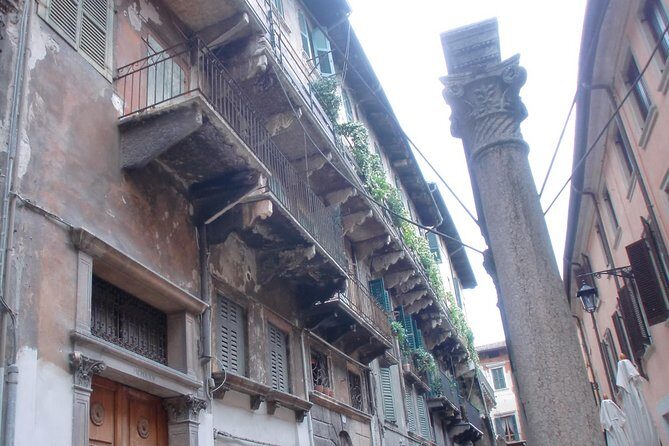
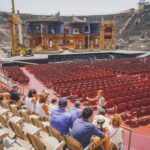
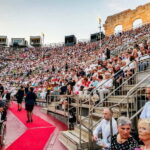
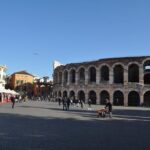
You’ll move toward the main square area where the Arena sits and stop at Arena di Verona itself. The tour frames the Arena as Verona’s symbol, and notes that the structure dates to a bit before the Colosseum was built.
A quick heads-up for planning: Arena di Verona admission isn’t included. That means you’ll learn and look from the outside areas included in the route, unless you separately arrange an entrance on your own.
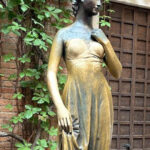
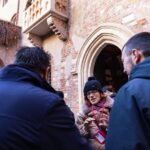
The tour also points to a site tied to the most famous love tragedy connected with Verona. Even if you’re not deep into the story, the guide helps you connect it to place. That’s usually what makes these moments fun: you stop treating the city as a postcard and start seeing why certain spots became famous.
If you’re visiting in warm months, this is also the stretch where you’ll want water. People have mentioned ending early due to heat, and the guide’s described flexibility can help you manage that if the temperature spikes.
You can also read our reviews of more evening experiences in Verona
Castelvecchio: medieval Verona with real attitude
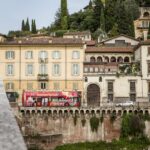
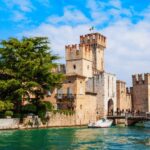
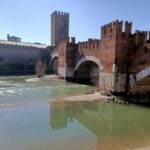
Then you shift to Castelvecchio, an enchanting medieval castle. This stop gives your feet and brain a change of scenery—more defensive architecture, more texture, and a stronger sense of how Verona protected itself.
Why it belongs on this Jewish Ghetto-focused route: Castelvecchio helps show you the full city timeline. The tour isn’t only about one era. It’s about how different layers of Verona overlap—power, community, and survival—through time.
You’ll likely spend around 10 minutes here. If you’re the type who loves photos, this is one of the best opportunities on the walk, because the castle’s angles create strong lines for pictures even when you’re standing still.
Ponte Pietra: the oldest bridge feeling the same under your feet
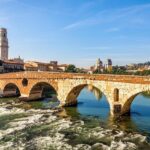
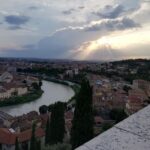
The final major stop is Ponte Pietra, described as the oldest bridge in Verona. Bridges make great tour endings because they tie places together. You’re not just looking at a building; you’re seeing how Verona connects neighborhoods.
This is also the kind of spot where a guide’s “look here” advice can pay off. Even if you’ve seen Ponte Pietra in photos, being there at sunset helps you understand the scale. The stonework isn’t just old—it’s part of how the city keeps moving.
The tour wraps with your walk continuing back so it ends back at Piazza Bra, the same meeting point.
Price and value: what $360.88 really buys you
The price is $360.88 per group, with up to 15 people. That makes it easy to compare apples to apples:
- If your group fills to 15, you’re looking at roughly $24 per person.
- If you’re 4 people, it’s around $90 per person.
So the value depends on your group size, like any private tour. The upside is that you’re paying for direction: a guide who can connect the Jewish Ghetto story to the landmarks without you having to research on your phone the whole time.
Also, most stops are free (Piazza delle Erbe and Piazza dei Signori, Castelvecchio, Ponte Pietra). The only non-included item called out is Arena admission, so you aren’t paying extra for every single pause. If you later decide you want Arena entry, you can handle that separately on your own schedule.
Who this tour suits best
This is a great pick if you want:
- a balanced Verona overview with big landmarks and the city’s Jewish story connected together,
- a serious topic handled in a way that stays human and place-based,
- a small-group feel where you can ask questions without shouting.
It’s also a strong option for visitors who like structure. The route is tight and timed, so you’re not left guessing what to prioritize. And because it’s a private-by-group setup, you can steer the conversation a bit—especially on the Jewish community past and present.
If you only care about Arena tickets and photo stops, you may find the Jewish Ghetto focus more than you planned. But if you want Verona with context, this walk is built for you.
Tips to make your sunset walk smoother
- Wear comfortable shoes. You’re out for about 2 hours of walking, and the ground around old squares can be uneven.
- Bring a light layer. Even when it’s warm when you start, evening breezes can change fast.
- If you want to visit inside the Arena, plan that separately because it’s noted as not included.
- Have questions ready. The guide approach described for Silvia is question-friendly, so come with a couple of curiosity sparks.
- If heat is a factor, be ready to pace slower. People have noted route adjustments for comfort, and that flexibility matters.
Should you book Hidden Verona at Sunset?
I’d book it if you want Verona in a way that goes past the obvious. The best part is how the tour connects the city’s “you’ve seen this before” landmarks with the Jewish Ghetto story through places you can actually stand on. It’s not just sightseeing—it’s a guided way to understand how communities leave marks on a city.
Skip it (or consider a different style) if you’re mainly in town for quick photo hits and you strongly prefer visits where every ticketed site is included. The Arena isn’t included, so you’ll need to decide in advance how important inside-entry is for you.
If you’re aiming for a meaningful evening walk with strong guiding, good pacing, and a route that makes sense, this one is an easy yes.
FAQ
How long is the Hidden Verona at Sunset evening walking tour?
It lasts about 2 hours.
What does the tour cost?
It costs $360.88 per group (up to 15 people).
Is this tour offered in English?
Yes, it’s offered in English.
Where does the tour start and end?
It starts at Piazza Bra, Verona VR, Italy and ends back at the same meeting point.
What are the tour hours?
The tour runs Monday through Sunday from 5:00 PM to 8:00 PM.
Is it a private tour?
Yes. It’s private for your group only (up to 15 people).
Do I need to buy tickets for the stops?
The itinerary notes free admission for stops like Piazza delle Erbe and Piazza dei Signori, while Arena di Verona admission is not included.
Do I get a ticket on my phone?
Yes, you get a mobile ticket.
When will I receive confirmation?
Confirmation is typically sent within 48 hours of booking, subject to availability.
What is the cancellation rule?
There is free cancellation if you cancel at least 24 hours in advance for a full refund.
If you want, tell me your group size and travel month, and I’ll help you decide whether this timing and private format will feel worth it for your specific Verona plan.