REVIEW · PADUA
Padua City Sightseeing Walking Tour of Must-See-Sites with Local Guide
Book on Viator →Operated by Private Tours of Venice · Bookable on Viator
Padua rewards the curious. This 2-hour walking tour is a fast, well-timed way to see the city’s best-known sights while a local guide puts the pieces together. You start in Prato della Valle, then move through the historical center to major landmarks like the Scrovegni Chapel and the city’s oldest university. I like that you get context, not just photos.
What I also like is the planned finish at Caffè Pedrocchi, a place that matters in Padua’s story beyond being a pretty café stop. The tour stays compact (maximum 10 travelers), so you can ask questions and keep the pace moving. One thing to consider: it’s a walking tour with multiple stops, so if you’re hoping for a slow, long sit-down day, this may feel a bit tight.
In This Review
- Key things to know before you go
- Meeting at Prato della Valle: where Padua shows its scale
- Sant’Antonio and why June 13 is a big deal
- Scrovegni Chapel and Giotto frescoes: the must-see moment
- Piazza delle Erbe, Piazza della Frutta, and the market-city vibe
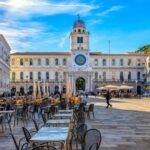
- Palazzo della Ragione: city power made visible
- Padua University origins and the Botanic Gardens you shouldn’t skip
- Caffè Pedrocchi: Padua’s literary meeting place
- Price and value: is $241.94 per person worth it?
- Who this Padua walk is best for
- Should you book this Padua walking tour?
- FAQ
- How long is the Padua City Sightseeing Walking Tour?
- Where does the tour start and end?
- Is pickup and drop-off included?
- What’s included in the price?
- Is there a food or drink stop included?
- Are morning and afternoon tours available?
- How large is the group?
- Is the tour suitable for children?
- Are service animals allowed?
- What is the cancellation policy?
Key things to know before you go
- Small group size (max 10) means more guide time and fewer bottlenecks at big sights
- Prato della Valle’s 72-figure fountain and Roman-influenced square layout set the tone right away
- Sant’Antonio’s basilica focus, including what makes June 13 special
- Scrovegni Chapel and Giotto frescoes are a true centerpiece of this walk
- University + Botanic Gardens give you a different side of Padua beyond churches and plazas
- Caffè Pedrocchi ends the tour at a historic literary meeting place
Meeting at Prato della Valle: where Padua shows its scale
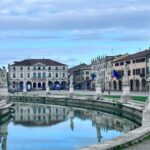
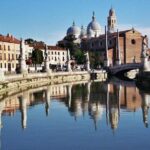
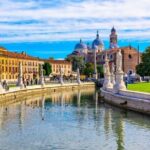
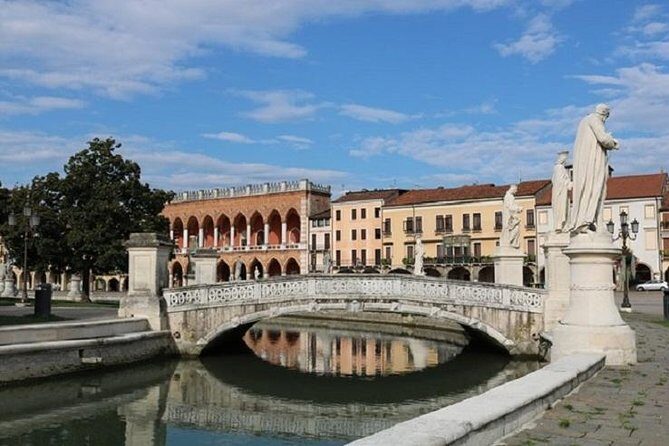
Your tour begins at Prato della Valle, a huge elliptic square that helps you understand Padua quickly. This is one of those places where the layout tells a story: the square’s form reflects Roman influence, so you’re not just staring at scenery. In the middle is a fountain with 72 statues, surrounded by lawns and open space. It’s the kind of square where you can actually breathe, even though Padua is a busy college city.
I love how the guide uses this first stop to set expectations. Once you see Prato della Valle, the rest of the route makes more sense: you’re moving from open civic space into the tighter historical center. Also, this square has its own life. Some days of the week it hosts a famous market, and it’s even described as spectacular when lit at night with millions of lights. Even if you won’t see it after dark on your tour time, it’s a great mental image to carry as you walk.
Practical tip: wear comfortable shoes. You’ll be moving steadily across old streets and plaza edges, and Prato della Valle alone can take a few minutes to visually register because it’s so large.
You can also read our reviews of more walking tours in Padua

Sant’Antonio and why June 13 is a big deal
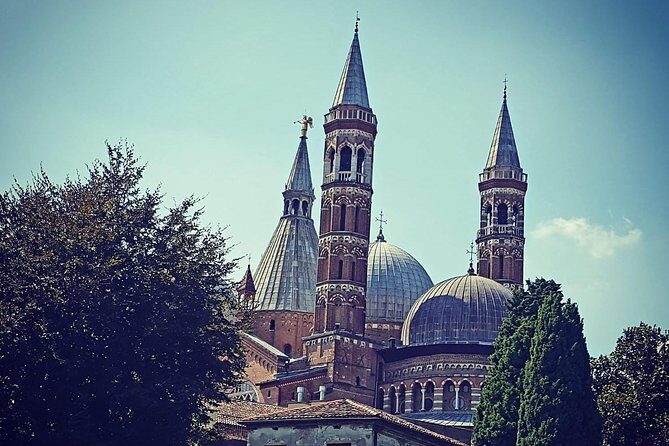
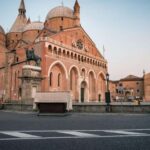
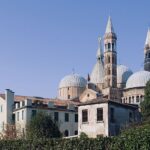
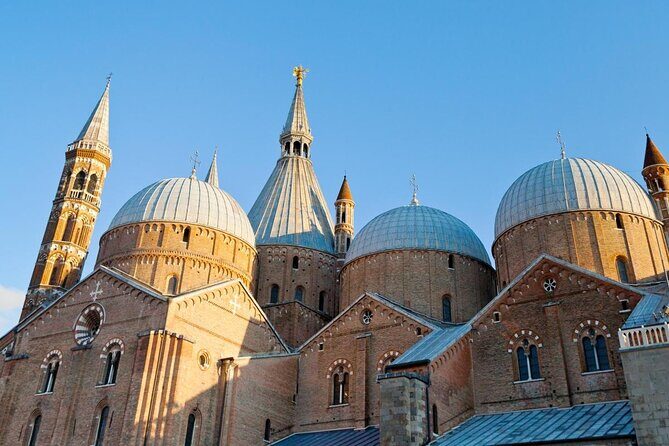
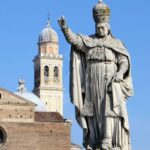
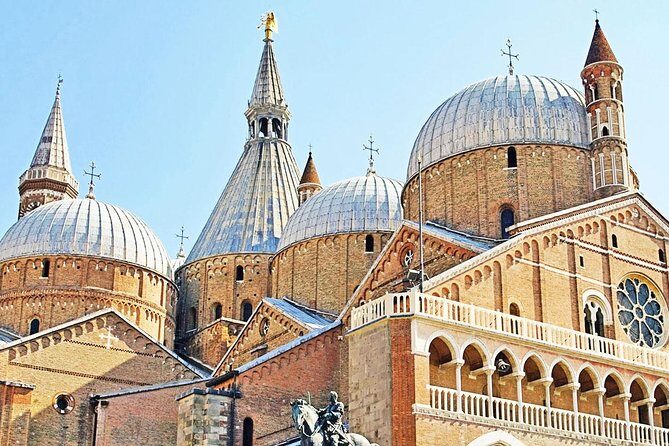
Next comes Padua’s most important religious landmark: Sant’Antonio and its basilica. In this city, it’s impossible to ignore St. Anthony. The basilica welcomes tourists year-round, but it’s especially significant around June 13, the day celebrated for the saint. That date matters because it explains why this monument isn’t just a stop on a route. It’s part of Padua’s rhythm and identity.
The guide’s job here is to connect what you’re seeing—façade, setting, and atmosphere—to what the place has meant to generations. If you enjoy learning how religious sites shape a city, this is a strong segment. It also helps families. One account highlights that kids aged 10 and 8 could follow along, which tells me the guide style is likely clear and organized rather than lecture-like.
Possible consideration: religious landmarks can involve crowding and changes in how people enter or move inside. The basic promise here is a guided walk and contextual visit, not a long sit-and-read museum-style break.
Scrovegni Chapel and Giotto frescoes: the must-see moment
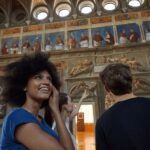
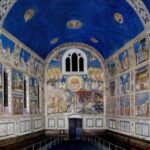
Then you hit the historical center and one of the big-ticket cultural highlights: the Scrovegni Chapel. This chapel is famous for its frescoes by Giotto, and it’s often described as a masterpiece. Even if you already know Giotto’s name, a guided stop is what turns a famous artwork into something you can actually “read” on the walls.
What’s valuable isn’t only the sight itself. It’s the way a local guide helps you understand what you’re looking at and why the chapel matters in Italian art. Fresco programs can be overwhelming if you’re wandering without a map in your head. With a guide, you can focus on key scenes and the overall artistic impact instead of trying to decode everything at once.
Drawback to plan for: fresco-focused stops can feel intense. You’ll likely want your attention for details, and that’s harder if you’re distracted by tired legs or poor weather. Bring a light layer if it’s cool, and keep your eyes on the guide’s pacing so you don’t miss the explanations that make the chapel click.
Piazza delle Erbe, Piazza della Frutta, and the market-city vibe
After the chapel, you move into Padua’s plaza-and-market heart. Two main squares define this part of the tour: Piazza delle Erbe and Piazza della Frutta. These spaces have long served as the commercial core of Padua, and they’re known for hosting the biggest market of Italy. That’s a big claim, and here’s the practical reason to care: it explains why the city center feels alive. The same streets that carry students and tourists also historically carried vendors, shoppers, and daily business.
From a tour value perspective, this stop helps you understand Padua as a working city, not only an art stop. A local guide can point out how public squares function like stages: civic life in the open, commerce at the edges, and people constantly re-creating the city in real time.
If you love markets, you’ll enjoy it even more. If you’re not a market person, the key payoff is still the setting. You’ll see how these squares anchor the city’s layout and why locals would care about them long before modern tourism.
Palazzo della Ragione: city power made visible
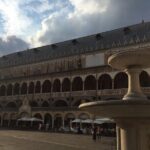
Overlooking Piazza delle Erbe is Palazzo della Ragione, and it’s one of Padua’s most recognizable symbols for how power used to work. The building is impressive in size and historically served as a city council assembly hall and a palace of justice. Today, its role is still public: it’s used for exhibitions and cultural meetings.
This is the kind of stop I appreciate because it connects the dots between the art you saw earlier and the civic life you’re seeing now. When you’re guided, you don’t just walk past a grand façade. You understand that the city government, legal authority, and public gatherings used to happen here, and now it still supports public culture.
Possible consideration: if you’re expecting a long interior visit, the description here emphasizes the landmark role and its current uses. You might get more of the big-picture context than a deep museum-style experience.
You can also read our reviews of more guided tours in Padua

Padua University origins and the Botanic Gardens you shouldn’t skip
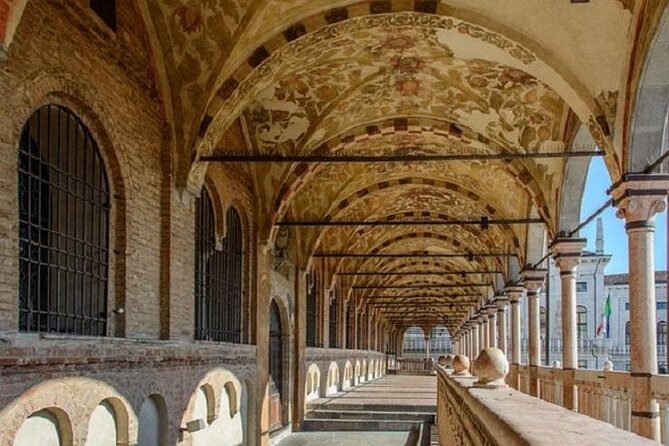
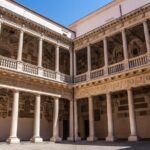
Next, you reach one of Padua’s signature identity markers: the oldest Italian university. Founded in 1222 as a school of law, it’s a major reason Padua still feels youthful. Students shape the pace of the streets and add energy to the atmosphere, which helps explain why the city is described as full of students in the first place.
Right inside the university area is another highlight: the Botanic Gardens. These gardens are among the oldest of their kind in the world (after the Hanging Gardens of Babylon). I like this stop because it gives you a different angle on “old Europe.” Instead of only focusing on churches and palaces, you’re seeing how knowledge, classification, and teaching shaped the city’s physical space.
Even if you’re not a plant nerd, the value is the perspective shift. You’ll walk away thinking of Padua as a living center of learning, not only a museum town. If you travel with people who prefer variety, this is a good balancing act.
Practical tip: if the day is hot, plan to pause. Gardens can mean a bit of lingering in shaded areas, which makes the later café stop feel more earned.
Caffè Pedrocchi: Padua’s literary meeting place
The tour finishes at Caffè Pedrocchi, located at Via VIII Febbraio 15, in the center area of Padua. This is not just a café you pop into for a quick drink. It’s described as heritage of Padua and one of the most famous Italian literary cafés of the nineteenth century.
Why it matters: Pedrocchi is tied to the Risorgimento era and was frequented by artists and writers, Italian and European. That turns your last stop into more than a photo moment. It becomes a cultural “closing chapter” where the guide’s stories about Padua’s past feel connected to something you can still experience today—coffee culture and conversation.
You’ll also get suggestions from the guide about the city. If you’re the type who likes to plan your next steps, this ending is useful. Even a short guided recommendation can save you time when you’re deciding what to do after the tour.
Food and drinks aren’t included, so treat this as your chance to refuel on your own terms. If you’re trying to keep costs down, you can simply enjoy the setting and pay only for what you want.
Price and value: is $241.94 per person worth it?
At $241.94 per person for an approximately 2-hour tour, it’s not a bargain-basement price. But you are paying for something specific: a local guide, a professional guide, and pickup/drop-off from designated meeting points, plus access to context across multiple major sites.
Here’s how I judge value with a tour like this:
- You’re saving effort. Instead of figuring out routes, timing, and what to prioritize across Padua’s key landmarks, you’re guided through a sensible sequence.
- You’re getting story density. Prato della Valle, Sant’Antonio, Scrovegni Chapel, central plazas, university grounds, and Pedrocchi are all “headline” stops. Packing them into a short window is easier with a guide telling you what to notice.
- Group size stays small (max 10). That matters. You’re less likely to feel like you’re standing in a crowd just to hear a few facts.
The price can feel heavy if you only want one or two highlights. But if you want a guided, structured introduction to Padua’s real “why,” this price is more defendable—especially with group discounts offered.
Who this Padua walk is best for
This is a strong fit if you:
- Want a focused sampler of Padua’s biggest landmarks in about 2 hours
- Prefer a guide who explains connections between art, civic life, and learning
- Travel with mixed ages, including kids who can follow a clear route (as one family-friendly note suggests)
It might be less ideal if you:
- Want a long, slow pace with lots of free time inside each stop
- Prefer purely self-guided experiences where you read at your own speed
Should you book this Padua walking tour?
I’d book it if you want a guided first look at Padua that hits the essentials: Prato della Valle, Sant’Antonio, Giotto at the Scrovegni Chapel, the market squares, university roots, and a meaningful finish at Caffè Pedrocchi. The best part is the combination of major sites with a guide who can turn each one into a piece of a larger story.
If your main goal is one single attraction, you might do better with a cheaper, standalone visit. But if you want a compact day plan with a local voice, this tour is a solid way to get your bearings fast and leave with useful context, not just souvenirs.
If plans change, free cancellation is available up to 24 hours in advance for a full refund, so you have breathing room.
FAQ
How long is the Padua City Sightseeing Walking Tour?
It lasts about 2 hours.
Where does the tour start and end?
It starts at Prato della Valle, Padova PD, Italy, and ends at Caffè Pedrocchi, Via VIII Febbraio 15, 35122 Padova PD, Italy.
Is pickup and drop-off included?
Yes. Pickup and drop-off from designated meeting points are included.
What’s included in the price?
The tour includes a local guide and a professional guide, plus pickup and drop-off from designated meeting points.
Is there a food or drink stop included?
Food and drinks are not included, but the tour ends at Caffè Pedrocchi where you can purchase what you like.
Are morning and afternoon tours available?
Yes, morning and afternoon tours are available.
How large is the group?
The tour has a maximum of 10 travelers.
Is the tour suitable for children?
Children must be accompanied by an adult.
Are service animals allowed?
Yes, service animals are allowed.
What is the cancellation policy?
You can cancel up to 24 hours in advance for a full refund. If you cancel less than 24 hours before the start time, the amount you paid is not refunded.