REVIEW · PADUA
Padua: Jewish Heritage Museum and Synagogue Tour
Book on GetYourGuide →Operated by Fondazione per il Museo della Padova Ebr · Bookable on GetYourGuide
Padua’s Jewish story is surprisingly vivid. This short guided tour links the Italian Synagogue (still used for prayer) with the Padua Jewish Museum inside the former Ashkenazi Synagogue, where multimedia screens and character-led narration make the past feel personal. I especially like how the tour ends with the Aron-ha-Kodesh on the Eastern Wall, and I also love hearing how guides like Antonella, Simonetta, and Isaiah bring names such as Rabbi Judah Minz and the Ramchal (R. Moshe Chaim Luzzatto) into the story. One drawback to consider: there’s a clear dress rule, so plan for no shorts or sleeveless shirts before you go in.
You’ll spend about 1 to 1.5 hours in Padua’s historical center, around the ancient ghetto area, moving from museum rooms to narrow streets and then into the synagogue itself. If you want something more meaningful than a quick photo stop, this is the kind of visit that helps you connect facts to places fast, with a real guide doing the heavy lifting.
In This Review
- Key highlights I’d put on your must-do list
- A 1–1.5 hour tour that actually feels complete
- Finding the meeting point: the magenta building tip
- The Padua Jewish Museum: multimedia, 10 characters, and real names
- What the “characters” storytelling adds (and what to expect while watching)
- Walking the ancient ghetto streets: narrow lanes with context
- The Italian Synagogue finale: Aron-ha-Kodesh and still-used prayer space
- Price and value: what $17 buys you (and weekday surprises)
- Who should book this (and who might prefer something else)
- Tips that make the visit smoother
- Should you book the Padua Jewish Heritage Museum and Synagogue Tour?
- FAQ
- How long is the Padua Jewish Heritage Museum and Synagogue Tour?
- What’s included in the ticket price?
- Which languages are available for the guided tour?
- Where do I meet the guide, and what do I need to bring?
- Is the tour wheelchair accessible?
- Are there any clothing restrictions?
- Is there different pricing on weekdays?
Key highlights I’d put on your must-do list
- A synagogue you can still picture in use today: the tour finishes at the Italian Synagogue, a living prayer site for the Padua community.
- Multimedia storytelling in the museum: you’ll watch a video installation by film director Denis Brotto and meet 10 Jewish figures from Padua life.
- Ghetto streets, not just rooms: after the museum, you walk narrow lanes tied to Jewish settlement and community life.
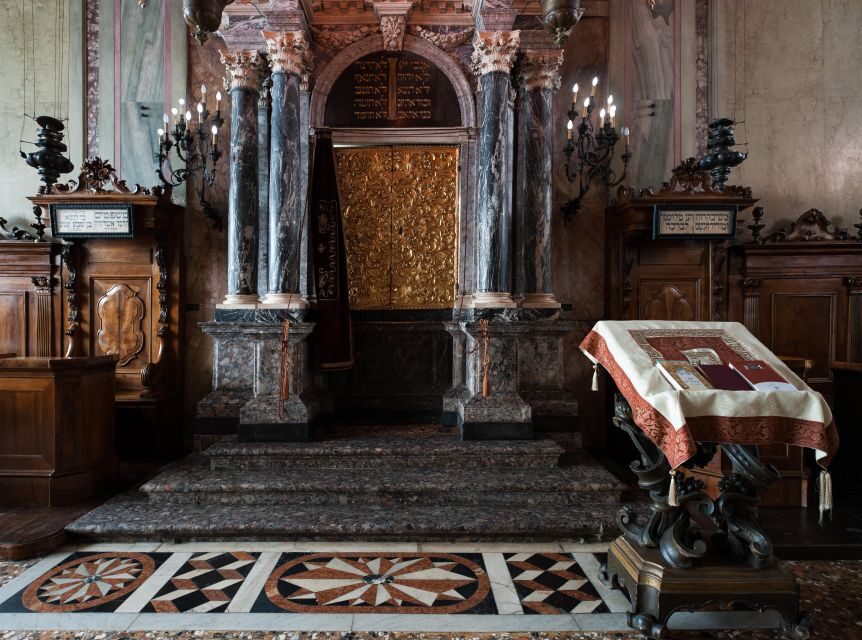
- Specific, memorable art feature: the polychrome marble Aron-ha-Kodesh on the Eastern Wall is a standout moment.
- Guides with strong narrative skills: many guides are tied to the museum and speak with clear structure and respect.
- Practical value for a short time: entry tickets, guided time, and multimedia are all bundled for about 1–1.5 hours.
A 1–1.5 hour tour that actually feels complete
This is one of those rare Padua experiences where the time window works in your favor. You get a tight package: museum first, then a short walk through the ghetto streets, then the synagogue at the end. The order matters because the synagogue hits harder when you’ve already seen how community life, rituals, and major figures connect to the physical space.
The pace is also friendly if your day is already packed. Padua’s historic center can be a lot of “one street leads to another street” sightseeing, and it’s easy to miss deeper context. Here, the guide keeps you anchored: what you’re seeing, why it mattered, and how it links to later centuries up to today.
And yes, the tour includes Skip the ticket line, so you’re not stuck waiting for everyone else to shuffle forward.
You can also read our reviews of more historical tours in Padua
Finding the meeting point: the magenta building tip
Your start is simple but specific. Look for a magenta color building on the street, then check in at the ticket counter using your voucher before the tour begins.
This kind of detail matters more than people think. In older city centers, the “meeting point” can be a single doorway on a side street. If you arrive a few minutes early and slow down to find that magenta building, your whole visit stays smooth.
Dress with the rules in mind right from the start. The tour site doesn’t allow shorts or sleeveless shirts (and nudity, of course). If you’re traveling in warm weather, bring a light layer you can slip on quickly, because you’ll want to be comfortable during the walking parts too.
The Padua Jewish Museum: multimedia, 10 characters, and real names
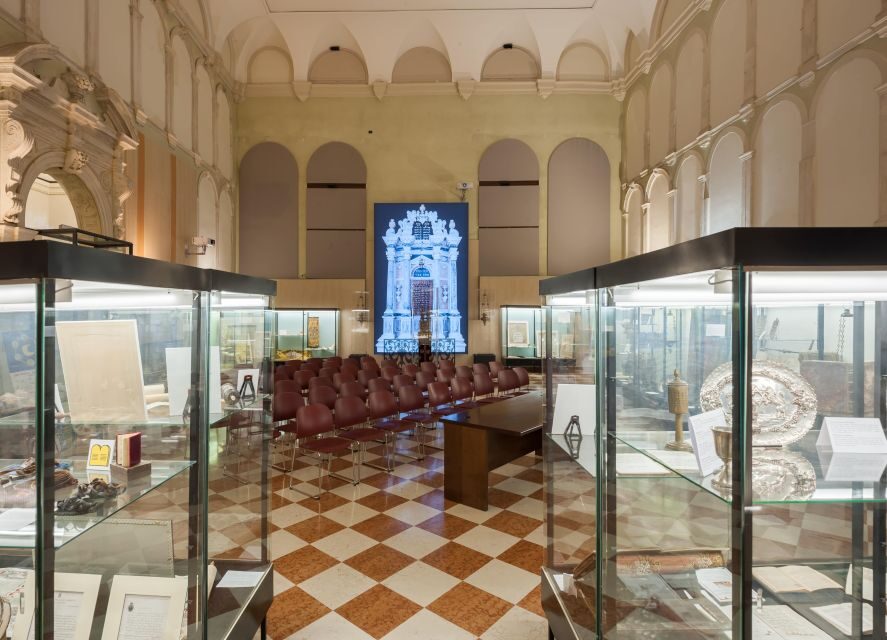
The museum experience is built for more than passive looking. You’ll see a multimedia video installation by film director Denis Brotto, and you’ll get guided interpretation of how the Jewish community in Padua changed over time—from its origins to the present.
What makes this museum work for you is the way it turns history into scenes. Instead of only dates and documents, the tour introduces 10 illustrious characters connected to Padua Jewish life. These figures appear through narrated stories tied to the places you’re standing near. That format helps you remember names like Rabbi Judah Minz and the Ramchal, because the guide can connect them to specific themes you just saw.
You’ll also encounter how the synagogue space itself holds layers of memory. The museum is housed in the former Ashkenazi Synagogue, rebuilt after destruction in 1943. That matters because it changes what you think a “museum room” is. It isn’t just artifacts behind glass. It’s a space with a complicated history that the guide helps you read.
I like that the museum portion doesn’t treat the subject as a closed chapter. The tour framework is designed to move forward in time, so you don’t leave feeling like you only toured a past that ended.
What the “characters” storytelling adds (and what to expect while watching)
You should expect a mix of walking and seated or semi-seated presentation time inside. The multimedia isn’t just background noise. It’s part of the guide’s structure, aimed at giving context while you’re in the museum setting.
If you’re the type who normally tunes out when a group hits screens, don’t worry—you’re not just watching something and waiting. The guide uses the content to explain links between community life, religious practice, and how scholarship connected to the wider city.
Some of the guide-led narration also references major intellectual and religious figures connected with Padua. Names that come up in the tour context include:
- Rabbi Judah Minz
- the Ramchal (R. Moshe Chaim Luzzatto)
- Maharam Padua
In plain terms: this museum tour doesn’t only show you buildings. It shows you why those buildings mattered to study, prayer, and everyday identity.
Walking the ancient ghetto streets: narrow lanes with context
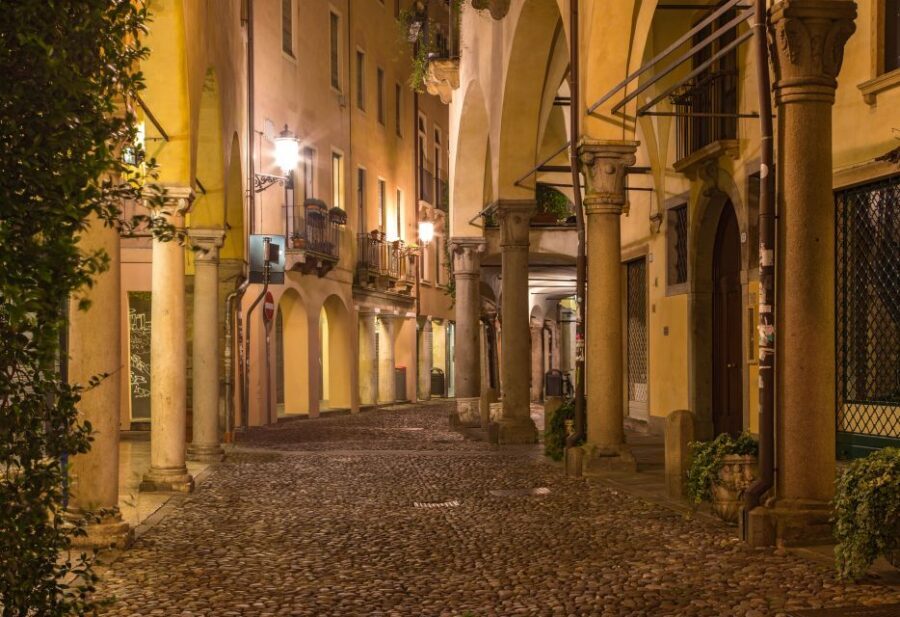
After the museum, you continue through narrow and restricted ghetto streets. This part is short, but it changes the whole feel of the experience. Indoors, you learn about community life. Outdoors, you’re forced to see scale: how streets shape movement, trade, and social contact.
The guide places the walking section into context—how the Jewish settlement’s commercial, social, cultural, and religious past played out in those lanes. Even if you’re not an “architecture person,” street-level storytelling sticks better than you’d expect.
Practical tip: wear shoes you trust. The walking portion is in historic areas where cobblestones and tight turns can slow you down. Also keep an eye on your timing; you’ll want to stay close to the guide so the explanation follows the places in order.
You can also read our reviews of more museum experiences in Padua
The Italian Synagogue finale: Aron-ha-Kodesh and still-used prayer space
The tour ends at the Italian Synagogue, which is still a prayer site for the members of the Padua community. That simple fact makes the final room feel different from most museum-style attractions. You’re not just looking at a preserved building. You’re stepping into a space that still carries function.
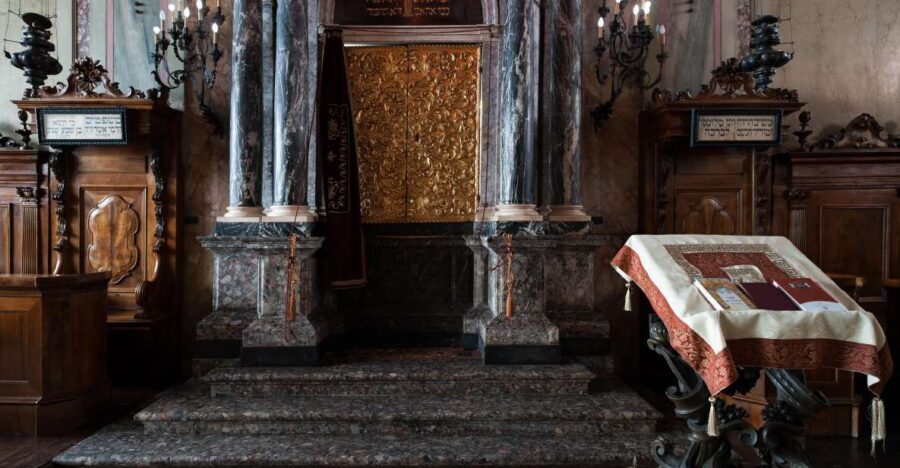
The guide focuses on architectural details and art style, but the moment that most people remember is the sacred chamber feature: the Aron-ha-Kodesh in the Eastern Wall, described as polychrome marble and still used for prayer today.
Even if you know nothing about synagogue layout, you’ll understand why this is a focal point. The guide frames it carefully, and you get time to look without feeling rushed.
This is also where a strong guide makes the biggest difference. I’ve heard guides like Antonella and Simonetta described as master storytellers, and the way they structure the final stop reflects that. Instead of listing facts, they help you notice patterns: what symbols mean, where attention is directed, and how the architecture supports ritual life.
Price and value: what $17 buys you (and weekday surprises)
The listed price is $17 per person, and the tour includes more than a basic “walk and talk.” You get:
- entry ticket to the Padua Jewish Museum
- entry ticket to the Padua Synagogue
- a live guided tour
- a multimedia experience
For a 1–1.5 hour activity, that can be a strong value—especially in Padua, where many sites are either very quick or require separate entry fees.
One thing to watch: there’s a weekday pricing rule. For weekday reservations, a €60 ticket is requested. If the option to share is available on your booking, you’ll want to pick a slot where other people have already booked, so you’re not paying the full amount alone.
If you’re trying to plan smart value, think of it this way: on weekdays, the tour behaves more like a small-group/private-feeling experience with a higher fixed cost. On other days, it may feel closer to the advertised per-person price.
Either way, you’re paying for guidance plus access to a synagogue and a museum setup that’s designed for context, not just entry.
Who should book this (and who might prefer something else)
You’ll be happy with this tour if you:
- want a Judaica-focused experience in Padua without spending half a day
- like history that connects to place (museum rooms, then streets, then a functioning synagogue)
- appreciate a guide who can explain with sensitivity and clear structure
- travel with family, since the tour length and multimedia format can keep attention
It may be less ideal if you:
- want a totally casual, stop-where-you-want style visit
- have trouble with indoor multimedia time or structured narration
- are traveling with clothing that doesn’t meet the rules (plan ahead for sleeves)
If your interest includes how Jewish life connected to Padua’s broader intellectual scene, it helps that the guide-led context can tie into the city’s long academic tradition. One review notes how Padua’s university story is linked with an early openness to Jews and even the tradition of anatomy studies, and that makes a follow-up day of sightseeing feel more meaningful.
Tips that make the visit smoother
A few small choices can make a big difference for a tour like this:
- Bring respectful clothing: no shorts, no sleeveless shirts.
- Arrive a little early: you’ll be looking for the magenta building and checking in with your voucher.
- Stay close during the street section: the explanation follows the places, so slipping behind breaks the flow.
- Give yourself time to look at the Aron-ha-Kodesh: the guide will point it out, but you’ll want a moment to absorb it.
Should you book the Padua Jewish Heritage Museum and Synagogue Tour?
If you want one high-impact experience in Padua that connects Jewish history, real places, and living practice, I’d book it. The format is strong: museum context first, then streets, then a synagogue that is still used for prayer. With a short duration and bundled access, it’s also good value if you like guided context without committing to a long day.
Just plan for the dress code, check the weekday pricing rule before you lock in your date, and arrive ready to follow the guide’s story in order. If you do that, this tour is one of the clearest ways to understand Padua beyond the usual postcard stops.
FAQ
How long is the Padua Jewish Heritage Museum and Synagogue Tour?
The tour lasts about 1 to 1.5 hours.
What’s included in the ticket price?
You get entry to the Padua Jewish Museum and the Padua Synagogue, a guided tour, and a multimedia experience.
Which languages are available for the guided tour?
The tour is offered in English and Italian.
Where do I meet the guide, and what do I need to bring?
Meet at a magenta-colored building. You’ll need to show your voucher at the ticket counter before the tour begins.
Is the tour wheelchair accessible?
Yes, the tour is wheelchair accessible.
Are there any clothing restrictions?
Yes. Shorts and sleeveless shirts are not allowed (and nudity is not allowed).
Is there different pricing on weekdays?
Yes. For weekday reservations, a €60 ticket is requested. If you want to share this amount, make sure you book a slot where other people have already booked.