REVIEW · PADUA
Padua: guided walking tour with an art historian
Book on GetYourGuide →Operated by licensed tour guide in Padua · Bookable on GetYourGuide
Art in Padua starts with a story.
This guided walk turns everyday sights into something you can actually see and understand, with an art historian leading the way from Prato della Valle. I like two things most: the way the guide reads the frescoes with you, and the payoff of entering Palazzo della Ragione and standing in the world-famous Salone. One heads-up: Palazzo della Ragione’s entrance ticket isn’t included (8 euro), and special events or liturgies can occasionally affect access.
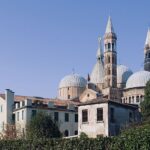
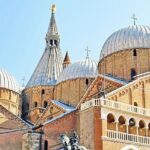
Next, you’ll head toward one of Padua’s biggest draws, St. Anthony’s Basilica, where medieval frescoes tied to the UNESCO World Heritage Site are part of the main attraction. The route also includes a close look at the Tomb of Saint Anthony and its chapel works from the 16th century, which is a very different vibe from the fresco walls—more about devotion and design than just painting.
Finally, the tour continues into the city center, finishing near the University courtyard where you can spot a cloister covered in coat of arms. I appreciate that the tour is offered in English by a licensed guide (and in past groups the art historian guide was Valerie—professional and passionate), and it’s built to be straightforward: a steady 2 hours, live guidance, and walking segments that add up to a manageable city stroll. Just note the dress code: no shorts, short skirts, or sleeveless shirts, and it isn’t suitable for people over 95.
Key highlights to look forward to
- Art historian explanations that help you read fresco scenes instead of just snapping photos
- St. Anthony’s Basilica with UNESCO-linked medieval frescoes on the tour route
- Tomb of Saint Anthony and the chapel masterpieces from the 16th century
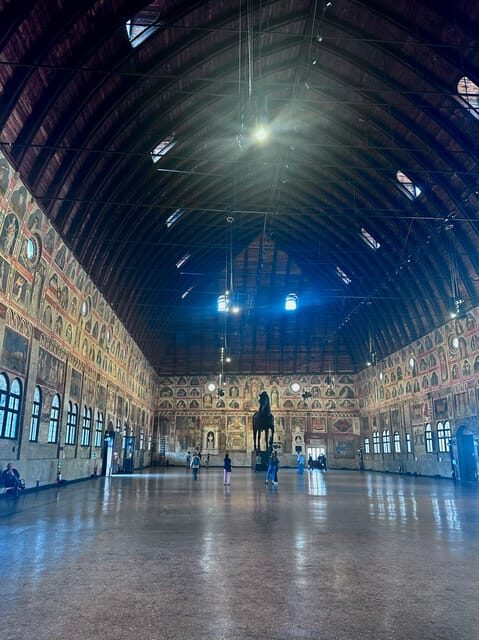
- Palazzo della Ragione with access to the famous Salone (extra ticket required)
- University courtyard cloister covered in coat of arms showing student presence since 1222
In This Review
- Meeting at Prato della Valle: you start with context, not a map
- St. Anthony’s Basilica: medieval frescoes plus the Tomb experience
- The Tomb of Anthenor stop: a brief pause that adds depth
- Palazzo della Ragione and the Salone: the biggest room payoff comes with one extra ticket
- University of Padua courtyard cloister: coats of arms that tell you Padua’s scale
- What the walking feels like in 2 hours
- Price and value: $40 plus one 8-euro ticket
- Who this tour is best for (and who should skip it)
- Should you book this Padua art-historian tour?
- FAQ
- Where do I meet the guide?
- How long is the tour?
- How much does the tour cost, and what extra fee should I expect?
- What’s included in the tour?
- Is the tour in English?
- Is the tour wheelchair accessible?
- Are there any dress code rules?
- Can entry to the Basilica or Palazzo be restricted?
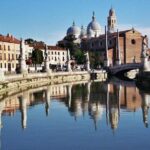
Meeting at Prato della Valle: you start with context, not a map
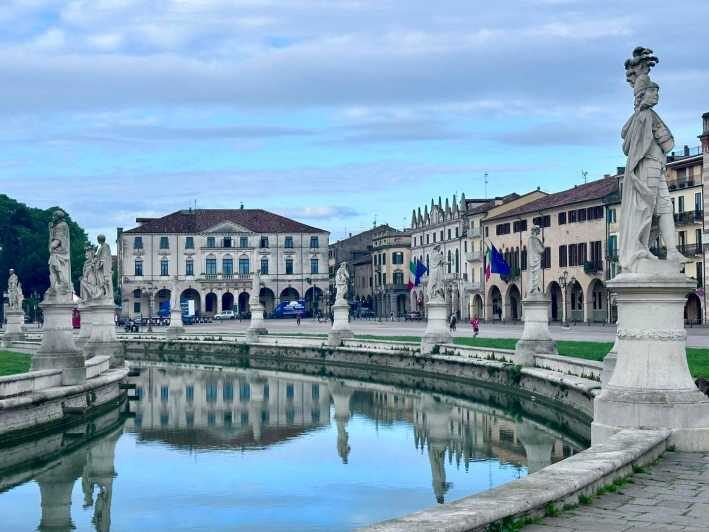
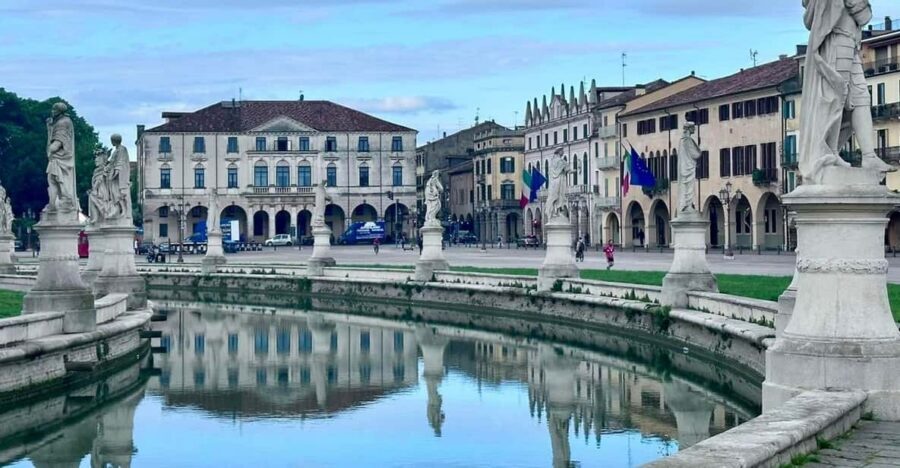
You meet at Prato della Valle (address listed as 71), close to the Eurospar and a large bus parking area. That matters more than you might think. Padua can feel compact, but the art landmarks are spread across different zones—so arriving with a plan lets you spend time looking instead of wandering.
From the start, the art historian frames the city center around art and meaning: what you’re about to see, why it mattered when it was created, and what details to watch for. In other words, you get a quick “how to look” before the buildings swallow your attention.
A practical note: you’ll be outdoors for parts of the walk, then indoors for the Basilica and Palazzo. Wear comfortable shoes and bring a light layer if the weather flips.
St. Anthony’s Basilica: medieval frescoes plus the Tomb experience
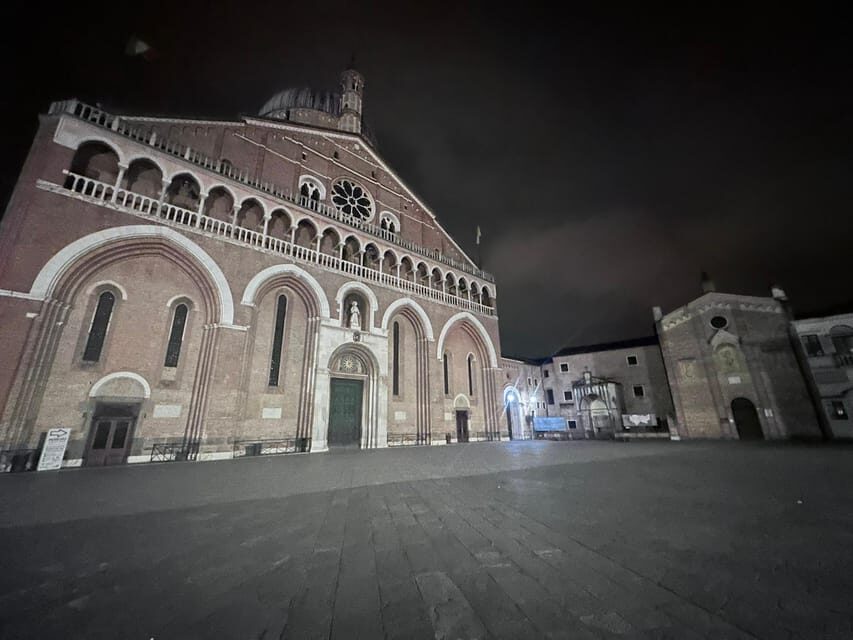
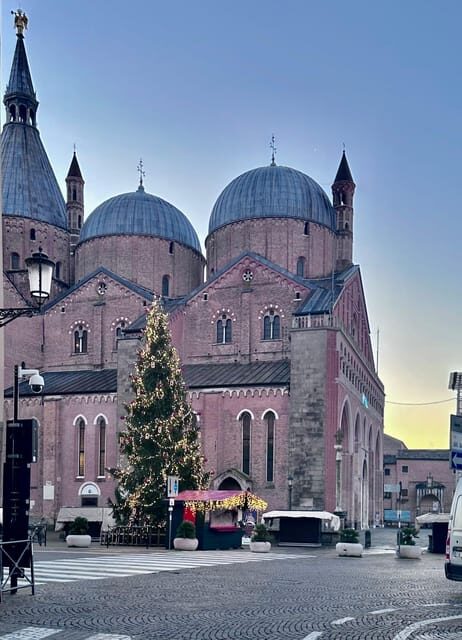
The big move of the tour is your guided visit to St. Anthony’s Basilica. You’ll spend about 30 minutes with a guide here, which is a smart length: enough time to slow down, but not so long that you feel stuck inside.
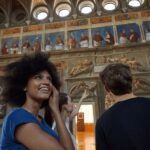
Inside, the focus is on the medieval frescoes included in Padua’s UNESCO World Heritage Site. The guide’s value is in pointing out what’s easy to miss when you’re moving fast—how scenes connect, what the artwork is trying to communicate, and how the basilica’s design supports that storytelling.
Then comes one of the tour’s most memorable sections: the Tomb of Saint Anthony and the chapel with works from the 16th century. You go from the medieval fresco focus to a more “chapel masterpiece” mode. Expect a shift in atmosphere. The art is still “about meaning,” but the emphasis changes from wall-to-wall narrative to the special power of a dedicated tomb space.
What I’d watch for
- When the guide points out specific fresco areas, pause rather than hovering your camera. Even a short pause helps your eyes reset.
- Look for transitions: the tour is built so you notice how different periods and styles sit side by side in the same sacred complex.
One small logistical consideration: you might also hear that entry could be limited during special festivities or liturgies. The tour includes guidance through the Basilica, but access rules can change day to day. If you get told entry is restricted, you’ll still get the art context—just without as much room inside as planned.
You can also read our reviews of more walking tours in Padua

The Tomb of Anthenor stop: a brief pause that adds depth
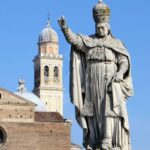
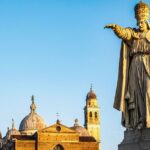
Between the Basilica sections, there’s a short sightseeing stop at the Tomb of Anthenor (about 10 minutes). It’s not the longest block on the schedule, but it fills an important gap: the tour doesn’t rush from one “big headline” sight to the next. You get a chance to regroup and absorb what the guide has been teaching you about Padua’s artistic and religious landscape.
Because the stop is time-limited, don’t treat it like a second-hour museum visit. Instead, let the guide’s explanation do the heavy lifting. Even 5 to 10 minutes can feel satisfying if you’re focused on what the guide says to look for.
Palazzo della Ragione and the Salone: the biggest room payoff comes with one extra ticket
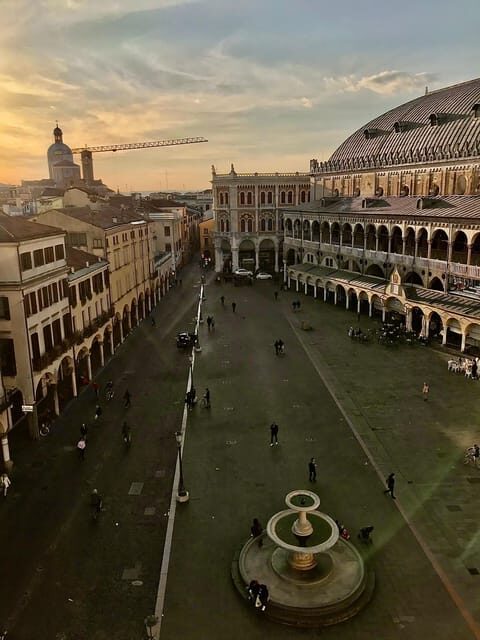
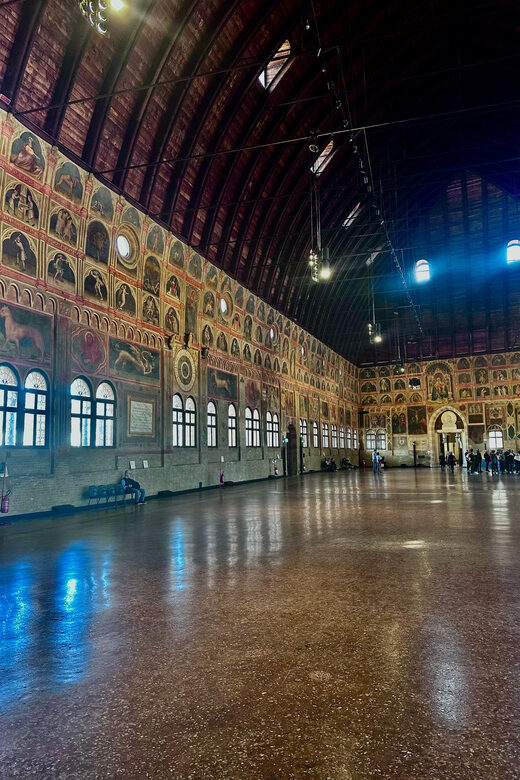
After the Basilica area, you’ll walk into the city center and reach Palazzo della Ragione, with a guided visit set around 30 minutes. This is the other “wow” stop of the tour.
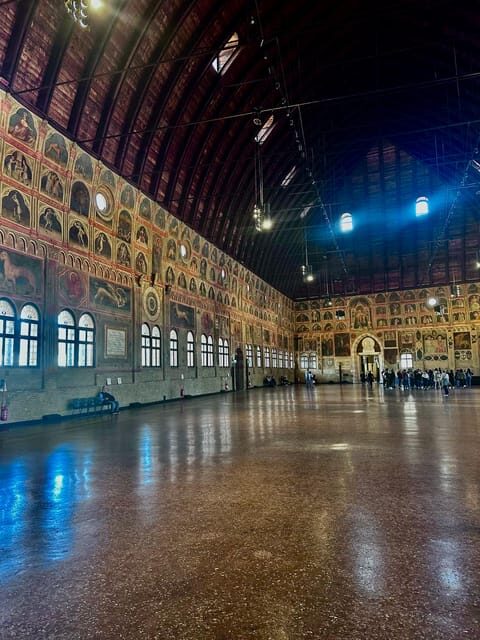
The headline draw: the Salone, the main large room, which the tour highlights as the largest hanging room in the world. That description isn’t just marketing language. It points to what you’ll feel when you enter: the scale hits quickly, and the room is designed to hold attention.
Here’s the practical part: Palazzo della Ragione entrance isn’t included. You’ll need to buy an 8 euro ticket on-site, and yes, there can be a short line at times. That doesn’t mean you shouldn’t go—it just means your time planning matters.
My value take on this
- At $40 for the tour, you’re paying mostly for the art-historian guidance and timed visits.
- The additional 8 euro is a manageable add-on, and it buys you access to a room you likely won’t get the same way on a self-guided stroll.
- If you’re the type who likes to understand what you’re seeing, this is the kind of place where a guide genuinely pays off.
Also keep in mind: like the Basilica, access to Palazzo can sometimes be restricted due to special events or liturgies. If that happens, the guide can still help you make sense of what you can see.
University of Padua courtyard cloister: coats of arms that tell you Padua’s scale
The tour ends with a stop at the University courtyard area where you can see an ancient cloister completely covered with coat of arms. The guide frames these as reminders of students from all over the world, since the opening of the University of Padua in 1222.
This part is quietly satisfying. You don’t need to read every crest to feel the idea: the University wasn’t just local—it reached far. The coat-of-arms coverage gives you a visual “map” of connection and history in a way that feels less like a lecture and more like a walk-through symbol book.
If you like architectural details, this is where you can slow down. Even though it’s part of the end of the tour, it has a strong sense of place.
One more timing note: the provided schedule lists the finish at Piazza delle Erbe, while the general meeting info also says the activity ends back near the meeting point area. In plain terms: plan to be done somewhere in the city center zone, and if you’re trying to connect to another plan right after, keep your timing flexible.
What the walking feels like in 2 hours
This is a 2-hour guided tour with multiple short on-foot segments—so it moves, but it’s not a hike.
Based on the flow:
- You start at Prato della Valle and get an orientation block.
- You walk to the Basilica area.
- You move between the Basilica complex sections and the Tomb stop.
- You head toward Palazzo della Ragione with city-center walking.
- You wrap with the University courtyard and then a finish point in the city-center area.
It’s also listed as wheelchair accessible, which is a real plus in Padua, where uneven sidewalks can throw off self-guided walking plans. That said, you’ll still be doing some walking time on foot, so it helps to match your comfort level to your mobility needs.
Dress code matters here too: no shorts, short skirts, or sleeveless shirts. If you forget, you might run into entry issues at religious sites. Bring a light layer that works fast.
Finally, it’s not suitable for people over 95, so the pacing and/or walking requirements aren’t set up for that age range.
You can also read our reviews of more guided tours in Padua

Price and value: $40 plus one 8-euro ticket
At $40 per person for a 2-hour guided walking tour, you’re paying for three main things:
- A live art historian guide in English
This is the difference between seeing buildings and understanding them. The guide focuses on the main works of art—especially UNESCO-linked frescoes—rather than trying to cover everything.
- Guided entry experiences
You’re included for the guided visit of Saint Anthony’s Basilica and Palazzo della Ragione (with the key caveat below).
- City-center orientation
The walk after the Basilica gives you a practical flow through the center so you end up in the right places without guesswork.
The one extra cost: Palazzo della Ragione ticket is 8 euro per person and needs to be purchased at the palace. Sometimes you’ll wait a short time to get in. Still, it’s worth budgeting for if your goal is a guided, high-impact art route.
If your travel style is “I want to know what I’m looking at,” this pricing makes sense. If you’re happy with a quick photo walk, you might skip the guide and do it on your own. But if you want the frescoes and the art context explained, this is the kind of tour that keeps your money from feeling wasted.
Who this tour is best for (and who should skip it)
This guided art walk is a good match if:
- You want UNESCO-linked fresco context without reading for hours on your own.
- You like structured sightseeing: meet, guided stops, then finish.
- You enjoy indoor art visits where a guide helps you notice details.
It’s less ideal if:
- You dislike churches/basilicas as stops (even though the focus is art, it’s still a religious setting).
- You hate ticketing lines. The Palazzo ticket is straightforward but not included, and entry timing can vary.
- You’re not comfortable with a dress code that rules out shorts and sleeveless tops.
Should you book this Padua art-historian tour?
I’d book it if your priority is art understanding over casual sightseeing. The combination of St. Anthony’s Basilica fresco focus, the Tomb of Saint Anthony, and the dramatic Salone at Palazzo della Ragione is a strong one-two punch for Padua. The added University courtyard cloister, covered in coat of arms, gives you a thoughtful closing image that sticks.
Add the fact that it’s live guided in English and wheelchair accessible, and this becomes a low-stress way to see the city center’s biggest art moments in a tight 2 hours.
One reason to hesitate: you have an extra 8 euro ticket for Palazzo, and entrances can sometimes be restricted due to events or liturgies. If that would ruin your day, plan extra flexibility into the rest of your schedule. If not, this tour is a good value way to see Padua with your eyes turned the right direction.
FAQ
Where do I meet the guide?
You meet at Prato della Valle 71, close to the Eurospar supermarket and the large bus parking area.
How long is the tour?
The tour lasts 2 hours.
How much does the tour cost, and what extra fee should I expect?
The tour is $40 per person. Palazzo della Ragione entrance is not included, and the ticket costs 8 euro per person.
What’s included in the tour?
It includes a walking tour with an art historian focused on main works of art, a guided visit of Saint Anthony’s Basilica, and a guided visit of Palazzo della Ragione, plus walking in the city center with a local guide.
Is the tour in English?
Yes, the live guide language is English.
Is the tour wheelchair accessible?
Yes, it’s listed as wheelchair accessible.
Are there any dress code rules?
Yes. Shorts, short skirts, and sleeveless shirts are not allowed.
Can entry to the Basilica or Palazzo be restricted?
Yes. Sometimes access to Palazzo della Ragione and/or Saint Anthony’s Basilica could be restricted due to special festivities, events, or liturgies.