REVIEW · VERONA
Verona centro: Olive Oil Tasting Experience
Book on GetYourGuide →Operated by La Botteghetta La Bottega di Verona · Bookable on GetYourGuide
Olive oil tasting can be surprisingly eye-opening. In Verona’s center, this 1-hour session turns something you think you already know into a set of flavors and choices you can actually spot. You compare extra virgin olive oil styles picked from a large selection, then learn how history and production methods shape what ends up on your table.
I love the way the tasting is taught as a skill, not just a pour-and-smile event, so you leave with real confidence. I also like the pairing format, with bread and cheese alongside the oils, and a proper plate of salami, cheese, and bread to ground the flavors. One consideration: you’ll eat, so if you have food intolerances, you need to flag them ahead of time.
In This Review
- Key things that make this Verona tasting work
- Why Verona’s olive oil tasting feels like a real local lesson
- Meet La Bottega di Verona and the Filipo-led vibe
- The 1-hour flow: 3 olive oils, bread and cheese, plus cured bites
- How you learn to taste extra virgin olive oil like you mean it
- Production methods and history: what you’ll actually remember later
- What you eat changes what you taste
- Wine, water, and pacing: keep your palate clear
- Price and value: is $53 for 1 hour fair?
- Who should book this olive oil experience (and who might skip it)
- Practical tips before you go
- Should you book this Verona olive oil tasting?
- FAQ
- How long is the olive oil tasting experience in Verona?
- What does the tasting include?
- Is wine included?
- Where is the meeting point?
- What languages are available for the guide?
- Do I need to tell the host about food intolerances?
- What’s the price per person?
- Is there free cancellation?
Key things that make this Verona tasting work
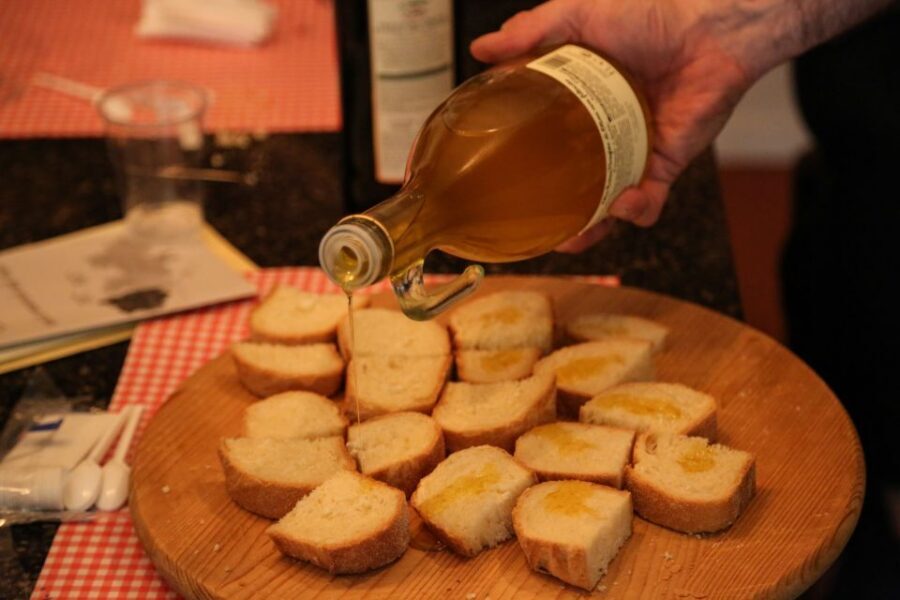
- Three (and sometimes more) oils compared back-to-back so differences don’t blur together
- Bread-and-cheese pairings that show how food changes what you taste in the oil
- Production methods and secrets explained in plain language, tied to flavor
- A historic shop meeting point at La Bottega di Verona, where the experience feels local and grounded
- Wine on request, plus still or sparkling water for a comfortable pace
- A highly rated guide experience, with people praising how much time Filipo/Felipo takes and how patiently questions get answered
Why Verona’s olive oil tasting feels like a real local lesson
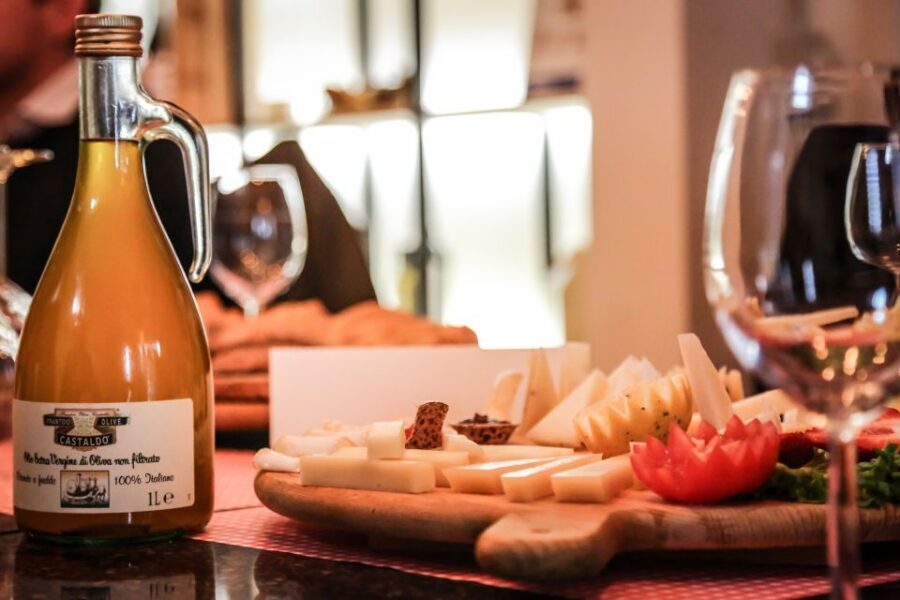
Verona is full of food memories. Pastas, cheeses, cured meats. But extra virgin olive oil is the quiet thread running through everyday Italian eating. This experience leans into that reality: it’s not about fancy talk. It’s about learning what you’re tasting and why it matters.
The format is simple and effective. You don’t just sample one bottle and hope you can describe it later. You taste different oils side by side, with guidance on how to read the oil’s character—so the differences become obvious instead of confusing.
And because you’re offered context (history plus how it’s made), the tasting sticks. You’re not only getting flavors. You’re building the mental checklist you can use the next time you’re shopping for olive oil in Italy—or back home.
You can also read our reviews of more food & drink experiences in Verona

Meet La Bottega di Verona and the Filipo-led vibe
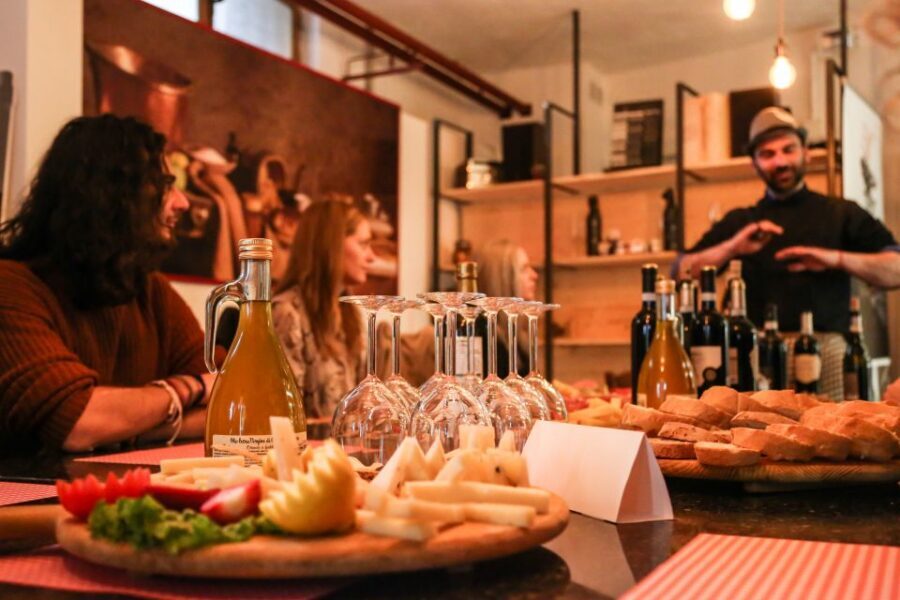
Your guide meets you at La Bottega di Verona, a historic shop address that keeps the whole thing anchored in place. This matters more than it sounds. When a tasting happens in a real shop setting, you feel the product isn’t staged for tourists. It’s what the business sells and cares about.
From the reviews you’ll see a consistent pattern: the host (often named Filipo, sometimes written as Felipo) is praised for being friendly, patient, and professional, and for answering questions thoroughly. That’s a great sign for a tasting like this, because the best olive oil education doesn’t come from lectures. It comes from talking through what you’re noticing and adjusting your palate in real time.
If you like hands-on learning—small steps, repeated samples, and time to ask questions—this setup is a good match.
The 1-hour flow: 3 olive oils, bread and cheese, plus cured bites
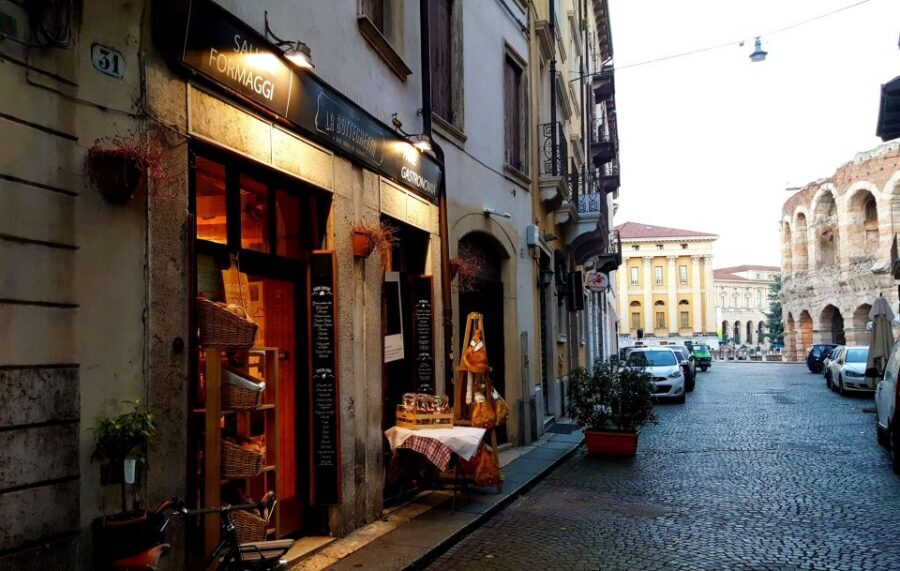
The experience is built around a tight, practical schedule: about one hour. You start with an introduction to extra virgin olive oil and how to think about the differences between oils. Then the tasting portion begins with three different types of oil.
Here’s the key value of tasting in a structured flow: your brain remembers comparisons. If you taste one oil at a time with no context, you end up with vague impressions. With multiple oils in one session, you start picking up patterns—like how certain oils feel more pungent, more bitter, fruitier, or more mellow.
Between tastings, you’ll work with food. You’ll try different combinations with bread and cheese, and you’ll also have a plate of salami, cheese, and bread. That isn’t just added snacking. It’s a tasting tool. Olive oil can taste very different depending on what it’s paired with, because fat, salt, and acidity from food all interact with flavor.
In at least one reported case, the tasting felt like it could extend beyond the standard count, with people mentioning tasting four oils in their session. Don’t plan your evening around that, but it does suggest the host may adjust to your group and pace.
How you learn to taste extra virgin olive oil like you mean it
The biggest promise here is learning to recognize the best extra virgins. You don’t get that by memorizing marketing labels. You get it by practicing what to notice.
During your tasting, you’ll be guided through how to evaluate olive oil in a way that’s repeatable:
- Aroma first: olive oil can smell more like fresh fruit, green herbs, or even artichoke-like notes, depending on the oil
- Taste and balance: you’ll likely be encouraged to notice how the oil hits—then how it finishes
- After-feel: good extra virgin olive oil often has a lingering character, sometimes with a peppery sensation
You’ll also connect what you notice to production. That’s the part that makes it more than a party trick. When you understand how an oil is processed and handled, the flavors stop being random.
One practical bonus: people who book this tend to value it because the guide takes time. If you ask questions about what you’re tasting, you’re likely to get answers that help you adjust, not just a polite nod.
Production methods and history: what you’ll actually remember later
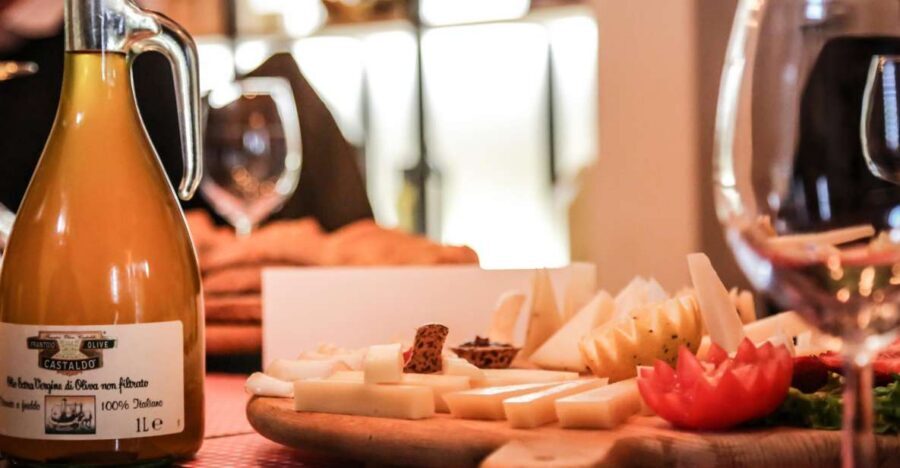
The tour includes olive oil history and production methods, with an emphasis on “secrets” of production. Even without getting too technical, this kind of explanation helps you decode what’s in the bottle.
Here are the useful takeaways you can expect in plain terms:
- Production choices affect flavor: timing, extraction approach, and handling can shift the balance between fruitiness and bitterness, and change how lively the oil feels
- Extra virgin is not just a label: it’s a specific quality category tied to how the oil behaves and what standards it meets
- You start recognizing patterns: once you link flavor traits to production logic, shopping feels easier
The history portion matters too, because extra virgin olive oil isn’t a one-era product. It’s shaped by farming traditions, regional varieties, and local table habits. In Verona, the cultural angle fits naturally: olive oil isn’t treated like a niche ingredient. It’s part of daily food reality.
The end goal is that you can look at oils later and make a better choice. That’s what “recognize the best” should mean in your life: not bragging rights, just better decisions.


What you eat changes what you taste
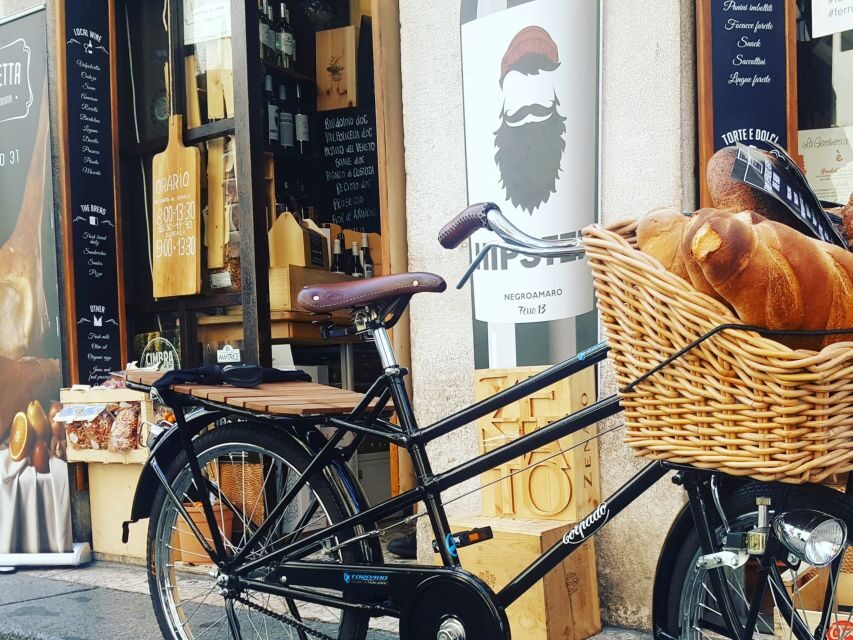
This is one of the smartest parts of the experience. Olive oil can taste “different” depending on the food it touches, because food brings salt, fat, crunch, and acidity into the equation.
You’ll get:
- Bread and cheese pairings designed to show how oils behave with different textures
- A plate of salami, cheese, and bread for a more complete table feel
- Still or sparkling water to keep you comfortable during tasting
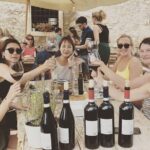
- A glass of wine upon request
In one reported booking, people also mentioned regional additions like tomatoes, aubergines, and zucchini. Even if your exact plate varies day to day, the logic stays the same: vegetables and cured meats help bring out different sides of the oil.
Practical tip for you: don’t rush the food. Take a bite, then go back to the oil sample (or vice versa). That back-and-forth is when your palate starts learning faster.
Wine, water, and pacing: keep your palate clear
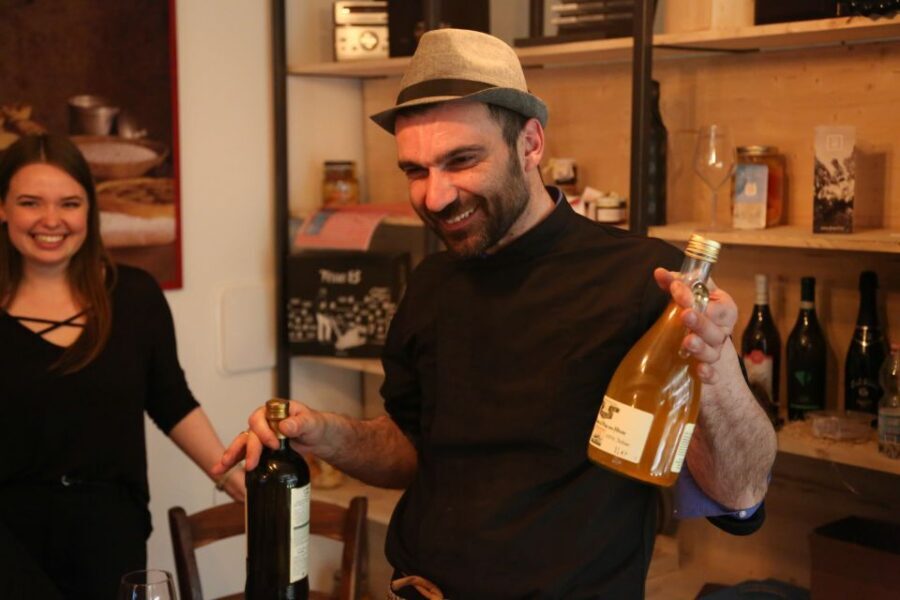
Most tastings fail when people treat it like a wine tour. This one won’t, because the pacing is anchored around water and structured bites. You’ll have still or sparkling water, which helps reset your palate between tastings.
Wine is optional, available upon request. That can be nice if you like pairing olive oil with a classic Italian beverage feel. Just keep control of your pace. One glass can add to the experience, but you want your palate sharp enough to notice differences between oils.
At around one hour, the tempo is designed to keep it light and focused. If you’re planning the rest of your day in Verona, this is also a good length: you can keep moving without feeling like you’re missing half the city.
Price and value: is $53 for 1 hour fair?
At $53 per person for about 1 hour, you’re paying for several things at once:
- A guide who handles explanations in multiple languages (Italian, English, and Russian are listed)
- Tasting of three olive oils
- Food pairings: bread and cheese, plus a plate with salami and cheese
- Water throughout
- Optional wine
For me, the value comes from the teaching component. Tasting alone is nice, but tasting plus method is what turns it into a skill you keep. You’re also getting a guided setting in a real shop, which usually means you’re not just eating packaged samples—you’re learning what to look for.
The short duration helps value too. You’re not committing to a long block that turns into a whole afternoon. It’s the kind of experience you can fit between sights and still feel educated.
Who should book this olive oil experience (and who might skip it)
This is best for you if:
- You like food education that’s practical, not overly academic
- You want to taste and learn pairing basics—what works with bread, cheese, and cured meats
- You’d rather ask questions than just watch a demo
- You’re shopping for olive oil in Italy and want a head start
You might reconsider if:
- You have multiple strict food intolerances and aren’t sure you can make substitutions. The experience asks you to inform the provider about intolerances, so your needs will have to be handled carefully.
- You’re not interested in the “why” behind flavor and only want a casual snack. The emphasis here is on learning and recognition.
If you’re a foodie traveler who likes to bring skills home, this one fits.
Practical tips before you go
- Arrive a few minutes early so you start tasting on a calm schedule.
- If you have any food intolerance, tell the provider ahead of time. Don’t wait on the spot.
- Have a couple of questions ready. Asking what you should notice in the next oil helps you learn faster.
- Pace your bites. Taste, eat, compare, then take notes if you like.
And one more thing: bring your curiosity. Olive oil can feel mysterious until someone guides you through the right comparisons.
Should you book this Verona olive oil tasting?
Yes, if you want a smart, flavorful hour that teaches you how to recognize quality olive oil and how it behaves with real Italian table food. The fact that people consistently praise Filipo’s patience and the time he takes is a strong indicator you won’t feel rushed or lost.
Book it if you’re the type who shops at local producers or who likes to understand what’s behind what you eat. It’s also a great fit on a day when you want something short, high-impact, and easy to tuck into a Verona itinerary.
If your schedule allows, I’d say this is one of the most practical “only-in-Italy” food experiences you can choose. You leave with knowledge you can use again, not just a few good bites.
FAQ
How long is the olive oil tasting experience in Verona?
The experience lasts about 1 hour.
What does the tasting include?
You’ll taste 3 different types of extra virgin olive oil. You’ll also have bread and cheese pairings, plus a plate of salami, cheese, and bread, with still or sparkling water.
Is wine included?
A glass of wine is available upon request.
Where is the meeting point?
Your guide meets you at the historic shop La Bottega di Verona.
What languages are available for the guide?
The guide is listed as available in Italian, English, and Russian.
Do I need to tell the host about food intolerances?
Yes. You should inform the host of any food intolerances before the experience.
What’s the price per person?
The price is listed as $53 per person.
Is there free cancellation?
Yes. You can cancel up to 24 hours in advance for a full refund.