REVIEW · VERONA
Verona: Classic Valpolicella Wine Tasting Experience
Book on GetYourGuide →Operated by La Botteghetta La Bottega di Verona · Bookable on GetYourGuide
One hour can teach you how to taste wine. This classic Valpolicella experience pairs three iconic wines with local bites, guided by a sommelier who talks you through what you’re actually tasting. I especially like the focus on Valpolicella Classico, Ripasso, and Superiore and the way the tasting uses Monte Veronese cheese and Soppressa salami to sharpen your palate. The only drawback is the time: it’s a tight, 1-hour session, so you’ll want to ask your questions early rather than expect a slow, long chat.
I’d also file this under authentic Verona food-and-wine, because it happens in a real shop setting near where people buy specialty items. You meet at the historic Botteghetta, and the guide speaks English, Italian, and Russian, which helps if your wine vocabulary is still forming. And yes, it’s adult-only, so you’ll need ID ready.
To make the tastings click, you’ll learn what the name Valpolicella means and how the tradition traces back to Roman times. The session is built around terroir, grape variety, vinification, and sensory traits—so you leave with a clearer mental map of why these bottles taste the way they do.
In This Review
- Key things to know before you go
- Valpolicella 101 in Verona: what the name means
- Meeting at Botteghetta: how the 1-hour session is set up
- The flight: Valpolicella Classico, Ripasso, and Superiore
- Cheese and salami in Verona: Monte Veronese and Soppressa
- How the sommelier turns sipping into learning
- Value for money: what $53 buys you in Verona
- Practical tips to get the most out of your tasting
- Who this Valpolicella tasting is perfect for
- Should you book this one-hour Valpolicella tasting?
- FAQ
- What wines are included in the tasting?
- How long does the experience last?
- What food is included?
- Do I get water during the tasting?
- What languages are the guides available in?
- Where do I meet for the tasting?
- Is the tasting only for adults?
- What should I bring?
- Can I cancel or book without paying right away?
Key things to know before you go
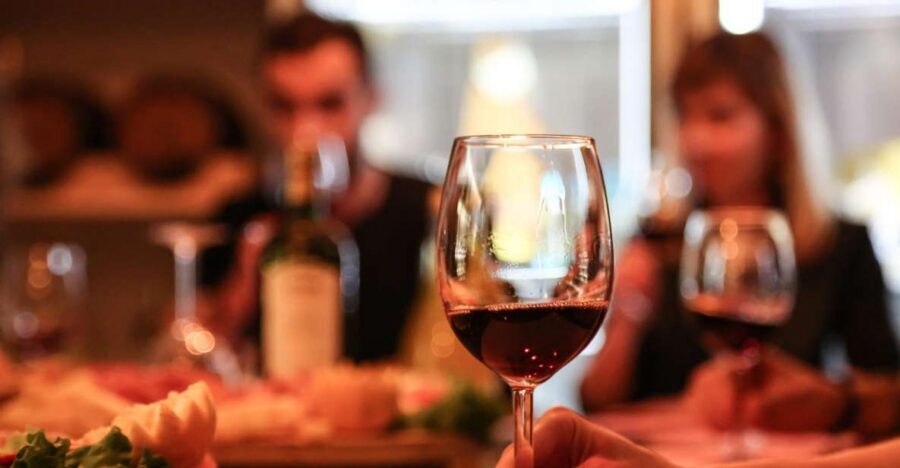
- Valpolicella’s name comes from valle, poli, and cellae, meaning valley of many cellars
- You’ll taste three classics: Valpolicella Classico, Valpolicella Ripasso, Valpolicella Superiore
- Local food matters here: Monte Veronese cheese and Soppressa salami anchor the wine flights
- The sommelier guides your senses with terroir, vinification, and organoleptic (sensory) cues
- You can request still or sparkling water, which makes the pacing more comfortable
Valpolicella 101 in Verona: what the name means
Valpolicella is one of those wine names that sounds poetic until you learn what it actually points to. The term connects to valle, poli, and cellae, which roughly means valley of many cellars. That matters because it hints at what the area has done for centuries: built wine storage, trained taste, and turned a fertile zone into a production powerhouse.
This tasting is designed to make that history feel practical. Instead of just saying the wines are traditional, the guide frames how wine production in the region dates back to Roman times, and how the winemaking craft got refined over generations. You don’t need to be a wine expert to follow along. The session is short enough to keep you focused, but structured enough that you’ll understand the logic behind each bottle.
You’ll also get context that helps beyond this specific tasting. Once you understand how terroir and vinification show up in the glass, you can shop smarter in Verona later—spotting differences without needing a textbook.
You can also read our reviews of more food & drink experiences in Verona

Meeting at Botteghetta: how the 1-hour session is set up
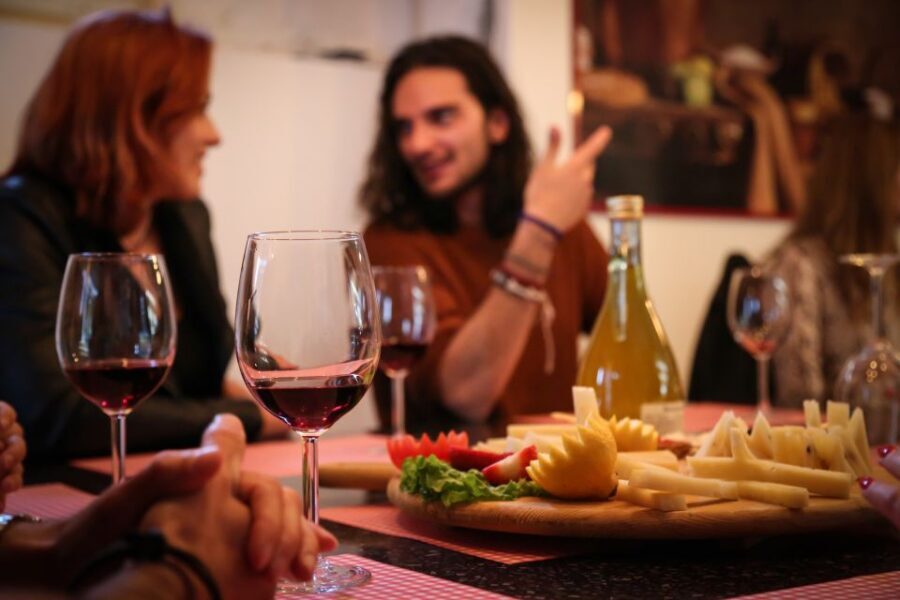
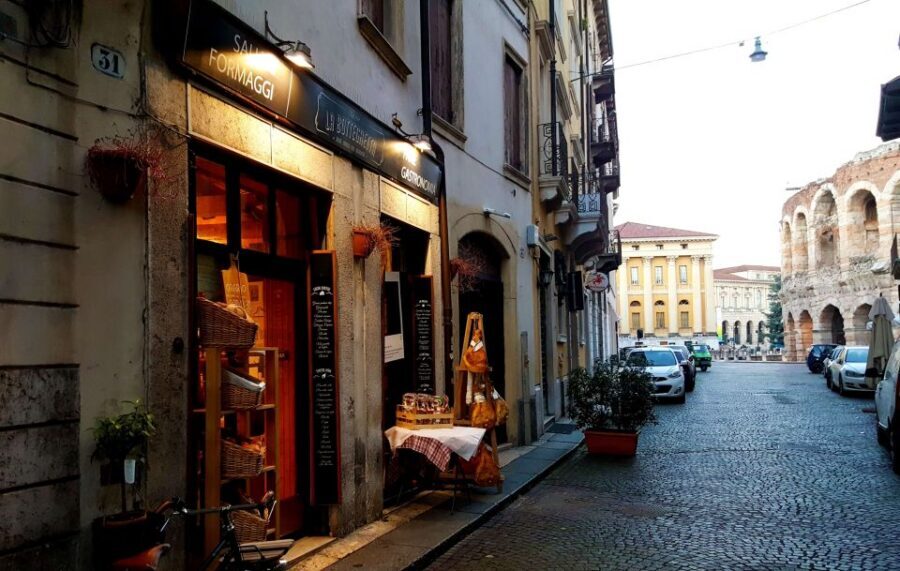
You’ll meet at the historic shop Botteghetta. That’s not just a location detail—it shapes the experience. This isn’t a big winery bus tour. It’s a small, local shop-style tasting, which usually means you’ll stay close to your table, handle multiple pours without long walking breaks, and keep your attention on the wine and food.
Check in 15 minutes before your start time. With a 1-hour format, that buffer helps you settle in, find your spot, and get started without feeling rushed. The tasting also has a live guide in English, Italian, or Russian, so expect the pace to match a real conversation rather than a pre-recorded script.
Because drinking is part of the core activity, the organizers set a clear rule: minimum age is +18 and you should bring ID. If you have intolerances, make sure you advise the provider ahead of time so the platter makes sense for you.
The flight: Valpolicella Classico, Ripasso, and Superiore
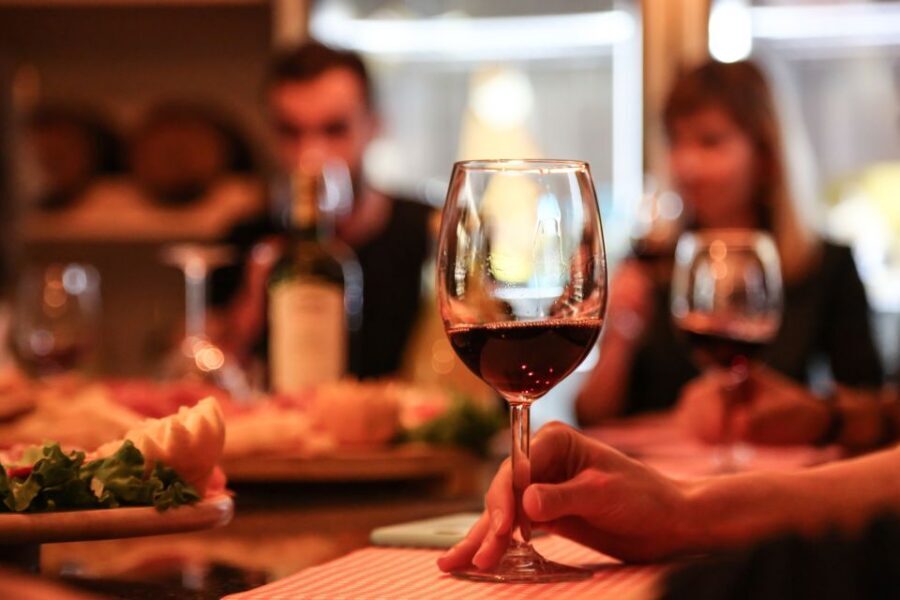
The centerpiece is a trio of three classic Valpolicella wines, served in a guided flight. The specific bottles you’ll taste are:
- Valpolicella Classico
- Valpolicella Ripasso
- Valpolicella Superiore
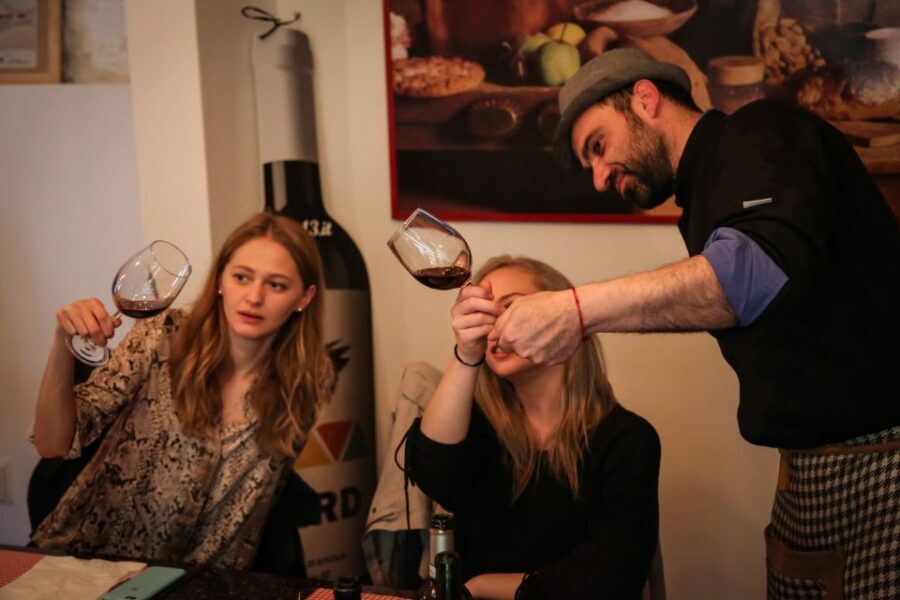
What I like about tasting them side by side is that it turns tasting into pattern recognition. You’ll taste, then immediately connect what you’re noticing to how the wine was made. The guide walks you through the terroir of origin, then the grape variety and vinification method, and finally the organoleptic characteristics—basically the sensory fingerprints like flavor, aroma cues, and overall structure.
Even if you can’t name every aroma after your first sip, you’ll get a framework for how to talk about wine. That’s a practical skill. Later, if you’re ordering in a bar or buying a bottle to take home, you’ll be able to compare with more confidence.
One more detail: the tasting can include a short warm-up flow. In at least one session with Filippo, guests started with a sparkling pour and then moved through other wine styles before the main red focus. Don’t assume every flight will follow the exact same steps, but it’s a good sign that the guide may tailor the flow to the group and keep things lively.
Cheese and salami in Verona: Monte Veronese and Soppressa
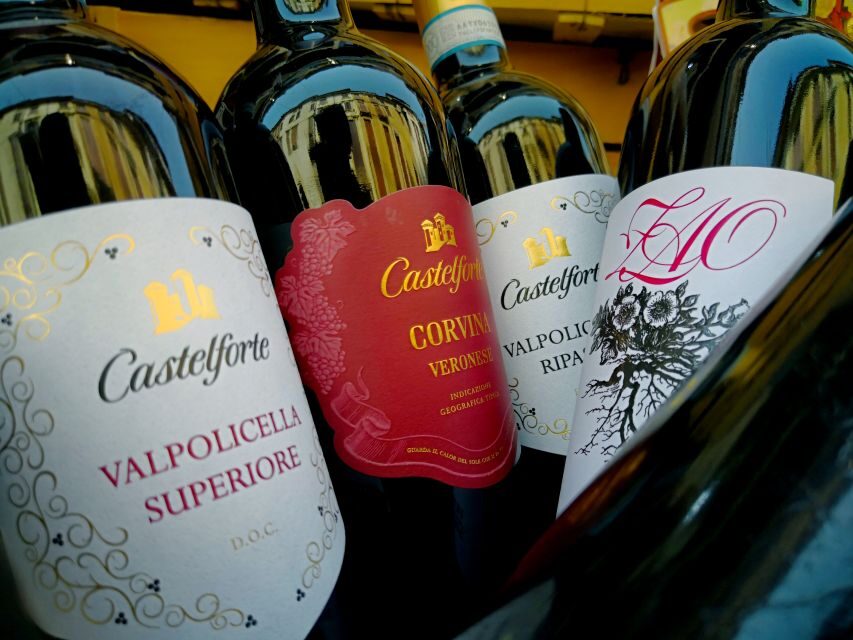
Wine tastes better when you give your mouth a job. That’s exactly what this experience does with food. Included in the tasting is a meat and cheese platter featuring local staples:
- Monte Veronese cheese
- Soppressa salami
- plus other local items like cold cuts and cheeses, with bread in the mix
These pairings aren’t random. Monte Veronese brings a distinct local cheese profile, while Soppressa salami adds salt, fat, and savory punch. Together, they create contrast—so you can taste how the wines respond to richer, saltier flavors.
Here’s the useful way to think about it: when the palate is plain, many wines can blur together. When you introduce regional food, the differences between the wines become more obvious. Your mouth starts to detect shifts in balance and finish instead of just saying red tastes like red.
Also, this is the kind of platter where it’s worth slowing down for a few bites. If you treat the food like a snack you eat while standing and scrolling, you’ll miss half the point. The tasting is built around senses—so actually taste the cheese, then sip, then compare.
If you have intolerances, tell the guide up front. One booking notes vegetarian guests were handled with extra attention, so it’s a good idea to communicate early rather than wait until you’re already seated.
How the sommelier turns sipping into learning
A wine tasting can be either fun fluff or real skill-building. This one aims for the second option—without making it feel like class.
Your sommelier leads you through what’s happening in each glass: the terroir, the grape variety, the vinification, and the organoleptic traits. This matters because wine is not just a drink. It’s a process. Once you learn the process, you stop tasting randomly and start tasting with intention.
A couple of practical examples of how this kind of guidance pays off:
- If you’re told what to look for, you’ll start noticing how aroma and taste change as you move from one wine to the next.
- If the guide explains the origin and the method, you’ll understand why a wine’s texture or finish feels different.
- If you’re asked sensory questions during the session, you’ll stop feeling shy about not being “good at wine.”
In some sessions, the guide is Filippo, and the tone comes across as friendly and easy to talk with—ideal if you don’t want a formal lecture. In other words, you get both information and comfort, which is the sweet spot for a first tasting.
You can also read our reviews of more wine tours in Verona

Value for money: what $53 buys you in Verona
At $53 per person for about 1 hour, this isn’t a bargain tasting like you’d see at a supermarket stand. But it also isn’t priced like an expensive winery day.
Here’s the value math that makes sense:
- You get three wines, not one or two.
- You get a meat-and-cheese platter with regional products.
- You get a live sommelier guide in multiple languages, which is the most expensive part of any tasting when you think about it.
If you compare it to doing everything separately—buying a flight of three wines plus local bites plus paying for guidance—this starts to feel fair. The duration also helps value: you’re not spending half a day or shuffling between places. One focused hour is often exactly what you want when you’re doing Verona sightseeing.
The other side of the value coin is that 1 hour means you won’t get unlimited pours or endless back-and-forth. If you’re the type who likes deep, slow sessions, you may want to plan a longer wine moment later. But for learning the basics of Classico vs Ripasso vs Superiore, this format is efficient.
Practical tips to get the most out of your tasting
A tasting like this rewards preparation more than it rewards enthusiasm. A few tips will make your hour smoother:
- Arrive on time (and check in 15 minutes early) so you don’t feel flustered when the first pour comes.
- Plan your next step after the tasting. With multiple wines involved, it’s wise to keep your evening schedule relaxed.
- Bring ID and have it ready at check-in. The experience is 18+ and they explicitly ask for ID.
- If you have intolerances, communicate them before the day so the platter can match your needs.
- Try a bite, then sip, then pause. It sounds slow, but it’s the fastest way to notice differences between the three Valpolicella styles.
If you’re sensitive to strong flavors, you can also request still or sparkling water on request, which helps reset your palate between pours.
Who this Valpolicella tasting is perfect for
This experience suits people who want a classic regional tasting without the hassle of a full-day itinerary.
You’ll probably love it if:
- You want to understand Valpolicella beyond just buying a bottle
- You like learning while you eat and drink
- You prefer a small shop-style setting over a big tour bus day
- You’re looking for a clear introduction: Classico, Ripasso, Superiore, plus local food pairings
It may be less ideal if:
- You want a long, unhurried dining experience (this is 1 hour)
- You’re not comfortable with adult-only wine tastings
Should you book this one-hour Valpolicella tasting?
Book it if you want a smart, classic Verona food-and-wine moment: three Valpolicella wines, a real local platter, and a guide who connects the story to what you taste. It’s the kind of experience that pays off immediately—because you’ll understand what makes Valpolicella different, and you’ll be better equipped to order or shop afterward.
Skip it only if you’re looking for a full-day winery outing, or if you strongly prefer to avoid alcohol-based activities. If you’re open to learning and you enjoy regional cheese and salami with your wine, this one-hour session is excellent value for your time in Verona.
FAQ
What wines are included in the tasting?
You’ll taste three classic Valpolicella wines: Valpolicella Classico, Valpolicella Ripasso, and Valpolicella Superiore.
How long does the experience last?
The experience lasts 1 hour.
What food is included?
It includes a meat and cheese platter featuring Monte Veronese cheese and Soppressa salami, along with other local products like cold cuts and cheeses.
Do I get water during the tasting?
Yes. Still or sparkling water is available on request.
What languages are the guides available in?
The live tour guide offers English, Italian, and Russian.
Where do I meet for the tasting?
You meet at the historic shop Botteghetta.
Is the tasting only for adults?
Yes. The minimum drinking age is +18, and you must bring ID.
What should I bring?
Bring your passport or ID card and your driver’s license.
Can I cancel or book without paying right away?
Free cancellation is available up to 24 hours in advance for a full refund, and there is a reserve now & pay later option.