REVIEW · VERONA
Dante in Verona: From Inferno to Paradise
Book on GetYourGuide →Operated by Slow Travel · Bookable on GetYourGuide
Dante’s words have street addresses. This relaxed 1.5-hour walk uses live Dante storytelling and real Verona landmarks to connect The Divine Comedy to the city’s medieval world.
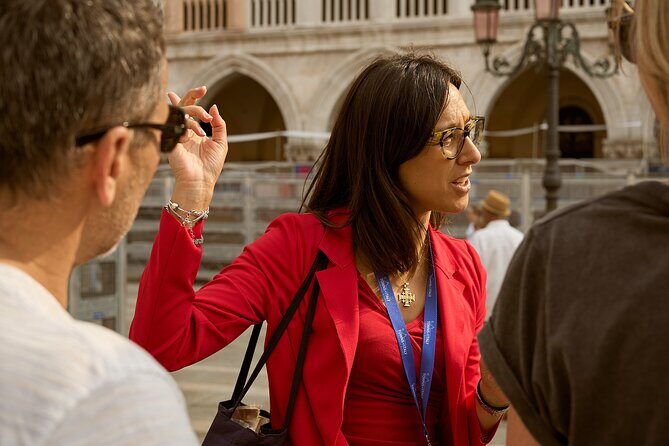
I especially like how the guide links specific scenes from Inferno, Purgatory, and Paradise to where you’re standing. I also like that even if you’re new to Dante, the explanations are built to make symbolism make sense.
One heads-up: it’s still a walking tour, so comfy shoes matter, and it isn’t suitable for pregnant women.
In This Review
- Key things you’ll notice on this tour
- Why Dante in Verona feels different from a standard city walk
- Finding the tour near the Arena: Piazza San Fermo
- Porta Leoni and the feeling of moving through Dante’s Verona
- Juliet’s House stop: myth, memory, and why the contrast works
- Arche Scaligere and Lamberti Tower: medieval power made visible
- Piazza dei Signori twice: the poetry starts to map onto place
- Ponte Pietra and Verona Cathedral: the walk turns into a journey
- Piazza Erbe and the street-level Verona you miss on your own
- Price and what $45 gets you in 1.5 hours
- Pace, group feel, and what you can expect on the ground
- Who should book, and who should skip this one
- The bottom line: should you book Dante in Verona?
- FAQ
- How long is the Dante in Verona walking tour?
- How much does the tour cost?
- What languages is the tour offered in?
- Where does the tour meet?
- Is the tour wheelchair accessible?
- Is it suitable for pregnant women?
- What should I bring?
Key things you’ll notice on this tour
- Live acting with Dante, not just a lecture
- Dante expert guides who connect verses to Verona’s exact spots
- A practical, easy walking pace with smart stop choices (including shade)
- Multiple stops tied to medieval power, like the Scaliger tombs
- A faith-and-journey theme that turns the walk into a narrative arc
Why Dante in Verona feels different from a standard city walk

Verona can be all postcards—until you see it through Dante’s lens. This tour is built around the idea that The Divine Comedy wasn’t written in a vacuum. You’re shown how medieval places, politics, and religious thinking shape what Dante puts on the page.
The best part is the structure. You don’t just get facts about Verona. You move through a story where the guide makes connections between the city and the poems that helped define how people imagined salvation and punishment.
And yes, it’s still Verona. Between stops, you’ll be looking at architecture and public spaces in a new way, like Ponte Pietra isn’t just a pretty bridge but part of a longer human journey.
You can also read our reviews of more tours and experiences in Verona.
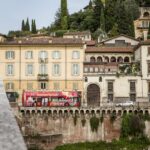
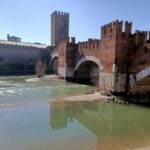
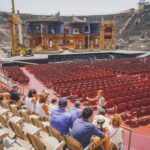
Finding the tour near the Arena: Piazza San Fermo
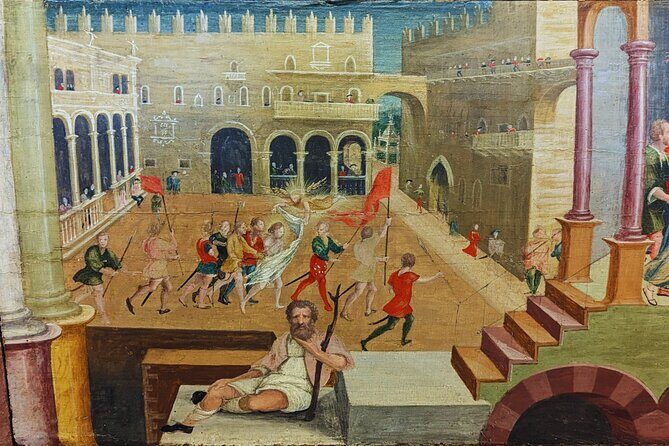
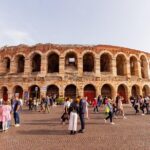
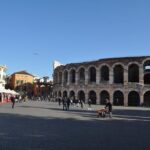
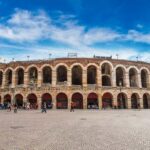
The meeting point is in the Piazza San Fermo area. You’ll want to get to a small square along a road with a bar on the corner, and wait for the guide in front of the church. It’s about an 8-minute walk from the Arena, so you can anchor your navigation around that landmark.
I like that this isn’t some hard-to-locate meeting spot. Verona is easy to wander, but it’s also easy to waste time when you’re late and confused. This setup keeps the start straightforward.
Plan on footwear that can handle stone streets. The tour is listed for comfortable shoes, and that’s good advice for the whole city.
Porta Leoni and the feeling of moving through Dante’s Verona
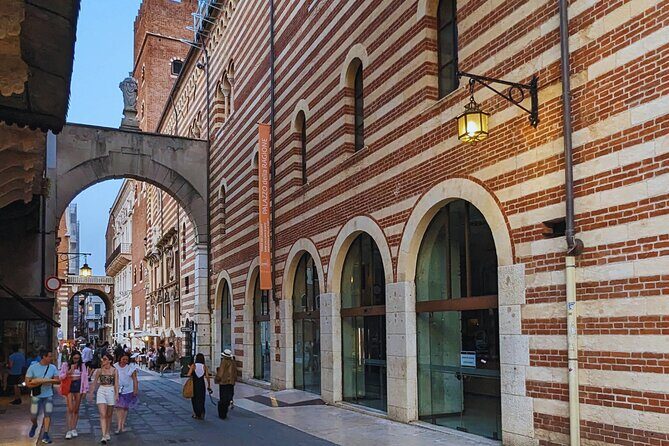
The walk begins at Piazza San Fermo, then heads toward Porta Leoni. This first stretch matters because it sets the mood. Early on, the guide frames Dante not as a distant author but as a traveler and a working human being embedded in medieval Verona’s fabric.
Porta Leoni is a solid choice for that kickoff. City gates and entry points are where trade, visitors, and stories would have met. Even if you don’t know Dante’s life, starting here helps the poetry feel physical.
From there, you’ll pass more of Verona’s historic core. The tour keeps a relaxed tempo, giving you enough time to look up, not only forward. That small thing—time to actually see—makes the rest of the story land.
Juliet’s House stop: myth, memory, and why the contrast works
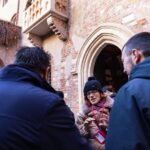
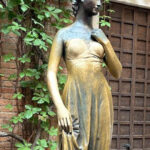
One of the stops is Juliet’s House. It’s a quick moment—just long enough to orient you in what visitors expect to see in Verona. But in a Dante-focused tour, that stop can become useful in a clever way.
Here’s the value: Dante wrote in a world that mixed romance, politics, faith, and public spectacle. Juliet’s House is later fame layered over older streets. When your guide treats it as part of Verona’s storytelling tradition, it helps you understand how places stay “in use” long after the original people are gone.
This isn’t the tour where you’ll get the deepest dive into Shakespeare. Instead, it’s a short pause that helps you see the bigger picture: Verona is a city where narrative sticks to walls.
Arche Scaligere and Lamberti Tower: medieval power made visible
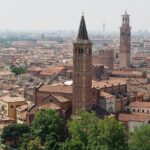
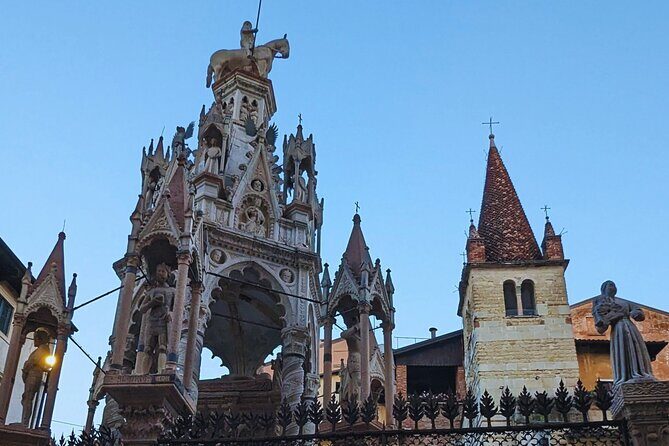
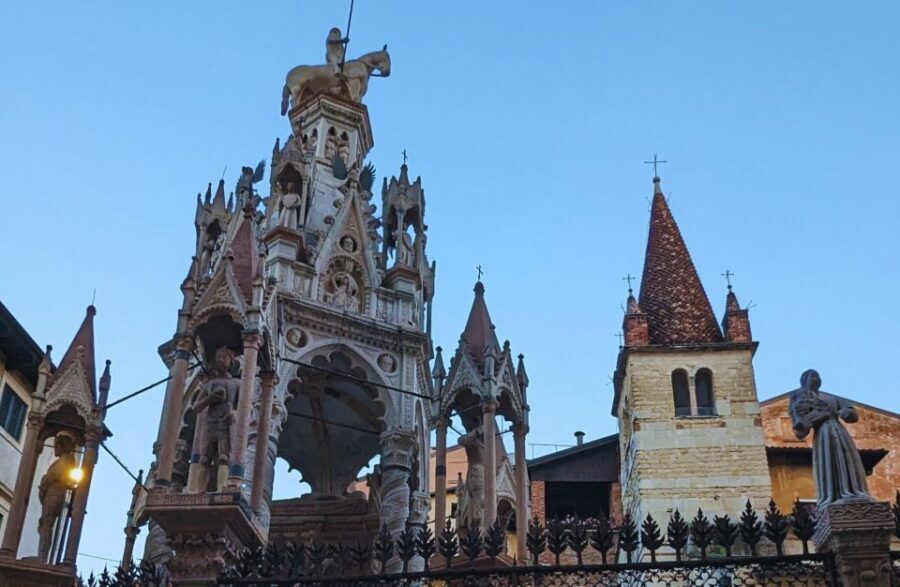
Next you’ll move to the Arche Scaligere—the Scaliger tombs—and the Lamberti Tower. This is where Verona stops being a set of pretty scenes and starts becoming a place of authority.
The Scaliger family is tied closely to Dante’s Verona. The guide explains Dante’s connection to the illustrious Scaligeri family, who built castles, arch bridges, and palaces, and even decorated street walls with frescoes. Seeing the tombs and the tower in sequence helps you connect civic power with the kind of world Dante was writing from.
The Lamberti Tower stop is short, but towers are never just view-points. In medieval cities, they’re signals of status and control. Even without climbing, you can read the tower as a reminder that public life had a hierarchy.
In practical terms, these stops are also a good break from constant movement. You get moments to stand, look, and reset your attention.

Piazza dei Signori twice: the poetry starts to map onto place

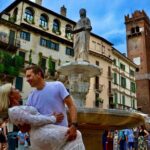
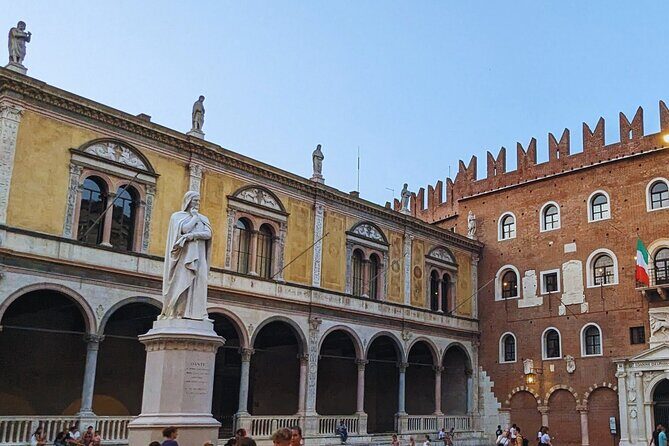
You’ll spend time at Piazza dei Signori in two segments. I like that structure because it lets the tour breathe. The guide has time to re-center you after earlier stops, and you’re not rushed through the most atmospheric public spaces.
Piazza dei Signori is also a strong setting for the tour’s themes. This is where your guide’s “Inferno to Paradise” approach becomes more than a slogan. The goal is to connect pieces from the comedy tradition to the visual and spiritual logic of where you are.
Then you’ll be in the right mental zone for the next part: moving from squares into the flow of streets and bridges, like the narrative is taking you forward.
Ponte Pietra and Verona Cathedral: the walk turns into a journey
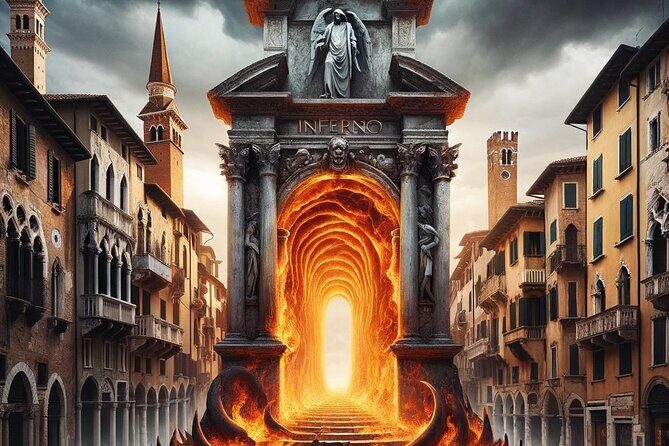
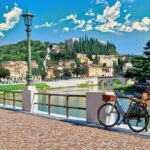
Ponte Pietra comes next. It’s a short stop, but bridges do a lot for storytelling. They’re crossings—between banks, neighborhoods, eras, and ideas. In a tour that’s built like a moral travel route, that’s a perfect transition point.
After Ponte Pietra, you’ll reach the Verona Cathedral area, with the tour also finishing at Cattedrale di Santa Maria Matricolare. If you’re thinking this sounds like a lot of “church stops,” you’re not wrong. But the way it’s presented is the point: the guide connects the sacred geography of Dante’s world to the places where people gathered, prayed, and formed their understanding of the afterlife.
This is where the live acting piece matters most. When Dante is performed rather than just described, the poem’s emotional weight shows up faster. You stop treating the story like literature and start treating it like a lived worldview—one that shaped how people imagined justice, mercy, and the road ahead.
Piazza Erbe and the street-level Verona you miss on your own
The tour also covers key landmark areas like Piazza Erbe and Duomo main church. This is valuable because those places can feel like tourist magnets when you’re wandering solo. With a guide, you get a lens for reading what you see: public space as civic life, religion as daily framework, and architecture as political language.
I find Piazza Erbe especially helpful in this type of tour. It’s the kind of square where daily life and big ideas overlap. That overlap is exactly what Dante’s writing often points to—ordinary humans under the pressure of moral choice.
If you’ve been to Verona before, this tour can still change how you walk through it. It gives you a reason to look longer at details you’d otherwise skim.
Price and what $45 gets you in 1.5 hours
At $45 per person for a 1.5-hour guided walk, the price only feels fair if the value is more than “a few landmarks.” In this case, it is.
You’re paying for several layers at once:
- A Dante expert-style performance approach, including a live acting experience with Dante
- Connections between the poem and the exact places you visit, not just general biography
- A guided route through multiple core sights, including Ponte Pietra and the cathedral area
- A narrative pacing that turns the tour into a coherent arc rather than a checklist
You should also factor in time. In Verona, it’s easy to get stuck spending your hours “looking around.” This tour uses your time with purpose, so you leave with more than photos.
If you love literature, it’s a great investment. If Dante is new to you, it can be the most efficient way to get a first map of his themes without getting lost in reading assignments.
Pace, group feel, and what you can expect on the ground
The tour is designed as a relaxed walking experience. That matters because Dante-themed tours work best when your brain is engaged, not exhausted.
In real-world terms, you’ll cover key spots with breaks that make sense. Some guides in this style also choose stops that are easier in the shade, which is a small detail that can decide whether the experience feels enjoyable or tiring on a warm day.
Language is offered in English and Italian. And the tour can work even if you don’t know Dante yet. The explanations are built to keep symbolism understandable, not just to recite famous lines.
Also, it can feel personal. Some bookings have a smaller group dynamic, so Q&A doesn’t vanish into the crowd. If you like asking questions, you’ll likely get more back-and-forth than you would on a huge bus tour.
Who should book, and who should skip this one
This is a good fit if you:
- Like literature that connects to real places
- Want Verona with a storyline, not just a list
- Enjoy religious and moral themes presented in a human way
- Want an early, focused introduction to Dante without having to be an expert
It’s also a helpful start to your Verona trip. It gives you a framework for understanding the city while you still have the flexibility to explore afterward.
Skip it if you’re pregnant, since it’s listed as not suitable. If you have mobility concerns beyond that, the tour is marked as wheelchair accessible, but you’ll still want to bring sensible expectations about time on foot.
The bottom line: should you book Dante in Verona?
If you want Verona in a new key, book it. The $45 price makes sense because you get a 1.5-hour guided story with live Dante acting, multiple landmark stops, and clear connections between Dante’s tradition and the city’s spaces.
If you’re the kind of traveler who likes meaning as much as views, this tour will feel worth your time. If you prefer pure sightseeing with no moral/religious framing, you might want to consider a different style of tour.
But for most people—especially first-timers to Dante or Verona—this is one of those experiences that leaves you walking the same streets with different eyes.
FAQ
How long is the Dante in Verona walking tour?
It lasts 1.5 hours.
How much does the tour cost?
The price is $45 per person.
What languages is the tour offered in?
The live tour guide is available in English and Italian.
Where does the tour meet?
Meet at a small square along a road with a bar on the corner, and wait for the guide in front of the church near Piazza San Fermo (about an 8-minute walk from the Arena).
Is the tour wheelchair accessible?
Yes, it is wheelchair accessible.
Is it suitable for pregnant women?
No, it’s listed as not suitable for pregnant women.
What should I bring?
Bring comfortable shoes for walking.