REVIEW · VERONA
Tour to the Arena di Verona at the Gladiator’s Time
Book on Viator →Operated by CittàDiLazise.it · Bookable on Viator
Verona can feel dramatic in the right light.
A guided look at the Arena di Verona cuts through the postcard stuff and shows you how this Roman amphitheater works—and why it still feels real. I like that you get the building’s big picture fast, then the guide turns details into stories you can actually remember.
Two things I like a lot: the way a pro guide, Fabio, makes the site feel alive, and the quick hit of context that helps you understand what you’re seeing. The main consideration is simple: the Arena ticket isn’t included, so you’ll want to sort that out online before you go.
If you’re short on time, this tour is a smart way to “get it.” If you want a long, slow wandering day, you may feel the hour passes quickly—but that’s also how you keep the cost and schedule under control.
In This Review
- Key highlights at a glance
- Verona Arena, in one hour: what you’re really seeing
- Meeting at Piazza Bra: the square that sets the scene
- The Arena di Verona: why it still makes architectural sense
- A guide like Fabio turns the site into a story
- How the hour is paced (and what you may want after)
- Tickets and price: where the real value sits
- Practical tips so your visit feels smooth
- Who should book this Arena di Verona guide?
- Should you book the Arena di Verona at Gladiator’s Time tour?
- FAQ
- Where does the tour start?
- What time does the tour begin?
- How long is the tour?
- Is the Arena entrance ticket included in the price?
- How much is the Arena entrance fee?
- What does the tour price include?
- What language is the tour offered in?
- Is this a private tour?
- Is there a mobile ticket?
- Are service animals allowed?
Key highlights at a glance
- Fabio’s storytelling focuses on what matters, with energy that works for kids and adults
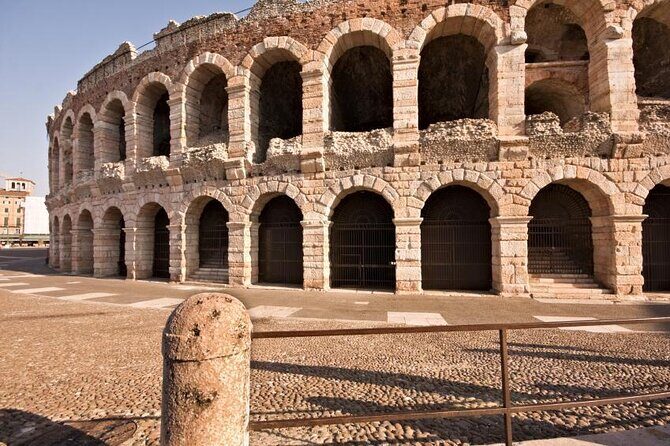
- Roman architecture made clear: you’ll understand the structure and purpose of this amphitheater
- Piazza Bra context gives you the setting for Verona Arena’s role in city life
- Photo help during the visit: the guide also looks out for the best picture spots
- Private group time means you won’t be lost in a crowd
Verona Arena, in one hour: what you’re really seeing
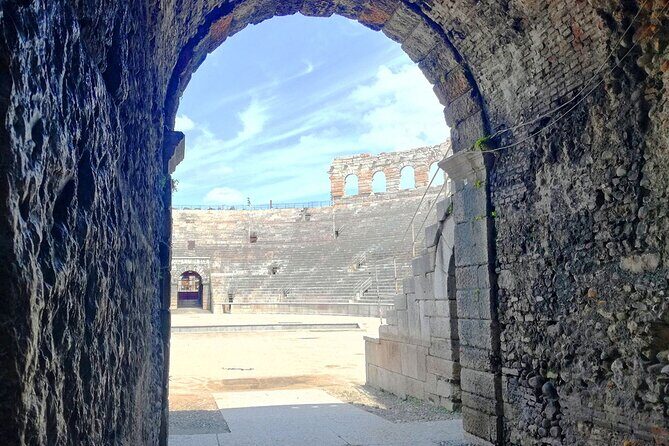
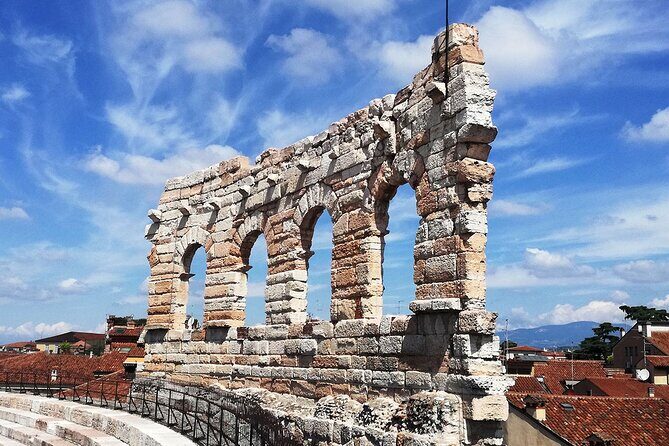
The Verona Arena is one of those places where the stones do the talking—if you know what to look for. It’s a Roman amphitheater in Verona’s historic center, and it’s famous not only for its scale, but for how well the structure still reads today. The reason is practical: the building has benefited from systematic restorations going back to the 1500s, so even with changes over time, the amphitheater layout is still easy to understand.
What I love about doing this with a licensed guide is that you stop treating the Arena like a set piece. You start seeing it like an instrument. Roman amphitheaters were designed for a job—crowds, sight lines, movement, and public spectacle—and you can learn how those choices shaped what you stand in front of.
This is also one of those “two stories” sites. There’s the Roman original, and then there’s what later eras did with the same walls. The best tours help you hold both in your head at once, without drowning you in dates.
You can also read our reviews of more tours and experiences in Verona.
Meeting at Piazza Bra: the square that sets the scene
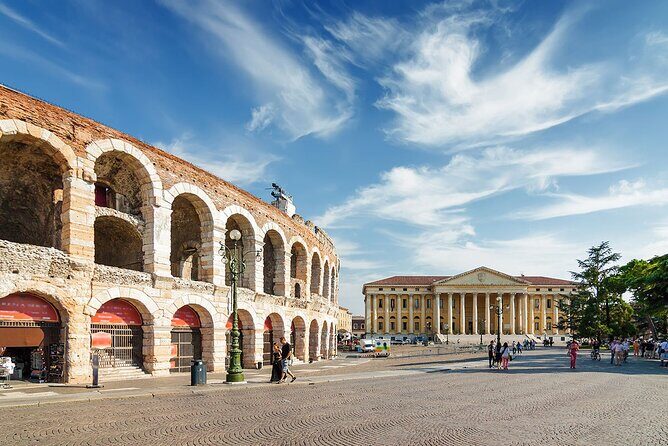
Your tour starts at the Arena itself, at Piazza Bra, right in the heart of Verona. Piazza Bra is the largest square in the city’s historic center, and its name connects to older local language roots (it’s linked to the term braida). Even if you don’t care about name origins, this matters because the square is your framing device.
Before you step into the amphitheater story, you get oriented in the open space. That helps a lot because the Arena is big, and first-time visitors can end up looking at it from the wrong angle or without a mental map. A good guide use the setting to help you “place” the Arena in Verona—how it sits in the city fabric, not just in a history book.
The tour is also scheduled to begin at 9:00 am. That’s a nice time window. Mornings generally give you better light for the façade and the surrounding area, and you’re more likely to move comfortably before the busiest part of the day.
The Arena di Verona: why it still makes architectural sense
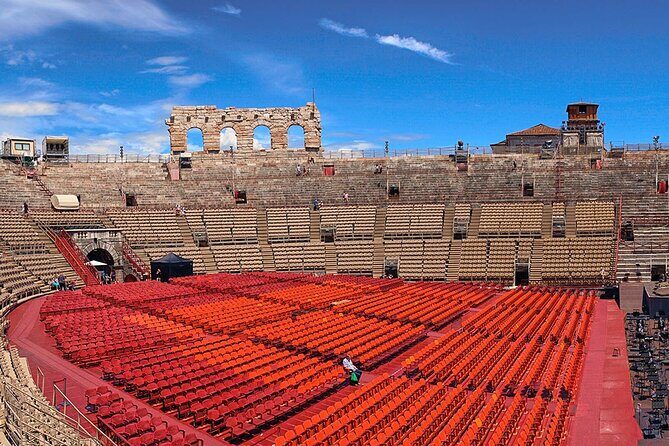
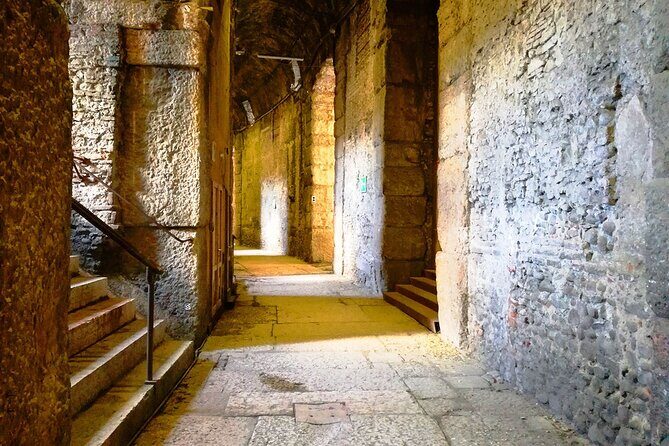
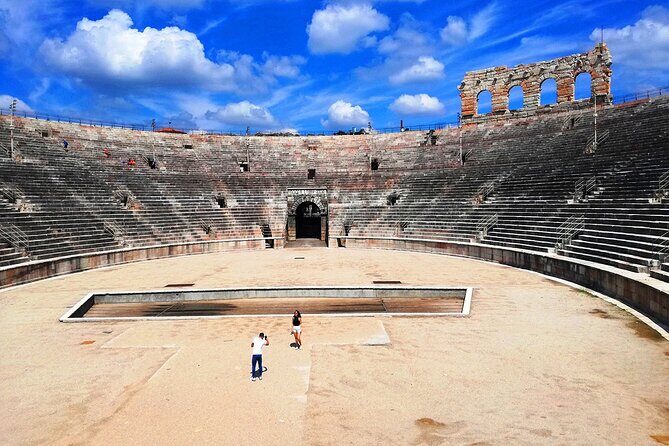
Here’s the key thing this guide-led visit gives you: the structure of the Arena becomes understandable. Roman amphitheaters are not random stone bowls. They’re built with strict logic—levels for spectators, an engineered interior layout, and entrances and circulation for large crowds.
The Arena’s reputation for clarity comes from conservation. Because of long-term restorations since the 16th century, the site still shows the bones of an amphitheater in a way that’s unusually legible. You’re not just admiring ruins; you’re reading a designed space.
During the hour, the tour focuses on helping you visualize what the space was for and how it functioned. You’ll learn how its Roman purpose shaped what you see today, then you’ll connect it to later uses. The end goal isn’t trivia for trivia’s sake—it’s the satisfaction of looking at the building and understanding why it looks the way it does.
A guide like Fabio turns the site into a story
A big reason this tour earns a near-perfect rating is the guide experience—especially the way Fabio teaches. In the feedback I’m using as a guide for what to expect, Fabio is described as funny, energetic, and professional, with a talent for making history feel immediate rather than distant.
That matters because the Arena is a dramatic setting, but drama alone doesn’t equal understanding. Fabio’s approach centers on the essentials: Roman amphitheater design, the Arena’s role across time, and the human side of spectacle. That includes the era of gladiators and emperors, where the Arena becomes more than architecture. It becomes a stage.
Another practical plus: the guide also takes extra time for picture locations. Even if you’re not chasing perfection, having a pro point you to good spots saves time and frustration. It also helps you avoid standing in a place that makes the building look distorted or cut off.
And yes, the guide works well with kids. Feedback includes families with teenagers and younger kids who stayed engaged. If you’re traveling with children, that’s a real quality signal, because many “adult-only” history tours lose them fast.
How the hour is paced (and what you may want after)
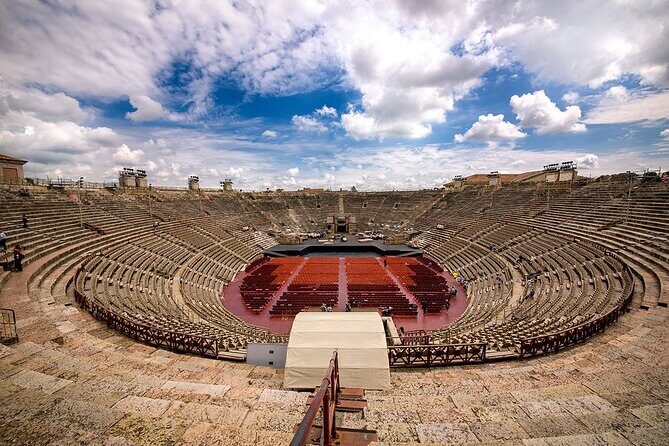
The experience runs about 1 hour. That’s short enough to fit into a busy Verona itinerary, but long enough for meaningful context if the guide keeps things focused. You’ll be at the Arena and listening to the story while learning to connect features you can physically see—structure first, then the wider historical frame.
This pacing is a trade-off. If you love slow walking and want time to linger in multiple sections of the Arena, you might feel rushed at the end of the hour. But if your goal is to understand the main ideas before exploring on your own, this time length can be perfect.
My advice: treat the guided hour as your “orientation layer.” After the tour, you can decide how much time you want to spend just looking, reading any on-site displays you come across, or returning at a later hour when you want a different light and mood.

Tickets and price: where the real value sits
Let’s talk numbers in a way that helps you decide.
The tour price is $168.41 per group (up to 8). That’s not the cost per person. It’s the group cost, which is often the bigger picture if you travel with family or friends. The tour also includes an official licensed guide in Verona.
What’s not included is the Arena entrance ticket. You should buy those tickets online, and the entrance fee is €12.00 per person. That means your final cost depends on how many people are in your group, and it’s easy to misread the total if you’re only thinking about the tour price.
So is it worth it? In my view, it’s a good value when:
- you’re going with 3–8 people and can split the group cost,
- you want a guided explanation that helps you understand what you’re seeing,
- you don’t want to spend time figuring out the building on your own.
If you’re only traveling as one or two adults, the group price still might work, but you’ll feel the gap more because the ticket cost is per person and the tour cost isn’t.
Also note: you’ll receive a mobile ticket for the experience. That reduces paper hassle and makes it easier to keep everything in one place.
Practical tips so your visit feels smooth
A few practical things will make the visit better, no guesswork required.
First, buy the Arena ticket online ahead of time. Since the entrance fee is separate, being ready helps you avoid the scramble on arrival.
Second, build a small buffer into your morning. Your start time is 9:00 am, and you’re meeting right at Arena di Verona on Piazza Bra. If you arrive late, you risk losing the start of the guided explanation—exactly the part that helps the building click.
Third, remember this is a private tour/activity for only your group. That’s great for comfort, but it also means you’ll want to confirm everyone’s ready to move and listen. No one wants to be the person who slows things down.
Finally, if you care about accessibility and support needs: the tour information states that service animals are allowed and that most travelers can participate. If you have specific mobility or sensory questions, it’s worth checking with the provider ahead of time.
Who should book this Arena di Verona guide?
This tour is a strong fit for you if:
- you want clear context for Roman architecture without a long lecture,
- you’re short on time and want your history intake in one hour,
- you like a guide who keeps things lively and readable,
- you’re traveling with kids who still enjoy stories and explanations.
It’s also a good choice if you’re visiting Verona for a limited window and want one “anchor” experience that makes the rest of your day easier to enjoy. Once you understand the Arena’s structure and purpose, it’s much easier to appreciate the city’s Roman layers as you move around.
If you’re the type who plans to stay for hours inside every corner of the site and want zero structure, you might prefer a longer self-guided approach. But as a starter, or as your main understanding stop, this works well.
Should you book the Arena di Verona at Gladiator’s Time tour?
I think you should book it if you value a guided hour that turns the Arena into something you can actually picture. The strongest reason to choose it is the guide quality—Fabio’s energy, humor, and clear explanations are repeatedly highlighted, and the tour is paced so you get meaningful insight without needing half a day.
I’d hesitate only if you already plan to spend a lot of time wandering the Arena independently and you’re mainly there for quiet photo time. In that case, you might feel the hour is too tight.
My practical bottom line: if you want to understand the Arena quickly and you can handle buying the €12 ticket separately, this is a solid, efficient use of your Verona time.
FAQ
Where does the tour start?
It starts at Arena di Verona, Piazza Bra 1, 37121 Verona VR, Italy.
What time does the tour begin?
The start time is 9:00 am.
How long is the tour?
It lasts about 1 hour.
Is the Arena entrance ticket included in the price?
No. The Arena ticket is not included. You should buy it online.
How much is the Arena entrance fee?
The entrance fee is €12.00 per person.
What does the tour price include?
It includes an official tourist guide licensed in Verona.
What language is the tour offered in?
The tour is offered in English.
Is this a private tour?
Yes. Only your group participates.
Is there a mobile ticket?
Yes. The experience uses a mobile ticket.
Are service animals allowed?
Yes, service animals are allowed.