REVIEW · VERONA
Valpolicella Wine Experience at Montresor winery
Book on Viator →Operated by Ways · Bookable on Viator
A good wine tour should teach your senses. This one starts at the Montresor Winery Museum in central Verona, then moves through the cellar and finishes with either a classic flight or an Amarone vertical tasting. I especially like the hands-on sensory room aroma game and the way the museum explains what’s behind the wines, not just the names on the labels. One possible drawback: the tasting pours can feel small if you’re expecting to drink your way through a full wine bar.
If you want a straightforward, well-paced way to understand Valpolicella and Amarone, this is a smart pick. You’ll get local bites (bread, olive oil, soppressa salami, and cheese), learn how grapes become structure and complexity as they mature, and then compare multiple styles side by side. Plus, it runs in English and caps at 20 travelers, so it doesn’t feel like you’re trapped in a crowd.
In This Review
- Key things to know before you go
- Montresor’s Wine Museum: a Verona stop that works for beginners and regulars
- From the barrique room to the cellar: how the wine gains structure
- Sensory room aroma game: the fastest way to taste better
- Your two tasting options: classic flight or Amarone vertical
- Classic tasting: a mixed flight across Valpolicella-area styles
- Amarone vertical: five Amarone DOCG expressions over time
- Snacks, pairings, and what $35 actually buys you
- Timing and logistics in Verona: easy to reach, quick to finish
- How to get the most out of the experience
- Who should book this Montresor Valpolicella experience
- Should you book the Montresor Valpolicella or Amarone tasting?
- FAQ
- What’s included in the Montresor wine experience?
- What tasting options are available?
- How long is the tour?
- Is the tour offered in English?
- How do I get to the winery from central Verona?
- Where does the tour start and end?
- Is there a minimum drinking age?
- What if the tour is canceled?
- How big is the group?
Key things to know before you go
- Virtual farmer museum intro that explains vineyard and cellar evolution in plain language
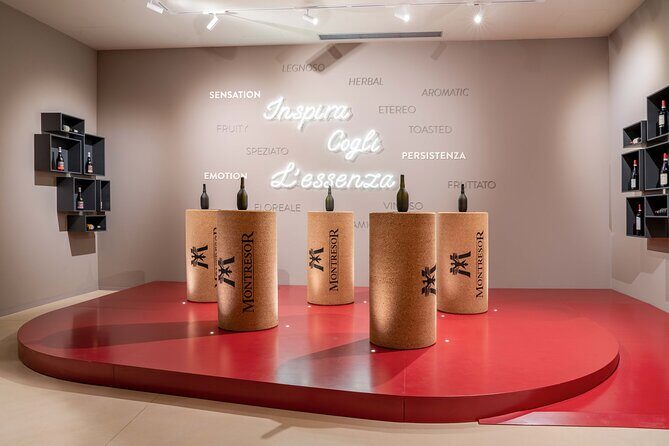
- Sensory room aroma game where you identify notes like black cherry, cocoa, licorice, and floral essences
- Two tasting paths: a classic flight with Valpolicella-area wines or an Amarone DOCG vertical with 5 expressions
- Local pairing with the Amarone using cured meats and cheese to make the flavors click
- Central Verona meeting point with easy taxi and bus options, plus parking if you drive
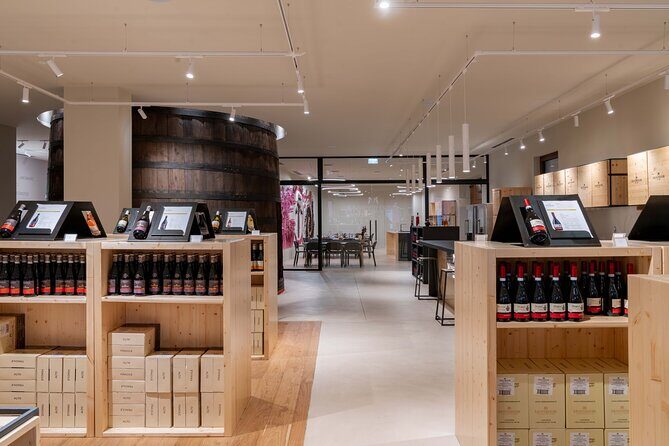
Montresor’s Wine Museum: a Verona stop that works for beginners and regulars
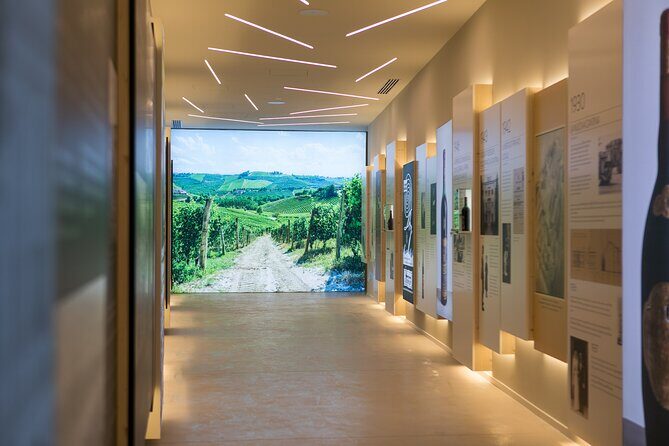
You start at Cantine Giacomo Montresor, right in Verona. That matters because you’re not spending your morning or afternoon wrestling with transfers just to get to a winery far from the city.
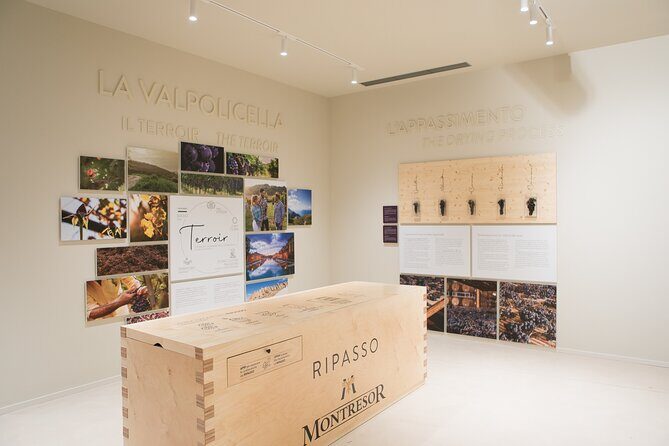
Inside, the tour begins with a “virtual farmer” presentation that walks you through how vineyard and cellar practices changed over time. It’s not heavy, academic stuff. The point is to give you enough context to understand what you’re tasting later, especially the terms that usually fly over people’s heads.
From there, you move into the story of Montresor as a winery with deep ties to Verona. This is one of the reasons the experience feels approachable: it gives the wine a place and a purpose, not just a brand.
The group size is capped at 20, and that usually translates into smoother pacing and more chances to ask questions. Your tour is offered in English and uses a mobile ticket, so you can keep your phone handy and your day simple.
You can also read our reviews of more wine tours in Verona

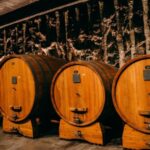
From the barrique room to the cellar: how the wine gains structure
After the museum intro, you continue into the barrique room. This is where the tour gets more technical without turning into a textbook. You’ll learn how each wine develops structure, complexity, and character as it matures—basically, how time and technique show up in the glass.
A lot of wine tours stop at the “this tastes like X” stage. Here, the emphasis is on what makes the flavors form. That helps you taste more confidently, even if you’re a casual drinker who usually just knows what you like.
Then you tour the cellar. Expect it to connect the museum ideas to real aging practices. If you’ve ever wondered why some wines taste more layered or show more depth after aging, this part is designed to make that make sense.
Sensory room aroma game: the fastest way to taste better
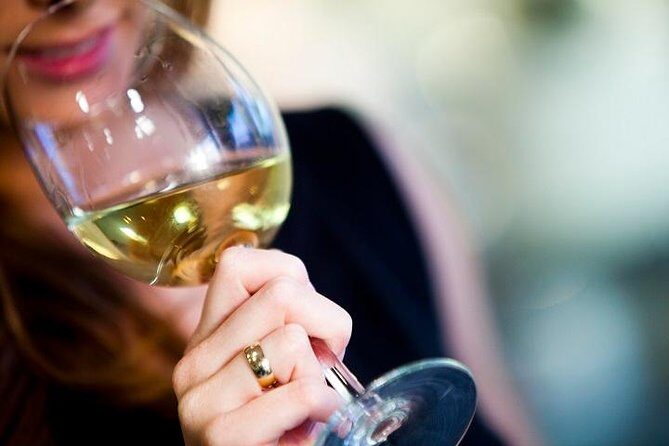
One of the best moments is the sensory room. This is not a lecture. It’s an interactive aroma game that trains your nose to recognize common wine notes.
You’ll test yourself by identifying scents such as black cherry, cocoa, licorice, and floral essences. Even if you don’t get every single answer, you’ll leave with a practical skill: you’ll start noticing aromas you previously would have missed or shrugged off as “just wine.”
This matters because most wine tasting is half smell and half expectation. The aroma game gives you a framework, so the tasting part feels less like guessing and more like discovery.
Your two tasting options: classic flight or Amarone vertical
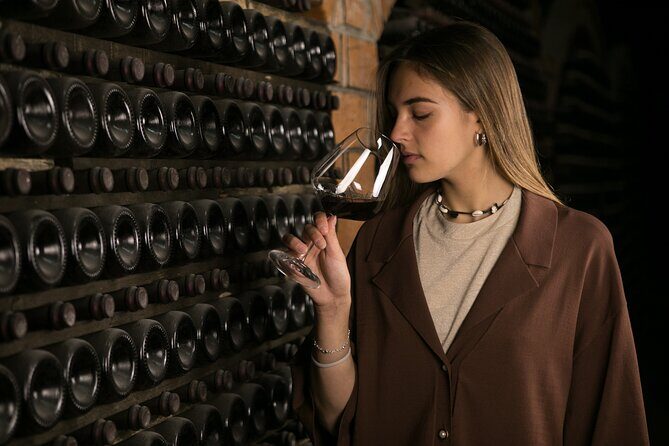
This tour gives you a real choice. Pick based on what kind of wine day you want.
Classic tasting: a mixed flight across Valpolicella-area styles
If you choose the classic option, you’ll do a tasting with five glasses. The lineup you may encounter includes Lugana, Valpolicella Classico, Valpolicella Ripasso, Amarone, and Amarone Satinato.
That blend is useful because it lets you compare neighboring styles in one sitting. You can track how sweetness perception, body, and spice-like notes shift when you move between Valpolicella expressions and Amarone-related wines.
Amarone vertical: five Amarone DOCG expressions over time
If you want the full focus on Amarone, go for the vertical tasting. This option includes five different expressions of Amarone DOCG, and the emphasis is on how body, intensity, and complexity evolve over time.
The vertical format is a great way to learn without memorizing. Instead of just tasting one Amarone bottle, you’re tasting a timeline. You’ll start noticing how age changes aroma, texture, and finish.
For this option, you also get pairing with local cured meats and cheese. That food step is more than “nice to have.” Salt, fat, and savory flavors help you read the wine better, especially the richer, more intense characteristics that come with Amarone.
Snacks, pairings, and what $35 actually buys you
At $35 per person for about 1 hour 30 minutes, the value comes from bundling several things you’d otherwise pay for separately: the museum visit (including the sensory room), a wine specialist host, and tastings plus local bites.
The local bites are bread, olive oil, soppressa salami, and cheese. This combo is perfect for a wine tasting because it’s simple, regional, and supportive. It doesn’t drown the wine; it gives your palate something steady to work with.
There’s also a discount on bottle purchases. That can matter a lot if you fall for a wine and decide you want a few bottles for home.
Now for the one caution. One review noted the pours felt small, and others mentioned wine prices after the tasting being steep. That doesn’t mean the tasting is “bad.” It’s more that this isn’t a deal where you expect to drink like it’s unlimited. It’s a guided education + curated tasting. If you go in expecting restaurant-sized pours or a bargain cellar pickup, you may feel shorted.
If you go in expecting a guided tasting with tasting notes you can actually use later, it’s a much easier sell to your wallet.
Timing and logistics in Verona: easy to reach, quick to finish
This is designed to fit into a sightseeing day. You can choose from a range of start times, which helps if you’re planning around church visits, lunch, or an evening in the center.
Getting there is also manageable:
- Taxi is about 15 minutes from Arena
- Public bus options include bus 21 or 93 from Castelvecchio Castle (opposite the castle entrance)
- Parking is available at the winery
The tour ends back at the meeting point, and then you’re free to keep exploring Verona right after. That’s practical, because you’re not forced into an extra round trip or waiting around.
If you’re traveling without a car, the bus option is the key detail. If you have reduced mobility or any accessibility needs, note that some parts of the tour may not be easily accessible. If that’s your situation, it’s worth checking before you lock in your time.
How to get the most out of the experience
Here’s how to make this tasting day feel worth it, even if your wine knowledge is low.
First, use the sensory room like a warm-up. Don’t treat it as a game you either win or lose. Treat it like practice: pick the aroma that feels closest, then pay attention to whether the tasting reinforces it.
Second, go in with one question you want answered. For example: Is Amarone’s body about fruit, aging, or both? The vertical tasting format is ideal for that kind of curiosity.
Third, think about buying only if you’re sure. You get a discount on bottle purchases, which is great, but only pull the trigger when you find something you’d actually drink within a reasonable time frame back home.
Finally, keep expectations aligned with the format. This is education-led tasting, not a party. When that matches your vibe, it lands very well.
Who should book this Montresor Valpolicella experience
Book this if you:
- want a Verona-based wine tour that doesn’t eat your whole day
- like structured tastings with clear comparisons
- enjoy learning through hands-on experiences, especially the sensory aroma game
- are either new to wine or just want a sharper way to describe what you taste
Consider skipping if you:
- only want heavy amounts of wine to drink with zero instruction
- dislike the idea of paying extra for bottles after the tasting
- need full accessibility across all areas (some parts may be tricky)
Should you book the Montresor Valpolicella or Amarone tasting?
Yes, if you’re after a well-run, city-friendly wine experience with a real learning component. The combination of the museum intro, the barrique/cellar context, and the sensory room makes this more than a standard “sip and smile” stop.
I’d book it especially if you’re choosing between Valpolicella and Amarone. The classic flight gives you variety across the area’s styles, while the Amarone vertical gives you a clear, step-by-step look at how time changes the wine. Just go in knowing it’s a guided tasting, not an all-you-can-drink deal.
FAQ
What’s included in the Montresor wine experience?
You’ll get the Wine Museum visit (including the Sensory Room), a wine specialist host, snacks like bread, olive oil, soppressa salami, and cheese, and a discount on bottle purchases. You also select either the Valpolicella red wines tasting (5 glasses) or the Lake Garda white wines tasting (4 glasses), and the tasting portion matches the option you choose.
What tasting options are available?
You can pick between two main tasting paths: a classic tasting featuring the Valpolicella/area flight with five glasses, or a more exclusive Amarone option with a vertical tasting of five different Amarone DOCG expressions.
How long is the tour?
It runs about 1 hour 30 minutes (approx.).
Is the tour offered in English?
Yes, it’s offered in English.
How do I get to the winery from central Verona?
You can take a taxi (about 15 minutes from Arena) or use bus routes 21 or 93 from Castelvecchio Castle (opposite the castle entrance). Parking is available at the winery.
Where does the tour start and end?
The tour starts at Cantine Giacomo Montresor, Via Ca’ di Cozzi, 16, 37124 Verona VR, Italy. It ends back at the meeting point.
Is there a minimum drinking age?
Yes. The minimum drinking age is 18.
What if the tour is canceled?
You can cancel for a full refund up to 24 hours before the experience starts. If the tour is canceled because the minimum number of travelers isn’t met, you’ll be offered a different date or a full refund. For adverse weather or unforeseen circumstances, a full refund isn’t guaranteed and the company reviews each case.
How big is the group?
The tour has a maximum of 20 travelers.