Verona is best when you get your bearings fast. This 2-hour walk gives you a smart route through the city center, with time at big-name landmarks and enough side streets to make the place feel lived-in. I like how it mixes Roman Verona Arena energy with the quieter spiritual core around Basilica di Santa Anastasia. I also like that the guide doesn’t just point, they steer you toward what to do next.
One heads-up: entry tickets are not included, so if you want inside access to certain sites, plan to add those costs and timing on your own.
In This Review
- Quick highlights I’d aim for
- Piazza Bra to the Verona Arena: the route that makes Verona make sense
- Corso, porta approaches, and gate passes: Verona’s wall story
- The lively squares: Piazza delle Erbe and Piazza dei Signori
- Santa Anastasia and the heart of old town worship
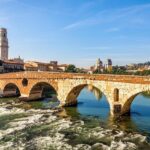
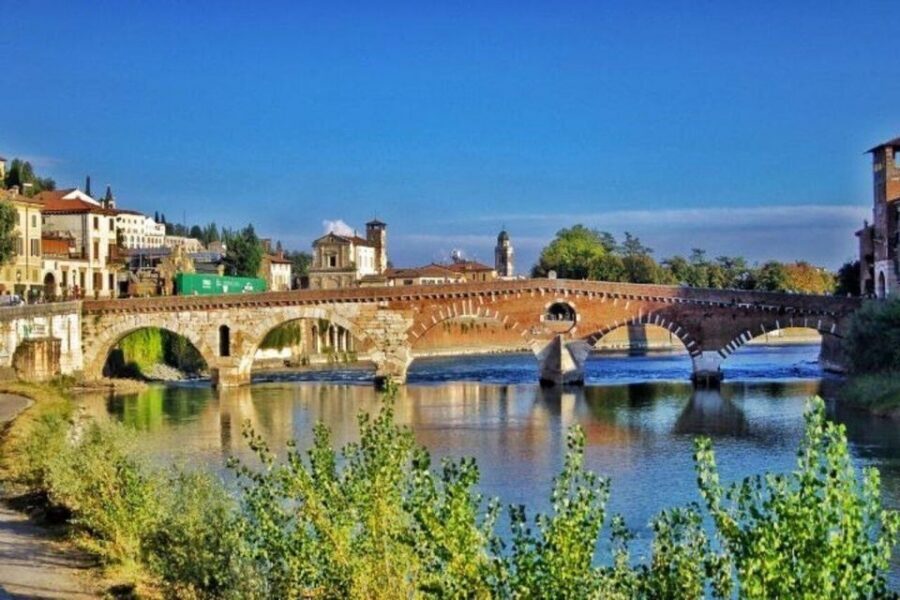
- Pont(e) scenes and riverside rhythm: Ponte Pietra and Riva San Lorenzo
- Casa di Romeo and Juliet’s balcony area: Shakespeare with street-level context
- The Scaligero area and the old market courtyard: what to notice beyond the postcard
- How the guide turns a 2-hour walk into a whole-day plan
- Price, time, and what you should budget for
- Who this tour is best for
- Should you book this Verona highlights and smaller-known corners walk?
- FAQ
- How long is the Verona highlights and smaller-known corners walking tour?
- How much does the tour cost?
- Is this tour private or shared?
- Where is the meeting point?
- What languages are available for the guide?
- Are entry tickets included for attractions?
- Is the tour wheelchair accessible?
Quick highlights I’d aim for
- Piazza Bra start that sets you up for the whole walk without guesswork
- Verona Arena and the medieval wall route for clear city-to-era context
- Piazza delle Erbe and Piazza dei Signori where the sights come with real atmosphere
- Santa Anastasia as the biggest church stop in the old town
- Casa di Romeo and the Juliet balcony area for Shakespeare-fueled pop culture with context
- Guide advice you can use immediately for the rest of your Verona day
Piazza Bra to the Verona Arena: the route that makes Verona make sense
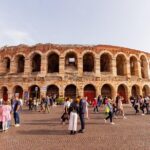
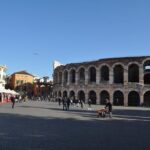
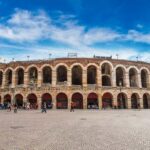
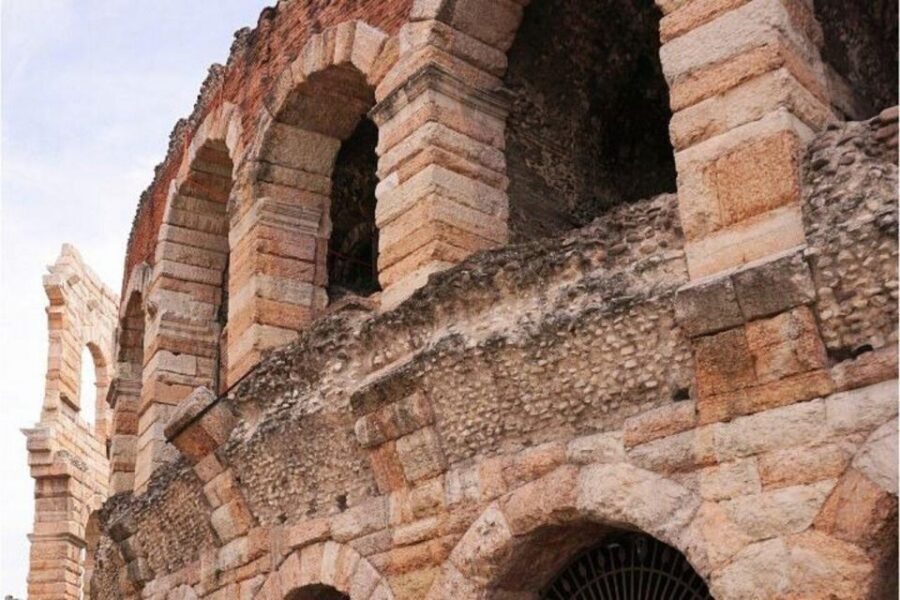
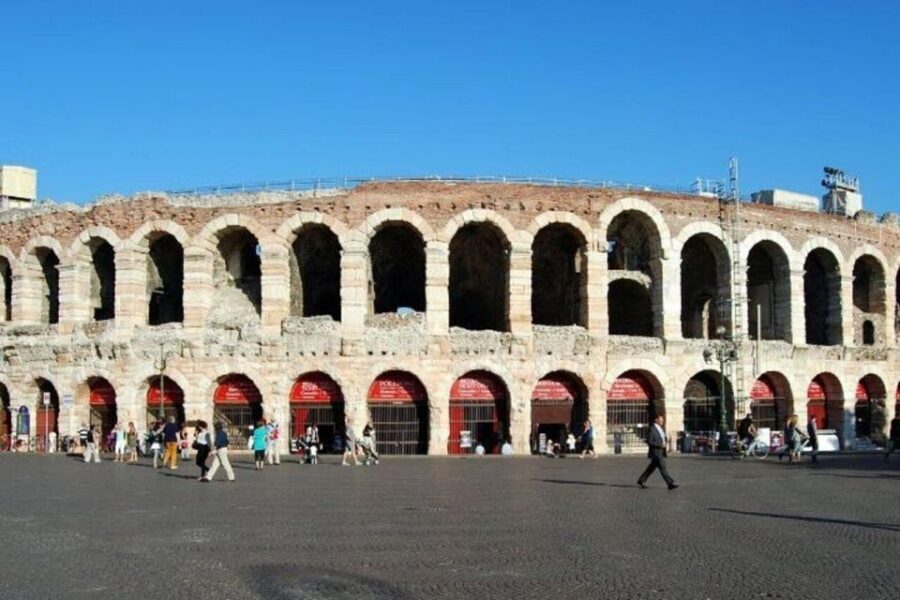
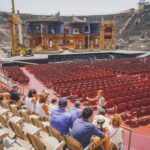
Most people arrive in Verona with a map and big hopes. This tour starts you in the right place—Piazza Bra—so you can orient yourself right away. From there, the walk moves you toward the Roman-era Verona Arena area. Even if you have no interest in buildings for their own sake, this first stretch helps your brain place Verona on the timeline: Roman scale here, medieval streets there, and little pockets of older Verona tucked into the modern city.
A useful detail is that the route includes views and passes that connect landmarks to each other. You’re not just hopping from photo stop to photo stop. You’re learning how the city is laid out, which matters a lot in a compact place like this. In practical terms, that means after the tour you’ll have a much easier time choosing where to wander on your own.
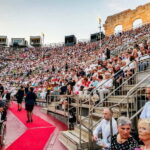
When you’re moving near the Arena, keep your expectations balanced. The Arena is the headline for a reason, but the best feeling comes from seeing how the surrounding streets “explain” it—where people walk, how the streets pinch and open, and how the view lines work as you go.
You can also read our reviews of more walking tours in Verona

Corso, porta approaches, and gate passes: Verona’s wall story
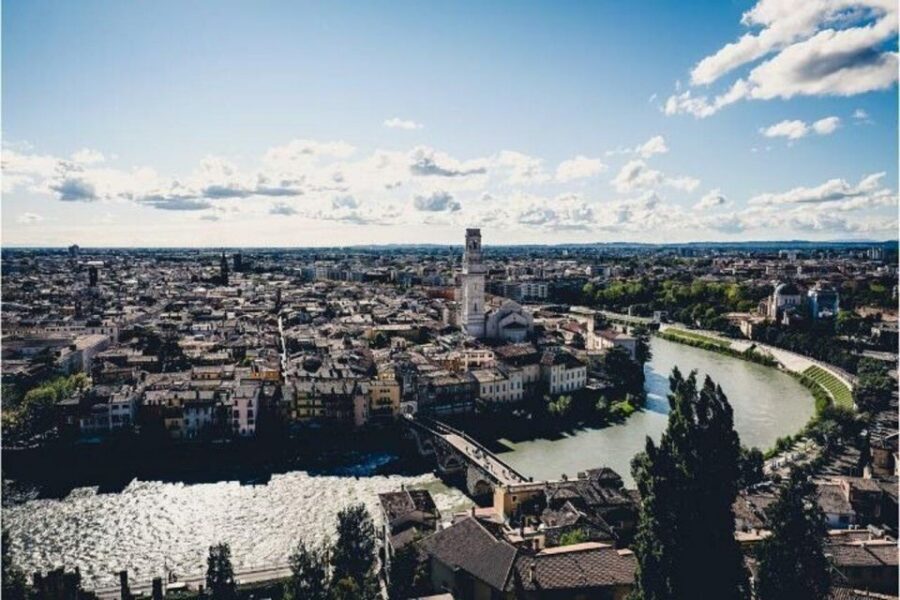
One of my favorite parts of a walking tour is when it explains the city’s structure, not just its objects. Here, you get a route that passes along the medieval city wall segment on Corso, including stops around Porta Jovia. There’s something satisfying about walking past gate locations and realizing they were built for defense, not for postcards.
This is also a good moment to slow down mentally. Walls and gates can sound like trivia, but they’re practical. They help you understand why the old town feels like a set of rooms connected by corridors. After this, you’ll recognize the shape of where you are, instead of feeling like you’re walking in circles.
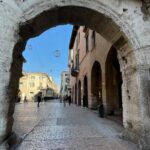
From the itinerary flow, you’ll then continue through other gate and street stops, including Porta Borsari. Porta Borsari is a classic Verona highlight for good reason: it’s the kind of structure that gives you instant “Oh, right, this city has deep layers” energy without needing a museum ticket.
The lively squares: Piazza delle Erbe and Piazza dei Signori
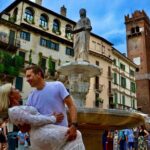
Verona’s big squares are not just empty stages. They’re where the city’s daily rhythm shows up. Piazza delle Erbe is one of those places. During this tour stop, you’ll get a guided look at the square’s bustle and importance in the old town. The key value is that you don’t just stand and take pictures. You get a reason to notice what’s around you—how the square functions, why it matters, and what to pair it with next.
Then comes Piazza dei Signori, another focal point that feels more “historic stage” and less “market hustle,” but still full of life. This is the part of the tour where you can relax a bit. You’ve done the first push of Roman and gate zones; now the city opens into social space. It’s also a smart time to ask your guide your personal questions, because the guide can tailor the rest of your day based on where you’re standing.
One small practical tip: these squares can be busy. Wear comfortable shoes and expect some crowd movement. But since this is a guided route, you’ll usually know where to stand to see what’s worth seeing rather than orbiting the busiest areas.
Santa Anastasia and the heart of old town worship
Basilica di Santa Anastasia is listed as the largest place of worship in the city, and that matters. When you visit a church on a walking tour, you often want two things: context and pacing. The tour gives you both. You’ll be in the old town center, and the stop is framed so the building feels tied to Verona rather than dropped in randomly.
This is also where your guide’s style matters. Many guides here focus on history through architectural clues and everyday usage. You’ll likely hear stories that help you read the church as part of the urban fabric—how people would have moved through these streets, how the church anchors the area, and what to look for when you glance around.
If you’re someone who usually skips church interiors, you might still find this one worth your time because it’s positioned as a core stop in the tour route. Still, remember: entry is not included. If you want inside access, check what you plan to see ahead of time.
Pont(e) scenes and riverside rhythm: Ponte Pietra and Riva San Lorenzo
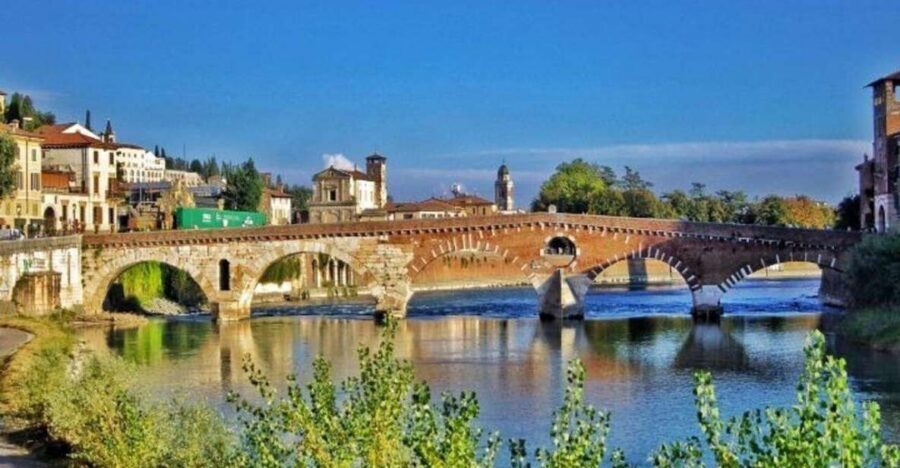
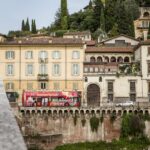
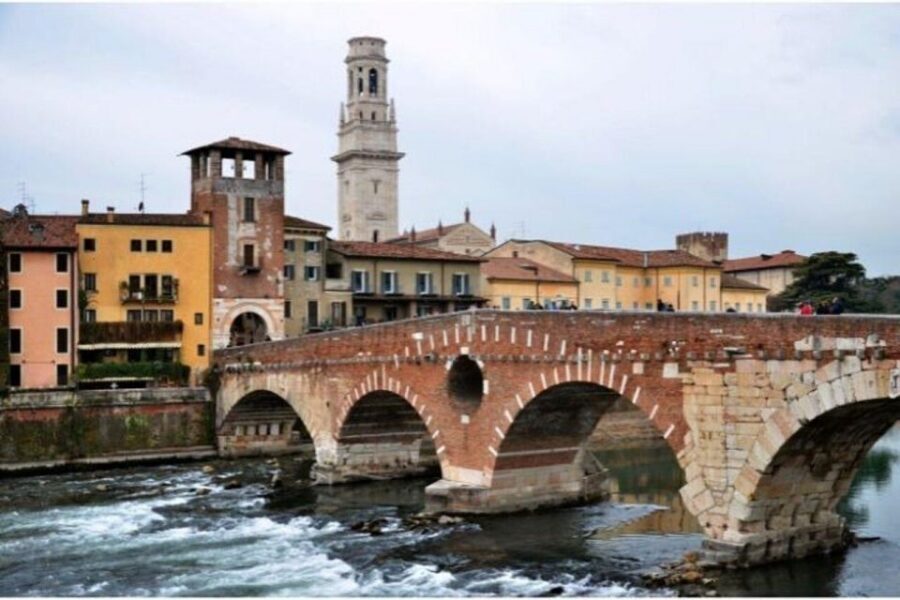
After squares and basilica time, the itinerary moves toward the river zone. You’ll pass through stops like Riva San Lorenzo and Ponte Pietra. This shift is smart. It gives you a change of pace from dense old town streets and lets the city’s layout show itself in a different way.
Ponte Pietra is a name you’ll hear because it’s tied to the river crossing experience. Even if you only catch views from street level, it’s valuable for orientation. You start to see how the city’s crossings connect areas and how the river shapes movement.
Riva San Lorenzo adds that “walkable Verona” feeling. This is often where you can feel what locals might do—pause, look, decide where to go next. If you’re traveling with limited time, using this part of the tour to ask for a good next neighborhood is a great move. You’ll already understand the major anchors, so your guide can recommend a route that flows naturally from where you are standing.
Casa di Romeo and Juliet’s balcony area: Shakespeare with street-level context
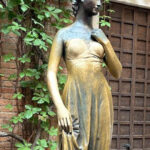
Yes, Verona sells the Romeo and Juliet story. But the value here is that the tour doesn’t treat it like a single photo moment. You visit Casa di Romeo and see Juliet’s balcony, described as the inspiration for Shakespeare’s famous work.
The best way to enjoy this stop is to think of it as cultural storytelling. You’ll get the connection between the landmark and the bigger literary myth without needing to be a Shakespeare scholar. It helps you place why these sites matter to Verona’s identity today.
One reality check: because it’s famous, it can feel crowded or fast-paced depending on the day. That’s why a guided walk helps. You’ll typically get the key points without wasting time hunting for what to look at.
If you’re the type who loves pop culture landmarks but hates tourist chaos, you’ll still likely enjoy this stop—just pace your expectations. Make it about context and atmosphere, not about getting the perfect quiet view.
The Scaligero area and the old market courtyard: what to notice beyond the postcard
After the Romeo and Juliet portion, the walk continues into areas like Arche Scaligere and the courtyard of the old market. This part of the route is where you start feeling the tour’s “smaller-known corner” value—more of Verona’s grounded old town than its loudest highlights.
Arche Scaligere is a name that signals Verona’s ruling family story. Even if you only pick up the basics from your guide, it helps you understand why certain monuments show up in your walk. They’re not random; they’re part of how the city remembers itself.
Then you reach the Courtyard Of The Old Market. This is the kind of stop that makes walking tours worth it because it’s the sort of place you’d likely pass by without guidance. Courtyards like this create a different Verona mood. Instead of grand frontage, you get an inner space that feels older and more human-scaled.
If you like architecture and street-level texture, this is where you’ll feel satisfied. If you’re strictly chase-the-top-ten, this section might feel slightly less dramatic—but it’s exactly what makes the walk feel like you learned the city, not just visited it.
How the guide turns a 2-hour walk into a whole-day plan
A walking tour is only as good as what you do after it. The big theme in the guide feedback is that they don’t just show you sights. They help you make decisions.
I paid attention to guide patterns from the experience details you provided—things like Graziano working with a late start due to a canceled train, then tailoring the tour to what people actually cared about. That kind of flexibility matters. Verona is easy to mess up when you’re short on time. If your schedule shifts, a guide who can adjust the route so you still hit the right priorities is worth real money.
You’ll also benefit from guide recommendations for food and next steps. Several guides are noted for sending dinner or meal ideas afterward and, in one case, guiding someone directly to a lunch reservation. That’s the practical side of a great tour: it saves you from wandering around hungry and guessing.
Also, if you’re arriving with specific interests—history, architecture, photo stops, or just good views—your guide can steer the conversation. That’s a difference you feel right away because you stop feeling like you’re being dragged through a script and start feeling like you’re being coached through Verona.
Price, time, and what you should budget for
At $38 per person for a 2-hour walking tour, the value comes from the coverage. In a short window, you get a route that links major anchors—Verona Arena, Piazza delle Erbe, Piazza dei Signori, Basilica di Santa Anastasia, Casa di Romeo—and several “supporting cast” stops like Porta Borsari, Ponte Pietra, and Arche Scaligere.
But keep your budget honest: entry tickets are not included. So even though the tour itself is a fixed price, your total Verona day cost depends on what you decide to enter. If you’re the type who likes doing interiors, add that to your planning. If you’re happy with exterior views, you can likely keep things simple.
Time-wise, 2 hours is a good first-visit investment. You’ll walk enough to get your bearings, but you won’t be stuck on a schedule all day. That makes it a strong match for long weekends and travelers who want to keep the rest of the day open.
Who this tour is best for
This walk fits best if you:
- Want a first-touch introduction to Verona’s center without sorting through maps
- Like seeing major sights plus quieter pauses that help you understand the city’s layout
- Prefer a guided plan but still want to explore on your own afterward
- Are traveling in a small group or want the flexibility of a private option
If you love very deep museum-style research, you might find 2 hours a little short. But if you want a useful overview with practical direction, this is a smart use of time.
Also note: the tour offers English, French, Italian, and Spanish guidance, and it’s wheelchair accessible. If you’re relying on accessibility support, it’s still wise to wear supportive shoes and move at a comfortable pace.
Should you book this Verona highlights and smaller-known corners walk?
I’d book it if you want a guided route that gives you a Verona roadmap in just 2 hours—Arena, major squares, Santa Anastasia, the Romeo and Juliet sights, plus extra stops that add character. The guide-led flexibility you see in examples like Graziano adjusting for delays and other guides adapting for people’s interests is a good sign that the tour isn’t rigid.
I would skip or adjust expectations if you already know Verona well and don’t need orientation, or if you’re committed to interior visits and want to bundle ticket planning tightly yourself.
If you’re making your first serious plan in Verona, this tour is a solid starting move. It’s not just sightseeing. It’s a shortcut to understanding where to go next.
FAQ
How long is the Verona highlights and smaller-known corners walking tour?
The tour lasts 2 hours.
How much does the tour cost?
The price is $38 per person.
Is this tour private or shared?
You can choose either a private tour or a shared group tour.
Where is the meeting point?
The meeting point may vary depending on the option booked, with starting location options including Via Roma, 80 and Via Dietro Listone, 1, and the tour also has a meeting point at Piazza Bra.
What languages are available for the guide?
The guide is available in English, French, Italian, and Spanish.
Are entry tickets included for attractions?
No. Entry tickets are not included.
Is the tour wheelchair accessible?
Yes, the tour is wheelchair accessible.