Verona makes sense on foot. This 2-hour walking tour strings together Roman, medieval, and Romeo-and-Juliet landmarks with a real guide who helps you connect the dots fast. I especially like the story-first guiding style I’ve seen from guides such as Sara, Graziano, Maria, Elettra, and Constanza.
I also love the smart mix of major stops and quieter streets, so you’re not stuck only on the famous photo spots. Expect viewpoints like the Adige river promenade and side alleys such as Vicolo del Guasto, plus big sights like Arena di Verona from the outside. One possible drawback: this is a city tour, not a “go inside everything” experience, so you’ll likely want extra tickets if interiors are your priority.
In This Review
- Why This Verona Walk Works So Well
- 14 Stops, One Simple Route: What You’ll See
- Piazza Bra: Your Verona Launch Pad
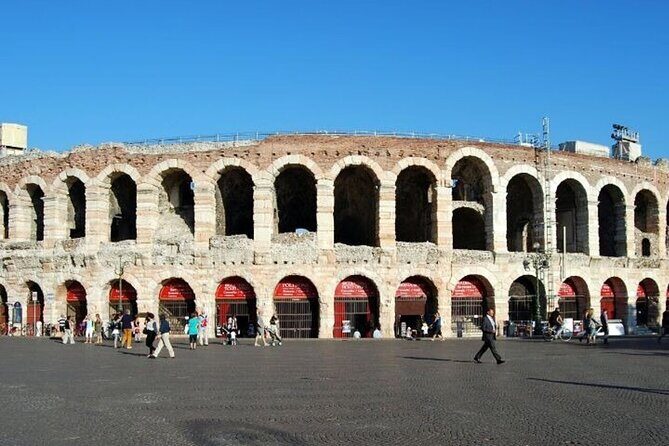
- Arena di Verona: Roman Scale Without the Rush
- Vicolo del Guasto: A Tight Alley That Resets Your Day
- Porta Borsari: Roman City Gate Power
- Riva San Lorenzo: Adige Views to Unclench Your Feet
- Chiesa di San Giovanni in Foro: Church Details You Can Spot
- Piazza delle Erbe: Market-Square Energy Without the Confusion
- Piazza dei Signori: Palaces, Monuments, and a Great Photo Angle
- Basilica di Santa Anastasia: Gothic Look From the Front
- Ponte Pietra: The Adige Bridge View You’ll Remember
- Romeo’s House (Casa di Romeo): The Famous Legend Part
- Arche Scaligere: Funerary Monuments That Feel Like Landmarks
- Price Value: What $37.77 Actually Buys You
- Who Should Book This Verona Highlights & Hidden Corners Walk
- Should You Book This Walk?
- FAQ
- How long is the Verona Highlights & Hidden Gems Walking Tour?
- Is the tour private or can it include other people?
- What languages are available for the guide?
- Where is the tour meeting point?
- Is entry to monuments included?
- Does the tour include food or drinks?
- Do I need to pay for public transport to join the tour?
- How do I get the ticket?
- What’s the cancellation policy?
Why This Verona Walk Works So Well
This tour is built for orientation. You’ll start at the broad, easy-to-find center around Piazza Bra, then gradually move through the Roman bones of Verona, the medieval core, and the spots people associate with Romeo and Juliet. The route also gives your feet a break when the streets widen into squares and riverside walks.
The guides are a huge part of the value. In the best moments, your guide turns stone and street layouts into a simple story you can remember later while you wander on your own. And if you’re visiting for the first time, you’ll appreciate that the tour doesn’t just point at sights; it helps you understand why those places matter.
14 Stops, One Simple Route: What You’ll See
You’re covering about 2 hours on foot with frequent short stops—ideal for seeing a lot without feeling trapped in a long, slow museum pace. Many of the listed stops note free access to see the area from public space, but the wording also flags that you’re not doing interior monument tours as part of this walk.
Here’s how it flows, stop by stop, and what you should look for at each one.
You can also read our reviews of more walking tours in Verona

Piazza Bra: Your Verona Launch Pad
You begin in Piazza Bra, Verona’s main square. It’s a great starting point because the buildings frame the space and you quickly get a sense of the city’s “center of gravity.” It also puts you in position to spot the Arena area right away.
What I like about starting here: it gives you an easy mental map. Even if your day gets split by rain, crowds, or later wandering, you’ll know where you are relative to the biggest landmark.
Practical tip: have your phone camera ready, but don’t spend the entire square shooting. Take 30 seconds to glance up at the surrounding architecture—your guide’s story will start making more sense immediately.
Arena di Verona: Roman Scale Without the Rush
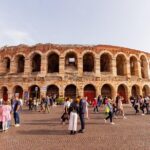
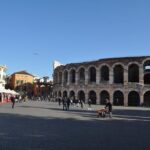
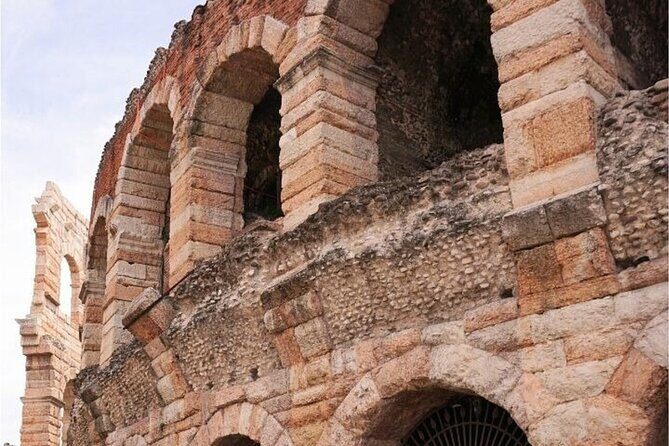
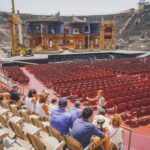
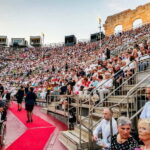
Next you head to the Arena di Verona. Even if you don’t go inside, standing near this ancient amphitheater gives you perspective on Verona’s Roman-era ambitions. It’s the kind of structure that changes how you see the rest of the city, because it feels both monumental and oddly personal—like it’s always been there.
A good guide will point out that this isn’t just a leftover building. It used to host major events long ago, and today it’s still a symbol of Verona’s identity.
What to watch for: from the outside, look at how the massing and entrances align with the street grid around it. That alignment explains a lot about why later medieval streets grew the way they did.
Vicolo del Guasto: A Tight Alley That Resets Your Day
Then comes a slower, human-scale moment: Vicolo del Guasto. This is the kind of street that’s easy to miss on your own because it’s narrow and not “named big.” In a good walking tour, this stop functions like a palate cleanser between the major sights.
You’ll see historic buildings and small storefront vibes—perfect for noticing how daily life and old Verona share the same space. And because it’s short, you’re not losing time to a side detour that leads nowhere.
If you like photos: angle your shots so you include the street lines stretching toward the far end. The alley feel is part of the charm, not just the walls.
Porta Borsari: Roman City Gate Power
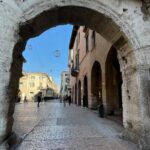
At Porta Borsari, you get one of the strongest “this is old” moments of the walk. It’s a Roman gate—an entrance that once functioned as a boundary and a statement. The architecture hits because it’s straightforward: stone work, proportions, and a sense of purpose.
This is a key stop if you enjoy tracing how Roman Verona transitioned into the later city you see today. Even if you’re not a history buff, the gate helps your brain understand Verona’s layout.
Practical tip: pause here a little longer than you think you need. The gate is best when you can step back and take in the full shape, not just a close-up.
Riva San Lorenzo: Adige Views to Unclench Your Feet
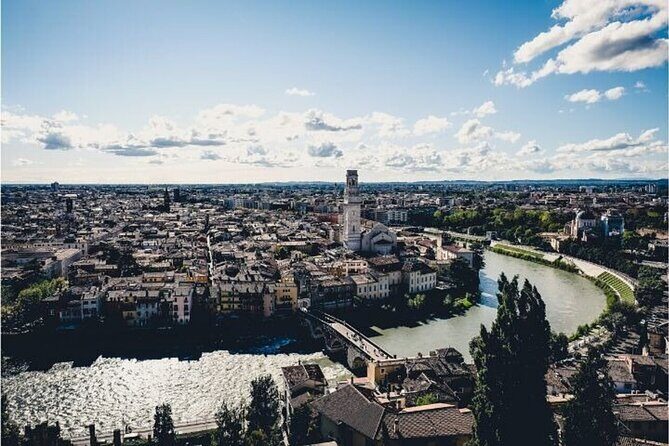
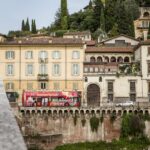
Next is a scenic breath: Riva San Lorenzo along the river Adige. This riverside promenade gives you breathing room after the more architectural stops. Even if you’re only there briefly, the views help Verona feel bigger and calmer.
This stop is valuable because it changes your walking rhythm. It’s also a good moment to check your bearings: if you still feel curious about something you saw, you’ll remember it when you’re back in the squares later.
What to do: stand where you can see both the river and the buildings beyond. Then let your guide’s explanation anchor the view.
Chiesa di San Giovanni in Foro: Church Details You Can Spot
You’ll visit Chiesa di San Giovanni in Foro. Churches here are often about more than worship—they’re about design choices that reflect how people wanted to feel inside. This stop highlights architecture and details, and it’s a strong “mid-walk” checkpoint to reset your attention.
Because this is a city tour and not an interiors-only plan, focus on what you can see clearly from the outside or in accessible areas. The guide’s job is to help you notice features your eye might otherwise skip.
If it’s raining: churches can still be worth the pause because you’re not fighting the weather with constant movement. Just bring a hood or compact umbrella if you’re visiting in changeable months.
Piazza delle Erbe: Market-Square Energy Without the Confusion
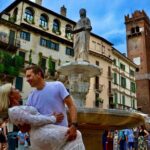
Then you reach Piazza delle Erbe, one of Verona’s best-known market squares. This is where the city feels most “alive,” with stalls, food smells, and a layout built for people to gather and linger. It’s also a place where your guide can explain how the area fits into Verona’s social life.
I like that you get a historic square with a practical, everyday function. You’re not just sightseeing—you’re seeing a space that still works.
What to watch for: take a slow look at the edges of the square. The buildings around it often tell you more about the timeline of the center than the middle does.
Piazza dei Signori: Palaces, Monuments, and a Great Photo Angle
From there you move to Piazza dei Signori, another historic square with palaces and monuments nearby. This stop adds gravitas—less “market day” and more “power and ceremony.” It’s a great pairing after Piazza delle Erbe because it shows another side of the same neighborhood.
If you’re into architecture, look for how the square frames views toward major buildings. Squares like this are designed to control sight lines.
Photo note: stand back. Close-up photos of details are fine, but the square’s scale matters.
Basilica di Santa Anastasia: Gothic Look From the Front
Next is Basilica di Santa Anastasia, known for Gothic architecture. Even if you aren’t going in for a long visit, you can still appreciate the façade and the overall design language. Your guide will help you connect what you see to the time period and why this style spread.
This is also a strong stop for anyone who likes art history but doesn’t want a full museum day.
Practical tip: if you have time after the tour, you can decide whether you want to return for a longer look inside. This walk gives you the why; you can choose the how much later.
Ponte Pietra: The Adige Bridge View You’ll Remember
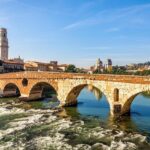
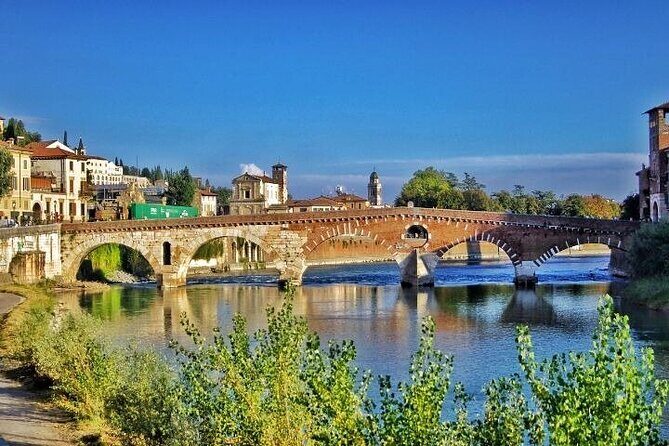
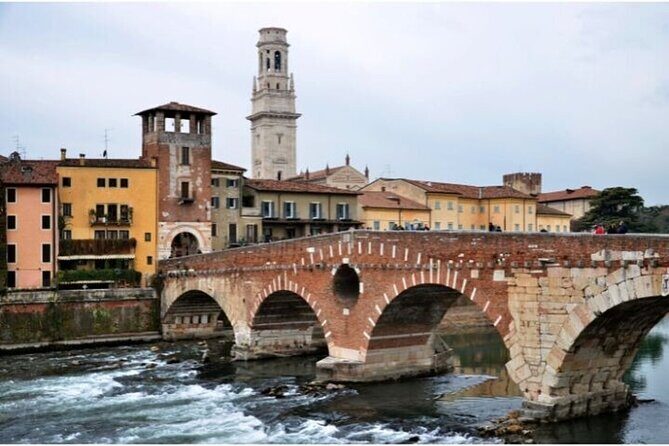
You finish the church-to-views stretch at Ponte Pietra, the ancient bridge over the Adige. This is one of those moments where Verona looks instantly more cinematic. From the bridge, the city’s geometry and the river work together, and it’s easier to understand why this area became important centuries ago.
Even a short crossing helps. You don’t need a long detour to get a great panorama—just the right moment and a guided narrative.
What to do: take a breath here. It’s an ideal spot for a quick snack later in the day, too, since you’re moving toward the tour’s final clusters of landmarks.
Romeo’s House (Casa di Romeo): The Famous Legend Part
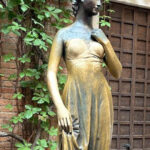
Then you reach Casa di Romeo, traditionally associated with Shakespeare’s lovers. Whether you’re a diehard Romeo and Juliet fan or you just know the basics, this stop gives you the cultural punch of the legend. It also helps you see how literature and tourism shape the way cities market themselves.
Because this is a city walk, you’re likely seeing the landmark in a way that supports orientation, not a full staged experience.
If you’re on a day with big crowds: this stop is still worth it, but keep it moving. Spend your time on the story and the surrounding streets, not on trying to stare at one doorway for 30 minutes.
Arche Scaligere: Funerary Monuments That Feel Like Landmarks
You conclude at Arche Scaligere, Gothic-style funerary monuments tied to the Scaligeri family. This is a great way to end because it reframes the walk. You started with public life and entertainment; you end with how power was remembered.
It’s also the kind of stop where the guide’s explanations can stick. The design isn’t random. It’s part of how rulers wanted their legacy to be seen.
After that, you end in the Courtyard of the Old Market area and return back to the meeting point.
Price Value: What $37.77 Actually Buys You
At $37.77 per person for about 2 hours, you’re paying for three things: (1) a route that hits key Verona areas fast, (2) a live guide in the language you choose, and (3) help with booking tickets for desired visits.
This matters because Verona can feel overwhelming. You may love wandering, but you’ll also want a starting point that makes your later independent exploration smarter. A guide who helps you prioritize is often worth more than the price difference between “cheap” and “organized.”
A few things to keep straight:
- The tour is private or small group, and it’s not a tour inside monuments. You’ll see sights, but the long interior experiences aren’t included as part of this walk.
- Many stops indicate free admission tickets for the areas you visit, but entry to monuments and museums is not included.
- Tips, food, drinks, and transportation are not included.
Language and guide style: it’s offered with guides speaking English, Spanish, French, German, or Italian. And in the experiences tied to guides like Sara, Graziano, Maria, and Elettra, the common thread is energy plus clear explanations—so you come away understanding what you saw, not just that you saw it.
Who Should Book This Verona Highlights & Hidden Corners Walk
This tour fits best if you:
- Want a first-time Verona foundation without committing to a half-day inside museums.
- Like history explained in plain language with street-level context.
- Prefer walking through real neighborhoods and squares, not only “stand behind a fence” attractions.
It’s also a smart choice if you’re short on time. Two hours is long enough to feel like you did something meaningful, but not so long that it dominates your whole day.
One consideration: it’s a walking experience, so plan for comfortable shoes and a little flexibility in your schedule if it’s hot or wet.
Should You Book This Walk?
Yes, if you want a guided route that gives you Verona’s main threads in a practical way—Roman gate and amphitheater, river views, big squares, and the Romeo-and-Juliet cultural landmarks—without forcing you into indoor monument tickets.
Skip it or adjust expectations if your top priority is long interior access and museum-style time inside monuments. This is about seeing, understanding, and orienting. After the walk, you’ll be in a much better position to choose what to revisit on your own.
If you’re traveling soon, also consider that it’s commonly booked about 41 days in advance. That popularity is a clue: it’s an easy way to get your footing in the city fast.
FAQ
How long is the Verona Highlights & Hidden Gems Walking Tour?
It lasts about 2 hours.
Is the tour private or can it include other people?
It’s offered as private or small group, and it’s described as a private activity where only your group participates. For the group option, a minimum of 2 participants is required.
What languages are available for the guide?
Guides speak English, Spanish, French, German, and Italian.
Where is the tour meeting point?
It meets at Via Dietro Listone, 1, 37100 Verona VR, Italy.
Is entry to monuments included?
Entry to monuments and museums is not included. The listed stops are free to visit in the sense of viewing the areas, but you should expect this to be a city-walking tour rather than an interior tour.
Does the tour include food or drinks?
No. Drink and food are not included.
Do I need to pay for public transport to join the tour?
Transportation isn’t included. If you use public transport, that cost is on you.
How do I get the ticket?
You’ll receive a mobile ticket.
What’s the cancellation policy?
You can cancel for a full refund up to 24 hours before the experience starts. Less than 24 hours before means no refund.