REVIEW · VERONA
Verona Scavenger Hunt and Highlights Self Guided Tour
Book on Viator →Operated by World City Trail - Verona · Bookable on Viator
Verona turns into a game in two hours. This self-guided tour uses the World City Trail app to guide you from the Arena area through Verona’s big-name sights, with 10 attractions handled via outdoor puzzles instead of a map. It’s private for your group, so you can move at a speed that actually fits your day.
I love how it gets you walking the right streets without feeling like a chore. You solve a riddle at each stop, then you get useful context as you look around. I also like the built-in flexibility: you can pause for coffee or lunch and keep going later, which is huge when you’re traveling with kids or you just want to linger.
One caution: the first clue can feel slightly confusing at the start. Go in with your phone fully charged, open the app before you begin, and if you can, bring a second device so nobody has to wait while one person rereads.
In This Review
- Key points to know before you go
- How the Verona scavenger hunt actually works (and why it’s good value)
- Starting at Arena di Verona: get your bearings fast
- Porta Borsari: why this city-wall gateway is worth the detour
- Romeo & Juliet at Opera in Love: Verona’s playful legend, on your terms
- Piazza dei Signori: the stop that helps you slow down
- Basilica di Santa Anastasia: turn a church stop into a real observation moment
- Bridges time: Ponte Pietra and Ponte della Vittoria
- Castelvecchio museum area: the reward stops where you can linger
- Price, timing, and planning: making the most of two hours
- Tips to avoid the most common problems
- Who should book this Verona scavenger hunt
- Should you book it?
- FAQ
- Where does the Verona scavenger hunt start and end?
- How long does the experience take?
- Is there an entrance fee for the attractions?
- What do I need to participate?
- Can I pause and continue later?
- What languages is the tour offered in?
- Can I cancel for free?
Key points to know before you go
- Riddle-by-riddle route across Verona’s main outdoor sights, no map-wrangling needed
- No entrance fees since the puzzles focus on the outdoor areas of each attraction
- Pause and resume whenever you want, including breaks for coffee, lunch, or a museum visit
- Works as a group activity with friends or family, with the option to skip stages and jump back in
- Long daily availability (7:00 AM to 11:30 PM in 2026) so you can pick the time that suits your pace
How the Verona scavenger hunt actually works (and why it’s good value)
This isn’t a guided bus tour. It’s a self-guided scavenger hunt where your phone becomes the clue sheet and the tour narrator. You’ll walk to a set of major Verona highlights, and at each one you solve a location-based riddle. Once you answer, you get info that helps you notice what matters—so you’re not just taking photos while guessing what you’re looking at.
The value is the combo of two things: the low price and the “no extra tickets” setup. You pay $7.83 per person for about 2 hours, and the puzzles are designed so you don’t need to enter the monuments. That means you can spend less time and money on admission lines and more time doing the part you actually came for: seeing Verona up close.
It also fits real travel life. The route can be done in one go if you’re in a hurry, but you can also slow down. You can pause for a coffee or lunch, and if you feel like stepping into a museum, you can do that and then continue when you’re ready. For families, this style is especially helpful because the puzzles give kids a reason to pay attention as you walk from stop to stop.
One practical tip: download and prep your phone first. The tour relies on the app-navigation self-guided tour model using the World City Trail app and a mobile ticket. If your battery is low or your screen is crackly, your fun goes down fast.
You can also read our reviews of more guided tours in Verona
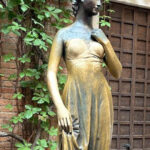
Starting at Arena di Verona: get your bearings fast
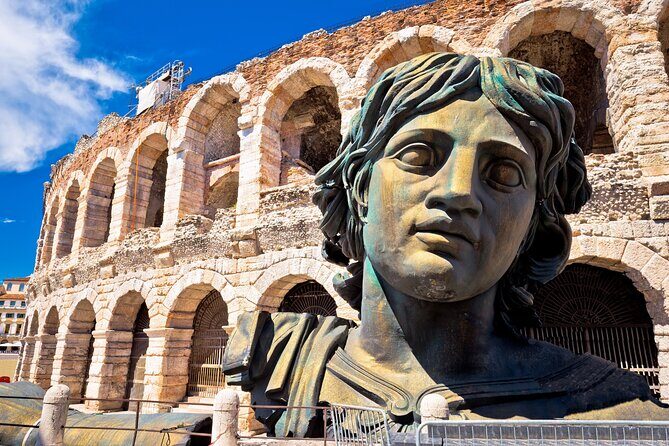
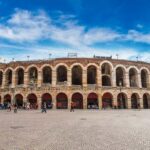
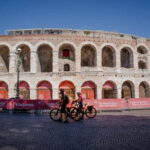
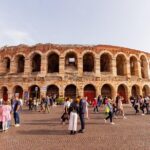
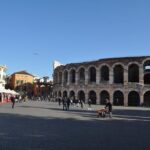
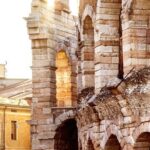
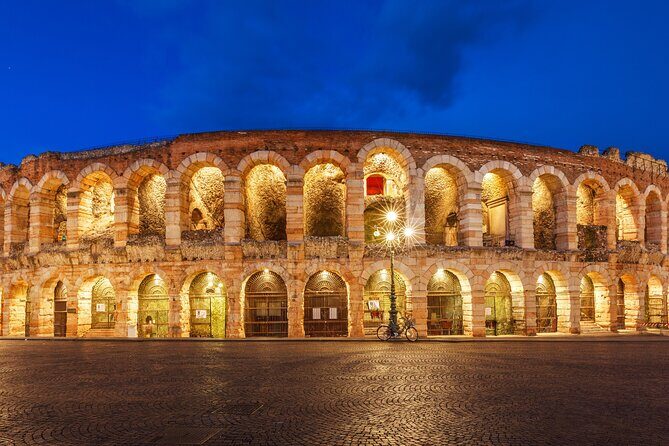
You begin at Arena di Verona, Piazza Bra, 1, 37121 Verona VR. This is a strong starting point because the Arena area is central, recognizable, and easy to find compared with some “meet me by a fountain” setups.
The first stop matters, because you’re essentially learning the game’s rhythm. You’ll be solving your first riddle right in the public space around the Arena. If you’re the type who wants clear instructions before moving, you may find the first clue a bit unclear at first glance—one of the main frustrations people note. The fix is simple: take 2 minutes to read carefully, check you’re at the right spot, and try again. Once you understand the pattern, the rest usually feels smoother.
Timing-wise, you can do this early or late. In 2026, the activity runs daily from 7:00 AM to 11:30 PM, so you can match it to your energy and your other plans. If you want the city to feel calmer, start closer to morning. If your goal is an evening stroll with fewer logistics in the day, the later hours work too.
What to do right at the beginning:
- Stand in place and look around before you type in anything.
- Keep the phone brightness up so you can read outdoors.
- Consider splitting tasks: one person reads the clue, another checks you’re at the correct viewpoint.
Porta Borsari: why this city-wall gateway is worth the detour
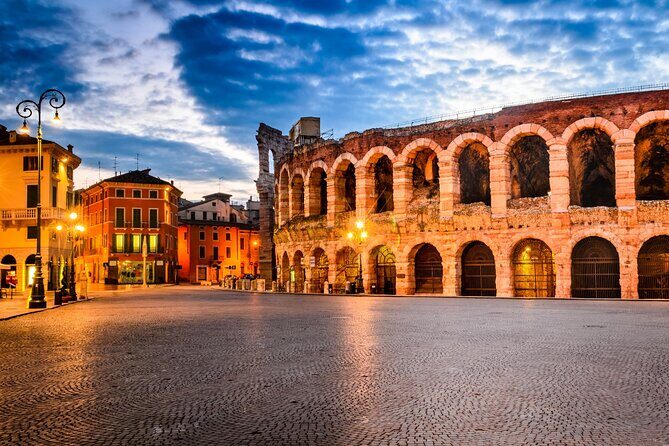
Next up is Porta Borsari, a World Heritage Site. This is where Verona starts showing its layered self: Roman-era bones under a lively modern street scene. When puzzles are tied to outdoor details, you tend to look more closely than you would on a casual walk.
Here’s what makes this stop smart for a self-guided hunt. Porta Borsari isn’t just a photo spot. It’s a moment to slow down and notice how the city’s past still shapes the streets around you. The riddle style pushes you to find specific features, so you walk away with a clearer mental picture of what you just saw—without needing a guide standing next to you.
A potential drawback is that outdoor puzzle spots can be a little crowded depending on the hour. You don’t need to rush the answer, though. If people are blocking your view, step back, wait for a clear line, and take the question at your own pace. The game is designed for breaks, not sprinting.
Romeo & Juliet at Opera in Love: Verona’s playful legend, on your terms
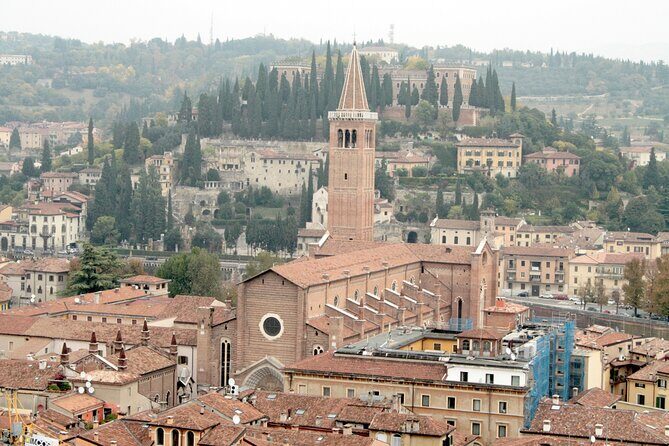
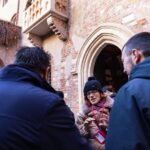
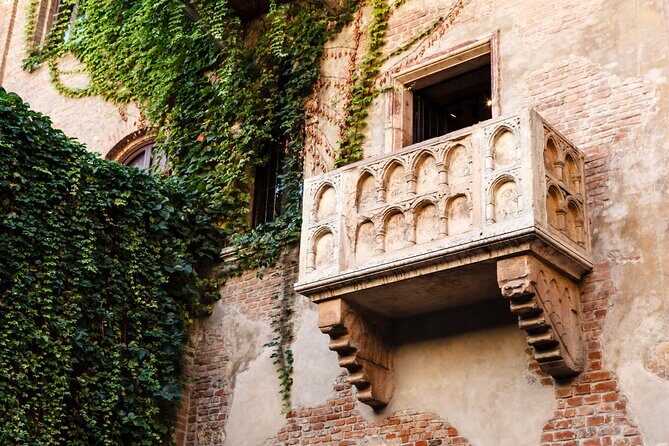
Stop 3 is Opera in Love, tied to the Romeo & Juliet storyline that Verona is famous for. Even if you’re not a Shakespeare superfan, this stop is good because it’s a checkpoint where people expect romance themes—so the riddle turns the “legend” into something you can actually connect to the street scene in front of you.
The upside of doing it in a scavenger hunt format is that you’re not relying only on hearsay. You’re looking, answering, and then getting city-related info that helps explain why this corner matters. Also, since you can pause and continue later, you can linger for the details without feeling like you’re falling behind a schedule.
If you’re traveling with teens who usually hate “walking tours,” this is often where they stop complaining. The puzzle format keeps the experience moving, and the Romeo & Juliet association gives it built-in curiosity.
Piazza dei Signori: the stop that helps you slow down
Then you reach Piazza dei Signori. This is one of those central squares where Verona’s public life shows itself—open space, strong architecture, and plenty of corners to sit for a minute. In a scavenger hunt, this kind of square stop is perfect because it gives you a natural break point. You can solve the riddle, stretch your legs, and decide if you want a quick cappuccino break.
Why this stop is valuable in the larger route: it breaks the walk into a more human rhythm. Instead of straight-line sightseeing, you get checkpoints. That’s especially helpful on a first visit, when you’re still figuring out which direction everything is.
Potential drawback: squares can attract crowds. If you’re sensitive to noise, bring a small break strategy—solve the clue, then step 5 minutes away from the densest area and reset.
You can also read our reviews of more tours and experiences in Verona


Basilica di Santa Anastasia: turn a church stop into a real observation moment
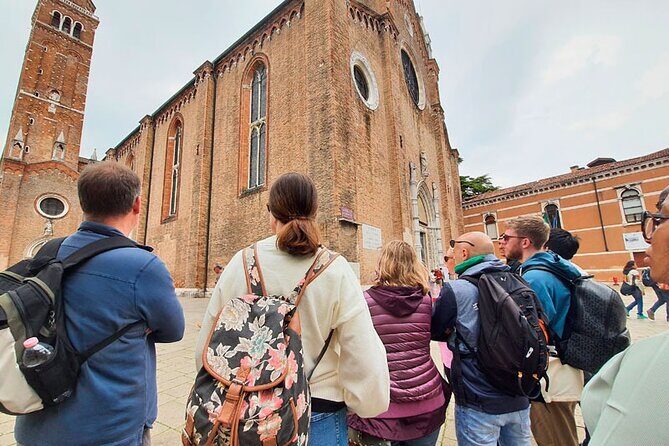
Stop 5 is Basilica di Santa Anastasia. Church exteriors can be a hard sell when you’re doing a rushed itinerary, but in this format, you’re basically asked to look for specific things. That changes the feel from I guess we should see this to I see why this matters.
Because the puzzles are tied to outdoor areas, you won’t need an entrance ticket to benefit from the experience. You can still choose to go in if you want, but the “must pay to understand” problem is handled. That makes it a lower-friction experience for your budget and your time.
What I like here is that the riddle approach turns “standing in front of a big building” into active noticing. Even if you’re not a detailed architecture person, you’ll pick up context faster because the app gives you a reason to focus.
Bridges time: Ponte Pietra and Ponte della Vittoria
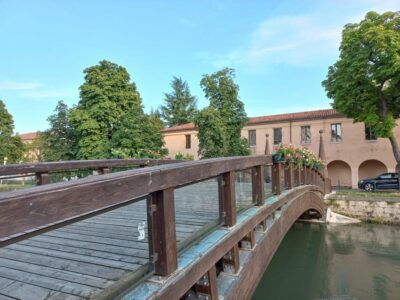
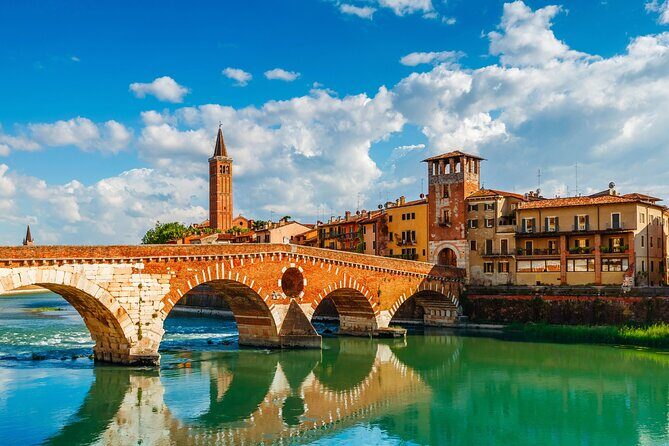
You’ll cross Ponte Pietra (stop 6) and later Ponte della Vittoria (stop 7). Bridges are made for scavenger hunts because they naturally frame views. You stand at a particular spot, look across, then look back. That makes the location-based riddle concept fit perfectly.
Ponte Pietra is often where you get a classic river-and-stones Verona view. Ponte della Vittoria feels different—more of a viewpoint stop. In practice, these bridge segments help you understand how the city’s topography shapes the experience. You get your bearings not by reading a map, but by using line-of-sight landmarks.
Practical advice: if the weather is hot, bridges are where you’ll notice the sun. Plan your water and consider a shorter break after each bridge riddle. If it’s chilly, bridges are also where wind tends to show up. You’ll be happier if you dress for the walk between them, not just for your start time.
Castelvecchio museum area: the reward stops where you can linger
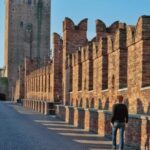
The last part centers on Museo di Castelvecchio (stop 8, and again listed as stop 9). Even though it’s shown twice, treat it as a larger Castelvecchio zone where you may have multiple puzzles and chances to look around more than once.
This is a strong finish because museum areas are where you can decide how deep you want to go. If you want to keep it outside-focused, you can do that and still complete the game. If you want more, you can stop for a museum visit since the activity is designed to let you pause and continue later.
How to use this final stretch well:
- Take your time solving the puzzles, then decide if you want extra time in the area.
- Keep your pace flexible. This is where you’ll either slow down because it’s interesting or push forward because you want dinner plans.
- If you’re traveling with kids, this kind of “there’s more here” finish can feel more rewarding than ending with one last street corner.
Price, timing, and planning: making the most of two hours
At $7.83 per person for about 2 hours, this is one of those travel deals that makes sense for a first visit. You’re paying for navigation guidance plus the game mechanics that force you to stop at meaningful places. And since entrance fees aren’t required for the activity, your budget doesn’t get hijacked by ticket lines you didn’t plan for.
Also, the format saves mental energy. You don’t have to wrestle with a map app to figure out “where do we go next.” That’s a big deal when you’re tired, jet-lagged, or trying to keep a group moving. The game route does the decision-making for you.
Booking-wise, it’s commonly booked about 7 days in advance. That doesn’t mean you must book a month ahead, but it does suggest popular time slots can fill. If you have a specific day and you want it done early in your trip, I’d plan ahead rather than waiting until the last minute.
Where it fits best in your Verona plan:
- Ideal as your first or second outing so you get a mental map of the city.
- Great for families because puzzles give structure and a reason to pay attention.
- Good for couples or small groups who want highlights without sitting through a long lecture.
Tips to avoid the most common problems
Here are the practical fixes that keep this kind of app tour fun instead of frustrating:
- Charge before you leave. A self-guided hunt lives or dies by battery life.
- Use the app in the right light. Screen visibility matters outside, especially in bright sun.
- Have a second phone if you’re a group. One person can read while the other checks you’re at the right point. That small friction reduction makes a big difference.
- Expect a slightly awkward start. If the first clue feels unclear, don’t spiral. Take your time and get the hang of the pattern.
- Plan for short breaks. The ability to pause for coffee or lunch is part of the design, not an afterthought.
Who should book this Verona scavenger hunt
You should book it if you want a low-cost, low-pressure way to see Verona’s key sights on your own terms. It’s especially good if you:
- want an activity that works for families and kids (puzzles keep things moving)
- prefer self-paced walking over rigid schedules
- like the idea of learning through on-the-spot questions rather than listening to a talk
You might skip it if you hate phone-based activities or you need constant human guidance. Since the tour is private and self-guided, you won’t have a guide standing there to clarify confusion instantly.
Should you book it?
If you’re doing Verona for the first time and you want to get oriented fast without a guided tour price tag, this scavenger hunt makes strong sense. The best reasons are practical: it’s affordable, it covers major outdoor highlights, and you can handle breaks without falling behind. The main downside is that the first clue can be a little confusing, so just start with a fully charged phone and give yourself a couple minutes to settle in.
FAQ
Where does the Verona scavenger hunt start and end?
The tour starts at Arena di Verona, Piazza Bra, 1, 37121 Verona VR, Italy, and it ends back at the same meeting point.
How long does the experience take?
The scavenger hunt lasts about 2 hours.
Is there an entrance fee for the attractions?
No. The activity does not require entrance fees, because every puzzle is related to the outdoor areas of the attractions.
What do I need to participate?
You’ll use an app-navigation self-guided tour and download the World City Trail app. You also receive a mobile ticket.
Can I pause and continue later?
Yes. You can pause at any time for coffee or lunch or to visit a museum, then continue later.
What languages is the tour offered in?
The tour is available in English, German, French, Dutch, Italian, and Spanish.
Can I cancel for free?
Yes. You can cancel for a full refund if you cancel at least 24 hours in advance of the experience’s start time.