REVIEW · PADUA
Cesarine: Small group Pasta and Tiramisu class in Padua
Book on Viator →Operated by Cesarine: Cooking Class · Bookable on Viator
Fresh pasta in a real Padua home. This small-group home kitchen experience is interesting because it turns iconic Italian comfort food into an easy, step-by-step practice session: you’ll learn how to roll and shape fresh pasta and then make tiramisu from scratch. Two things I like a lot are the rolling fresh pasta techniques you get in person and the hassle-free setup where key ingredients are already there. One consideration: the class runs on a set 3-hour window, so big last-minute schedule changes can be tough to sort out.
You’ll also appreciate that it’s capped at a max of 12 people, taught in English, and hosted in a carefully selected local home near public transportation. The whole experience ends back where it starts, so you’re not juggling complicated transit at the end of a busy day.
In This Review
- Key things that make this Padua class special
- Why this Padua cooking class feels like a real kitchen day
- Inside the start: meeting your Cesarine in Padua
- Making fresh pasta: the part you’ll remember
- Rolling dough without making a mess (or at least minimizing it)
- What you’ll do with flour and texture
- Cooking together: from hands-on shaping to eating
- Tiramisu: not just assembly, but structure
- The social side: learning Padua through a home kitchen
- Price and value: is $162.40 worth it?
- English comfort and how the class pace usually works
- Who should book the Padua pasta and tiramisu class
- Possible drawback to plan for
- Should you book this Cesarine class in Padua?
- FAQ
- How long is the Pasta and Tiramisu class in Padua?
- How big is the group?
- Is the class offered in English?
- Where does the experience start and end?
- When will I receive confirmation after booking?
- What is the cancellation policy?
Key things that make this Padua class special
- Hands-on fresh pasta skills you actually practice, not just watch
- Tiramisu techniques taught step by step, with ingredients provided
- A small group of up to 12 for real interaction with your Cesarina
- Local-home setting that feels like cooking with people who love food
- English instruction so you can follow along comfortably
Why this Padua cooking class feels like a real kitchen day
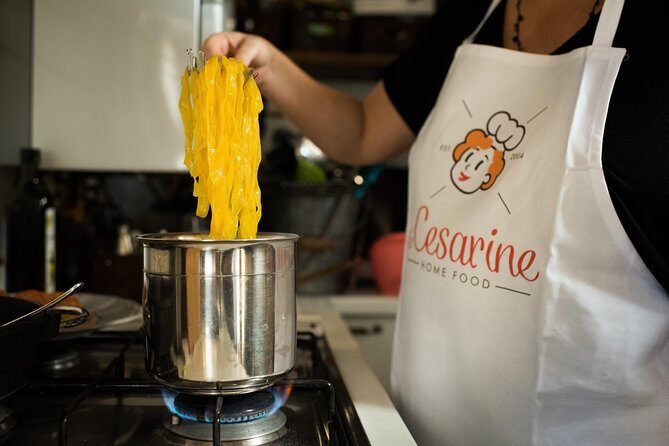
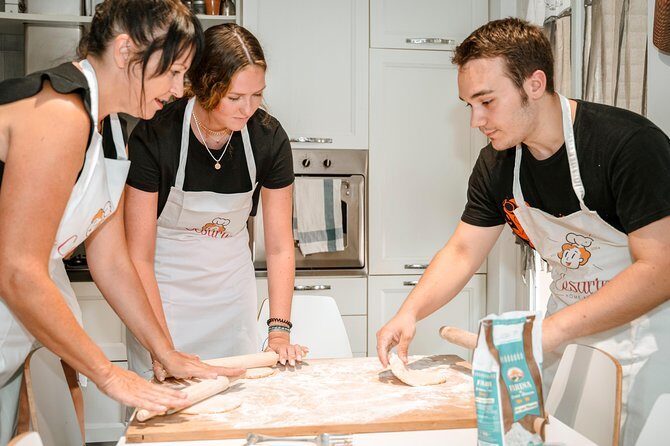
Padua has a lived-in feel, and this class matches it. Instead of a demo with plastic aprons and polite applause, you’re in a local home where cooking is part of everyday life. You’ll work at the counter, roll dough, shape pasta, and assemble dessert with clear guidance.
The core menu is simple and satisfying: fresh pasta (including two different pasta types) and tiramisu. That matters because it’s not just “Italian food.” It’s the skills behind two iconic dishes: pasta-making technique and the structure of a proper tiramisu.
If you like food you can recreate later, this is one of those experiences that turns into real kitchen confidence. And if you’re more of a social eater than a cook, the pace still gives you plenty of time to chat, taste, and learn.
You can also read our reviews of more tours and experiences in Padua
Inside the start: meeting your Cesarine in Padua
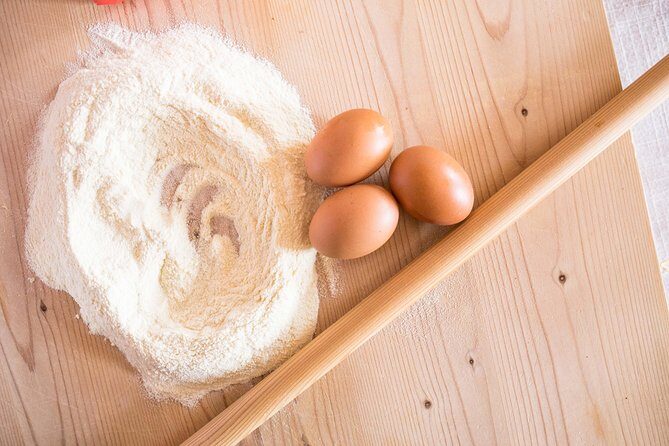
The class starts in Padua (Province of Padua, Italy). The end point is back at the same meeting point, which is a small thing that makes a big difference. When a cooking class finishes, you usually just want to walk away and keep your day simple—no marathon route back across town.
You’ll get a mobile ticket, and you receive confirmation at the time of booking. Since the activity is near public transportation, you’re not forced into complicated planning if you’re already moving around Padua.
What to expect right at the start is a warm welcome and quick setup. The host’s job is to get you comfortable in the kitchen fast: where to stand, how to hold tools, and what the next step is before you’re asked to do it yourself. Several hosts are named in the experience descriptions people share—Catia is one example—so you can assume the tone is personal and friendly rather than formal.
Making fresh pasta: the part you’ll remember
This class is built around doing the work yourself. You learn special techniques, including how to roll fresh pasta. That’s where the experience earns its keep. Dry store-bought pasta is easy. Fresh dough is different: flour choice, dough texture, and rolling pressure all affect the final bite.
You’ll make two different pasta types. The exact shapes can vary by session, but the skills you pick up are consistent: handling dough, rolling to the right thinness, and cutting or shaping in a way that holds sauce. In one commonly mentioned example, people work with tools like a traditional pasta press for bigoli-style shapes, which is the sort of detail you rarely see in casual cooking classes.
Rolling dough without making a mess (or at least minimizing it)
Fresh pasta dough tends to teach you quickly. If it’s too dry, it cracks. Too wet, it sticks. The host’s instruction helps you adjust in real time. You’ll usually get guidance on how to work the dough, how to manage the rolling process, and how to keep it moving from preparation to shaping without turning it into a sad flour ball.
This is also where the English instruction pays off. The guidance is step-by-step, so you’re not left guessing what to do next while everyone else already knows.
What you’ll do with flour and texture
One of the most useful lessons is understanding that not all dough behaves the same. You’ll learn about ingredients and technique choices that change the pasta’s feel. That includes practical comparisons like how different flours and mixing approaches affect dough elasticity and how it rolls.
If you’ve ever wondered why handmade pasta tastes different even when it looks similar, this is the answer in real time: texture is the whole game.






Cooking together: from hands-on shaping to eating
Once you shape the pasta, you move from technique to taste. Cooking time is part of the lesson, even if it isn’t the long, slow process of a restaurant kitchen. You’re there to make, cook, and then eat what you create.
This is also where you benefit from the small-group setup. With a maximum of 12 people, your Cesarina can adjust attention when someone’s dough is fighting back or when a tool needs a quick reset. That kind of feedback is hard to get in bigger groups where the host has to triage constantly.
And yes, you’ll eat. That’s the point. You don’t just leave with a recipe card and a vague memory of what went wrong. You taste the work of your hands while it’s still at its best.
Tiramisu: not just assembly, but structure
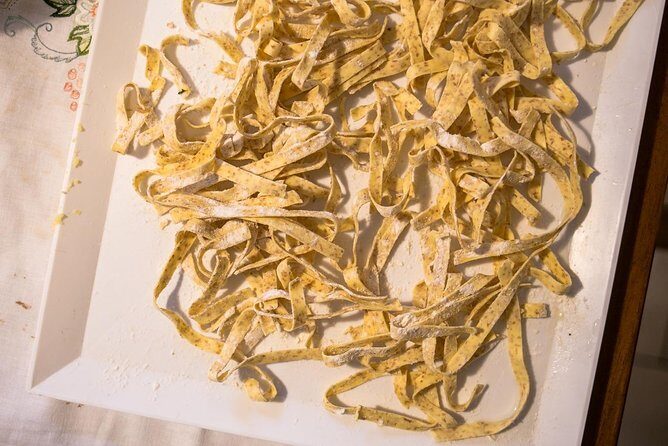
Tiramisu is deceptively simple: coffee, cream, and something crunchy. But the best versions have a balance that comes from the right technique. In this class, you’ll learn to make tiramisu and you’ll practice the method rather than just copying a final look.
The host teaches the secrets that make it set correctly and taste layered instead of soggy. That’s the difference between tiramisu that’s good and tiramisu that disappears fast.
A few extra touches show up depending on the host and season. Some people describe sipping wine during the experience and notes about seasonal ingredients. Even without overthinking it, the overall vibe is that food prep comes first, and then the meal turns into conversation.
The social side: learning Padua through a home kitchen
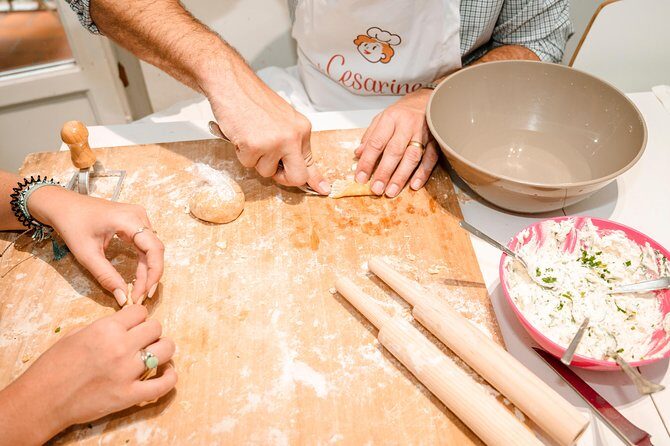
Cooking classes can become repetitive quickly: same script, same photos, same polite small talk. This one works differently because it happens in a home. The host welcomes you like part of the day, not like a ticket number.
The experience often includes short explanations that connect the food to local tradition. For example, hosts may share background on the dishes and even drop in suggestions for time in Padua beyond the kitchen.
That’s valuable because Padua isn’t just a backdrop for a meal. If your day includes sightseeing, you’ll come away with ideas that make your walking route better—like what to prioritize, when to go, and where your interests might fit.
Price and value: is $162.40 worth it?
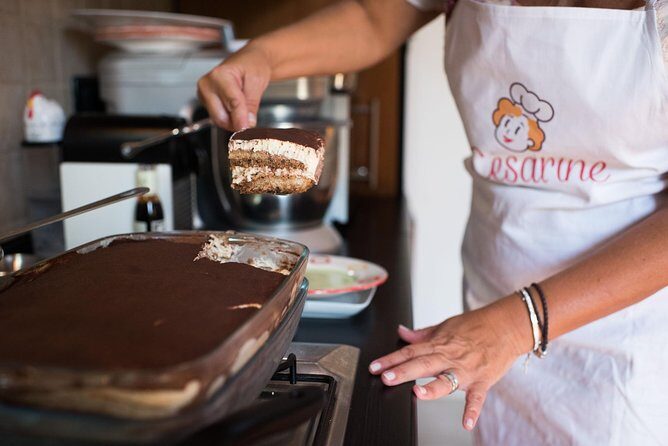
At $162.40 per person for about 3 hours, this class costs more than a casual group activity. The question is what you get for that money.
Here’s the value logic as I see it:
- You’re paying for instruction in a real kitchen, with step-by-step guidance for making fresh pasta and tiramisu.
- Ingredients are provided, which reduces friction and avoids the common problem of buying supplies you won’t use again.
- The group is capped at 12, so you get more direct attention than you would in a larger class.
- You finish with a full meal made by you: pasta you shape and dessert you assemble.
If you want a hands-on “skills + meal” experience, the price starts to make sense. If you mainly want entertainment or tasting only, you might prefer a cheaper food tour. But if you actually want to learn how to roll fresh pasta and build tiramisu, this is the kind of experience that can pay off for years in your own kitchen.
English comfort and how the class pace usually works
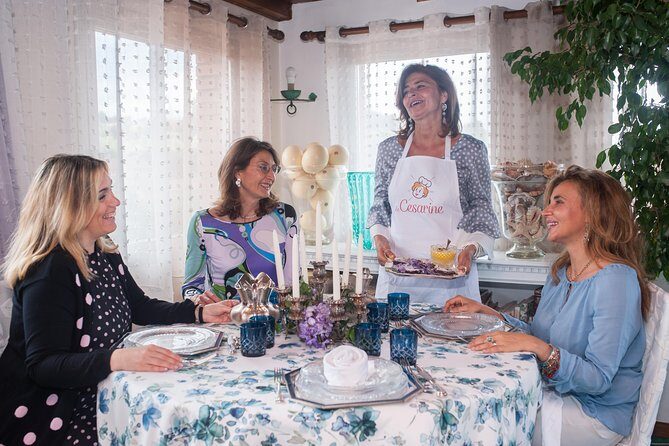
The class is offered in English, and it’s taught with clear, step-by-step direction. That’s important because pasta-making is physical. When you understand the steps, you can focus on your hands instead of the language.
The time structure is also built for steady progress. You’ll move through pasta prep, shaping, cooking, and then dessert creation within the 3-hour window. That means you’re not stuck in one stage too long, and you’re not rushed through everything either.
One practical tip: watch how your Cesarina demonstrates the first few minutes, then jump in right away. Fresh pasta technique improves fast when you’re doing it, not hovering.
Who should book the Padua pasta and tiramisu class
This class is a strong match if you:
- Want a hands-on food experience rather than a lecture
- Like learning kitchen technique, especially rolling and shaping fresh pasta
- Want a dessert-focused skill in tiramisu that you can repeat at home
- Prefer a smaller group setting (max 12) where questions get answered
It may not be your best choice if you’re the type who hates any cooking mess at all. You’ll be working dough. Flour happens. The host will guide you, but you’re still getting your hands into the real process.
Possible drawback to plan for
The biggest consideration is timing. The class runs for about 3 hours and operates as a reserved slot. If your schedule is unstable—like flight delays or last-minute changes—you might face trouble making adjustments at the last minute.
If you know you’ll be on shaky ground, build in buffer time before you arrive. If you’re traveling through Padua that day, give yourself a little extra margin so you can show up ready to cook.
Should you book this Cesarine class in Padua?
Yes, if you want a true technique day—fresh pasta you make yourself and tiramisu you assemble with confidence. It’s not just about eating Italian food; it’s about learning the mechanics behind it in a local home.
Book it especially if you’re visiting Padua for a short time and want one memorable, high-value experience that also gives you practical skills. If you’re comfortable cooking and curious about how the dough and dessert are built, you’ll likely enjoy the day more than you expect.
FAQ
How long is the Pasta and Tiramisu class in Padua?
It lasts about 3 hours.
How big is the group?
The class has a maximum of 12 travelers.
Is the class offered in English?
Yes, it’s offered in English.
Where does the experience start and end?
It starts in Padua, Province of Padua, Italy, and ends back at the meeting point.
When will I receive confirmation after booking?
Confirmation is received at the time of booking.
What is the cancellation policy?
You can cancel for a full refund up to 24 hours in advance of the experience start time. If you cancel less than 24 hours before, the amount you paid will not be refunded.