REVIEW · PADUA
Vegetarian Cooking Class from Veneto Region by a local
Book on Viator →Operated by eatwith · Bookable on Viator
A home kitchen beats a food tour every time. This Padua vegetarian cooking class with Catia pairs hands-on pasta making with a very local lunch. It’s not a demo. You’ll work with the dough, learn techniques, and sit down to eat what you make.
I like the small group size (max 6), because it keeps the pace friendly and questions easy. I also love that Catia’s menu is true Veneto-style cooking—Venetian cicchetti, handmade ravioli, Venetian bigoli, and tiramisù—so you leave with more than just recipes in your head. One consideration: it’s a 4-hour, on-your-feet session, so wear comfy shoes and plan to be hungry.
In This Review
- Key Highlights
- Catia’s Padua Kitchen: A Vegetarian Class With a Real Personal Story
- What You’ll Cook in 4 Hours: Cicchetti, Ravioli, Bigoli, Tiramisù
- Venetian cicchetti: the starter that sets the tone
- Handmade ravioli: technique you can reuse
- Venetian bigoli: a classic pasta format with a different feel
- Tiramisù: finish with the sweet payoff
- The Home Setting in Padua: Why It Changes the Whole Experience
- Vegetables From the Garden: Vegetarian Food That Doesn’t Feel Like a Compromise
- Pasta Making Basics You’ll Actually Want to Use Again
- Working with dough (and not fighting it)
- Sauce sense: why you pair what you pair
- Recipes you can take home
- English-Friendly Teaching With a Small-Group Rhythm
- Price and Value: Is $129.77 Worth It?
- Getting to Via Tre Ponti in Padua (and Planning Your Day)
- Who This Vegetarian Cooking Class Is Best For
- Should You Book This Padua Vegetarian Cooking Class?
- FAQ
- What dishes are included in the class menu?
- How long is the vegetarian cooking class?
- Is the class offered in English?
- What is the group size limit?
- Where does the class start?
- Do I need to tell the host about food restrictions?
- What is the cancellation policy?
Key Highlights
- Catia’s Veneto-first menu: cicchetti, handmade ravioli, bigoli, and tiramisù
- Hands-on pasta work with traditional tools and practical technique
- Vegetables from her garden, so you’ll taste the difference in-season
- Tasting as you go, with lunch in her home’s outdoor dining area
- Up to 6 people, with time for questions in English
- Recipes included, so you can repeat the dishes back home
Catia’s Padua Kitchen: A Vegetarian Class With a Real Personal Story
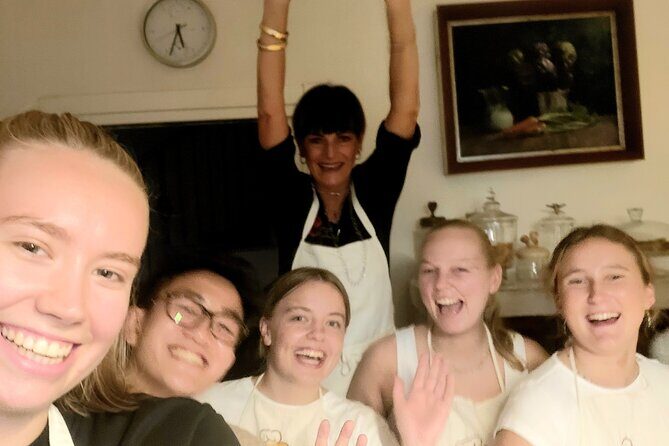
If you want your food lesson to feel human, this is it. Catia runs this vegetarian cooking class from her home in Padua, and the reason matters. She has a deep love for animals and nature, and that shows in the way she talks about food choices. She also paints and sings, which gives the whole experience a calm, creative energy—not the stiff, classroom vibe.
The practical upside is that her story isn’t separate from the cooking. It explains why she leans into vegetables, why seasonal ingredients matter, and why she’s happy to share the meaning behind dishes from the Veneto region. That’s the kind of context you’ll actually remember while you’re stirring a sauce or shaping pasta.
You’ll also get something you don’t get in typical cooking tours: a host who treats the table like part of the lesson. In other words, the meal isn’t just a payout at the end. It’s part of how you learn and connect—hands busy, conversation flowing, and then a proper lunch you can enjoy without rushing.
You can also read our reviews of more cooking classes in Padua
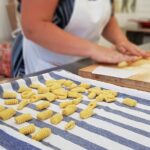
What You’ll Cook in 4 Hours: Cicchetti, Ravioli, Bigoli, Tiramisù
This class is built around four big course moments. The structure is simple, but it covers a lot of real Veneto cooking skills.
Venetian cicchetti: the starter that sets the tone
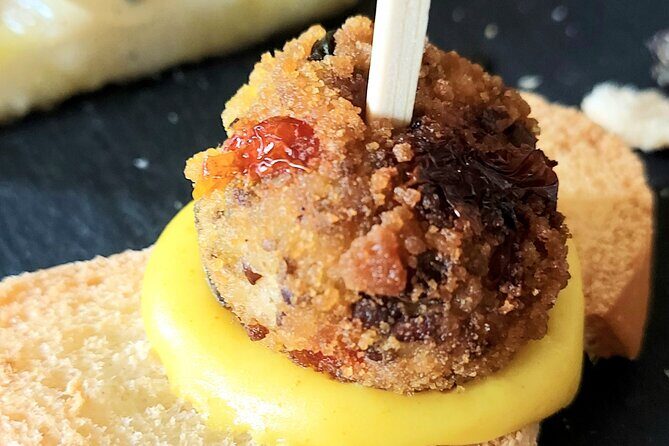
You start with Venetian cicchetti—bite-sized flavors that fit the idea of Veneto eating. Expect toppings and combinations that are designed to be shareable. One of the best “why this matters” parts of cicchetti is that they train your palate: you learn how to balance saltiness, acidity, and freshness in small bites, which is useful later when you taste sauces and fillings.
Many classes stop at the recipe list. Here, you’re doing the work and learning the logic behind the food. That makes it easier to recreate things at home, even if you don’t find the exact same ingredients right away.
Handmade ravioli: technique you can reuse
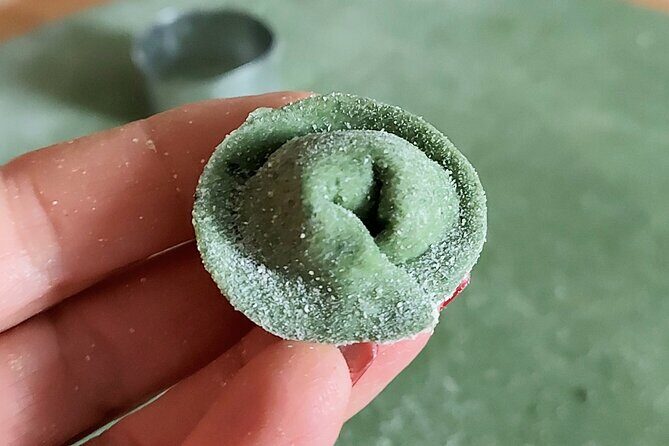
Next comes handmade ravioli. This is where the class stops being casual and turns into real technique practice. You’ll work with dough and learn how to handle it properly—how it should feel, how to shape it, and how to work efficiently so the process doesn’t get stressful.
If you’ve ever tried pasta at home and had it turn brittle or chewy, this is the class that helps you fix the cause, not just the outcome. The hands-on focus and traditional approach matter because you’re learning how the dough behaves, not just copying steps.
Venetian bigoli: a classic pasta format with a different feel
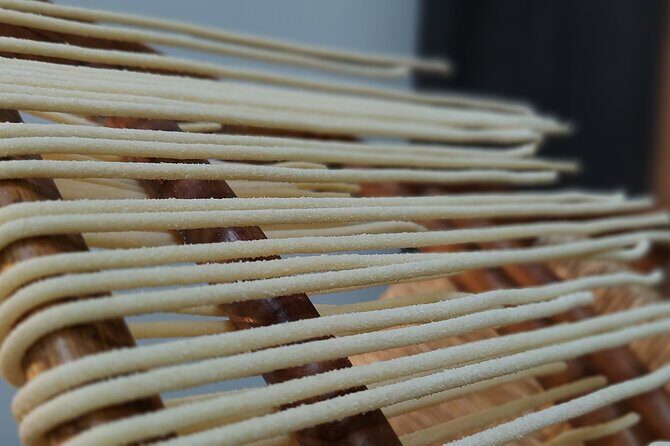
Then you move to Venetian bigoli, another Veneto favorite. Bigoli is distinct from many pastas because of its shape and the way it holds sauces. This is a great mid-class shift: it keeps you from feeling like you only learned one pasta method. You get a chance to understand pasta as a system—shape, texture, and how it interacts with what you put on top.
You can also read our reviews of more tours and experiences in Padua
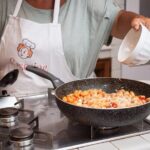
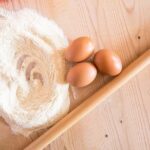
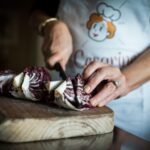
Tiramisù: finish with the sweet payoff
To end, you’ll make tiramisù. Dessert in cooking classes can sometimes feel like an afterthought. Here it’s a full finish that matches the effort put into the savory courses. You’ll learn what makes the dessert work—how the components come together and what to aim for in texture and balance.
And since you’re eating what you make, you’ll know quickly whether something is off. That feedback loop is a big value point. It’s not just learning; it’s tasting, adjusting, and enjoying.
The Home Setting in Padua: Why It Changes the Whole Experience
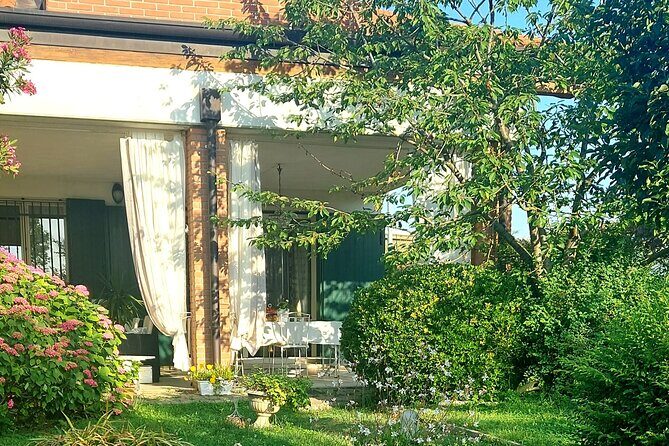
This isn’t a studio kitchen. Catia invites you into her home, and you cook there, then eat in an outdoor dining area. That detail matters more than it sounds.
At home, the kitchen is built around real rhythms—where ingredients live, how tools are used, how you move through steps without wasting motion. When you learn pasta techniques in a lived-in space, they feel less like “chef magic” and more like something you could repeat.
The other reason I like this setup: it makes the conversation natural. Catia talks about Padua and Veneto culture while teaching. You’re not stuck listening to a monologue. You’re participating, asking questions, and getting explanations that connect to what you’re doing.
Also, because the class is limited to a maximum of 6 travelers, you’re not fighting for attention. It feels like small-group teaching, which is exactly what you want when you’re learning hands-on skills like dough handling.
Vegetables From the Garden: Vegetarian Food That Doesn’t Feel Like a Compromise
If vegetarian cooking in Italy sounds like “missing out,” this class is a good correction. Catia’s vegetables come from her garden, and that shows up in the flavors. Freshness isn’t a marketing word here—it affects taste, texture, and how sauces come together.
Even if you’re not strictly vegetarian, you’ll probably appreciate how ingredient-driven the cooking is. Vegetarian Veneto cooking isn’t about replacing meat. It’s about learning how vegetables become the main character: through roasting, sautéing, careful seasoning, and pairing with pasta formats that carry flavor well.
This is also where Catia’s values connect with the food. Her vegetarian choice is rooted in her care for animals and her interest in environmental conservation. You can feel that care in the way she talks about ingredients and why she likes sharing her homemade cuisine with people she enjoys.
Pasta Making Basics You’ll Actually Want to Use Again
This experience is strong because it focuses on technique, not just dishes. The biggest skills you’ll take home tend to be the boring-but-important ones.
Working with dough (and not fighting it)
Handmade pasta can be intimidating until you learn what the dough should feel like. In this class, you’re taught practical handling, and you use traditional tools. That matters because it’s not just theory. You shape, press, and adjust during the process.
If you like cooking but hate wasting ingredients, this kind of instruction is gold. You learn how to avoid common mistakes that cause tearing, uneven thickness, or pasta that doesn’t taste right.
Sauce sense: why you pair what you pair
You also learn sauces alongside the pasta. That’s huge. Many pasta tutorials show the dough and leave sauce as a separate problem. Here, sauce teaching is tied to what you made, so you understand the logic while it’s still fresh.
Recipes you can take home
You don’t just leave with memories. You’ll be given the recipes. That gives you a real way to practice soon after your trip, while your timing and technique are still clear in your mind.
One bonus detail: Catia has an Instagram presence (la_cesarina_catia_padova). If you want a low-pressure way to remind yourself of steps after the class, that can help you keep momentum.
English-Friendly Teaching With a Small-Group Rhythm
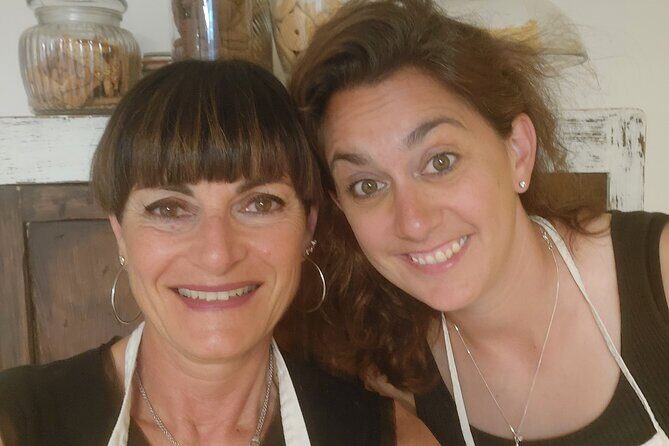
The class is offered in English, and the setup is designed for real interaction. With only up to six people, you’re not stuck in a group where one person is always asking questions and everyone else watches.
You’ll likely spend a lot of time at your station, hands-on, with Catia circulating and giving guidance. That’s a big deal if you’re a beginner. Pasta-making is physical. You learn faster when someone can correct your grip or thickness in the moment.
This group size also makes it easier to talk about food restrictions. If you have allergies or a special diet, you’ll need to communicate them. The class requires that planning so you can cook and eat safely.
Price and Value: Is $129.77 Worth It?
At $129.77 per person for about 4 hours, the real question is what you get besides a meal.
Here’s the value logic as I see it:
- You’re paying for hands-on instruction with technique-heavy dishes (ravioli, bigoli, and dessert).
- You’re also paying for a full lunch experience that includes what you cook (and often wine with the cicchetti).
- The group is small (max 6), which usually means more attention and better learning.
- You get recipes to take home, so it isn’t only a one-day souvenir.
If your goal is to taste Italian food, you’ll find cheaper options. But if you want actual skill transfer—how to shape pasta, how to build vegetarian flavors, how to finish with tiramisù—this price starts to make sense fast.
Also, because it’s scheduled at 11:00 am, it fits well into a day itinerary in Padua. It’s not another evening event where you’re tired and rushing. It sets you up to enjoy the rest of the day after.
Getting to Via Tre Ponti in Padua (and Planning Your Day)
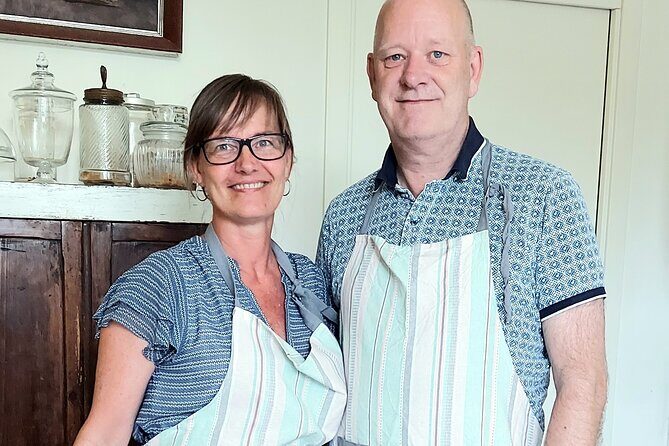
The meeting point is Via Tre Ponti, 35136 Padova PD, Italy, and the activity ends back there. Start time is 11:00 am.
A few practical tips so this doesn’t turn into a scramble:
- Arrive a little early. Cooking classes run on the kitchen’s clock, not just your schedule.
- Wear shoes you can stand in. The session is hands-on and you’ll likely be upright for much of the class.
- If you’re using public transit, you’ll be glad it’s described as near public transportation. Still, give yourself a buffer—Padua streets can be straightforward, but it’s easier when you’re not rushing.
If you’re pairing this with other Padua stops, aim to keep the next hour light. You’ll finish full and happy, but you’ll probably want time to digest and wander.
Who This Vegetarian Cooking Class Is Best For
This class fits best if you want one of these outcomes:
- You like learning by doing, especially with Italian pasta.
- You’re interested in Veneto cuisine and want a vegetarian version that feels authentic, not watered down.
- You enjoy small-group experiences where you can ask questions and actually understand what’s happening.
- You want a host who shares not only recipes, but also why dishes matter.
It also works well for couples, since reviews describe a setting that feels personal and welcoming. And if you’re the type who likes to come home with practical tools, the recipe handover is a strong reason to book.
If you’re extremely sensitive to standing for long periods, you’ll want to think carefully. This is a cooking class, not a quick tasting. Comfortable shoes are not optional.
Should You Book This Padua Vegetarian Cooking Class?
Yes—if you want to leave with skills, not just a full stomach.
Book it if you care about Veneto vegetarian cooking that’s built around real technique: handmade ravioli, Venetian bigoli, and a proper tiramisù finish. Book it if you like the idea of learning in a local home setting with a warm host like Catia, who connects food to animals, nature, and the culture of her region.
Skip it only if your priority is a fast, casual experience with minimal effort. This is hands-on and you’ll be working for the full stretch.
FAQ
What dishes are included in the class menu?
The sample menu includes Venetian cicchetti, handmade ravioli, Venetian bigoli, and tiramisù.
How long is the vegetarian cooking class?
It lasts about 4 hours.
Is the class offered in English?
Yes, it’s offered in English.
What is the group size limit?
The maximum group size is 6 travelers.
Where does the class start?
The meeting point is Via Tre Ponti, 35136 Padova PD, Italy.
Do I need to tell the host about food restrictions?
Yes. Guests need to communicate any food restrictions, including allergies or special diets.
What is the cancellation policy?
You can cancel for a full refund up to 24 hours before the experience’s start time. Free cancellation is available, and cut-off times are based on local time. If it’s canceled because the minimum number of travelers isn’t met, you’ll be offered a different date or a full refund.