REVIEW · VERONA
Guided Walking Tour on Verona Hillside
Book on Viator →Operated by Slow Travel Italia · Bookable on Viator
Verona on foot is a smart move. This guided hillside walk strings together viewpoints, old stone, and street-level perspective you just don’t get from the main squares. You’ll climb from Ponte Pietra toward Castel San Pietro, with a guide who explains what you’re seeing as you go.
I especially love the nonstop payoff: the views improve fast, so even a short 2-hour outing feels worth it. I also like how the tour folds in real talk—Roman ruins, places of worship, and even foraging culture tips—so the walk feels like learning, not just sightseeing.
One thing to consider: it’s a hillside hike, so plan for sun and some uphill steps. You’ll want moderate fitness, and on warm days you should come ready with water.
In This Review
- Key highlights at a glance
- Why this Verona Hillside Walk Is a Great 2-Hour Choice
- Getting Started at Gastronomia Scapin 1935 and Ponte Pietra
- Up the Slope: Ponte Pietra to Castel San Pietro Views
- S. Giovanni in Valle and a Garden Detour That Depends on the Day
- Giardino Giusti: Why the Panoramas Matter More Than the Tickets
- Parco delle Mura e dei Forti: Verona’s Walls Through Several Eras
- Piazzale Castel San Pietro and Re Teodorico
- Don Calabria Convent Pause: A Calm Reset Along the Walls
- Teatro Romano Photo Stop: Roman Theatre Still in Use
- Foraging Culture Tips: A Fun Verona Angle You Won’t Expect
- Pace, Comfort, and Practical Tips for a Hillside Morning
- Price and Value: Is $41.40 a Good Deal?
- Who This Verona Hillside Walk Suits Best
- Should You Book This Verona Hillside Walking Tour?
- FAQ
- How long is the Verona Hillside guided walking tour?
- What does the tour cost?
- What language is the tour offered in?
- Where do I start the tour?
- Where does the tour end?
- Is admission to churches and gardens included?
- Can I enter the private garden near S. Giovanni in Valle?
- Is the walk suitable for people with limited fitness?
- Is there a maximum group size?
- Can I bring a service animal?
Key highlights at a glance
- Ponte Pietra to Castel San Pietro viewpoints without wasting your time
- Leonardo-style storytelling that ties viewpoints to Roman and religious landmarks
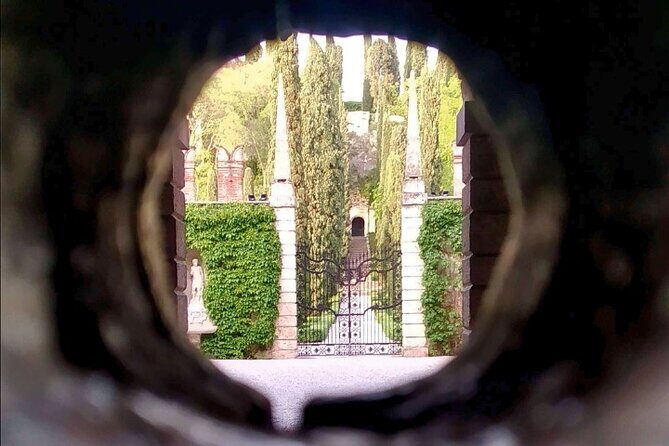
- Optional private-garden access when the gate is open
- Giardino Giusti panoramas with Renaissance garden atmosphere from the walking route
- Verona’s layered walls at Parco delle Mura e dei Forti
- Teatro Romano photo stop at a Roman site still in use
Why this Verona Hillside Walk Is a Great 2-Hour Choice
This is one of those Verona experiences that feels efficient in the best way. Two hours sounds short until you’re walking uphill with someone who points out what matters. You’re not stuck inside museums or fighting crowds. Instead, you get a steady rhythm: look, learn, walk, and look again.
The tour is capped at a small group (maximum 10 travelers), which makes it easier to hear the guide and adjust when the route gets tight. It’s also offered in English, so you won’t feel like you’re guessing at half the story.
Best of all, the route naturally links a chain of major landmarks: Ponte Pietra, Castel San Pietro, Giardino Giusti, the wall system around town, Teatro Romano, and a quiet pause at the Don Calabria convent area. You leave with a clearer mental map of Verona, not just photos.
You can also read our reviews of more walking tours in Verona
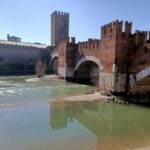
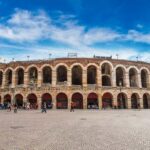

Getting Started at Gastronomia Scapin 1935 and Ponte Pietra
The meeting point is Gastronomia Scapin 1935 (Stonebridge), Via Santo Stefano 12, 37129 Verona. You start here and then head toward Ponte Pietra, which is where the walk’s energy really begins.
If you like arriving with your bearings already forming, this is a good setup. Ponte Pietra is iconic, and it gives you a visual anchor before you start climbing. The guide begins the story right away, so by the time you’re moving uphill, you know what you’re aiming for.
Logistically, it’s near public transportation, and you’ll finish back near Ponte Pietra. The tour also uses a mobile ticket, which is handy if you’re juggling other plans in Verona.
Up the Slope: Ponte Pietra to Castel San Pietro Views
Your first stretch begins from Ponte Pietra and heads up toward Castel San Pietro. Expect a steady climb with constant visual rewards. This is the kind of walk where you keep turning around because the skyline keeps changing.
Stop-wise, this part is built around quick viewpoint moments—about 5 minutes here and there. The idea is simple: you don’t linger too long, but you also don’t rush past the good stuff. You’ll see the city open up below you, and the guide’s commentary helps you understand what you’re looking at.
Here’s the practical takeaway I’d give you: if it’s hot, pack water. One guide-led tour note I really trust from past guests is that there are water points up the hillside, but that doesn’t mean you want to wait until you’re thirsty.
S. Giovanni in Valle and a Garden Detour That Depends on the Day
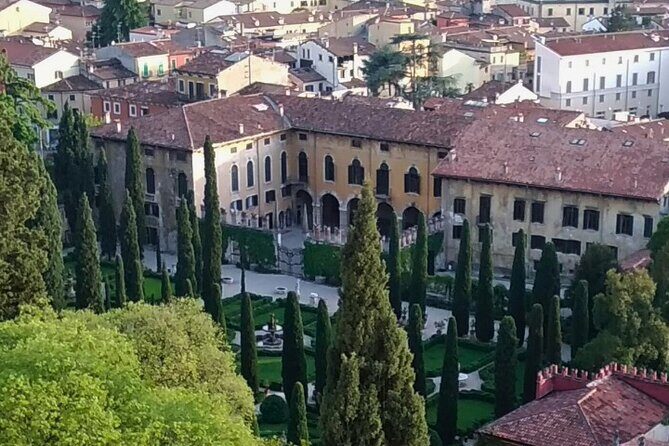
Next you move toward S. Giovanni in Valle, a church stop along the way. The church exterior matters because of the setting, but the real wildcard is a nearby garden area.
The tour includes a stop by a hidden garden near S. Giovanni in Valle, and access depends on whether it’s open. When it is, you get an extra sense of Verona that’s less about postcard views and more about being in the city’s private, quieter pockets.
If you’re the type who enjoys a little uncertainty, this works well. You’re not paying for a timed-ticket entry here, and you’re not stuck missing something essential if it’s closed.
Giardino Giusti: Why the Panoramas Matter More Than the Tickets
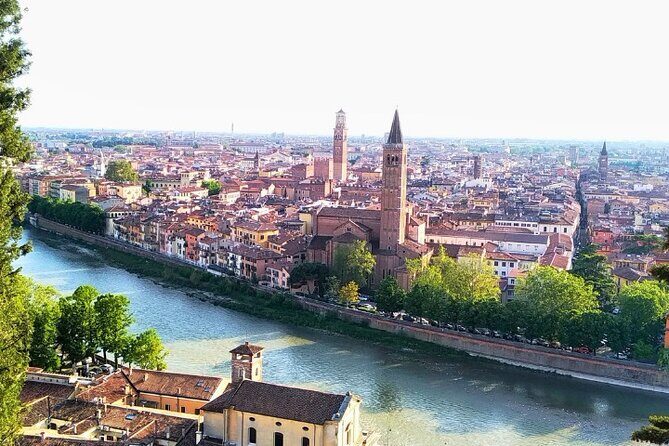
After that, you head toward Giardino Giusti. Even if you’re not going inside on this walk, the experience still has value. You get the feeling of a historic Renaissance garden—paired with a panoramic view of Verona’s skyline.
This stop is described as a reward: think of it like the tour’s scenic midsection. You’re gaining height, and the city starts to look layered—roofs and towers and churches stacked in the distance. The guide helps you connect what you see to the garden’s older architecture and its long-running role in Verona.
One tradeoff: the garden admission isn’t included. You’re mainly viewing and absorbing, not touring like a ticketed visitor. If you want indoor wandering and formal garden paths, you’d pair this walk with a separate garden visit later.
You can also read our reviews of more guided tours in Verona



Parco delle Mura e dei Forti: Verona’s Walls Through Several Eras
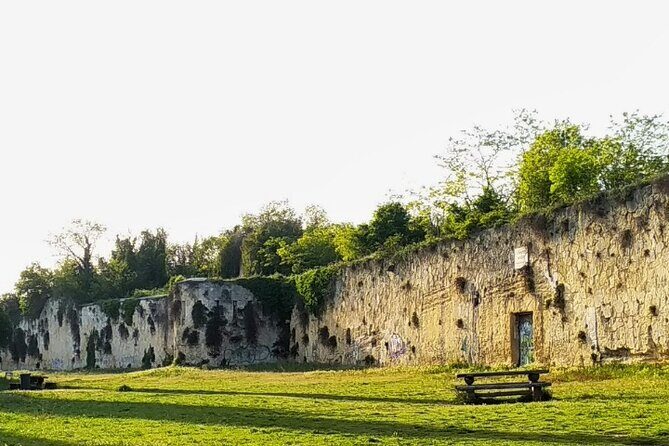
Now the walk shifts into something I love for first-time visitors: walls. At Parco delle Mura e dei Forti, you pass by the great defensive walls of Verona, shaped by the different kingdoms that ruled the town.
This part works because walls are more than scenery. They’re a timeline you can walk along. The guide’s stories turn stone into context, so the route stops feeling random and starts feeling like a guided history walk—even though you’re mostly outside.
Expect a brief pass-by segment—again, about 5 minutes. It’s not meant to be a long fortress lecture. It’s meant to give you a clear visual and a few key facts so you recognize what you’re seeing when you spot the walls later on your own.
Piazzale Castel San Pietro and Re Teodorico
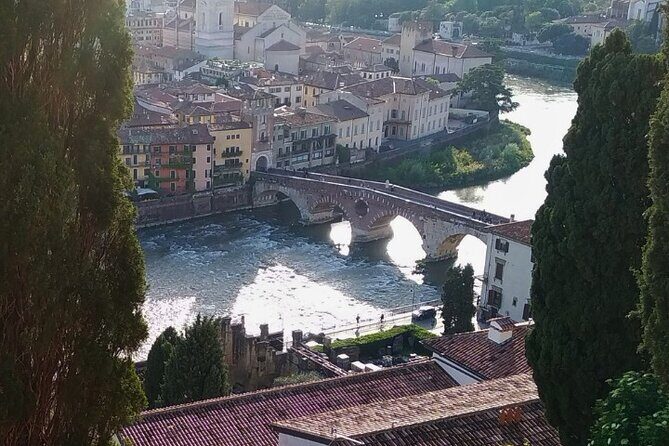
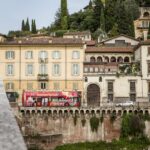
As you ascend higher, you reach Piazzale Castel San Pietro. This is where the air feels a touch different—less street, more viewpoint. You’ll pass the impressive Castel San Pietro, and there’s also a mention of a medieval fortress connection: Re Teodorico, a medieval fortress with a richer backdrop the guide explains as you look around.
This is another moment designed for photos. It’s short, but it gives you that big Verona angle: the city spreading out and the hillside route making sense of how the skyline sits in the valley.
If you’re planning wardrobe and comfort, this is where you’ll be glad you chose good footwear. Uneven paths happen on hills, and you don’t want to spend your trip worrying about your footing.
Don Calabria Convent Pause: A Calm Reset Along the Walls
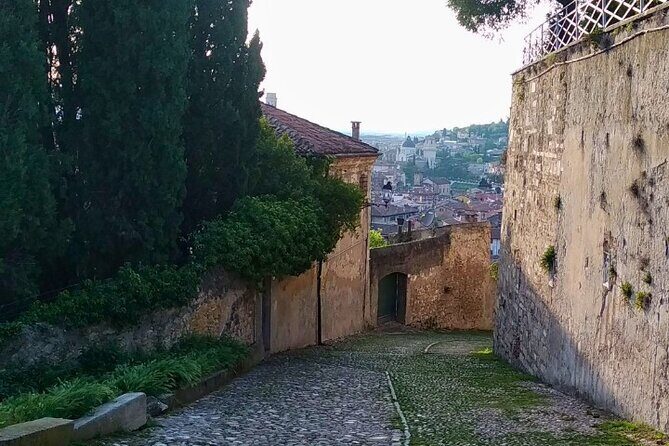
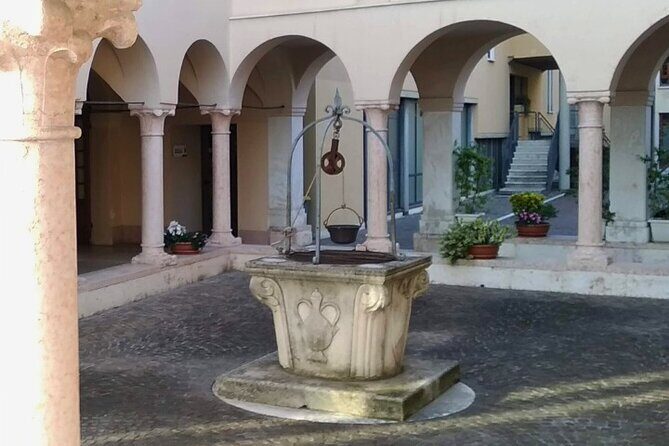
After the higher viewpoints, the walk shifts to something quieter. You’ll keep moving along the ancient walls and reach the area of the Don Calabria convent.
This is a built-in breather. You take a moment to catch your breath and appreciate the peaceful surroundings after the uphill sections. I like this kind of stop because it prevents the tour from feeling like one long push. Your legs get a minute to reset, and your eyes get a moment of calm before the Roman stop.
It also changes the tone. You’re still in Verona, still surrounded by layers of place, but the pace slows—just enough to feel human and not like a checklist.
Teatro Romano Photo Stop: Roman Theatre Still in Use
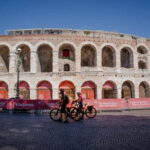
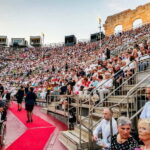
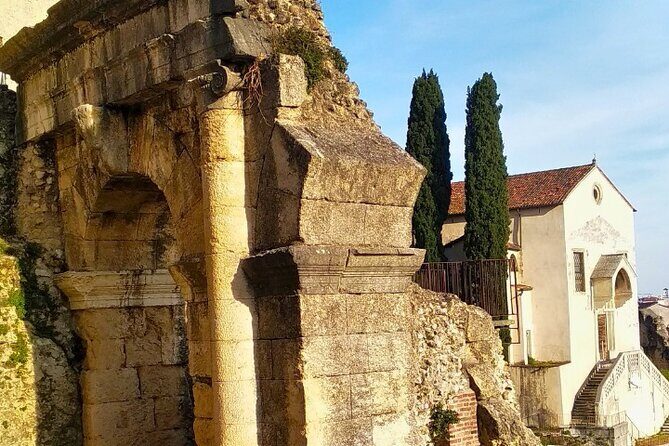
On the way, you pass Teatro Romano—the Roman Theatre in Verona, still in use today. Even when you’re just viewing it from the walking route, it lands. There’s something immediately special about a Roman structure that continues to function in the modern city.
You’ll get around 10 minutes here for photos. Think of it as the tour’s finale “wow” moment: the hillside climb brings you to a major historical anchor, and the guide points out what makes it significant.
If you’re a history fan, this stop is satisfying because it feels grounded. You’re not looking at a dead artifact in a controlled setting. You’re seeing a working remnant of the past.
Foraging Culture Tips: A Fun Verona Angle You Won’t Expect
This tour adds an extra layer that you don’t see on every sightseeing walk: tips & tricks about the foraging culture in town.
I like this section because it’s practical and local-flavored. It’s not asking you to pick anything or turn into a countryside hobbyist. It’s more about giving you a cultural lens—how people relate to plants and seasons around Verona, and what to notice while you’re walking.
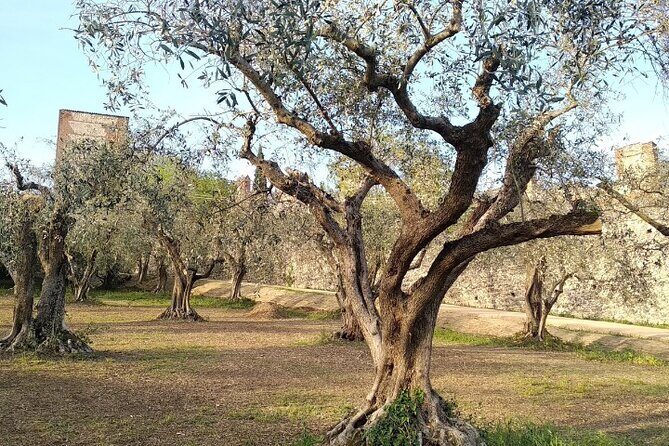
Even if you’re not into foraging, you’ll still enjoy it because it changes the way you look at the hillside vegetation. Instead of seeing just greenery, you get a sense of what locals value and notice.
Pace, Comfort, and Practical Tips for a Hillside Morning
This experience is best for moderate physical fitness. That wording matters. You’re not doing a strenuous trek, but you also aren’t strolling on flat sidewalks. Plan for steps and a slow climb.
Since it lasts about 2 hours, you’ll move at a pace that keeps things lively. That’s also why water matters. A hot morning can make a short climb feel longer than it is. Bring water, and keep an eye out for stops where the guide pauses.
A few more practical ideas:
- Wear shoes with grip. Verona has plenty of uneven surfaces and stone.
- Bring sun protection if you’re walking midday.
- If you’re prone to overheating, plan to slow your pace on the steeper bits and let the guide pull you back in.
Price and Value: Is $41.40 a Good Deal?
At $41.40 per person for about two hours, you’re paying for a guided, small-group experience with a lot of “see-and-understand” value. This isn’t a bargain attraction that rushes you through. It’s more like paying for a smart explanation during a scenic hike.
What you get that justifies the price:
- Two whole hours of guided stories and route context
- A small group size (maximum 10)
- A chance at private garden entrance if it’s open
- Helpful local add-ons like foraging culture tips
- English-language guiding
What’s not included (so you’re not surprised later):
- Church and garden entries are generally not included for this walk
- Most stops are pass-by or viewpoint moments, not ticketed admission
- You mainly rely on scenery and access as offered when the route allows it
If you like active sightseeing—walking between places and learning as you move—this price feels fair. If you only want museum-style interiors and paid entry experiences, you may prefer a different kind of tour.
Who This Verona Hillside Walk Suits Best
This is a strong match for you if:
- You want Verona “in motion” and not just in one central neighborhood
- You like your history tied to real views and real places
- You’re visiting for a short time and want a high-impact, low-hassle outing
It’s also good if you enjoy smaller groups and clear guidance from a named guide. In at least one experience, the guide was Leonardo, and he’s described as full of information—pointing out Roman ruins and places of worship as you climb.
If you’re traveling with limited mobility or you don’t do hills well, this one may feel too physical for your comfort. In that case, ask for a flatter alternative before booking.
Should You Book This Verona Hillside Walking Tour?
I’d book it if you want a simple win: a short, guided hillside walk that connects the big Verona landmarks with stories you can actually use. The climbing is manageable, the payoff is quick, and the tour doesn’t waste time.
Skip it only if you’re mainly chasing indoor admissions and long, ticketed garden hours. This walk is about views, viewpoint stops, and understanding Verona from above and along the walls. It’s a smart first look at the city’s shape and history.
If you’re in Verona with a morning window, this is the kind of tour that leaves you with better plans for the rest of your day—because you’ll recognize what you see later.
FAQ
How long is the Verona Hillside guided walking tour?
The tour is about 2 hours.
What does the tour cost?
It costs $41.40 per person.
What language is the tour offered in?
The tour is offered in English.
Where do I start the tour?
You meet at Gastronomia Scapin 1935 Stonebridge, Via Santo Stefano, 12, 37129 Verona.
Where does the tour end?
The tour ends at Ponte Pietra, 37121 Verona.
Is admission to churches and gardens included?
No. Church and garden admission is not included since the walk focuses on passing by and viewpoints.
Can I enter the private garden near S. Giovanni in Valle?
There can be a private garden entrance in the route, but it only happens if it’s opened.
Is the walk suitable for people with limited fitness?
The tour recommends moderate physical fitness since it involves hillside walking.
Is there a maximum group size?
Yes. The tour has a maximum of 10 travelers.
Can I bring a service animal?
Yes. Service animals are allowed.