REVIEW · VERONA
Verona: 3-Hour Guided Walking Tour
Book on GetYourGuide →Operated by Manuela Roversi · Bookable on GetYourGuide
Verona clicks into focus on this walk. This 3-hour guided tour turns scattered sights into one clear story of how the city grew from ancient roots to medieval fortifications and Renaissance elegance. I love that you start with a smart orientation at Arco dei Gavi, then move through the exact streets that show Verona’s urban plan.
The best part is the guide. With Manuela Roversi, you get a real-world storyteller who connects buildings, gates, and piazzas into something you can picture later on your own. I also like that the pace works well for first-timers, even families, because it’s a private group setup (up to 5).
One drawback: you’re doing a lot of walking on uneven sidewalks, and entrance tickets aren’t included—so if you want to go inside major monuments, you’ll need extra time and tickets on your own.
In This Review
- Key things to know before you go
- Why Verona Feels Different From Venice When You Walk It
- Meeting at Arco dei Gavi: Getting Oriented in Verona’s Old-Core Pattern
- City Gates and Walls: The Borsari and Lion Gates Story
- Piazza Stops That Explain the City’s Growth (Without Feeling Like School)
- Romeo and Juliet’s Area: Seeing the Famous Names in Real Streets
- Renaissance Palaces and the Fortified-Town Logic Behind Them
- What’s Included (and Why No Entrance Tickets Can Actually Help)
- Price and Value: When $118.95 per Group Makes Sense
- How 3 Hours Feels on Foot (and How to Make It Easier)
- Who This Tour Suits Best in Verona
- Should You Book This Verona 3-Hour Guided Walking Tour?
- FAQ
- How long is the Verona guided walking tour?
- Where is the meeting point?
- Where does the tour end?
- Is the tour private, and how big is the group?
- What languages is the live guide available in?
- Is the tour wheelchair accessible?
- What’s included in the price?
- What should I bring or wear?
Key things to know before you go
- Start at Arco dei Gavi: meet at Piazzetta Castelvecchio along Corso Cavour, near the trees on the right side of the arch
- Private group, up to 5: easier questions, better pacing, and more attention to your interests
- You’ll hit gates and walls: Borsari and Lion Gates, plus the story behind Verona’s defensive layout
- Romeo and Juliet in context: the walk links the famous names to the streets and palaces around them
- No entrance tickets: expect outside viewing and explanations, not paid monument time
Why Verona Feels Different From Venice When You Walk It
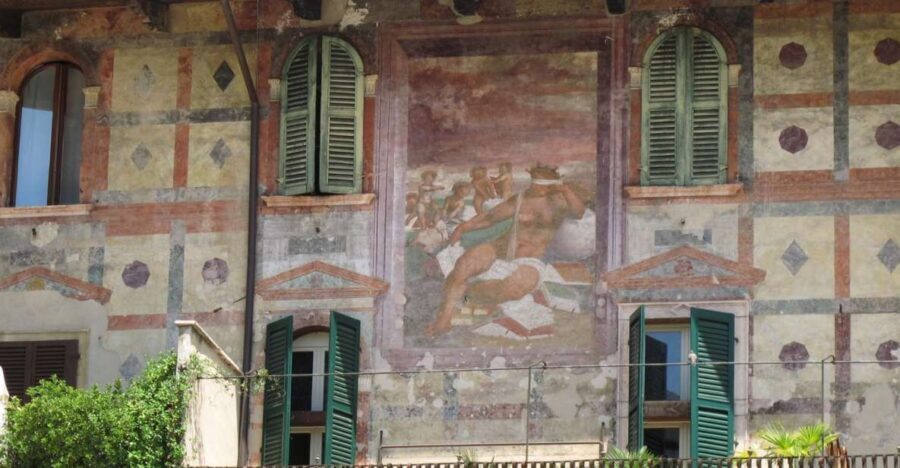
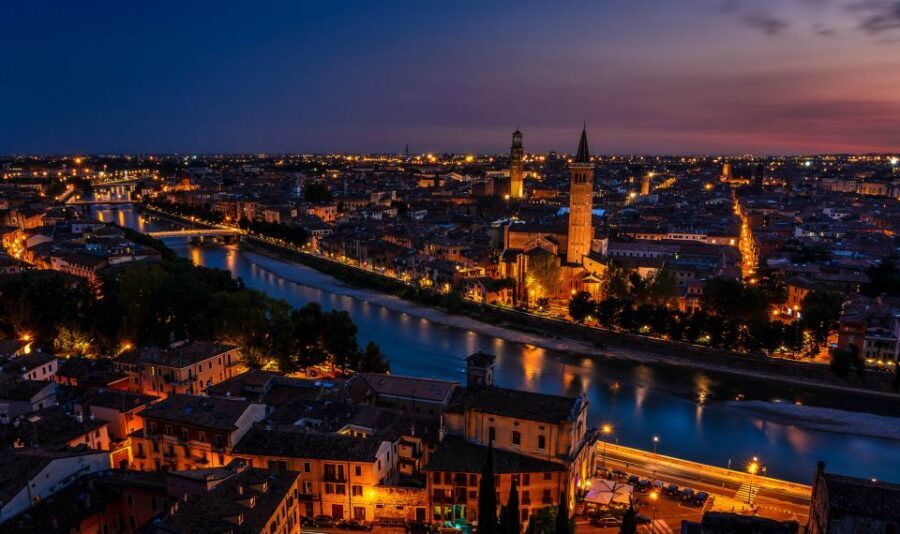
Verona often gets talked about as a stop between Venice and Lake Garda, but on foot it stops feeling like a detour and starts feeling like its own destination. The city’s big advantage is how visible its layers are. You can literally see the evolution: older structures and routes, then medieval changes meant for defense, then Renaissance refinement as the city grew into wealth and culture.
What makes this tour especially useful is that it doesn’t treat Verona as a checklist of postcards. It treats it as an urban story. You’ll learn how the architecture and street pattern reflect a fortified town—then how that structure made room for grand piazzas and palace life later on.
You’ll also get a sense of why this area fits so many travel styles. Verona sits in the Veneto region, close to Venice and Lake Garda, and it’s in the Valpolicella wine world. So even if you’re also thinking about shopping, fine dining, and wine tastings, you’ll still leave with solid grounding in the city itself.
You can also read our reviews of more walking tours in Verona

Meeting at Arco dei Gavi: Getting Oriented in Verona’s Old-Core Pattern
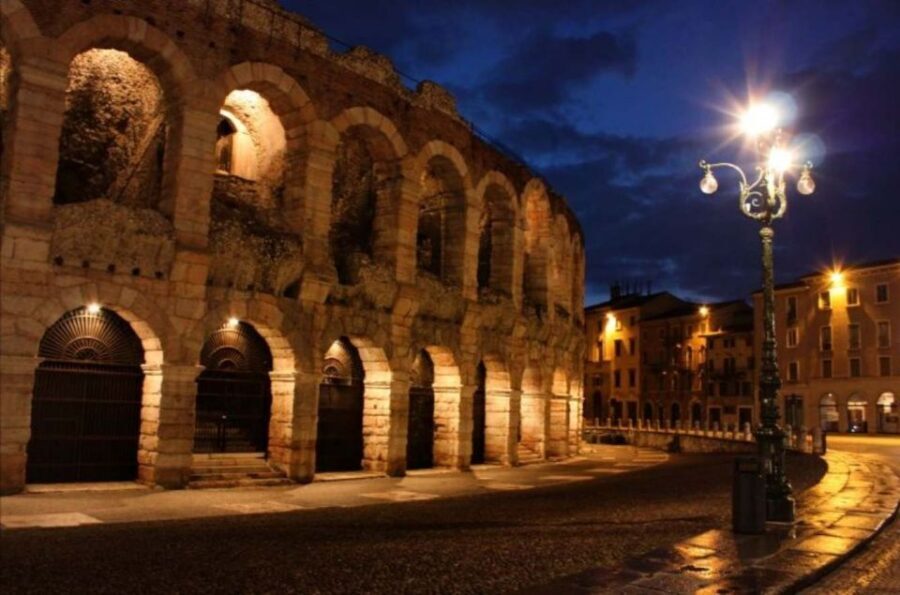
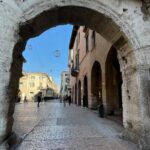
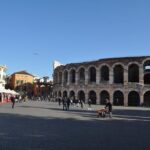
Your tour meets at Arco dei Gavi, the Roman triumphal arch in Piazzetta Castelvecchio, right along Corso Cavour. The guide will be near the trees on the right side of the arch. That matters more than it sounds. Starting here gives you a reference point before you start moving through streets where time periods overlap.
In practical terms, this kind of start helps you avoid the classic Verona problem: you arrive, you’re impressed, and then you realize you don’t know how the sights connect. Here, you get the map in your head while you’re still fresh. You’ll learn what to look for and why certain buildings and passages matter, so your later wandering feels purposeful instead of random.
You’ll also see the city’s scale quickly. Verona isn’t massive, but it does take energy. This tour stays in the city center, and it lasts three hours, so bring comfortable shoes and plan to walk smart.
City Gates and Walls: The Borsari and Lion Gates Story
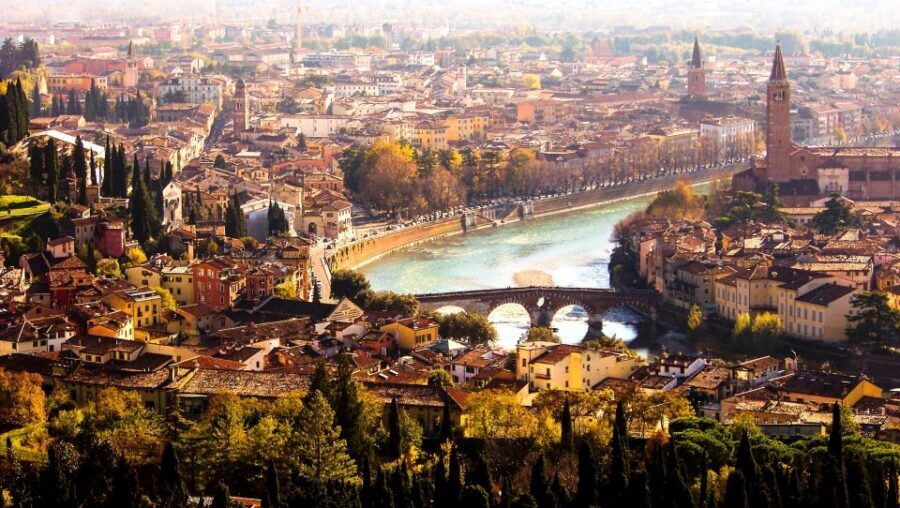
One of the most practical parts of this walking tour is the way it explains Verona’s fortifications. You won’t just glance at gates and walls like they’re scenery—you’ll understand what they were for and how they shaped everyday movement through the city.
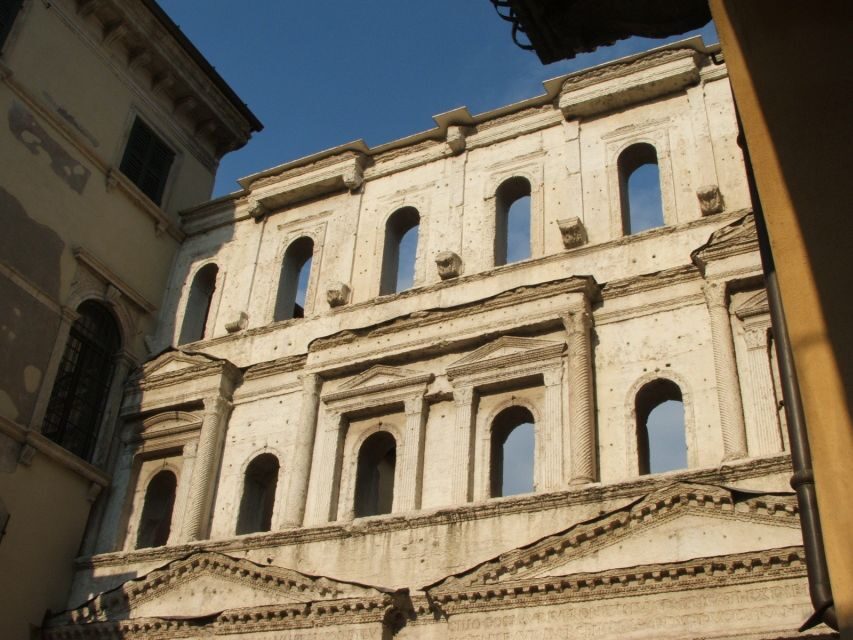
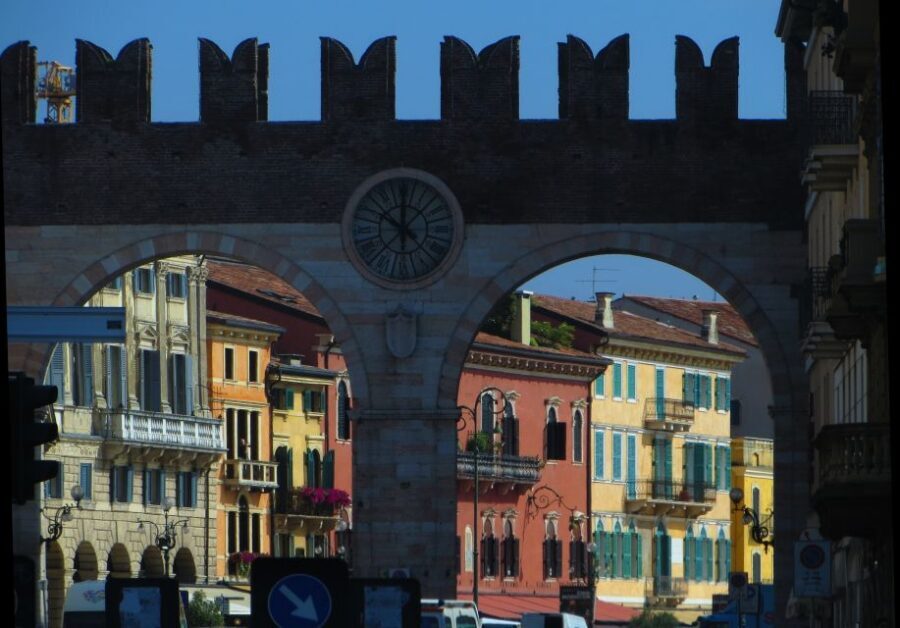
Two big stops are the Borsari Gate and the Lion Gate. Gates like these aren’t just decorative entry points. They mark the boundaries of older defensive thinking. And once you know what a gate represents, the surrounding streets start to make sense. You begin noticing alignments, narrow passages, and why some areas feel like they were built to control access.
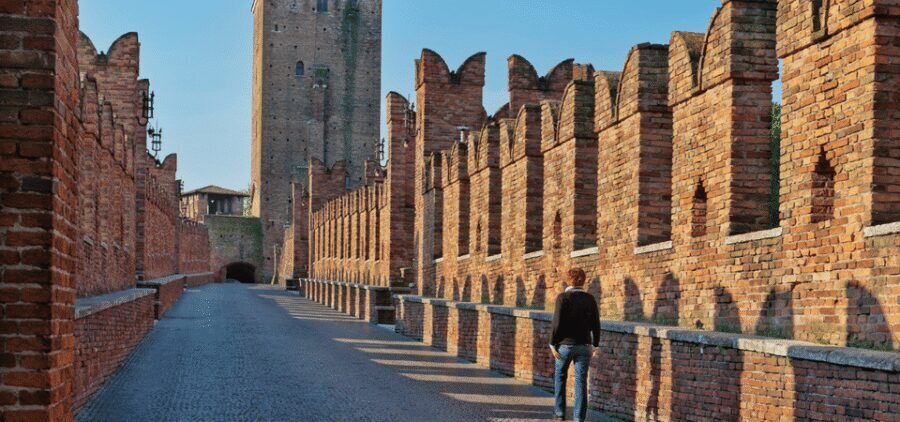
The tour also covers the medieval and Renaissance city walls. That’s a helpful combo because it shows continuity and change. Medieval defenses weren’t just about building barriers—they created a framework the city later built around. When the Renaissance mindset arrived, Verona didn’t erase its walls. It repurposed the idea of grandeur—open public space, refined architecture, and more elegant city life—while still living inside the old structure.
If you like architecture and city planning, this is the part you’ll keep remembering.
Piazza Stops That Explain the City’s Growth (Without Feeling Like School)
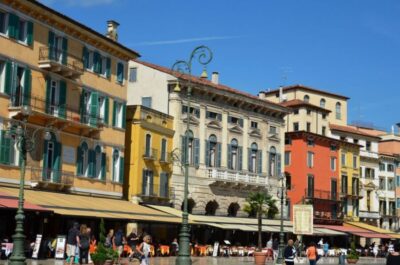
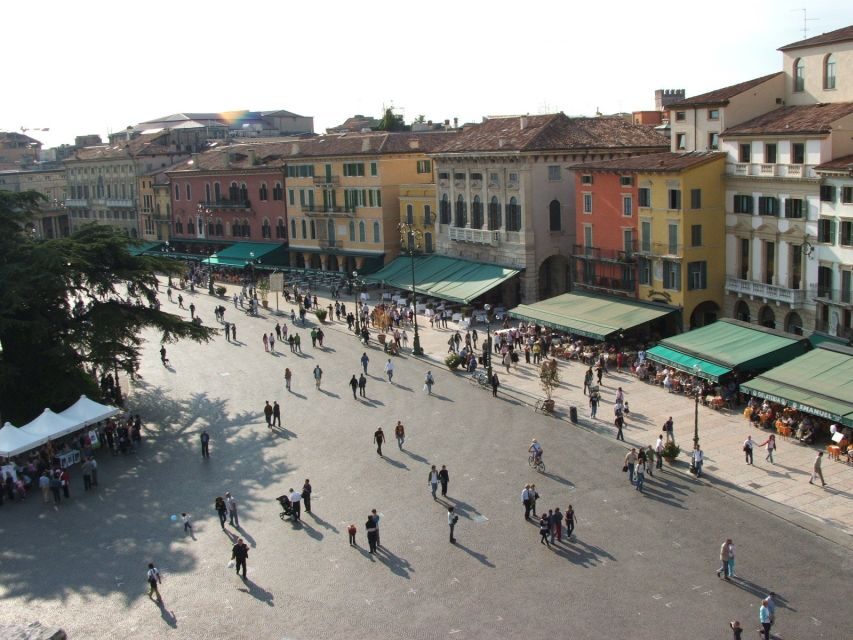
Verona’s piazzas aren’t just places to take photos; they’re stage sets for how the city organized power and daily life. On this tour, you’ll move through stunning squares and learn what they signal in the city’s timeline—antiquity influences, medieval organization, and Renaissance display.
This matters because piazzas are where you feel the shift from fortress to civic pride. In a fortified town, movement and access are controlled. In a later, more confident city, public space becomes a meeting point for culture, business, and community. By the time you reach the later-era areas, you’ll recognize the change in tone even if you can’t explain it perfectly.
This is also where a good guide earns their pay. You don’t want a long lecture on stones. You want short, clear explanations that help you read the scene. Based on the guiding style you’ll experience here—especially with Manuela Roversi—the story is told in a way that keeps the walk interesting and moving.
One practical note: because you’ll be covering multiple sights in three hours, the pace can feel focused. That’s great for getting your bearings fast, but it means you should treat it like orientation. If you want to linger at one piazza for a long time, you may need extra time after the tour.
Romeo and Juliet’s Area: Seeing the Famous Names in Real Streets
Let’s be honest: Romeo and Juliet are why many people come to Verona. What you want from a guided walk isn’t just where to stand for the most famous photo. You want context—so the story feels tied to real places.
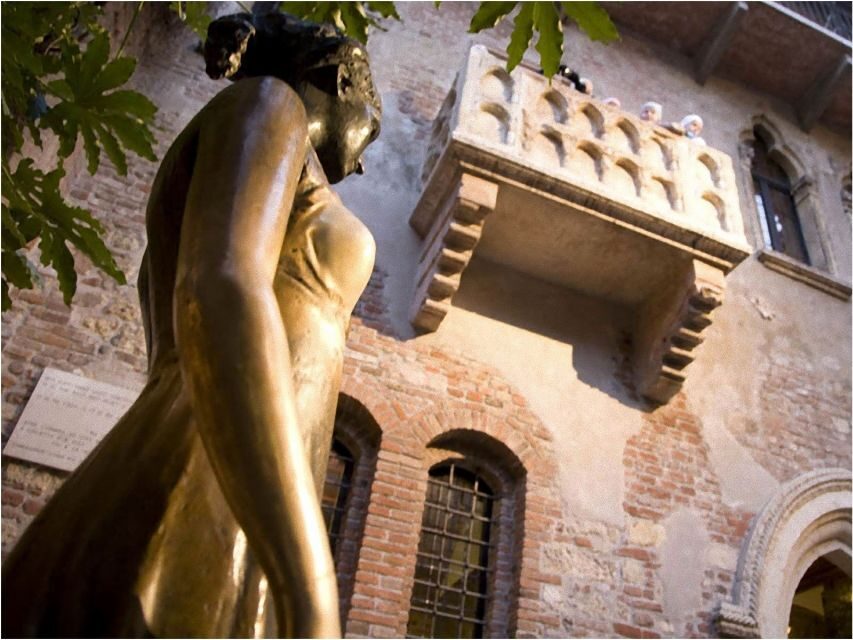
This tour includes the Romeo and Juliet’s houses area and connects it to the city’s broader development. You’ll see why those locations became iconic and how they fit into the urban fabric around them. If you’re hoping to find the exact streets that make the legend feel believable, this is where the guide helps most.
There’s also a real benefit to seeing it during a structured walk: you can keep moving while you learn. Instead of getting stuck in a crush of famous attention, you get the key points and then you’re guided onward.
Also, because entrance tickets aren’t included, this is a good plan if you prefer absorbing the streetscape first. You can decide later whether you want to pay for any interior visits.
You can also read our reviews of more guided tours in Verona



Renaissance Palaces and the Fortified-Town Logic Behind Them
Verona’s Renaissance identity isn’t just about one grand building. It’s about the way status expresses itself in the city’s layout. This tour brings you to Renaissance palaces and helps you understand how the city’s earlier fortified structure affected what came later.
Here’s what I like about this angle: it stops Renaissance architecture from feeling random. When you know the earlier defensive logic, the placement and feel of grander buildings makes more sense. The city didn’t restart from scratch. It evolved. That evolution is the point.
A private guide also makes a big difference at this stage of the walk. If something catches your eye—maybe a facade detail, a street view, or a sense of grandeur—you can ask questions and get a direct explanation instead of waiting for a group recap.
And since this is a private group of up to 5, it’s easier to keep the tour aligned with your interests. Families tend to do well with this format too, because the guide can adjust to keep everyone engaged. On private tours, that flexibility can be the difference between a tiring walk and a memorable one.
What’s Included (and Why No Entrance Tickets Can Actually Help)
The included part is straightforward: a 3-hour guided tour in Verona city center. Entrance tickets are not included. Meals and snacks aren’t included either.
So how does that shape your experience? You’ll spend time learning and observing key sites—gates, walls, piazzas, the Romeo and Juliet area, and Renaissance palaces—without paying for paid entry stops. That can be a win if you like to travel light and move at a steady pace.
It also gives you control. You don’t get trapped into monument time you might not enjoy. If you want to go inside later, you can pick based on your preferences.
If you’re the type who wants a deeper interior visit, just plan for it. Think of this tour as the story you need before you buy tickets. It helps you know what you’re looking at when you return.
Price and Value: When $118.95 per Group Makes Sense
At $118.95 per group (up to 5 people) for a 3-hour private walking tour, the math works best when you’re traveling with others. Split five ways, and it’s much easier to justify versus solo pricing for private guiding.
But even if you’re just two people, this can still feel like good value because you’re getting:
- a guide who can explain and answer questions in real time
- a structured route that covers the major historical beats
- a private setting that keeps the walk from feeling like a large-group shuffle
You also get practical value. Learning how Verona’s architecture and urban structure reflects the city’s evolution helps you navigate and understand the sights later, not just during the tour.
If you’re traveling completely alone and expect one-on-one exclusivity, you might compare options in your budget. Still, if you want a guided orientation and a focused route, this price can be reasonable for what you gain in understanding.
How 3 Hours Feels on Foot (and How to Make It Easier)
Three hours sounds short until you’re walking through an old city with uneven sidewalks. This tour is designed to cover a lot of ground in a limited timeframe, so it moves with purpose.
That means you should:
- wear comfortable shoes with grip
- plan for steady walking, not long stops everywhere
- be ready to look up and around, because the guide will point out details that you might miss otherwise
Also, because it’s a private group, you can sometimes request a pace that fits your energy level. The walk can be especially helpful for kids when the guide keeps explanations engaging and doesn’t drag.
One more thing: since it ends back at the meeting point, you’ll have a clear way to continue your day. If you love the areas you learned about, you can return to them right away with more confidence.
Who This Tour Suits Best in Verona
This is a strong choice if you want:
- the big Verona highlights without spending your whole day figuring out directions
- context for what you’re seeing—especially Verona’s shift from fortified town to Renaissance city
- an experience that works for mixed interests: history, architecture, culture, and the Romeo and Juliet spotlight
It’s also kid-friendly, which matters when you’re traveling with children and still want a meaningful experience. And since it’s a private group, it tends to work better when you want your questions answered rather than waiting your turn.
If you already have a lot of Verona experience and want only deep interior access, you might find this tour more useful as a first-day orientation. If you want a “see everything” day with paid entries, you’ll likely need to add visits after.
Should You Book This Verona 3-Hour Guided Walking Tour?
I’d book this if you’re visiting Verona for the first time or if you want a fast, smart framework for understanding the city. Starting at Arco dei Gavi and walking through gates like the Borsari and Lion gets you oriented in a way that makes every later street feel clearer.
Skip it only if you hate walking on uneven pavement or you want a tour that includes interior monument tickets. Since entrance tickets aren’t part of this experience, your best results come from treating it as the story and street-level context, then choosing any inside visits afterward.
FAQ
How long is the Verona guided walking tour?
The tour lasts 3 hours.
Where is the meeting point?
Meet at Arco dei Gavi (Roman Gavi’s Triumphal Arch) at Piazzetta Castelvecchio along Corso Cavour. The guide will be near the trees on the right side of the arch.
Where does the tour end?
The tour ends back at the meeting point.
Is the tour private, and how big is the group?
It’s a private group, with pricing listed per group up to 5.
What languages is the live guide available in?
The guide is available in Spanish, English, German, and Italian.
Is the tour wheelchair accessible?
Yes, it is wheelchair accessible.
What’s included in the price?
A 3-hour guided tour in Verona city center is included.
What should I bring or wear?
Wear comfortable shoes, since the tour involves a lot of walking and may include uneven sidewalks.