REVIEW · VERONA
Homemade Gelato Making Class in Verona
Book on Viator →Operated by Ways · Bookable on Viator
If you like food lessons that actually stick, this Verona gelato class is a great pick. You’ll work in a professional kitchen with an Italian chef, learning how gelato is built from scratch (not just scooped from a shop case).
Two things I really like: you get hands-on step-by-step coaching, and you leave with a recipe book you can use later. One possible drawback to factor in: there’s no hotel pickup, so you’ll want to plan your own way to the meeting point in central Verona.
In This Review
- What you’ll notice fast
- One practical caution
- Key things to know before you go
- Verona gelato class: more than just mixing and tasting
- The kitchen setup and the small-group feel
- What you’ll make: gelato, sorbetto, and Semifreddo
- How the class typically flows
- Gelato technique you’ll actually remember
- Churning and texture targets
- Egg pasteurization (when the recipe calls for it)
- Ingredient choice: the underrated superpower
- The topping stage: where the class becomes fun
- Timing and meeting point: keep it easy on yourself
- Who this class suits best
- Families
- Beginners (and hesitant cooks)
- Food nerds
- Price and value: is $83.48 worth it?
- Downsides and things to be ready for
- No hotel pickup
- Accessibility may be limited
- It’s hands-on, so it can feel messy
- Weather is handled, but extremes can affect refunds
- My booking advice: when to lock it in
- Should you book this Homemade Gelato Making Class in Verona?
What you’ll notice fast
You’ll move quickly through the basics of Italian gelato and sorbetto—ingredient choices, texture targets, and key methods like churning and egg pasteurization (where relevant). Then you finish by enjoying what you made with your group, including a traditional frozen dessert called Semifreddo.
One practical caution
Because it’s a working kitchen and not a sightseeing bus, it can feel a bit more “hands-on” than a typical tour. If you’re traveling with anyone who has limited mobility, you may want to ask ahead since some parts may be hard to access.
You can also read our reviews of more tours and experiences in Verona


Key things to know before you go
- Small group (max 12): easier to get help and actually participate
- English offered: the class is taught in English
- You learn gelato + sorbetto methods: plus the traditional frozen dessert Semifreddo
- Tasting with fun pairings: expect uncommon topping ideas (not just sprinkles)
- Recipe book + ingredients included: you’re not paying for an empty experience
Verona gelato class: more than just mixing and tasting
Verona is a city where you can easily spend afternoons wandering between piazzas, churches, and gelaterias. This class gives you a different angle: you get to understand what makes Italian gelato smooth, flavorful, and (crucially) not icy. And it’s scheduled as a relaxed late-afternoon activity at 3:30pm, which fits nicely when you want something active but not too early in the day.
This is also the kind of experience that works for multiple ages. The format is meant to be engaging and practical, not intimidating. If you’ve never made frozen dessert in your life, you’ll still be able to follow along. If you’re the type who likes to read every label at the grocery store, you’ll probably geek out on ingredient choices and technique.
The kitchen setup and the small-group feel
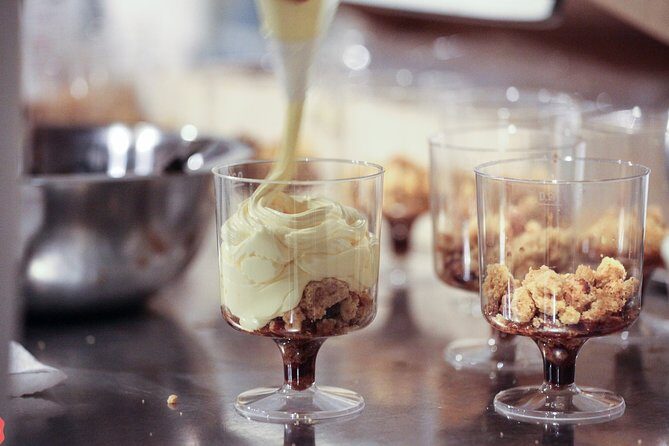
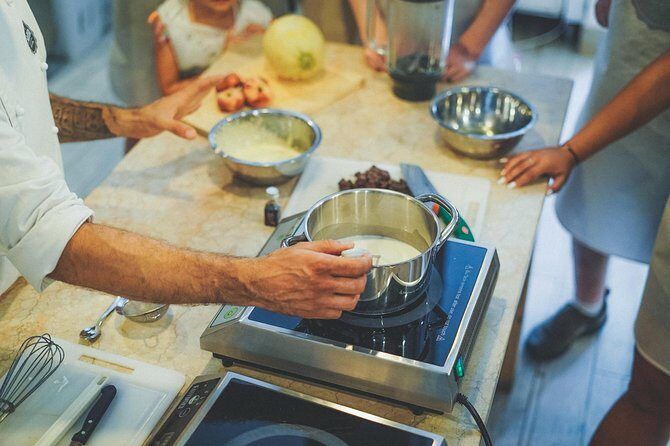
You’ll meet at Via Teatro Ristori, 7, 37122 Verona. From there, you’re brought into a cozy, working kitchen where the focus is on you and your hands. You’ll put on an apron, use the ingredients provided, and get guided through each stage with the chef cooking alongside you.
What matters here is pacing. In a small group, the instructor can actually adjust when someone’s mixing too fast, not heating long enough, or asking a question that takes you down a rabbit hole about flavor balance. The class also runs rain or shine, which is a big deal in spring and fall when Verona’s weather can change mood quickly.
The vibe I’d expect is friendly and practical. Multiple instructors are mentioned by name in past sessions—people like Silvia/Sylvia, Max, Laura, Andrea, and Cristina—and the recurring theme is that they’re actively involved, not just standing back.
What you’ll make: gelato, sorbetto, and Semifreddo
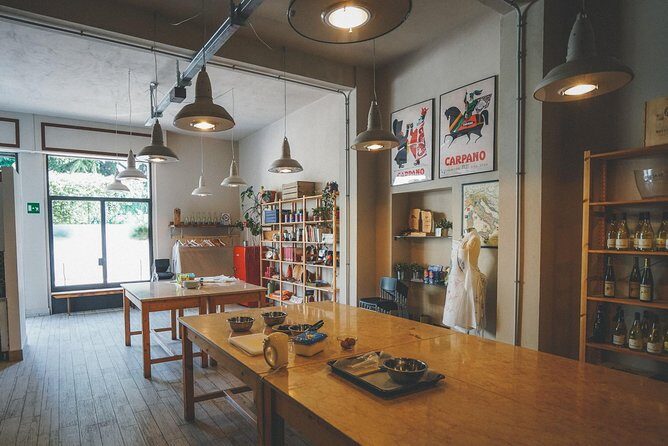
This isn’t a one-dessert class. You’ll learn enough to understand the difference between gelato and sorbetto as products, not just flavors. Gelato leans into a creamy base and texture control, while sorbetto is more about fruit purity, sugar balance, and keeping it from becoming icy.
In addition to gelato and sorbetto techniques, you’ll also learn the traditional recipe for Semifreddo—a frozen dessert made with seasonal fresh fruit and cream. That part is a nice contrast. Gelato is about shaping a cold, churned structure. Semifreddo is a different method and a different kind of satisfaction. It also broadens your skill set so you’re not leaving with only one “style” of dessert.






How the class typically flows
The class is described as step-by-step, with the chef following along as you complete the recipes together. Here’s what that means in practice:
- You start by choosing and preparing ingredients, including fruits, spices, and seasonal components.
- You work through techniques the chef teaches (examples include churning and egg pasteurization, depending on the recipe).
- You mix, create the base, and then move toward the “real work” step—getting your gelato ready to freeze properly.
- You finish with tasting and enjoying what you made as a group.
It’s hands-on the whole way through, and you should expect that you’ll be doing real tasks, not just watching.
Gelato technique you’ll actually remember

A lot of cooking classes teach you recipes. This one also teaches the why behind them—the texture and flavor mechanics that separate good gelato from mediocre ice cream.
Churning and texture targets
Gelato is not just frozen sugar and flavor. The goal is a texture that feels creamy and dense without turning into a rock-solid block. That’s where churning matters. Even if you don’t own a gelato machine at home, learning what churning does gives you a mental model for texture.
Egg pasteurization (when the recipe calls for it)
Some gelato bases use eggs, and handling them correctly is key. Egg pasteurization is mentioned as one of the techniques you may practice. For you, that matters because it turns a “kitchen gamble” into a repeatable method. You’ll learn the idea of heating carefully so the base thickens without becoming grainy or overly cooked.
Ingredient choice: the underrated superpower
The chef also shares tips for choosing the best ingredients to get truly standout flavor. This is where an Italian gelato class earns its keep. When you learn what ingredient quality changes in the final product, you stop buying frozen dessert ingredients on autopilot and start buying like a maker.
And yes, fruit and spices show up beyond the obvious. In past sessions, people have highlighted unusual topping ideas—things like olive oil, balsamic vinegar, mint, and peppercorn—that you might not think to combine with frozen dessert. The point isn’t shock value. It’s contrast: salty, bitter, herbal, or tangy notes that make the primary gelato flavor pop.
The topping stage: where the class becomes fun
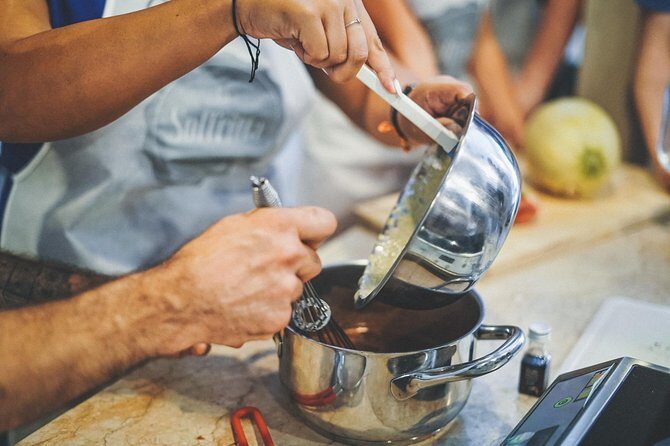
If you’re thinking this class is only about learning technique, don’t underestimate the topping experience. It’s built into the tasting, and it’s where many people remember the session most.
In multiple experiences, instructors have had students experiment with mix-ins and pairings. People have mentioned getting to try gelato with toppings like oil and balsamic, and also more savory-leaning add-ons like peppercorn. That surprises first-timers, but it makes sense once you taste it: fat helps round sharp flavors, sweetness balances acidity, and herbal notes can make fruit taste even brighter.
You also get to taste multiple flavors you helped make. Based on the class format, you can expect a range of gelato/sorbet variations during the session, not just one safe vanilla experience. And you’ll likely finish feeling properly “dessert full,” so plan your evening around it.
Timing and meeting point: keep it easy on yourself
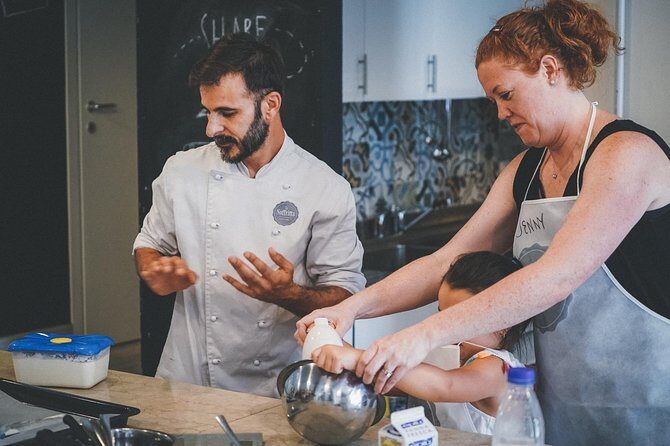
The class starts at 3:30pm and ends back at the meeting point. Since there’s no hotel pickup or drop-off, it’s smart to line up your transport before you go. The good news: the meeting location is near public transportation, which helps if you’re using buses or walking in between Verona sights.
A simple rule for this class: don’t arrive starving. One practical tip that shows up again and again—come with room for dessert. If you eat a big gelato or pastry right before class, it’s harder to taste the differences. If you’re the kind of person who likes to go back for second helpings, you’ll probably want to keep your snack light earlier in the day.
Who this class suits best
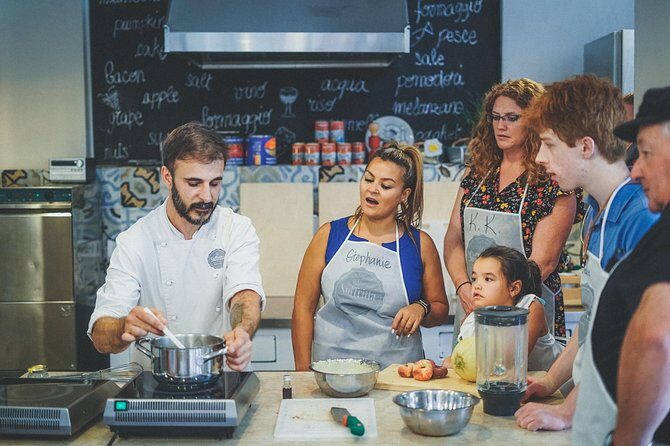
This works for a broad range of travelers, but it shines in a few specific situations.
Families
It’s described as kid-friendly and engaging, and people have brought children as young as preschool age and school age. The hands-on structure—mixing, preparing, and tasting—keeps kids involved instead of bored. If you’re traveling with multiple ages, this kind of shared food project often feels like the best “everyone can do something” plan.
Beginners (and hesitant cooks)
If you’re worried you’ll mess it up, don’t. The chef cooks alongside you and teaches step-by-step. The recipes come with guidance, and you also get a recipe book to take home.
Food nerds
If you love technique, texture, and flavor balance, you’ll get plenty out of learning about ingredient quality, how churning affects texture, and why certain pairings work. The topping experiments—like olive oil and balsamic with gelato—are a fun shortcut to understanding taste contrast.
Price and value: is $83.48 worth it?
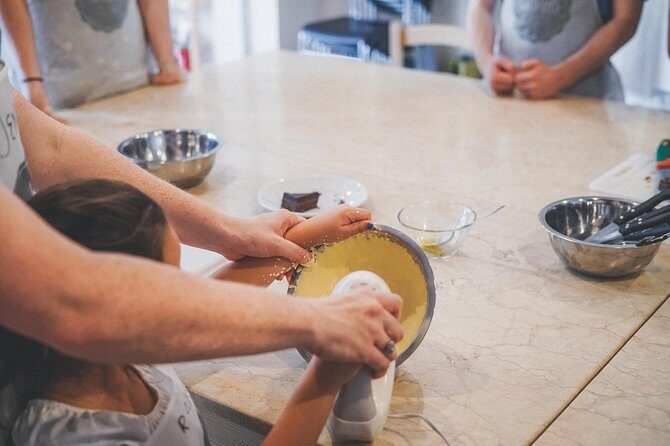
At $83.48 per person for about 2 hours, you’re paying for more than a tasting. You’re paying for:
- A professional chef
- Ingredients used during class
- Apron + hands-on instruction
- A recipe book to take home
- The fact that you’re making and tasting multiple elements (gelato and Semifreddo, plus sorbetto techniques)
That’s usually where the value lands. If you compare this to buying ingredients and figuring it out alone, the chef guidance and included ingredients cut down both guesswork and cost. Also, because the class is limited to a maximum of 12 people, the instruction tends to feel less “factory line,” more personal.
One more value factor: it’s scheduled as a 2-hour activity that still feels like a true experience. Verona can be expensive if you’re stacking paid tours back-to-back. This one can be a “do it once, learn something real” choice.
Downsides and things to be ready for
No tour is perfect. Here are the main considerations so you can decide confidently.
No hotel pickup
You’ll need your own transport to Via Teatro Ristori, 7. If you’re relying on taxis, make a plan ahead so you don’t rush.
Accessibility may be limited
Some parts may not be easily accessible for reduced mobility. If you’re bringing someone with mobility needs, it’s worth asking questions directly so you know what to expect in the kitchen space.
It’s hands-on, so it can feel messy
This is cooking. Even with aprons and guidance, you should expect some kitchen activity, mixing, and tasting. If your idea of vacation is totally hands-off, you might find this less relaxing than a museum stop.
Weather is handled, but extremes can affect refunds
The class runs rain or shine, but the provider notes that extreme events or unforeseen closures can change refund outcomes. It’s the kind of policy you should keep in mind in storm-prone months.
My booking advice: when to lock it in
Based on how popular the experience is, I’d treat it like a “book early” item. One simple clue: people say it’s often fully booked if you leave it too late. If you’re building a Verona schedule, try to pick a day that gives you enough flexibility around the 3:30pm start.
Also, check your group needs. The class supports all ages, but underage participants must be accompanied by an adult. If anyone in your group has food intolerance or allergies, inform the provider in advance so they can handle it properly.
Should you book this Homemade Gelato Making Class in Verona?
Book it if you want a Verona activity that’s more than sightseeing—something where you learn real technique, touch the process, and eat what you made. It’s especially worth it for families, beginners, and people who love flavor experiments like oil, balsamic, mint, and peppercorn pairings.
Skip it (or think twice) if you hate hands-on food activities, need hotel pickup, or have mobility constraints that make a working kitchen tough. And if you already have a gelato machine at home, you’ll still get value, but you should go in expecting to learn why certain methods work, not just collect a recipe.
If you want a fun, guided, eat-the-proof kind of experience—and you like the idea of taking Italian frozen dessert skills back with you—this is one of the better ways to spend a couple of hours in Verona.