REVIEW · VERONA
Verona: Italian Cooking Class with Pasta, Risotto and Tiramisù
Book on Viator →Operated by Ways · Bookable on Viator
Four hours, and you leave fed and skilled. This Verona class is a hands-on way to learn three Italian favorites, with English instruction and wine waiting at the table. You’ll work from scratch and get a recipe booklet to take home, so the skills don’t end when the apron comes off. small-group and from scratch both matter here.
I especially like the step-by-step guidance and the warm, patient teaching style I saw highlighted by instructors such as Silvia, Laura, and Christina. I also love that it turns into a real lunch: you eat what you made, with wine included and paired as the meal unfolds.
One drawback to plan around: it runs rain or shine, and since it’s a hands-on kitchen setup, you’ll be rolling, stirring, and standing for a good chunk of the session.
In This Review
- Key takeaways
- Arrive in Verona and get cooking at Via Teatro Ristori
- The class flow: briefing, prep, and a kitchen that stays practical
- Homemade pasta: what you learn beyond the first noodles
- Risotto in Verona style: stirring, texture, and local wine pairing
- Tiramù: coffee-liqueur sponge, mascarpone, and building layers
- Lunch at the table: wine included, and you eat what you cooked
- What you take home: recipes, tips, and real at-home momentum
- Price and value: what $114.93 actually buys you in Verona
- Who should book this Verona cooking class
- Should you book this cooking class in Verona?
- FAQ
- What dishes will we make in the class?
- How long does the experience last?
- Where do we meet for the Verona cooking class?
- What time does the class start?
- Is the class offered in English?
- Is lunch included, and is wine provided?
- Do I need hotel pickup or drop-off?
- What if I have dietary requirements?
- Is this class suitable for children?
- Is it held rain or shine?
- Can I get a full refund if I cancel?
Key takeaways
- Three classics, made by hand: fresh pasta, risotto, and tiramisù from scratch
- Small group (max 12): you’re not stuck watching from the sidelines
- Wine included with lunch: plus a welcome aperitif to start the meal
- Recipe booklet to take home: useful at-home reminders and tips
- English instruction: easy to follow even if Italian is new to you
Arrive in Verona and get cooking at Via Teatro Ristori
This experience starts right in central Verona, at Via Teatro Ristori, 7 (meeting at 10:00 am). Plan to arrive a few minutes early so you can settle in, meet the chef-instructor, and get ready to cook without rushing. When an activity is that time-specific, being early helps everything feel smooth.
From there, you’ll move to the cooking and eating venue for the day. The layout is designed for small-group classes, so you’re close enough to ask questions while you’re working—not stuck shouting across a room.
One quiet advantage: the class format keeps the pacing steady. You’ll start with basic Italian cooking ideas, then move straight into hands-on tasks. That’s great if you want more than a “tour of flavors” and instead you want repeatable kitchen skills.
You can also read our reviews of more cooking classes in Verona

The class flow: briefing, prep, and a kitchen that stays practical
At the beginning, the instructor sets the tone with the basics of Italian cuisine. The emphasis is on simple, elegant flavor—letting ingredients do the work instead of hiding behind complicated techniques. It’s a smart way to learn, because once you understand the logic, you can adapt dishes later.
Then comes the hands-on part. You’ll prepare multiple components throughout the session—everything from making pasta to assembling tiramisù layers—so you’ll be actively involved the whole time. One pattern shows up in the positive feedback: when people got stuck (like getting pasta dough to behave), the chefs stepped in and guided them. That kind of support is what turns a cooking class from stressful into enjoyable.
Group size is capped at 12, and the reviews highlight that instructors manage the class well, correcting mistakes as you go. In plain terms: you’re likely to get personal attention, not just a demonstration.
Homemade pasta: what you learn beyond the first noodles
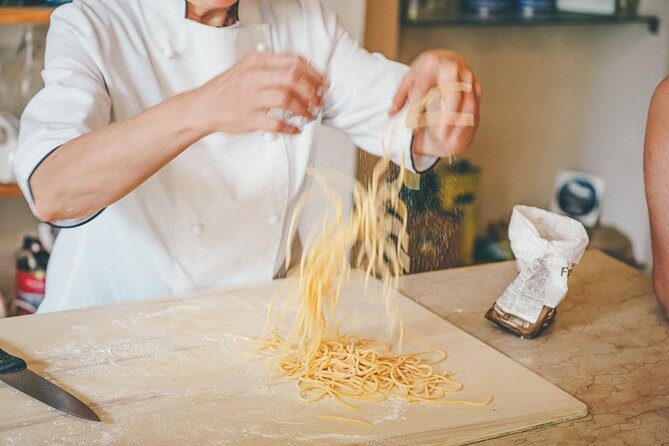
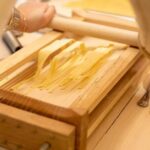
The pasta part is the heart of the class. You’ll make homemade pasta with the chef and then work with seasonal sauce options like tomato, vegetables, or ragù. Even if you’ve made pasta at home before, the value here is technique and timing—learning how the dough should feel and how to handle it step by step.
Here’s why this matters for you after the class: fresh pasta is mostly about texture. If you understand what the dough is supposed to do, you can fix issues later instead of giving up. And since you’re learning in a small group, you’re more likely to catch little problems early—like uneven rolling or dough that’s too sticky.
Also, the class context matters. You’re not doing pasta in isolation. The chef’s guidance connects pasta to the larger Italian approach: simple sauces, balanced flavors, and ingredients that speak for themselves.
If you want a souvenir skill (the kind you can show friends), this is it. You’ll likely leave with a clear sense of what to do the next time you roll dough at home.
Risotto in Verona style: stirring, texture, and local wine pairing
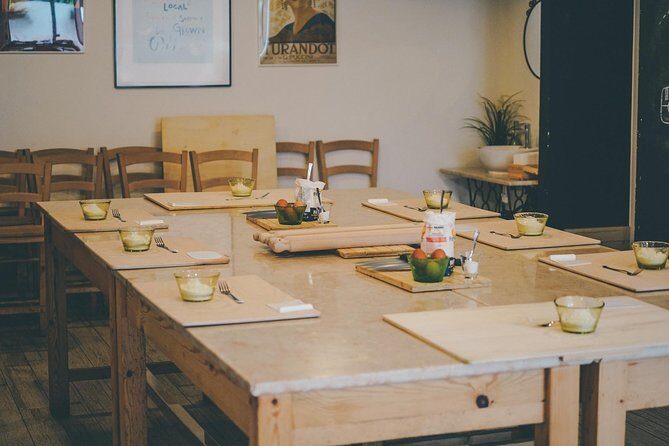
Next up is risotto, taught as a classic Italian dish. You’ll make risotto with the chef and pair it with vegetables or a local Verona-style option associated with Amarone. Risotto gets judged on consistency—creamy but not soupy—and the class format helps because you can watch the process and then participate.
Why do I like this as a learning segment? Because risotto teaches patience in a useful way. You can’t rush it, but you also don’t have to guess. The chef’s instruction helps you see what’s happening as the grains cook.
From the drink side, the meal includes wine, and the risotto is specifically described as being paired with a typical local risotto all’Amarone option. That kind of pairing makes the course feel cohesive instead of random. It also gives you a “taste memory” to take home: when you cook risotto later, you’ll remember the flavor direction you tasted here.
If you care about value, risotto is a great choice. It’s not complicated in ingredients, but it takes technique. In other words, you’re learning something that normally costs a lot when you eat it out.
Tiramù: coffee-liqueur sponge, mascarpone, and building layers
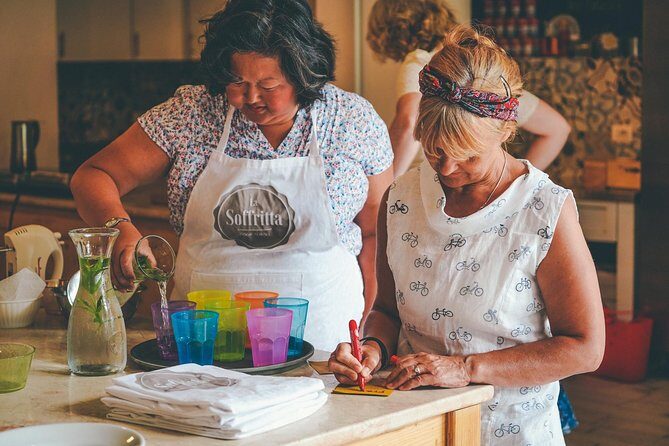
The dessert segment is tiramisù, and it’s not treated like an afterthought. You’ll learn to make it, with the class centered on the classic elements: sponge cake soaked with coffee and liqueur, layered with mascarpone and cocoa.
One reviewer-style detail that stood out in the feedback: people appreciated the early hands-on work, including cracking into the prep for the tiramisù during the session. That matters because tiramisù is all about assembly and timing. If you just watch, it’s hard to replicate later.
Here’s a practical thing to think about for your home kitchen: tiramisù needs structure. The layers should feel set enough to slice, but not dry. Learning how to handle the cream and build the layers in a supervised setting is the difference between “tastes good” and “looks right on the plate.”
And yes, it’s the kind of dessert you can brag about. You’ll be able to say you made tiramisù in Verona, then actually explain how.
You can also read our reviews of more tours and experiences in Verona



Lunch at the table: wine included, and you eat what you cooked
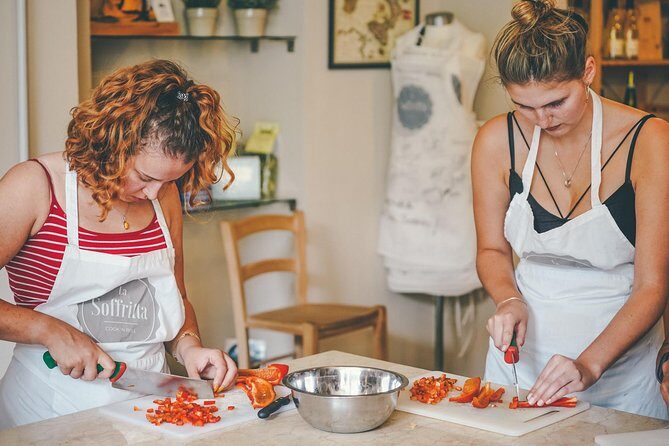
After cooking, you pull up a chair and eat the meal you helped create. This is one of those details that makes the experience feel complete. You’re not tasting a pre-made lunch while you cook separately in a different room. You’re eating the outcome of your work.
Wine is included during the activity, and water is included as well. There’s also a welcome aperitif at the start—your first glass of wine—so you get that “vacation momentum” early.
For me, the best part is the pairing flow: pasta comes with sauces like tomato, vegetables, or ragù; risotto comes with local wine direction; then you finish with tiramisù. It feels like a meal with a point, not just a set of separate lessons.
If you’re the type who learns better by eating right after, this format clicks. You can connect flavor, texture, and technique immediately.
What you take home: recipes, tips, and real at-home momentum
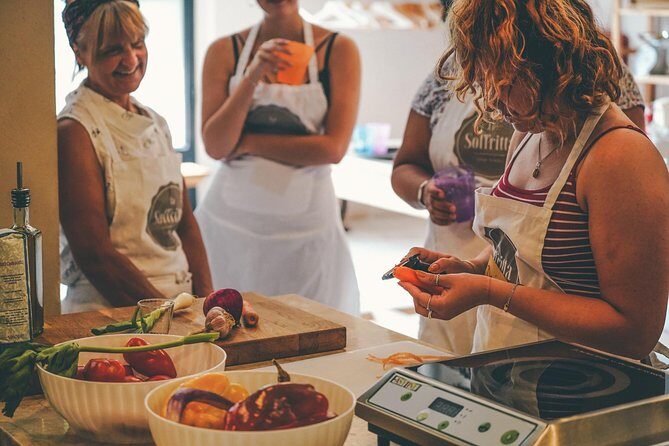
You get an Italian cookbook with recipes and tips, plus a recipe booklet for the day. That’s more valuable than it sounds. In many cooking classes, you get vague instructions or a general card. Here, you’re leaving with enough structure to recreate the dishes later.
One extra detail from feedback that can be a nice bonus: a couple of people mentioned additional materials like a take-home apron and QR-code access to recipes beyond what you cooked. I’d treat that as a possible extra, not a guarantee—but it’s a good sign that the class supports repeat cooking.
If you want to get the most out of the take-home materials, do this when you get home: cook one dish quickly while the memory is fresh. If it’s pasta, do it first. If it’s tiramisù, do it next. The recipes will make more sense once you’ve lived through the real prep steps.
This is also a strong gift option. A cooking class is experiential, but the recipe book means the gift keeps paying you back in the months after your trip.
Price and value: what $114.93 actually buys you in Verona
At $114.93 per person, this class isn’t a bargain in the way a free walking tour is. But it’s also not just a ticket to watch someone else cook.
You’re paying for a chef-led, small-group format with:
- multiple hands-on cooking segments (pasta, risotto, tiramisù)
- lunch that includes the wine and beverages you drink with the meal
- a cookbook and recipe booklet to take home
When you compare that to the cost of eating a multi-course meal plus buying ingredients and cookware at home, the value gets clearer. You’re not only fed; you’re coached. And coaching in a kitchen with limited spots (max 12) has real worth.
One more value point: English instruction. If you’ve ever taken a class where you’re lost halfway through, you’ll know why that matters. Clear communication means better technique, fewer mistakes, and a more confident final meal.
Who should book this Verona cooking class
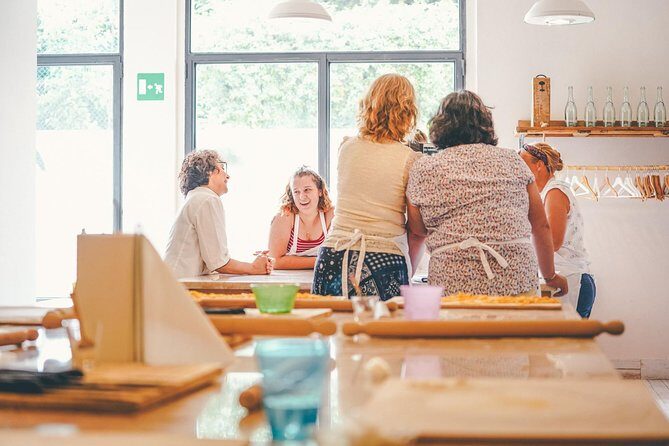
This is a great fit if you want a hands-on food experience without dealing with long tours or complicated logistics. You get a focused time block, you get to eat your results, and the group size helps you stay involved.
It also suits couples and friends who enjoy learning together. The dishes are classic and crowd-pleasing: fresh pasta, risotto, and tiramisù are easy to share at home later with family.
A heads-up if you’re traveling with kids: children under 14 aren’t allowed in this activity, and underage customers must be accompanied by an adult. If you’re booking for a teen, check the age rule carefully before you commit.
For anyone with mobility concerns, note that some parts of the tour may not be easily accessible. If you have specific needs, it’s worth contacting the provider to confirm what the space will require.
Should you book this cooking class in Verona?
I’d book it if you want a real skill, not just a fun meal. The combination of small-group attention, hands-on cooking for three dishes, and included lunch with wine makes it feel like a complete experience rather than a quick demonstration.
It’s especially worth it if:
- you want to learn Italian technique you can repeat at home
- you like structured classes where you can ask questions
- you’d enjoy eating your own cooking right away, paired with wine
Skip it if you’re hoping for a casual, mostly observational activity, because this is designed for participation. Also keep in mind it runs rain or shine, so be ready for a steady kitchen schedule.
If you want one memorable “Verona moment” that isn’t just photos, this class gives you a meal you helped build—and recipes you can use long after you leave the city.
FAQ
What dishes will we make in the class?
You’ll prepare homemade pasta, risotto, and tiramisù. The cooking also includes instruction focused on classic Italian dishes.
How long does the experience last?
The duration is about 3 hours 30 minutes.
Where do we meet for the Verona cooking class?
The meeting point is Via Teatro Ristori, 7, 37122 Verona VR, Italy. The activity ends back at the same meeting point.
What time does the class start?
Start time is 10:00 am.
Is the class offered in English?
Yes, the experience is offered in English.
Is lunch included, and is wine provided?
Yes. Lunch is included, and wine and beverages are included during the activity. Bottled water is also included.
Do I need hotel pickup or drop-off?
No. Hotel pick up and drop-off are not included.
What if I have dietary requirements?
Please advise any specific dietary requirements at time of booking.
Is this class suitable for children?
Children under 14 years old are not allowed. Underage customers must be accompanied by an adult.
Is it held rain or shine?
Yes, the tour runs rain or shine.
Can I get a full refund if I cancel?
You can cancel up to 24 hours in advance for a full refund. If you cancel less than 24 hours before the start time, the amount paid will not be refunded.