REVIEW · VERONA
Verona: Hands-on Fresh Pasta and Tiramisù Cooking Class
Book on GetYourGuide →Operated by Ways Tours | B Corp company · Bookable on GetYourGuide
Verona smells amazing when you start rolling dough. This hands-on cooking class turns you from spectator into cook in a professional kitchen in the historic heart of Verona, with fresh pasta and classic tiramisù at the center.
I especially like that you learn by doing, not by watching. You’ll shape and cook your own pasta, and you’ll get the kind of step-by-step guidance that makes Italian technique feel simple instead of intimidating.
One consideration: it isn’t set up for wheelchair users, and some areas may be tricky if you have reduced mobility.
In This Review
- Key takeaways before you go
- Entering the Verona kitchen: meet-up, vibe, and timing
- What you’re really learning: Italian cooking that’s about technique, not tricks
- Making fresh pasta in Verona: dough, shaping, and the “small wins” that stick
- Risotto with local rice: how to get texture right without stress
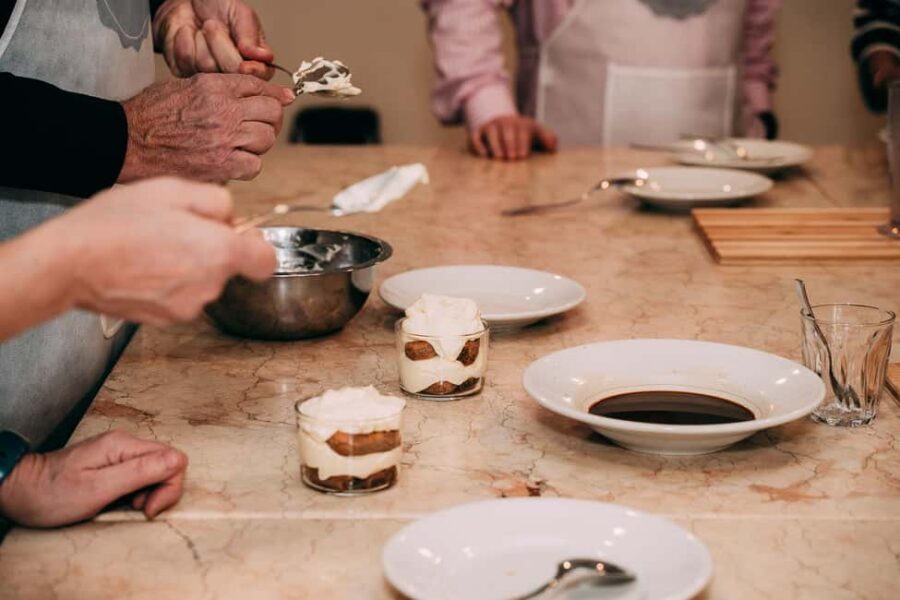
- Tiramisù: building layers that stay creamy, not sad
- Lunch with Valpolicella wine: the real payoff is eating together
- Price and value: why $107.62 can make sense here
- Who should book this Verona cooking class
- Should you book? My honest recommendation
- FAQ
- What dishes will we make in the class?
- How long is the Verona cooking class?
- Is the class taught in English?
- What’s included in the price?
- Is hotel pickup and drop-off included?
- What kind of group size should I expect?
- Can vegetarians or people with dietary restrictions join?
- Are children allowed?
- Is the class suitable for wheelchair users?
- What’s the cancellation policy?
- Can I pay later?
Key takeaways before you go
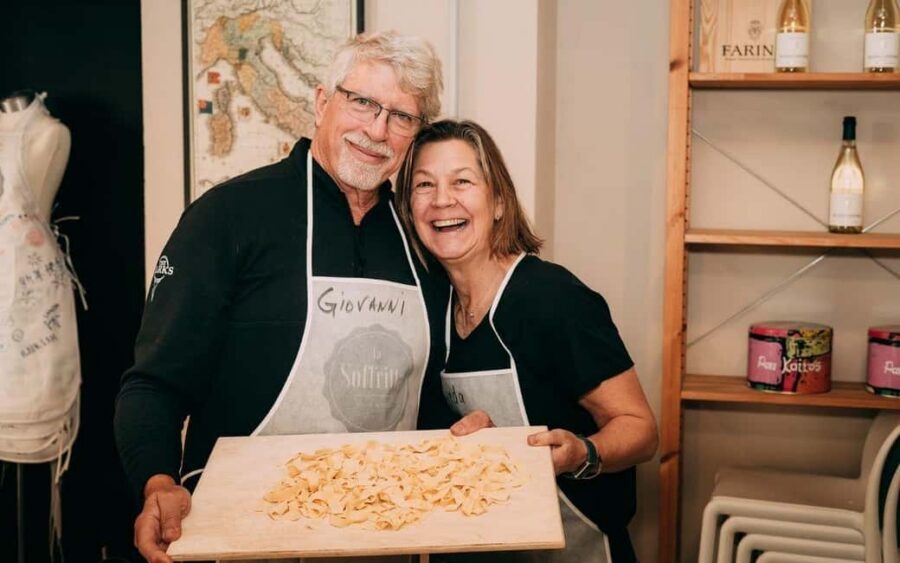
- Make fresh pasta from scratch in a small group format that stays hands-on
- Classic tiramisù with real technique, not just assembly
- Risotto using local rice, taught with practical timing and texture cues
- Lunch with local Valpolicella wine while you sit down and eat what you cooked
- English instruction and a small group size of up to 10 participants
- Take-home recipes in a printed recipe book, plus a QR code some guests find handy for replaying steps later
Entering the Verona kitchen: meet-up, vibe, and timing
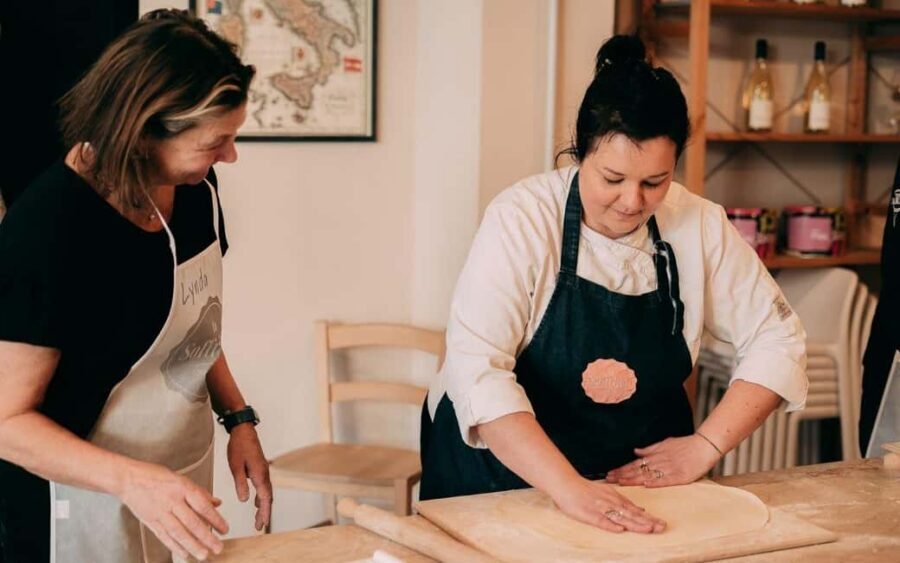
You’ll start at a straightforward meeting point: in front of the theater holding a yellow sign with the word tour on it. After that, the class moves into a professional kitchen where you’ll cook as a group, then share the meal you made. The total time is about 3.5 hours, so it’s long enough to learn real skills, but not so long that it drains your whole day.
The vibe is focused and friendly. The group stays small (limited to 10), which matters because pasta dough and dessert assembly both reward personal attention. And because the instruction is in English, you won’t be left decoding gestures while you’re trying to get the dough just right.
If you’ve got allergies or food intolerances, this is one of the better setups in the Verona cooking-class world because dietary restrictions are catered to. Vegetarian, glucose-free, and lactose-intolerant options are supported, and you’re asked to inform the operator in advance so the kitchen can plan.
You can also read our reviews of more cooking classes in Verona
What you’re really learning: Italian cooking that’s about technique, not tricks
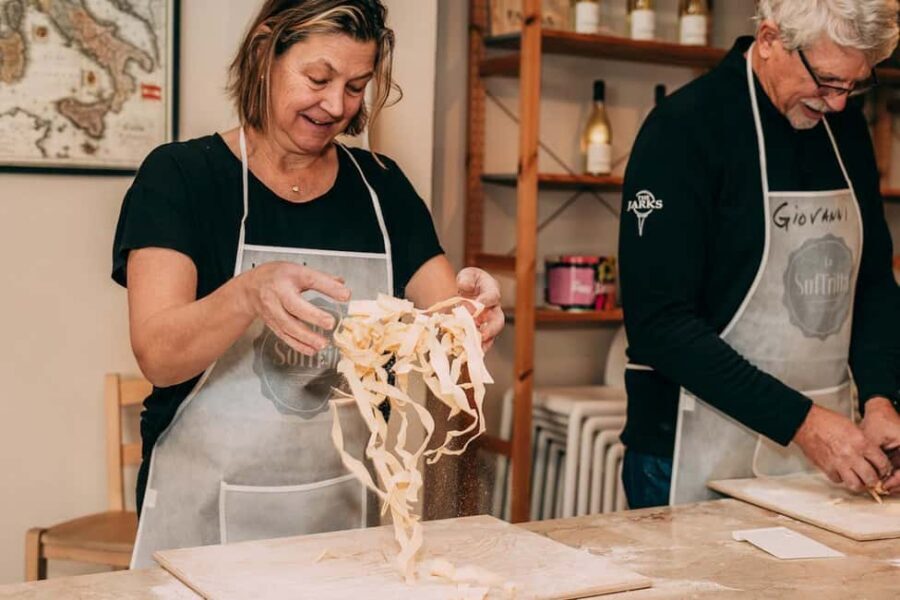
This class frames Italian food the way Italians often do at home: start with great ingredients, then use basic techniques well. You’re not asked to perform fancy chemistry. Instead, you learn what makes flavors click—salt timing, texture cues, heat control, and how to judge doneness by feel and look.
That approach is why fresh pasta, risotto, and tiramisù make sense together. Pasta teaches dough handling and how to work with gluten. Risotto teaches patience and stirring rhythm. Tiramisù teaches layering and how to avoid ending up with soggy or oddly firm dessert.
In the classroom, instructors can be guides like Laura or Cristina, and assistants like Silvia and Krista also pop up in the lineup. You’ll feel that mix of warmth and structure, the kind that keeps you moving but doesn’t rush you.
Making fresh pasta in Verona: dough, shaping, and the “small wins” that stick
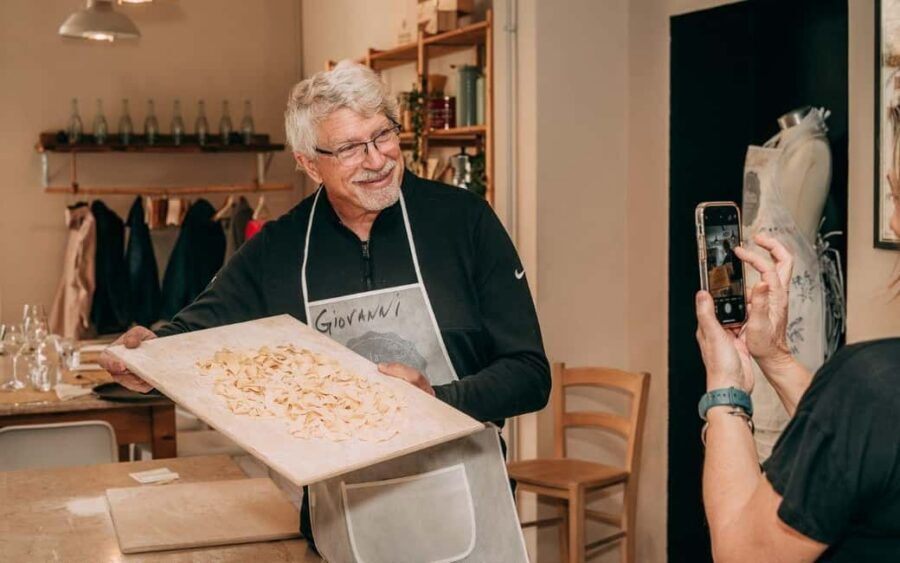
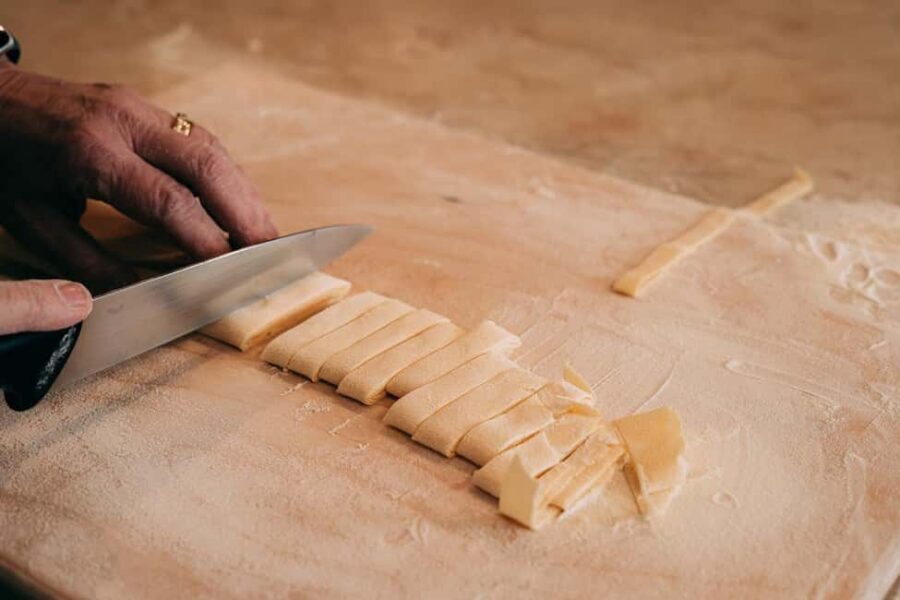
Fresh pasta is the headline for a reason. You’ll learn a hands-on process for making it with the right simplicity—using high-quality ingredients and basic methods that help the flavor come through. This is where the small-group setup pays off: pasta dough can go from perfect to tough fast, so you want quick feedback.
Here’s what you’ll take away in practical terms:
- How to work the dough so it becomes smooth and elastic instead of dry or sticky
- How to shape so you end up with pieces that cook evenly
- How to manage the workflow so you aren’t scrambling while water or pans are heating
Many people walk out thinking they can replicate it at home, and that’s tied to the way the chef teaches. You’ll get cooking tips and techniques during the process, not just after it’s done.
Also, since an apron is provided, you can focus on the dough instead of worrying about what you’re wearing. Just wear clothes you don’t mind getting flour on.
Risotto with local rice: how to get texture right without stress
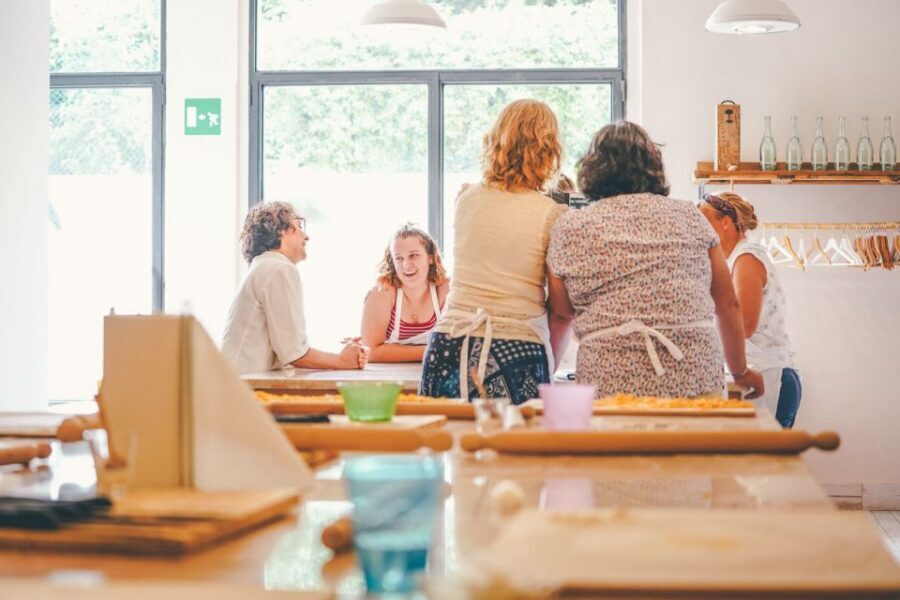
You’ll also learn risotto using local rice. Risotto has a reputation for being hard, but the class approach helps it feel manageable. The goal isn’t fancy ingredients—it’s correct texture and the right rhythm.
You’ll be taught how to work through the steps and how to recognize when the risotto is moving from underdone to properly creamy. That usually comes down to heat control and adding liquid at the right pace, so the rice releases starch slowly instead of turning mushy.
One nice detail is that this isn’t taught as a one-off dish. You’re picking up a method you can reuse later. Once you understand how the rice behaves and what the consistency should look like, risotto stops feeling like a mystery and starts feeling like a repeatable technique.
Tiramisù: building layers that stay creamy, not sad
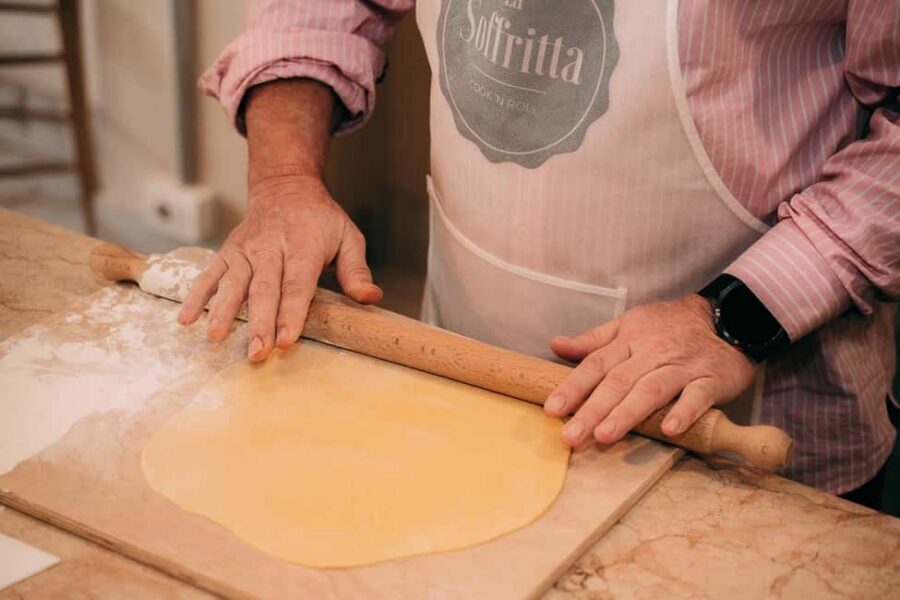
Tiramisù is where most people are both excited and slightly nervous. It’s iconic, so you want to nail it. Here, you’ll make tiramisù using the typical Italian dessert format, and you’ll learn how to put it together properly.
What makes this useful for your home cooking is that tiramisù is sensitive to details like moisture and layering. In a good class, you learn what to do so it tastes fresh and creamy, not watery or stiff.
You’ll also appreciate the structure of the lesson: you’re guided through the steps, then you eat what you made. That matters because tiramisù is one of those desserts where a tiny timing adjustment changes everything.
You can also read our reviews of more tours and experiences in Verona



Lunch with Valpolicella wine: the real payoff is eating together
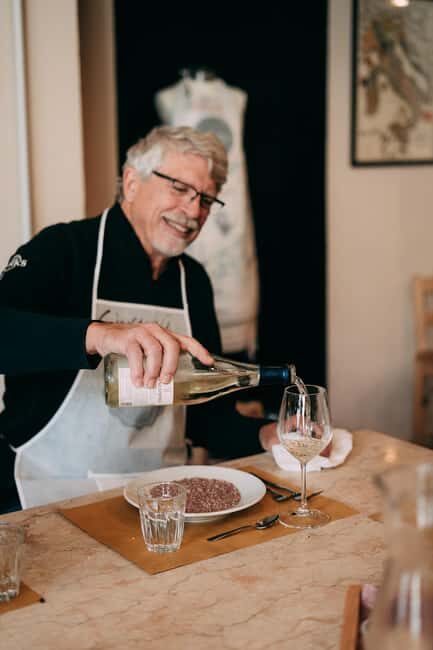
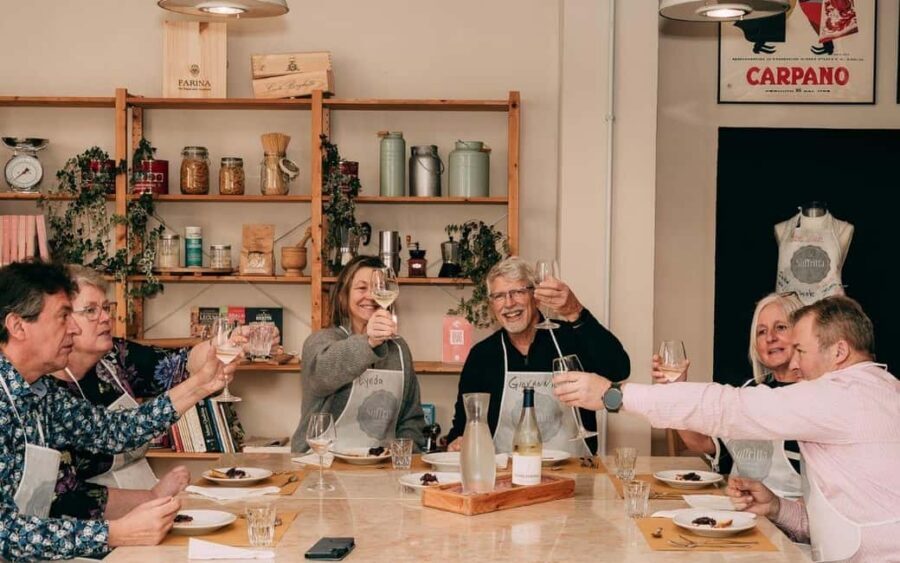
After cooking, you sit down and savor your home-cooked meal. Lunch includes wine, with local Valpolicella called out as part of the experience. If you enjoy pairing food and wine, this is a fun moment because you’ve just made the food yourself, so your taste buds are fully awake.
This meal break also gives you something practical: you get to compare what your group made with what ended up on the plate. Since it’s a small group, you can chat with other participants while still staying on schedule.
And yes, the dessert and risotto tend to be the parts people remember most, but don’t skip the pasta experience just because you’re focused on tiramisù. You’ll learn enough pasta technique to feel proud, and then the meal makes it stick.
Price and value: why $107.62 can make sense here
At $107.62 per person for about 3.5 hours, this isn’t a bargain-basement class. You’re paying for a professional kitchen, a chef-led lesson, ingredients, and wine at lunch. You’re also paying for small group size (up to 10), which reduces the “watching from afar” problem that cheap classes often have.
Here’s what you’re getting for the money:
- A professional chef and hands-on instruction
- Ingredients for everything you cook
- Use of an apron
- Lunch plus wine
- A recipe book (and many guests also receive a QR code with recipes at the end)
To me, the value lands when you think bigger than one meal. If you’ll actually cook these dishes again at home, the class functions like a paid crash course in reliable technique: pasta dough handling, risotto texture control, and tiramisù assembly.
If you want a quick taste of Italian cooking, a restaurant meal might feel simpler. But if you want skills you can repeat, the price starts to look fair.
Who should book this Verona cooking class
This is a great pick if you want:
- Hands-on cooking time in Verona, not a quick demo
- An English-led class with a small group size
- A structured way to learn pasta, risotto, and tiramisù
- Something you can recreate later using the recipe book and QR code
It also fits well if your travel style is food-first and you like doing one “real” activity instead of five photo stops.
Skip it if:
- You use a wheelchair (it’s not suitable for wheelchair users)
- You’re traveling with kids under 14 (children under 14 can’t join)
- You need a fully accessible setup for reduced mobility (some parts may not be easy to navigate)
Should you book? My honest recommendation
Book it if you want to leave Verona with more than memories. This class gives you technique you can repeat: making fresh pasta, learning how risotto turns creamy, and assembling tiramisù the way it’s meant to be made. The meal payoff is real because you eat what you cook, with Valpolicella at lunch.
Don’t book it if accessibility is a deal-breaker for you, or if you only want a brief tasting experience. Otherwise, this is one of those Verona activities that feels worth the time because it teaches you how to make the dishes, not just how to pronounce them.
FAQ
What dishes will we make in the class?
You’ll learn to make classic Italian dishes including hand-made fresh pasta, risotto made with local rice, and tiramisù.
How long is the Verona cooking class?
The class duration is about 3.5 hours. Start times vary, so check availability when you book.
Is the class taught in English?
Yes. Instruction is in English.
What’s included in the price?
The class includes a professional chef, ingredients, use of an apron, lunch with wine, and a recipe book.
Is hotel pickup and drop-off included?
No. Hotel pickup and drop-off are not included.
What kind of group size should I expect?
It’s a small group limited to 10 participants.
Can vegetarians or people with dietary restrictions join?
Yes. Vegetarian options are catered to, and there are also accommodations for glucose-free and lactose-intolerant diets. Inform the tour operator in advance about any intolerance or allergy.
Are children allowed?
Children under 14 years can’t join the activity. Minors must be accompanied by an adult.
Is the class suitable for wheelchair users?
No. It is not suitable for wheelchair users, and some parts of the tour may be difficult for people with reduced mobility.
What’s the cancellation policy?
You can cancel up to 24 hours in advance for a full refund.
Can I pay later?
Yes. You can reserve now and pay later, which keeps your plans flexible.