REVIEW · VERONA
Verona: Gelato Making Class
Book on GetYourGuide →Operated by Ways Tours | B Corp company · Bookable on GetYourGuide
Somehow, gelato class sounds nicer than it should.
This Verona experience is a practical, feel-good cooking lesson where you learn how Italian-style ice cream and fresh fruit sorbet come together, step by step. I like that it’s taught in an actual cooking school setting—stylish, vintage, and built for hands-on work. I also love the way the class blends technique with play: you cut fruit, work with the machine, then finish by serving your portions and tasting as a group.
One thing to keep in mind: it’s not suitable for wheelchair users, and parts of the course may be tricky for people with reduced mobility.
In This Review
- Key highlights you’ll actually care about
- Finding the Kitchen: Meet at Ristori Theater, Then Walk to the Cooking School
- Two Hours, Real Results: What You’ll Make in Class
- Gelato and Sorbet Fundamentals: The Steps That Make It Taste Italian
- The Chef-Led Experience: Patient Teaching, Real Interaction
- Toppings and Taste Tests: Beyond Basic Sweet
- The Recipe Book Take-Home: Turning Lessons into Weeknight Gelato
- Price and Value in Verona: Is $74.02 Worth It?
- Who Should Book This Gelato Class (and Who Should Skip It)
- Practical Tips Before You Go: Make It Easy and Enjoyable
- Should You Book the Verona Gelato Making Class?
- FAQ
- Where do I meet the guide for the gelato making class?
- How long is the Verona gelato making class?
- Is the instruction offered in English?
- What’s included in the price?
- Are pets allowed?
- Is this class suitable for wheelchair users?
- What if I have allergies or food intolerances?
Key highlights you’ll actually care about
- Ristori Theater meet-up with a guide holding a yellow TOUR sign, then a short walk to the cooking school
- Gelato + fruit sorbet made from scratch during a tight 2-hour session
- English instruction with a friendly chef who guides you through each step
- Recipe book included, plus time to jot tips so you can repeat the results at home
- Lots of toppings and tastings, including surprising pairings like olive oil and balsamic
Finding the Kitchen: Meet at Ristori Theater, Then Walk to the Cooking School
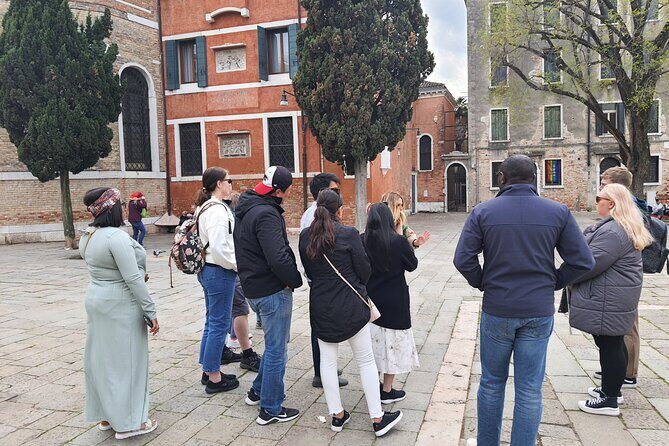
The experience starts in the city center, in front of the Ristori Theater. Look for your guide at the entrance holding a yellow sign with TOUR written on it. From there, you’ll walk to the cooking school. That short transition matters more than you’d think: it keeps the experience easy to follow and helps you shift from sightseeing mode into kitchen mode without stress.
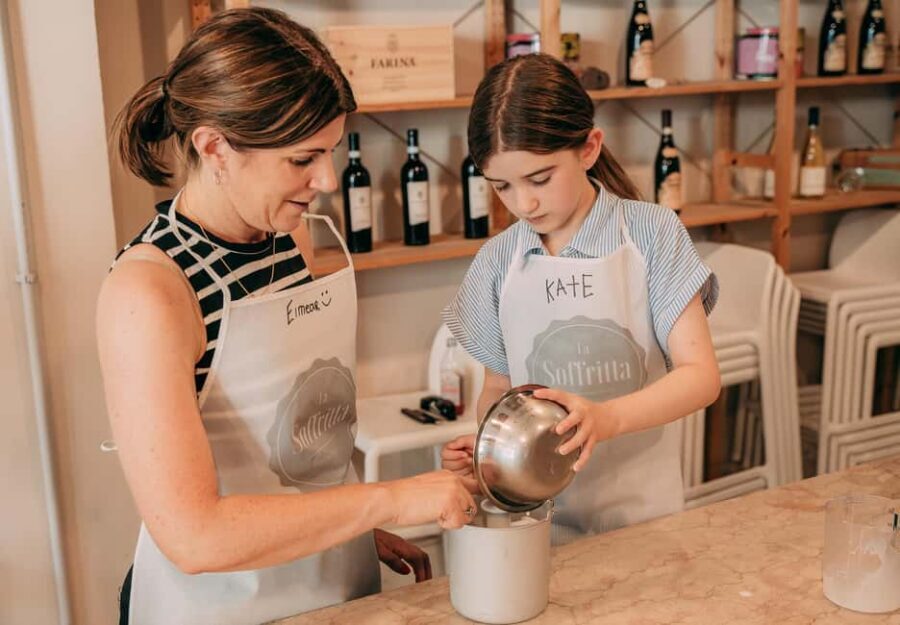
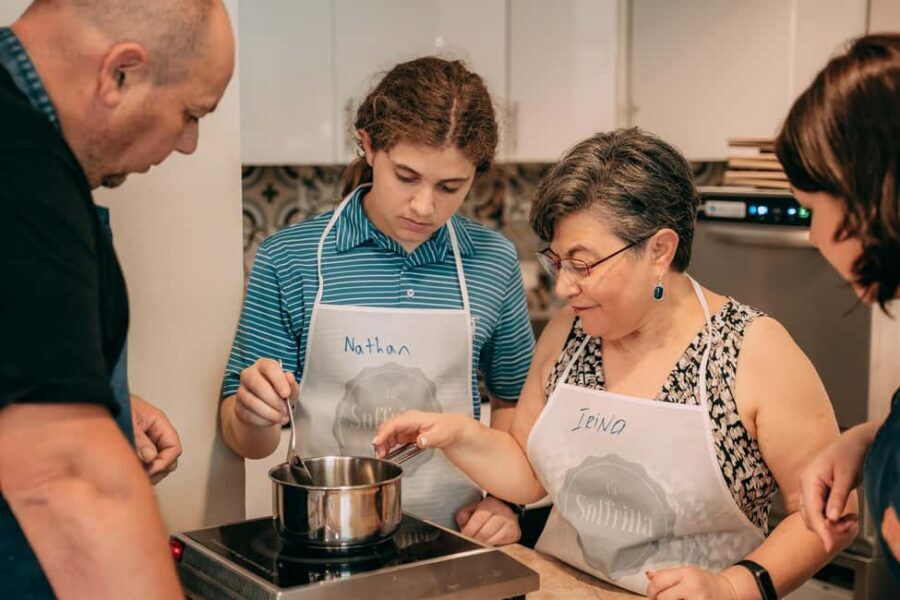
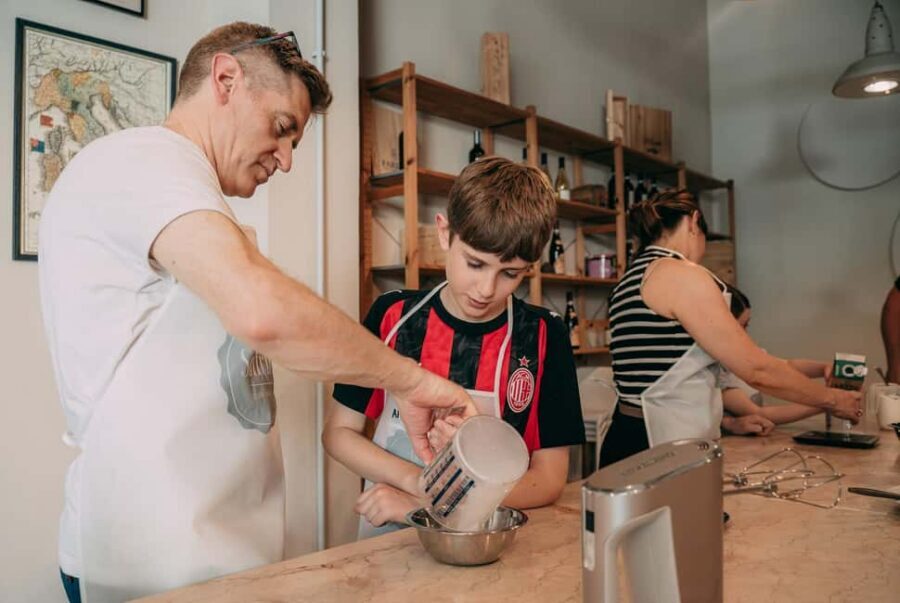
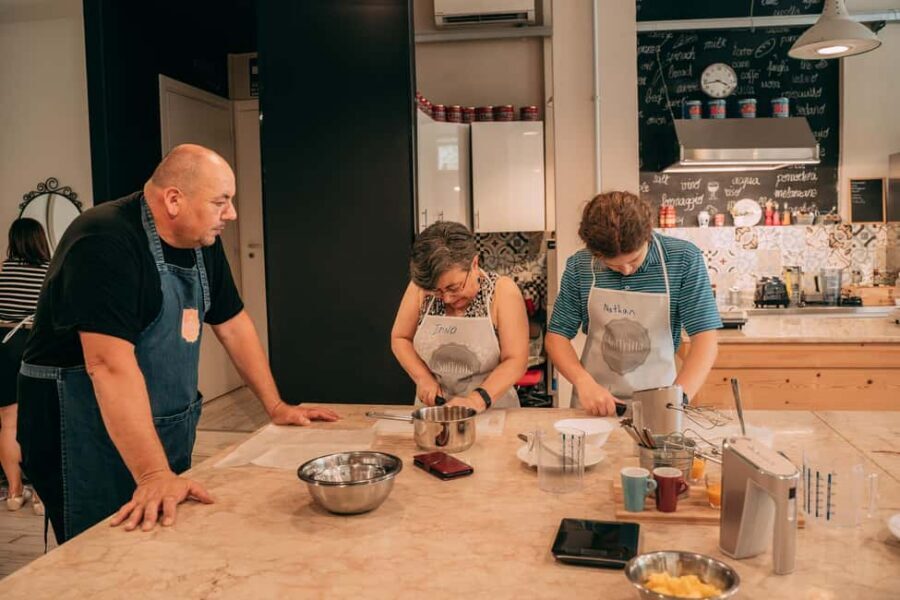
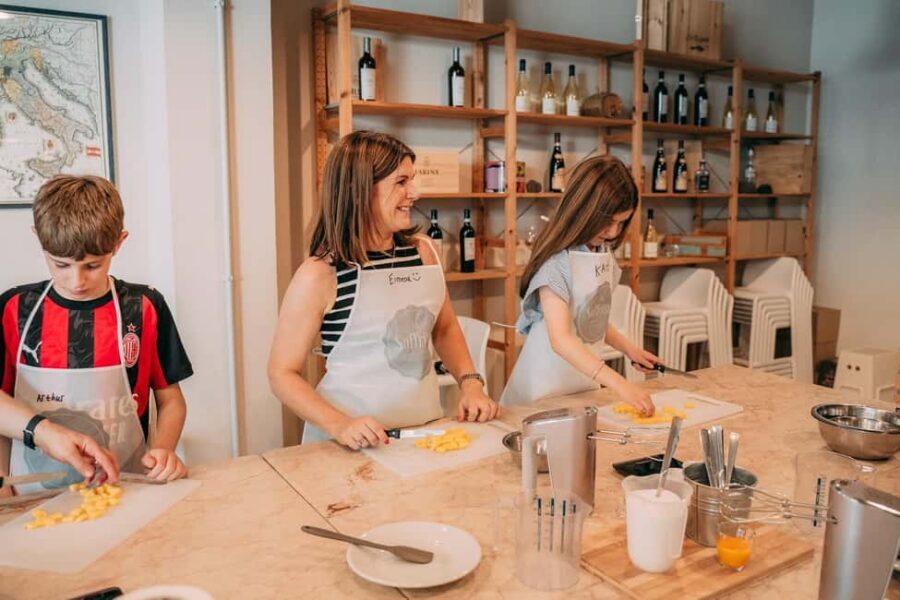
The cooking school itself is described as stylish and vintage—clean, set up for real classes, and designed for getting your hands involved. In a city like Verona, it’s a nice change from the usual “stand and watch” tour format. You’re not just learning about gelato. You’re doing the steps, wearing the apron, and working alongside other participants.
If you’re coming with kids, this walk-and-arrive setup is also helpful. It gives them a clear start point and something concrete to look forward to right away. The main drawback: the activity isn’t set up for wheelchair access, and some parts may not be easy for reduced mobility, so plan accordingly.
You can also read our reviews of more tours and experiences in Verona

Two Hours, Real Results: What You’ll Make in Class
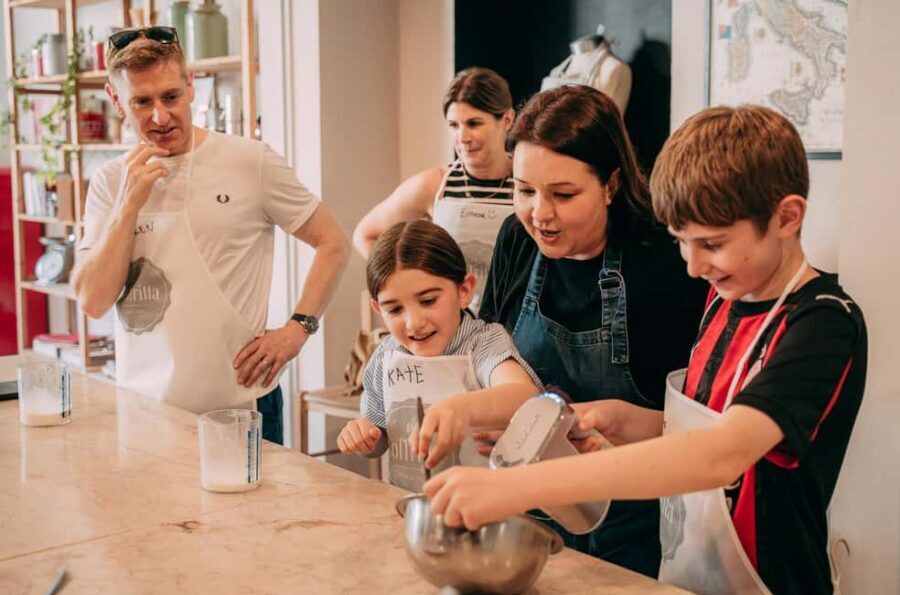
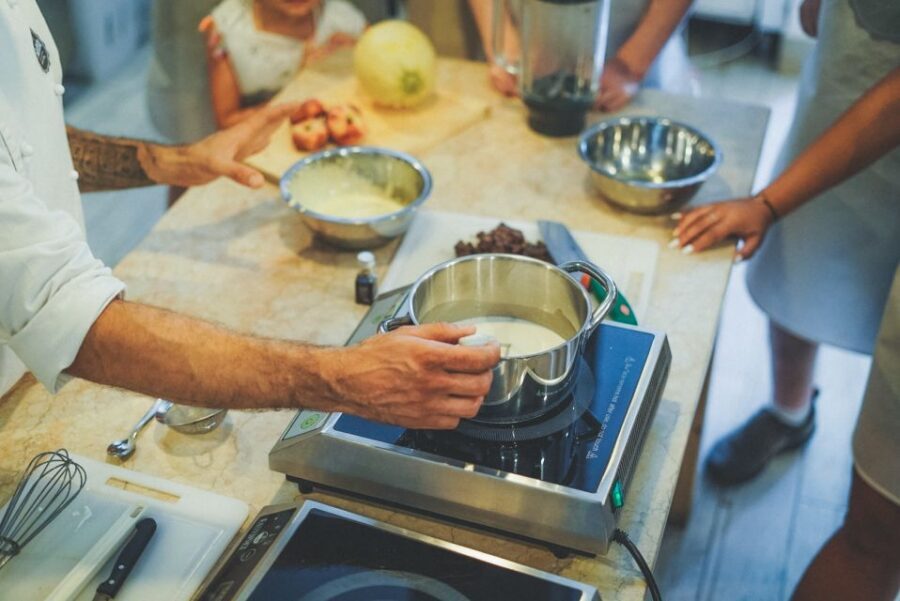
This is a 2-hour hands-on cooking class built around two desserts: traditional Italian gelato and fresh fruit sorbet. You’ll get comfortable in the kitchen, put on your apron, and start cooking.
Here’s the flow, in plain language:
- You’ll cut fresh fruit while the chef guides you through what matters for texture and flavor.
- You’ll mix gelato ingredients using the machine as you move through the recipes.
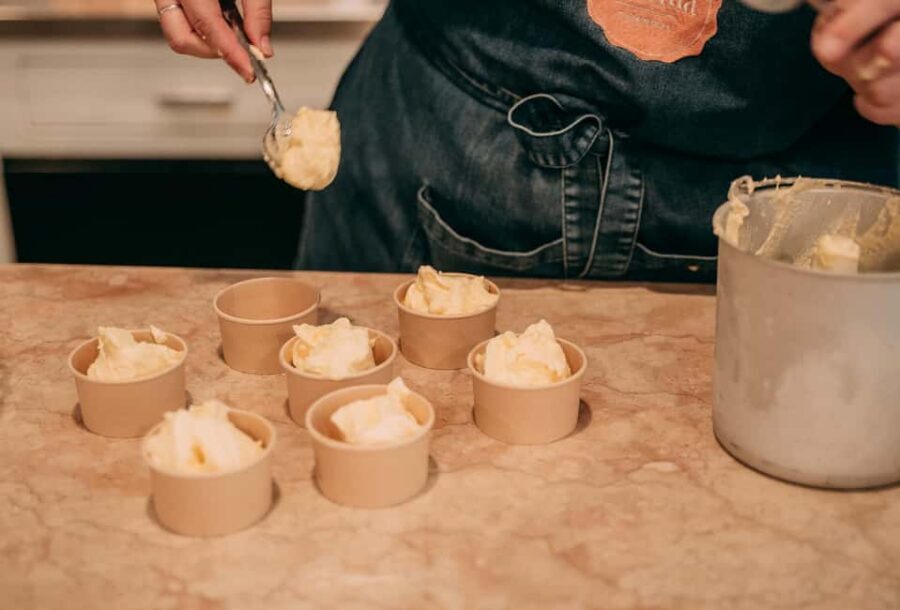
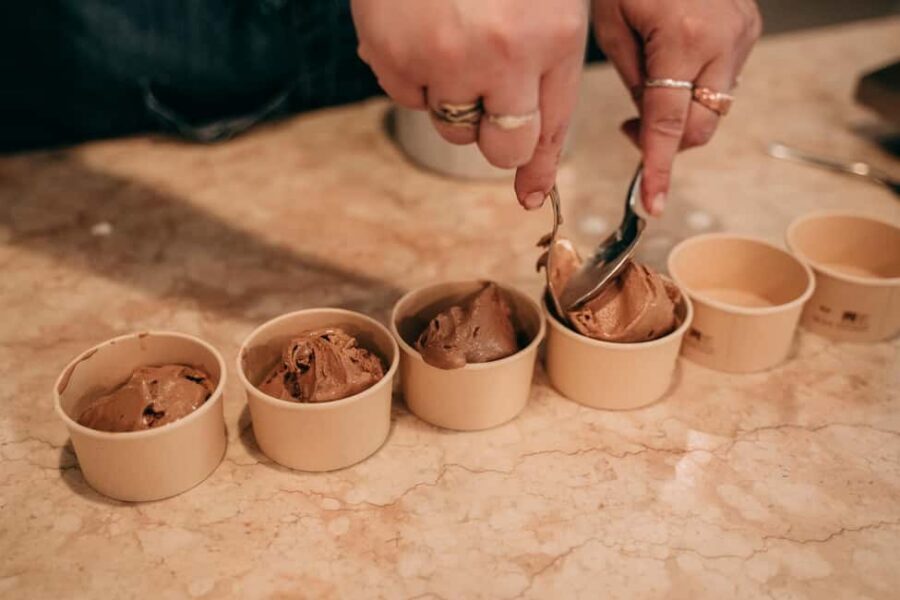
- You’ll portion the finished desserts into glasses.
- Then you’ll taste what you made with the rest of the group.
The sorbet part is especially fun because it’s fruit-forward. Also, sorbet flavors can change with the seasons, so you might not make the exact same flavors as someone else did earlier in the year. What stays consistent is the fundamentals—how you combine fruit flavor with the sorbet base so it ends up smooth and balanced.
If you like structure, this class delivers. It’s long enough to matter, but short enough that you leave with results in your hands (and on your tongue), not just “notes for later.”
Gelato and Sorbet Fundamentals: The Steps That Make It Taste Italian
What makes this class more than a quick dessert stunt is how it treats gelato like a craft, not a magic trick. You’re shown how to handle ingredients, how to mix the recipe components, and how to think about consistency.
One detail I’m glad they include: you’re not just told what to do—you’re encouraged to write tips in the recipe book. That’s where the class pays off after your trip. When you’re back home staring at your ingredients, those quick notes help you remember the small things that often change the final result.
The chefs also explain how flavors and bases work. In one class, the instructor shared that the gelato techniques you learn can work as a starting point for many other gelato variations. So you’re not only learning one recipe—you’re learning a pattern.
You’ll also see how batch work happens. In some sessions, students may make small batches that later combine with the rest of the group’s gelato, while others work on their own recipes. Either way, the emphasis stays on your active role: you’re cutting fruit, mixing ingredients, and finishing with tasting.
The Chef-Led Experience: Patient Teaching, Real Interaction
This class is led by an English-speaking instructor (with chefs and hosts guiding you in the kitchen). Names that show up in the experience include Laura, Sylvia, Christina, and Max—and the common theme is how calmly they run things, even with lively kids around.
I like that the teaching style is both friendly and structured. One parent described the hosts as calm with active young boys, and multiple people noted how the chefs answer questions ranging from basic to more detailed. That matters if you’re the type who wants to understand why a step works, not just follow it.
Another strong point: the class can feel personal. One participant ended up with a small group of six and described it as intimate, with good interaction. If you’re traveling solo, that small-group energy can be a real plus because you have time to chat, ask questions, and not just stand off to the side.
Toppings and Taste Tests: Beyond Basic Sweet
Gelato in Italy is never only about the ice cream. It’s about balance, texture, and contrast—and the class leans hard into that with toppings and tasting.
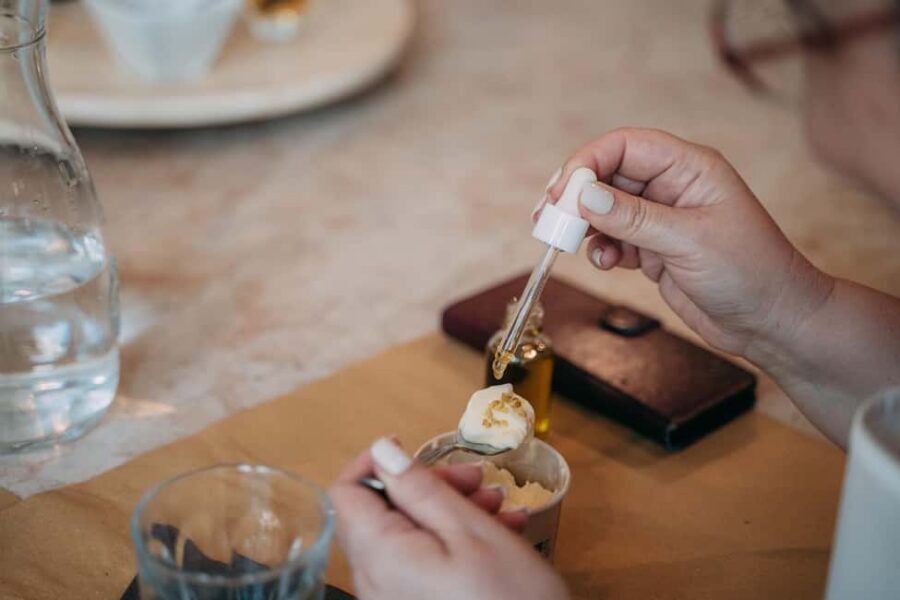
You’ll taste what you made, but you’ll also get exposure to a range of topping ideas. People have described trying items like:
- Hazelnuts and biscotti
- Olive oil and balsamic vinegar
- Red wine reduction (especially with a panna-style gelato)
- Salt and honey
That may sound unusual if you’re used to gelato as purely dessert-sweet. But this is where the lesson really sticks. The toppings aren’t random—they’re used to show how flavors can play off each other. The red wine reduction pairing, for example, is the kind of idea you won’t forget once you taste it.
You’ll also see more flavors than just one or two gelato styles. In some sessions, students make several different varieties. Even if you only remember one or two favorites, the range gives you a sense for how gelato types differ and how sorbet can stay fresh and light.
If you’re shopping for a memorable food moment in Verona, this tasting-and-topping part is where it becomes more than just cooking.





The Recipe Book Take-Home: Turning Lessons into Weeknight Gelato
The class includes a recipe book, and it’s not just a printed souvenir. During the session, you’re encouraged to write tips as you go. That transforms the experience from a one-time treat into a skill you can recreate.
Think about what you usually lose after a food tour: you remember the taste, but you forget the small process details. Here, the recipe book plus your own notes helps you avoid that trap. You leave with a reference you can actually use.
Also, since sorbet flavors can shift with the seasons and topping choices can vary, the recipe book approach is smart. You’re getting the method and the structure. Then you can adapt to what looks best when you’re shopping at home.
Practical reality: gelato-making equipment and ingredients might not match perfectly everywhere. But the class approach is built around fundamentals, so you’re not starting from zero.
Price and Value in Verona: Is $74.02 Worth It?
At $74.02 per person, this isn’t a budget activity. But it also isn’t priced like a simple gelato tasting where you pay for a scoop and a smile.
Here’s what you’re paying for, based on what’s included:
- A professional chef
- Ingredients
- An apron
- Your gelato and sorbet
- A recipe book
That’s meaningful value because the cost covers your time in a real teaching kitchen and the work itself. You’re making multiple desserts, getting hands-on coaching, and leaving with something you can use at home.
What’s not included: hotel pickup and drop-off. That’s normal for a walking city center activity, but it’s still a cost you’ll absorb if you’re relying on taxis or long transfers. If you’re already staying near central Verona, the missing pickup matters less.
One more note from experience patterns: people have said it can feel a bit pricey, yet worth it because it’s fun and informative. If you like practical food experiences—especially ones where you do the work—this price usually lands as fair.
Who Should Book This Gelato Class (and Who Should Skip It)
This class is a strong fit for:
- Families with kids who want a fun, hands-on kitchen activity
- Solo travelers who want a structured activity and easy conversation with others
- Anyone who likes gelato and wants to understand how it’s made, not just buy it
It’s also described as kid-friendly, and one parent praised how smoothly it worked for children. Just remember: underage guests must be accompanied by an adult.
On the other hand, you should think twice if:
- You use a wheelchair (the class is not suitable for wheelchair users)
- You need step-free or highly accessible routing (some parts may be hard to access for reduced mobility)
- You need to bring a pet (pets are not allowed)
- You’re traveling with an unaccompanied minor (this isn’t offered that way)
If you have allergies or food intolerance, the key is planning ahead. The activity provider says they’ll do their best to accommodate special needs if you provide advance notice.
Practical Tips Before You Go: Make It Easy and Enjoyable
A few straightforward tips can make your 2 hours smoother:
- Plan to meet your guide in front of Ristori Theater and arrive a few minutes early so your group can start together.
- Wear clothing you’re comfortable getting slightly messy—gelato class is kitchen class.
- If you have allergies or dietary needs, send details in advance so they can do their best to accommodate you.
- Since instruction is in English, it’s a good option if you want cooking guidance without language friction.
- The activity requires a minimum of 2 participants, so on very quiet days it may depend on availability—check times and book early if you can.
One small but helpful mindset shift: show up with a light, curious attitude. The class involves both making and tasting, plus toppings that might be surprising. If you come ready to experiment, you’ll get a better payoff than if you’re only focused on your favorite flavor.
Should You Book the Verona Gelato Making Class?
Yes—if you want a Verona experience that feels genuinely hands-on, not just food-on-a-plate. I’d book it if your travel style includes practical skills, fun group interaction, and learning the fundamentals you can repeat later.
It’s especially worth it for families and for people who like asking questions while cooking. Between the structured steps, the recipe book with notes, and the mix of gelato and fruit sorbet, you’ll leave with more than a sweet memory—you’ll have a method.
Skip it if accessibility is a concern for you, or if you’re looking for a quick stop rather than a full cooking session. At $74.02, it’s a “do this because you’ll use it” kind of purchase, not a casual impulse.
FAQ
Where do I meet the guide for the gelato making class?
Meet your guide in front of the Ristori Theater entrance. The guide will be holding a yellow sign with TOUR written on it.
How long is the Verona gelato making class?
The class lasts 2 hours.
Is the instruction offered in English?
Yes. The instructor teaches in English.
What’s included in the price?
Included are a professional chef, ingredients, use of an apron, the gelato/sorbet you make, and a recipe book.
Are pets allowed?
No, pets are not allowed.
Is this class suitable for wheelchair users?
No. It is not suitable for wheelchair users, and some parts of the activity may not be easily accessible for people with reduced mobility.
What if I have allergies or food intolerances?
You should provide advance notice of any special needs. The activity provider will do their best to accommodate food intolerance or allergies.