REVIEW · PADUA
Olive Mill Tour and Tasting in the Padua Hills
Book on GetYourGuide →Operated by Slow Travel · Bookable on GetYourGuide
Olive oil gets a real-world lesson here. This one-hour visit mixes the old and the new: you walk a mill with granite millstones still used alongside modern cold extraction, then you taste oils that reflect the Colli Euganei volcanic soil. I especially like how the tour connects production steps to what ends up in your glass, and I like that the tasting isn’t just oil in a vacuum—it comes with fresh bread and gourmet pairings.
The main drawback is logistics. The mill is in Valnogaredo, about a 45-minute drive from Padua, and transport isn’t included, so you’ll want a plan for getting there and back.
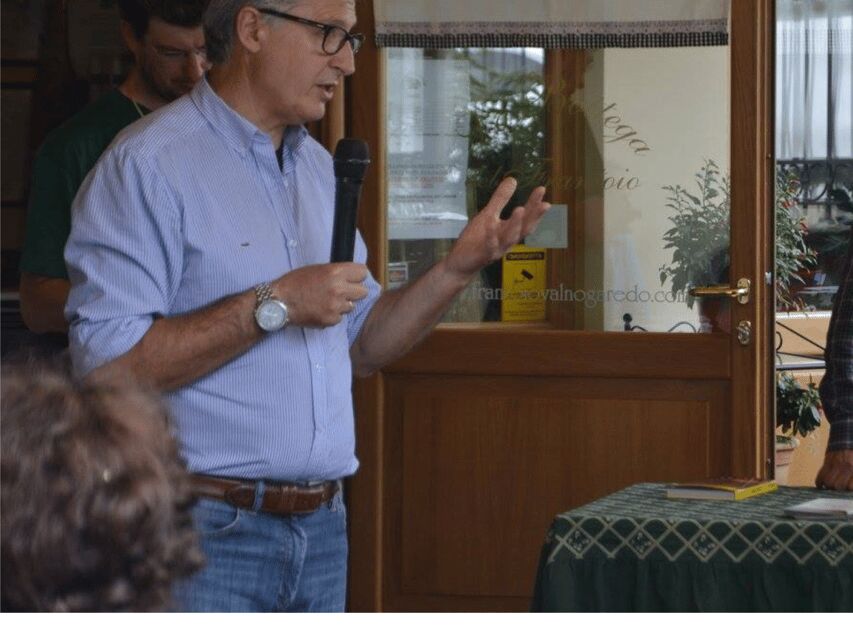
You’ll usually be guided in English or Italian by a live guide—some tours are led by people like Claudia or Clara—and the group stays small (up to 10). That setup makes it easier to ask questions about both harvesting and extraction, and the experience is wheelchair accessible.
In This Review
- Key Takeaways Before You Go
- Padua Hills to Valnogaredo: why this location matters
- A 1-hour plan that moves fast (45 minutes tour, 15 minutes tasting)
- Inside the mill: what you’ll actually see (and why it tastes different)
- The tasting: DOP oils, organic bottles, and the Rasara monocultivar
- What you’ll learn about traditional vs modern extraction
- Sustainability and quality: the practical side behind the scenes
- Price and value: is $47 a good deal for this?
- Who this is best for (and who should skip it)
- Buying oil on-site: plan how you’ll use it
- Entertaining questions you can ask your guide
- Should you book the Olive Mill Tour and Tasting in the Padua Hills?
- FAQ
- What is the duration of the tour?
- How much does it cost?
- Where do I meet for the tour?
- How far is it from Padua?
- Do I need transport from Padua?
- What languages is the tour offered in?
- How big is the group?
- What is included in the tasting?
- Is the experience wheelchair accessible?
- Can I cancel or book with flexibility?
Key Takeaways Before You Go
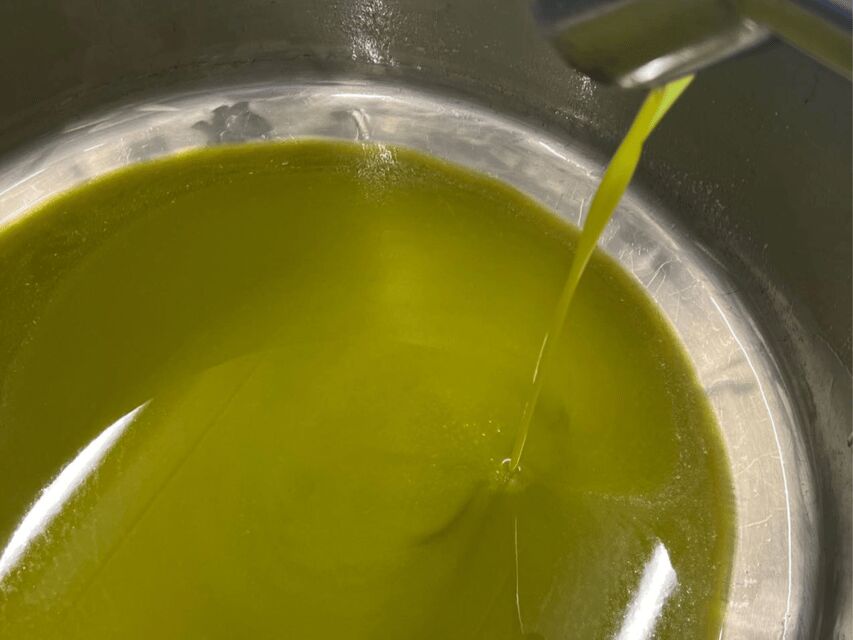
- Historic mill + modern cold extraction: you see how tradition and quality-focused technology work side by side.
- Volcanic terroir explained simply: the Colli Euganei soils are part of the flavor story.
- Tasting with structure: DOP Veneto Euganei and Berici oils, organic varieties, and the Rasara monocultivar on fresh bread.
- Food pairings that make sense: olive pâtés, basil pesto, sun-dried tomato pâté, and olives in brine.
- Organic and DOP standards: the groves are cultivated to strict organic and DOP expectations.
- Sustainability you can point to: solar panels, biogas, and water recycling are part of how the mill runs.
Padua Hills to Valnogaredo: why this location matters
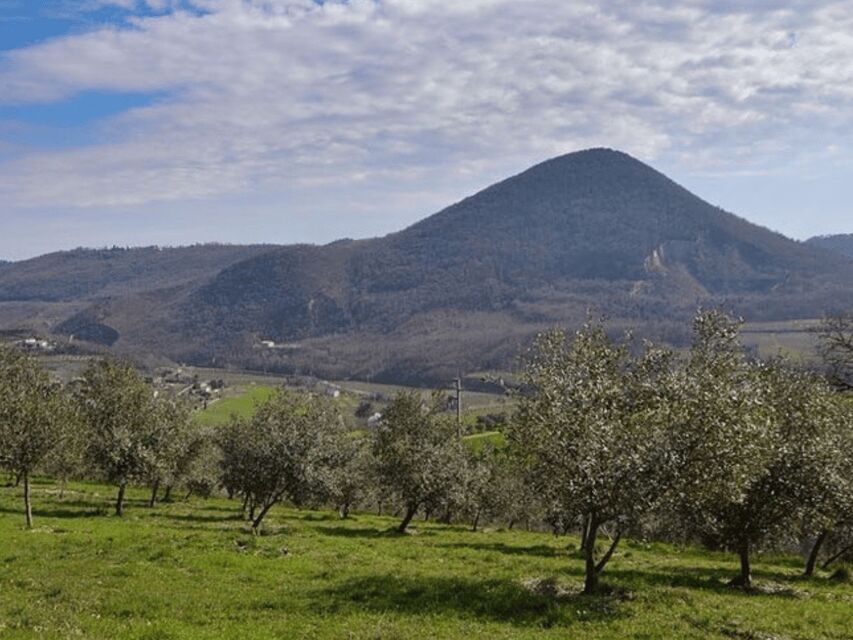
This tour takes place in the Colli Euganei park area, in the village of Valnogaredo, near Arquà Petrarca (Francesco Petrarca once lived there). The setting isn’t an afterthought. The hills and volcanic terrain help explain why local olive varieties taste the way they do.
Even if you’re staying in Padua, you’re not just driving out to a generic farm stop. You’re going to a working production site that’s tied to the local landscape and local rules for quality—organic practices and DOP expectations.
Plan on roughly 45 minutes by car from Padua. Since transport isn’t included, bring your own wheels, book a taxi, or arrange a ride. If you’re thinking of doing it as an easy add-on with no transit plan, this is where it can get annoying.
You can also read our reviews of more food & drink experiences in Padua
A 1-hour plan that moves fast (45 minutes tour, 15 minutes tasting)
The experience is built to be short and focused. You get a guided olive mill tour for about 45 minutes, then you switch to a guided tasting session for about 15 minutes.
That pace is ideal if you want to learn something real without turning it into a half-day cooking class. It also keeps everyone fed and calm—olive tasting is easier when it’s not dragged out for hours.
Right at the start, you’ll get a welcome and a clear introduction to the mill’s story. Then you’ll move through the estate and the production areas, following the flow from olives to oil. At some point in your visit, you’ll also have the chance to use the self-guided walk materials around the orchards, so you can slow down after the guided portion.
Inside the mill: what you’ll actually see (and why it tastes different)
One of the strongest reasons to book is the way the tour connects equipment to flavor. This mill has roots going back to the 1700s, linked to the Dogi Contarini at Villa Contarini, and it was moved to its current scenic spot in the 1960s. You’ll hear that history, but it won’t stay stuck in the past.
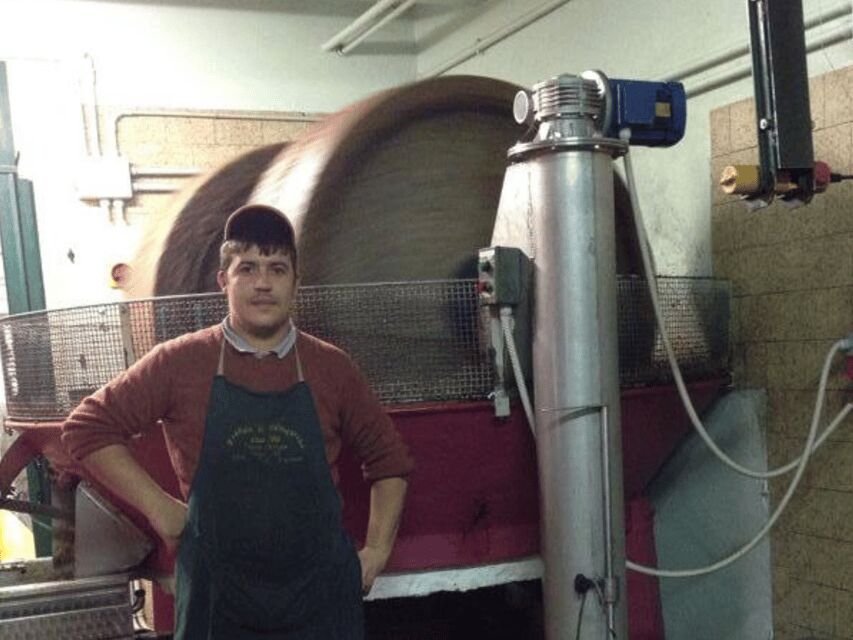
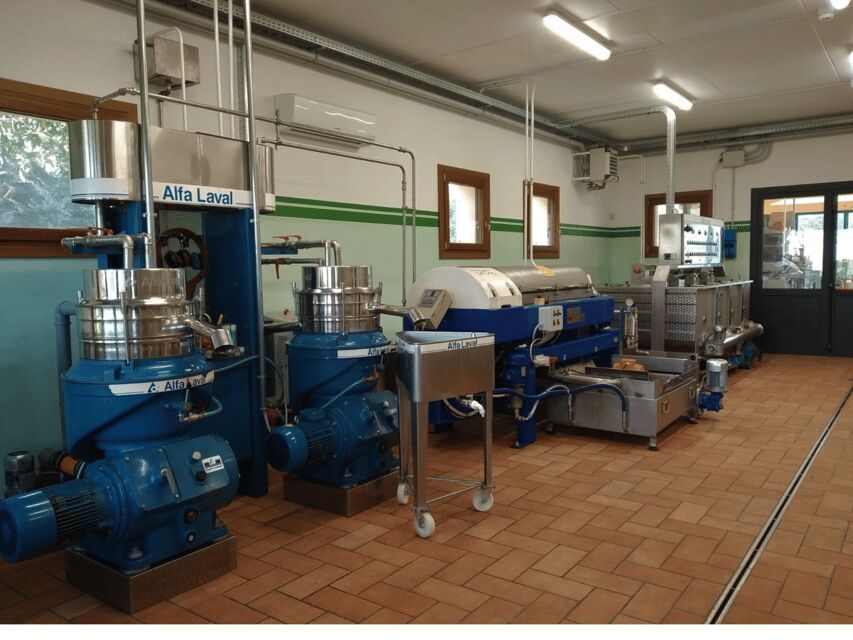
The key detail is that the mill honors tradition and still runs modern processes. You’ll walk past original granite millstones and older pressing methods, then you’ll also see advanced cold extraction technology. The point isn’t to rank one over the other. It’s to show how producers protect taste and nutritional quality while meeting today’s standards.
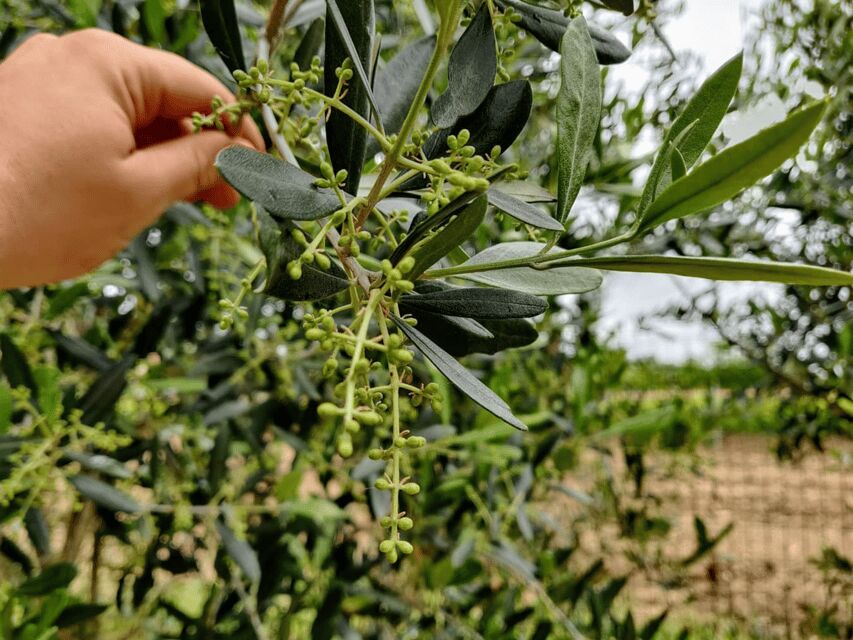
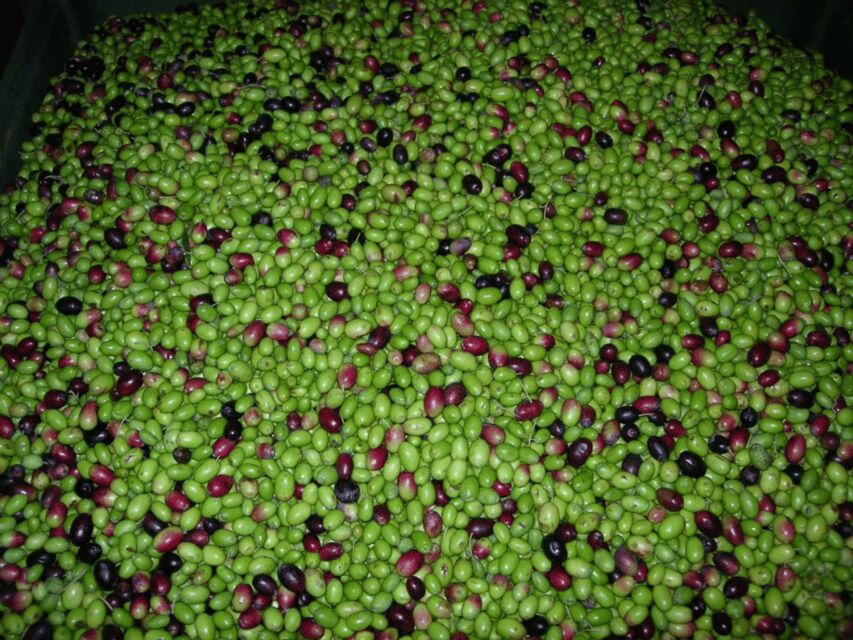
You’ll also get the full process arc, from careful harvesting to the milling and extraction steps. The olives come from organic groves on Monte Brecale and Monte Resino. As you move through the production sequence, you’ll hear how the volcanic soil of the Colli Euganei influences the character of the oils by variety.
If you like food science without the jargon, this section is for you. It turns what could be vague—green, peppery, fruity—into something you can map back to a real production chain.
The tasting: DOP oils, organic bottles, and the Rasara monocultivar
The tasting is the payoff. It’s guided, structured, and served on freshly baked bread, so you’re not just sipping oils from a tiny spoon like it’s a chemistry experiment.
Expect a range that includes D.O.P. certified oils from Veneto Euganei and Berici. You’ll also taste organic varieties and the Rasara monocultivar. That last word matters: a monocultivar is about a single olive variety, which helps you taste how one cultivar expresses itself.
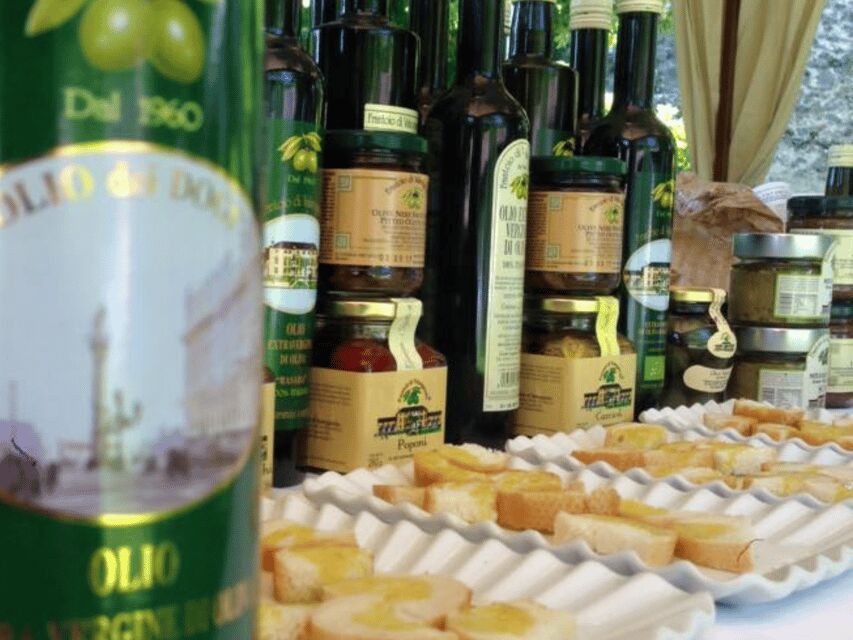
The tasting also includes food pairings that show how local producers think. You’ll sample black and green olive pâtés with fresh bread, basil pesto, sun-dried tomato pâté, and olives in brine. Those pairings make it easier to understand the oils as ingredients, not just as products.
One practical tip: go in with a curious, not precious, mindset. Olive oil tasting is about contrast. If one sample seems strong, it usually makes more sense once you compare it with the next one.
What you’ll learn about traditional vs modern extraction
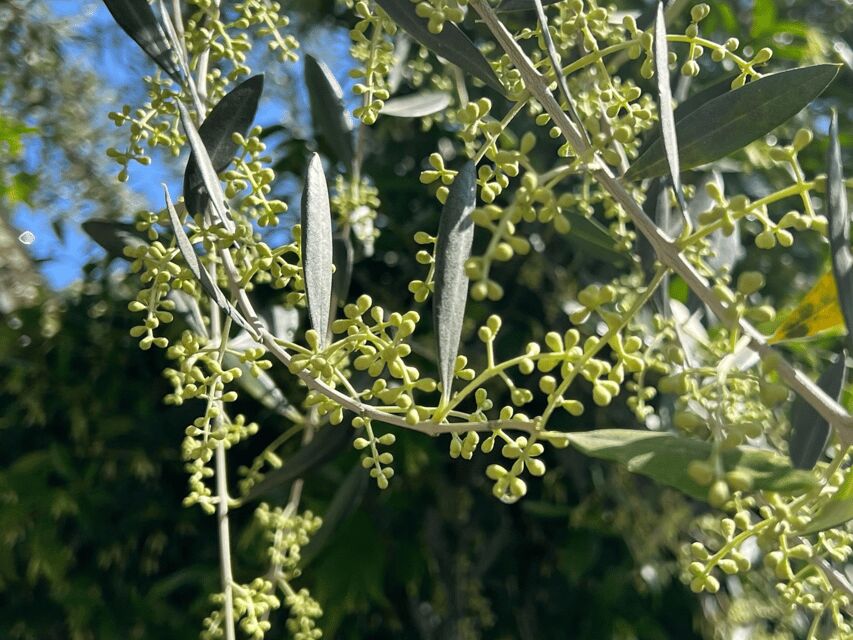
A big reason people rate this tour so highly is the comparison. You’ll see traditional and modern extraction methods side by side, and you’ll learn why both matter in practice.
Traditional steps connect to the way olives are handled before oil extraction. Modern cold extraction is about protecting quality—keeping the oil tasting clean and expressive instead of bruised or cooked-down.
This isn’t a lecture that ends with a quiz. The guide’s job is to help you connect the dots between what’s happening in the mill and what you’ll notice in aroma and flavor. If you’re the type who asks why an oil tastes the way it does, this is a friendly environment for that.
Also, because the group is capped at 10, you’re more likely to get direct answers instead of feeling rushed.


Sustainability and quality: the practical side behind the scenes
You don’t have to be a sustainability expert to appreciate what the mill is doing. The information you’ll hear is concrete: renewable energy via solar panels and biogas, plus water recycling.
That matters for two reasons. First, it ties quality to long-term thinking; second, it helps you see that “organic” and “DOP” aren’t just labels at the checkout counter. The tour explains that the groves follow strict organic and DOP standards.
The connection to flavor is the part that makes this worth your time. When you understand that the mill is working within defined quality expectations—organic cultivation, DOP-focused criteria, and responsible operating practices—you start tasting with more context.
Price and value: is $47 a good deal for this?
At $47 per person for about an hour, the value mainly comes from three things you get together: a guided mill tour, a guided tasting, and a tasting table that includes bread plus multiple gourmet pairings.
Many food experiences in Italy either focus on sightseeing or focus on eating. This one combines both without stretching the schedule. You’re paying for learning and sampling in the same visit, and you’re not stuck paying extra for a separate tasting session.
The other value factor is the small group size (up to 10). If you’ve ever been in a large group tour where nobody can ask questions, you’ll feel the difference here. The cost makes more sense because the guide can actually spend time with the people in front of them.
The catch is transport. Since you’re not getting included rides from Padua, your all-in cost depends on how you travel. If you already have a car (or you’re comfortable with local taxis), the pricing feels straightforward. If you’re relying on public transport with no plan, it may feel steep just because the logistics cost time.
Who this is best for (and who should skip it)
This tour is a strong fit if you like food and process. You’ll get plenty of production detail, plus a tasting that’s both guided and practical, with bread and pairings that help you understand how olive oil is used locally.
It’s also a good choice for couples and friends because the experience is short and the setting feels calm. Families can do it too; the setup allows for a more considerate pace, including for children, since the group stays small.
Consider skipping if you want a long, wandering countryside day with lots of time outdoors. This is a working mill experience built around an hour of guided learning and tasting, with optional light orchard wandering.
Also, if you hate structured tastings or feel uncomfortable with food discussions, you might find the tasting part more intense than you’d like. The tour is still friendly, but it is organized.
Buying oil on-site: plan how you’ll use it
The tasting is designed to lead you toward understanding what you’d actually cook with. The oils are available for purchase during the experience, and many people leave with bottles to bring home.
Since you don’t have to buy on the spot, I suggest tasting first, then thinking about how you’ll use it. A peppery, robust oil might be great for finishing. A milder oil might fit better for everyday cooking. The tasting range helps you compare.
If you’re carrying bottles home, think about your travel setup too. Having a small “oil backpack plan” (where liquids can travel safely) makes this smoother.
Entertaining questions you can ask your guide
If you want to get more from the hour, come with curiosity. Guides like Claudia or Clara (or other English-Italian guides on the day) can usually explain the differences in plain terms.
Good questions include:
- How does harvesting timing affect the final oil?
- What changes with traditional pressing versus cold extraction?
- Which oil is best as a finishing oil versus cooking oil?
Don’t overthink it. Olive oil tasting goes best when you treat it like a conversation.
Should you book the Olive Mill Tour and Tasting in the Padua Hills?
I’d book it if you want a focused, authentic production visit with a real tasting. The combination of the historic mill setting, the traditional + modern extraction comparison, and the guided tasting with DOP and organic varieties makes the $47 price feel earned—especially with a small group and a short, well-paced schedule.
Skip it if you’re hoping for a full-day countryside adventure, or if you don’t have an easy way to get from Padua to Valnogaredo. The experience itself is one hour, so your time and transport plan matter.
If you like food details, you’ll leave with a better sense of what makes local olive oil taste local—and you’ll likely want to buy a bottle that matches your cooking style.
FAQ
What is the duration of the tour?
The experience lasts about 1 hour, with a guided tour of about 45 minutes and a food tasting of about 15 minutes.
How much does it cost?
The price is $47 per person.
Where do I meet for the tour?
You meet at Frantoio di Valnogaredo s.a.s. in Valnogaredo, a village close to Padua in the Colli Euganei park.
How far is it from Padua?
Driving time is about 45 minutes from Padua.
Do I need transport from Padua?
Transport from Padua to the olive mill is not included, so you’ll need to arrange your own way there.
What languages is the tour offered in?
The live tour guide speaks English and Italian.
How big is the group?
It’s a small group limited to 10 participants.
What is included in the tasting?
You’ll taste premium extra virgin olive oils served on fresh bread, with gourmet pairings such as black and green olive pâtés, basil pesto, sun-dried tomato pâté, and olives in brine.
Is the experience wheelchair accessible?
Yes, it is wheelchair accessible.
Can I cancel or book with flexibility?
Free cancellation is available up to 24 hours in advance for a full refund, and you can reserve now and pay later.