REVIEW · PADUA
Winery Tour & Tasting on Padua Hills
Book on GetYourGuide →Operated by Slow Travel · Bookable on GetYourGuide
Ancient vines and very practical wine talk. I love the vineyard-to-barrel-room flow, and I love how the tasting pairs wine with local cheeses and cured hams. One thing to keep in mind: it’s only about 1 hour, so you’ll want to savor slowly and pick your favorites fast.
Set in the Colli Euganei area near Due Carrare (about 25 minutes by car from Padova), this is a family-style winery visit where you’ll walk among old vines, see how fermentation starts, and learn how oak changes the wine. You’ll also be in a small group (up to 10), which makes it easier to ask questions and actually hear the answers.
In This Review
- Key highlights you’ll remember
- Where this Padua Hills winery sits in the Colli Euganei
- Vineyard walk among ancient vines and pergola vs Guyot
- Cellar time: where fermentation begins in stainless steel
- Barrel room and oak aging that shapes each label
- The tasting lineup: 4 iconic wines plus cheese and cured hams
- What the “native Venetian vines” story means for your glass
- Timing, group size, and who this tour is best for
- Price and value: is $53.01 worth it?
- Should you book this winery tour in the Padua hills?
- FAQ
- How long is the winery tour and tasting?
- Where does the tour start in the Padua area?
- What will I taste during the tour?
- Is there food included with the tastings?
- What kind of tour group size should I expect?
- What languages are the tours offered in?
- Is the tour wheelchair accessible?
Key highlights you’ll remember
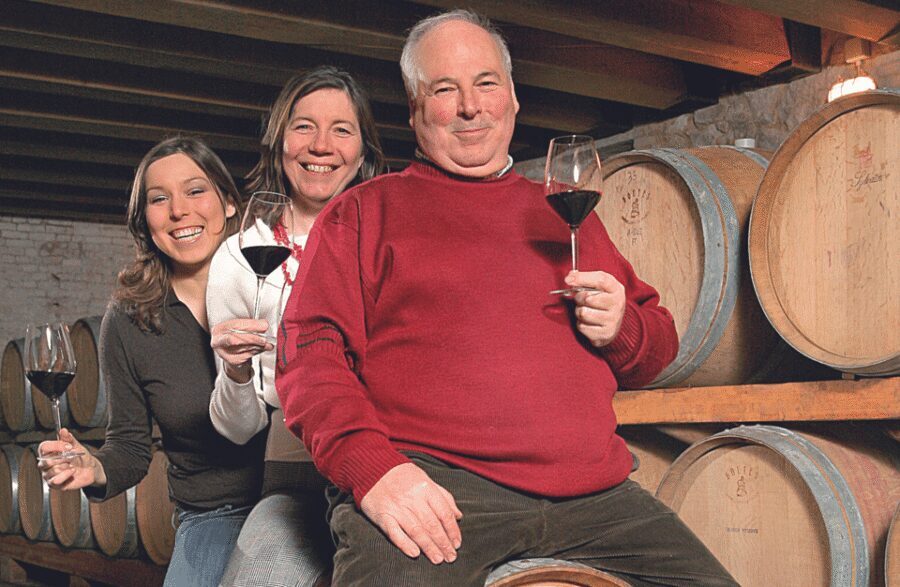
- Vineyard walk near a medieval village in the Colli Euganei countryside
- Four main tastings from the winery selection, plus local cheese and cured ham
- Cellar focus on stainless steel and where fermentation begins
- Barrel-room explanation of oak aging and why each label needs its own tasting notes
- Small group of up to 10 with a live guide in Italian, English, or German
Where this Padua Hills winery sits in the Colli Euganei
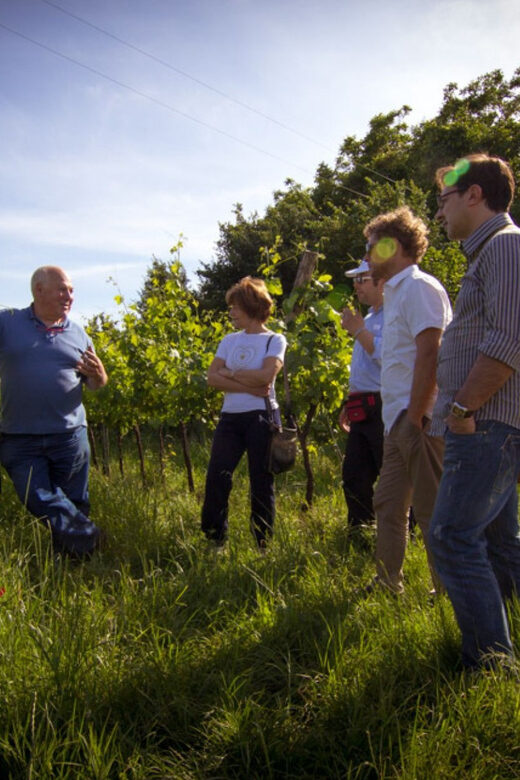
This tour happens in the Euganean Hills, in a part of Veneto that feels like time is moving slower. You meet in Due Carrare, a village close to Padova, inside the Colli Euganei park area. From Padova, expect about a 25-minute drive—short enough to fit into a day trip plan, long enough that you actually get the countryside feeling.
The big reason I think this works for visitors is that it’s not just a tasting room stop. You go out into the vineyards, then you head down into the cellar, and then you see the aging barrels. That sequence matters because it turns wine from a label on a shelf into a real chain of decisions—grapes, processing, and aging.
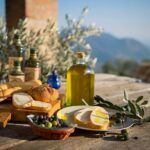
And yes, it comes with food. You’ll taste wines alongside cheeses and cured meats that are part of the region’s usual table culture, so you’re not guessing how to pair. You’re being walked through it.
You can also read our reviews of more food & drink experiences in Padua

Vineyard walk among ancient vines and pergola vs Guyot
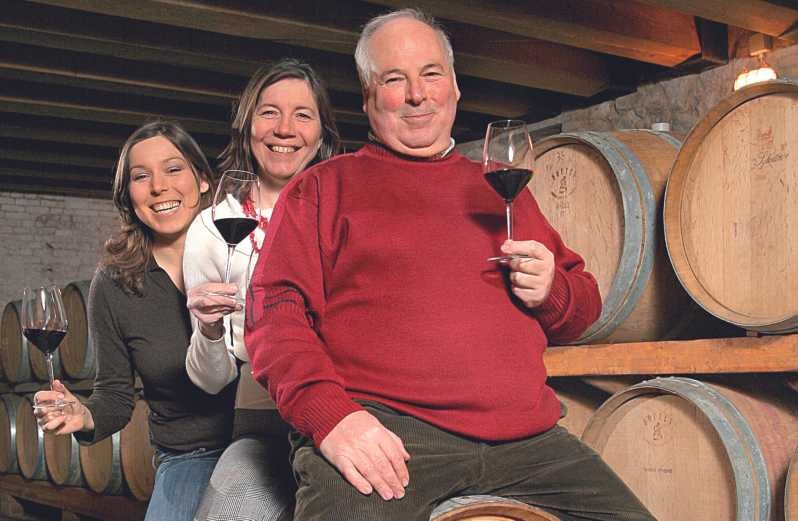
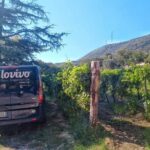
The experience starts with a stroll among ancient vines at Cantina Salvin, near a medieval village. It’s one of those walks where you can see why the geography and farming choices matter, not just because the views are nice (they are), but because the vines are managed with intent.
As you walk through the estate, your guide points out that the vineyards use specific training styles—pergola and Guyot. If those names are new to you, think of them as different ways of shaping and supporting vines so the canopy gets the right balance of sun and air. On this tour, the practical value is that you learn those terms as part of the story of producing a quality product, not as random wine trivia.
This is also where the tour’s family-business vibe shows up. The people here clearly care about native Venetian vines and about exploring what red grape varieties can do in this area. That doesn’t mean they’re trying to chase trends. It means they’re trying to answer a basic winemaking question: what’s possible with the grapes they grow and the way they grow them?
A simple tip: wear comfortable shoes. Even if the walking pace is relaxed, you’re moving through vineyard terrain, not a flat promenade.
Cellar time: where fermentation begins in stainless steel
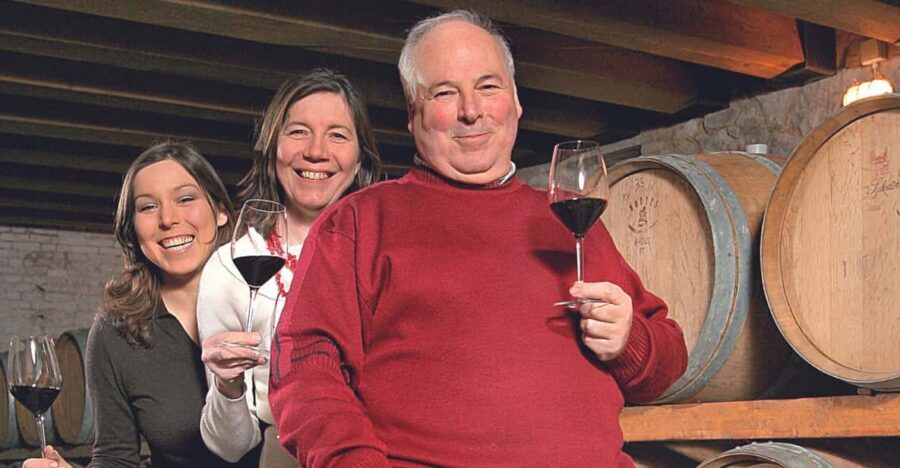
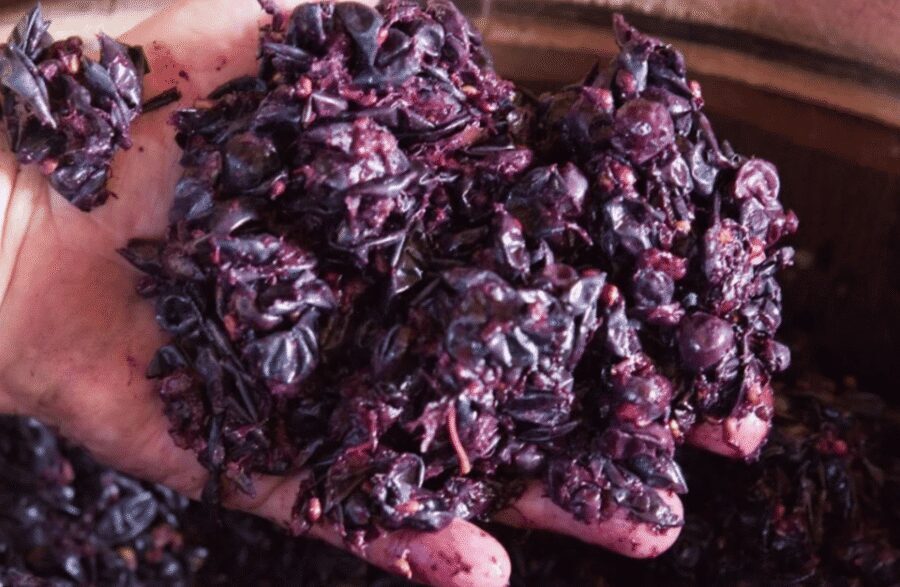
After the vineyard, the visit shifts indoors to the cellar. This part is especially good if you like the nuts-and-bolts side of wine. You’ll see how stainless steel processing fits into the process—specifically, how fermentation gets started in stainless steel.
That detail matters because stainless steel is often associated with keeping flavors crisp and clean while fermentation does its work. On this tour, the messaging is less about buzzwords and more about method: you’ll learn how each stage supports the final character of the wine.
You also get a sense of how production can be meticulous without being rigid. The guide explains the fundamental role of careful work, and you’ll hear that the winemaking tradition here includes both native Venetian vines and attention to what red grape varieties need to express well.
What I like about this stop is that it makes the later tasting make more sense. When you get to the barrel room and the wine is poured, you’ll have a clearer mental picture of how the earlier decisions affect what’s in the glass.
Barrel room and oak aging that shapes each label
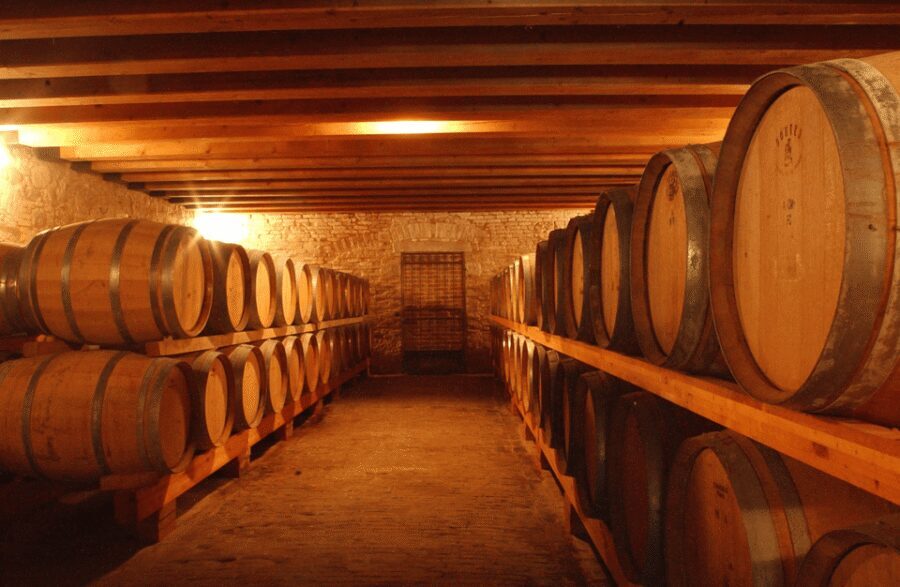
Next comes the barrel room, where the tour turns from fermentation basics to aging and character. This is where you learn the role of oak barrels—not in a vague way, but as something that imparts unique characteristics to the wine.
It’s also where the tour leans into the craft side. Your guide talks about how winemakers search for the right tasting notes for each label. That kind of careful language is a good sign. It means they’re not just “pour and hope.” They’re trying to match the wine’s development to what the wine is supposed to be.
If you’re a person who likes to understand why wines taste different, this stop is worth it. You’re not only being told that oak affects flavor. You’re seeing the logic of how aging can change aroma, texture, and overall balance.
One small caution: the tour is scheduled for about 1 hour total, so this isn’t a slow, multi-hour production deep dive. You’ll get the key points clearly, but you won’t be sitting in the cellar for ages.
The tasting lineup: 4 iconic wines plus cheese and cured hams
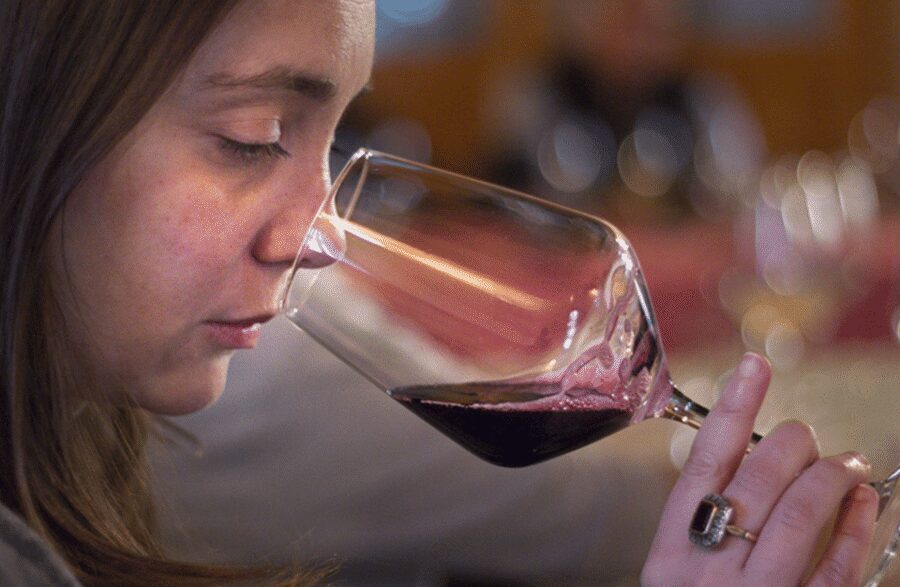
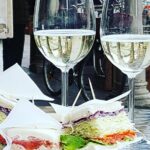
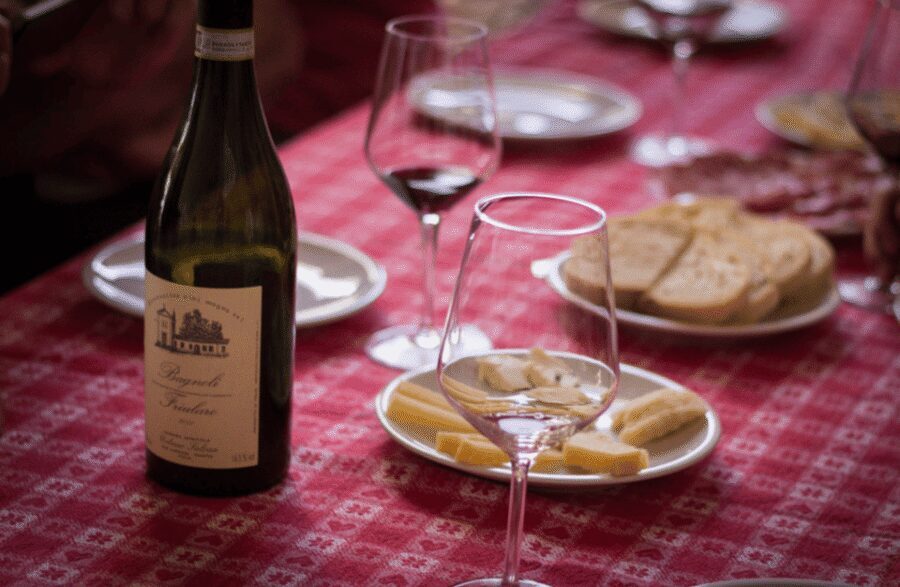
Now for the fun part: the tasting. The format is built around the winery’s selection—four main labels—paired with local foods. You’ll also get more than just wine-sip moments; it’s structured so you taste, then pair, then compare.
What you’ll eat includes:
- 3 types of cheese, each matured differently
- 2 types of cured hams
That “matured differently” detail is important. It means the cheeses likely range in intensity, giving you a way to notice how wine handles different flavors—salty, fatty, sharp, or softer.
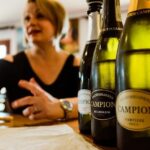
On the wine side, the tour focuses on the Euganean Hills character and includes sparkling, a white, and young and aged reds. You’ll also taste wines featuring Merlot, Cabernet Franc, and Cabernet Sauvignon. Even if you’re not a total wine nerd, these grape names help you anchor what you’re tasting.
Here’s what you can do to get the most out of the tasting without overthinking it:
- Take one sip and ask yourself if you notice fruit first or structure first.
- Then pair with cheese or cured ham and see what changes: does the wine feel softer, drier, brighter, or rounder?
- If something really clicks, remember what food you paired it with—those pairings are part of why this tour feels complete.
The strongest praise for the experience is how much time the host takes with wine and cheese pairing. If you’re lucky enough to get a guide like Francesca (a friendly host name that shows up in the tour stories), you’ll likely get careful explanations and a patient pace. Even when the guide passes the baton, the tour keeps going smoothly.
You can also read our reviews of more wine tours in Padua
What the “native Venetian vines” story means for your glass
One of the tour’s themes is the relationship between tradition and possibility. You’ll hear about native Venetian vines, and you’ll also learn that the winery explores the potential of red grape varieties.
This matters to you for one reason: it gives your tasting a context beyond personal preference. Instead of thinking only, I like this one, you can also think, This one matches the vineyard choices they’re making.
The tour also references the idea that the wines represent the Euganean Hills area. That’s a big claim many wineries make, but here it’s backed by a clear explanation of production stages: vineyard training (pergola and Guyot), stainless steel fermentation, and then oak aging. When those building blocks line up, it’s easier to taste “place” rather than just taste “grape.”
If you like wine that tells a story without being pretentious, this should suit you.
Timing, group size, and who this tour is best for
The duration is about 1 hour, and the group stays small, limited to 10 participants. That matters more than it sounds. In small groups, the guide can actually slow down when people have questions. It also means you’re not stuck waiting while the group shuffles from one place to another.
This is also a good match if you’re doing Padova as a base. Meeting in Due Carrare (close to Padova, inside the Colli Euganei park area) makes it practical to combine with a city day. You’ll get the quiet countryside contrast without committing to a long overnight travel plan.
Who it suits best:
- Wine lovers who want a clear, stage-by-stage explanation (vineyard → stainless steel → barrels → tasting)
- Food pairers who like cheese and cured meats as part of the experience
- People who want a small-group tour that doesn’t feel rushed beyond the 1-hour limit
Who might find it less ideal:
- If you want a long, classroom-style seminar, the one-hour format may feel too short.
- If you’re sensitive to walking in vineyard areas, plan to keep your pace comfortable.
Wheelchair accessibility is listed, but the tour includes walking through vineyard and cellar areas, so it’s smart to check details ahead of time if you have mobility needs beyond a standard wheelchair.
Also noted: it isn’t suitable for pregnant women.
Price and value: is $53.01 worth it?
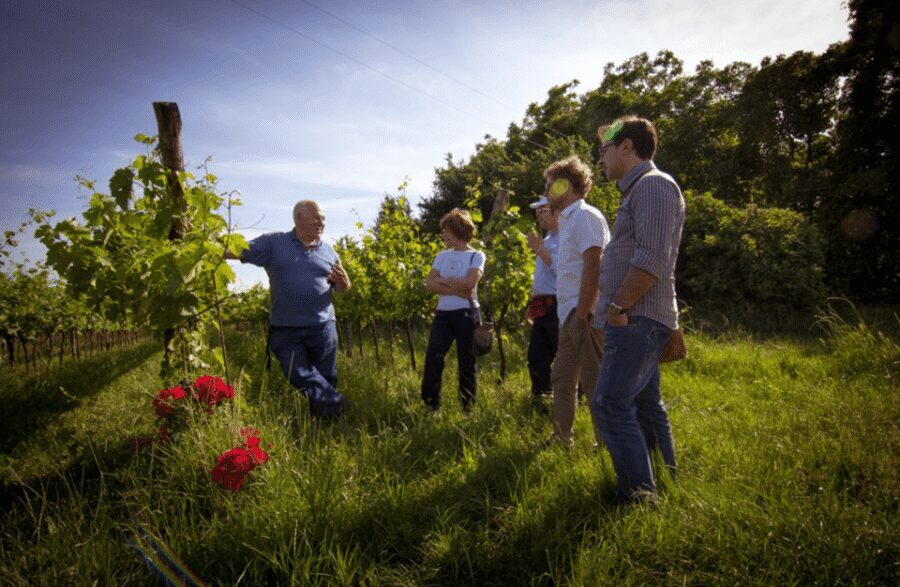
At $53.01 per person for about 1 hour, this isn’t a budget tasting, but it also isn’t a “big production” price. What makes it feel fair is what you actually get in that hour:
- Vineyard visit near ancient vines
- Cellar talk with stainless steel processing and fermentation beginning
- Barrel room explanation of oak aging
- At least 4 tastings
- Cheese and cured ham pairings (including multiple cheese types matured differently)
So you’re paying for more than wine samples. You’re paying for access to the working parts of winemaking and a paired tasting that’s set up to teach you what matters.
If your goal is only to drink a couple wines quickly, you could likely do something cheaper elsewhere. But if you want the full “from vineyard to barrels” education, plus food pairings, this tends to deliver strong value for the time.
Should you book this winery tour in the Padua hills?
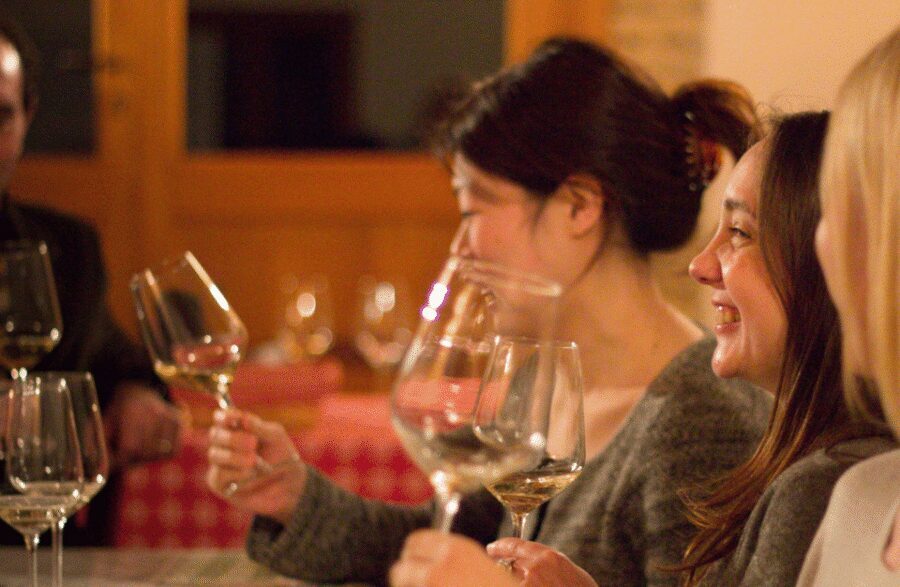
Yes, if you want a compact, friendly winery experience with real structure. Book it if you like hands-on storytelling: vines in the sun, fermentation explained plainly, barrels that actually change what you taste, and a pairing table that makes the wines easier to understand.
I’d hold off only if you need a long tour with lots of downtime, or if you dislike short formats that move from stop to stop. Also, if you’re not comfortable with vineyard/cellar walking, check in advance so expectations match the route.
FAQ
How long is the winery tour and tasting?
The experience runs for about 1 hour.
Where does the tour start in the Padua area?
You’ll find the winery tour starting in Due Carrare, a village close to Padova in the Colli Euganei park.
What will I taste during the tour?
You’ll taste four main wines from the winery selection, plus sparkling, a white, and young and aged reds. The tasting includes Merlot, Cabernet Franc, and Cabernet Sauvignon.
Is there food included with the tastings?
Yes. You’ll have local cheese and cured hams included with the wines—3 types of cheese and 2 types of cured hams.
What kind of tour group size should I expect?
It’s a small group experience limited to 10 participants.
What languages are the tours offered in?
The live guide is available in Italian, English, and German.
Is the tour wheelchair accessible?
Wheelchair accessibility is listed as available, but the tour includes vineyard and cellar areas, so it’s worth confirming details for your specific needs.
If you tell me your travel month and whether you’re starting from Padova or staying nearby, I can help you plan how to slot this tasting into your day without rushing.