REVIEW · VERONA
Verona Arena and Historic Highlights: A Guided Walking Tour
Book on Viator →Operated by Opatrip.com Italy · Bookable on Viator
Verona is a history lesson you can walk through. This guided walking tour strings together the Arena di Verona, Castelvecchio, the Scaliger monuments, and Verona’s most important squares, turning medieval streets into a readable story. I like how the route moves quickly between major sights without feeling like a checklist, and I especially like that the guide keeps the culture and art connections clear, so the places make sense together.
I also like the way the tour links entertainment and power in one arc. You go from ancient gladiator-style spectacle to a theater used for major performances, then you see how rulers and courts left their mark in stone around Piazza dei Signori and the Scaliger tombs. One drawback: it’s about 2 hours with short stops (around 15–17 minutes each), so if you want long museum time, you may feel slightly rushed.
In This Review
- Key highlights
- Verona in two hours: why this route works
- Arena di Verona: from gladiator spectacle to opera acoustics
- Castelvecchio: the old castle that still knows its job
- Scaliger Arcs: Gothic tombs that explain power
- Piazza dei Signori: where Venetian-era politics shows up in stone
- Piazza delle Erbe: the old forum that turned into a market
- Casa di Giulietta: Shakespeare’s legend at the end of the walk
- Price and what you actually get for it
- Who should book this guided walk
- Quick decision: should you book?
- FAQ
- How long is the Verona Arena and Historic Highlights walking tour?
- Where does the tour start and where does it end?
- Is this a private tour?
- What’s included in the itinerary?
- Are admission tickets included for the main sites?
- Do I get a mobile ticket?
- What happens if the weather is bad?
Key highlights
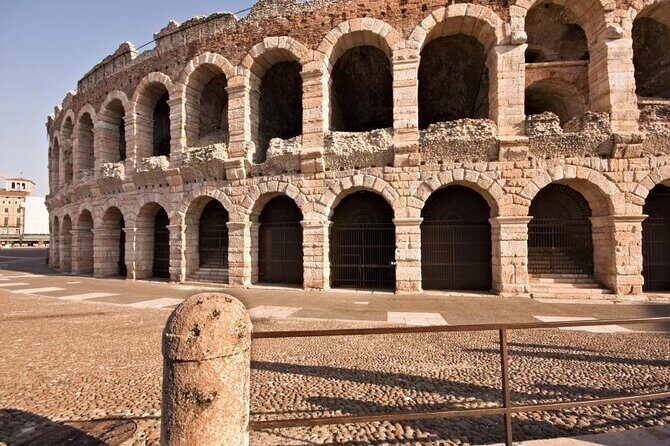
- Arena di Verona stays in use, known for its excellent acoustics from Roman amphitheater days to opera performances
- Castelvecchio connects defense and art, a restored castle with a museum of medieval and Renaissance pieces
- Scaliger Arcs are Gothic funerary monuments, five structures tied to Verona’s ruling family
- Piazza dei Signori shows politics in stone, with key palaces and administrative life
- Piazza delle Erbe was a Roman forum, later a long-running market and meeting point
- Casa di Giulietta brings Shakespeare legend into real streets, right at the tour’s finish
Verona in two hours: why this route works

If you only have a short window in Verona, this tour is built for that reality. You start by the Arena and end at Casa di Giulietta, so your path follows the center of town instead of zigzagging all over. The time per stop is tight on purpose—about the length of a coffee break—so you get the main visual anchors without losing the day.
The best part for me is the way the tour helps you read the city. Verona can feel like random pretty squares until someone points out why a place mattered. Here, you repeatedly get context: who ruled, what the buildings were for, and how styles changed from Roman to Gothic to Renaissance.
This is also set up for groups that want an efficient experience. It runs as a private tour/activity for only your group, and the meeting point is near public transportation. You’ll use a mobile ticket, which keeps things simple when you’re moving between sites.
You can also read our reviews of more walking tours in Verona


Arena di Verona: from gladiator spectacle to opera acoustics
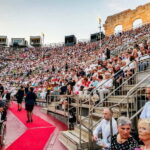
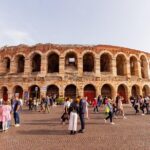
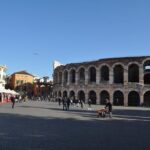
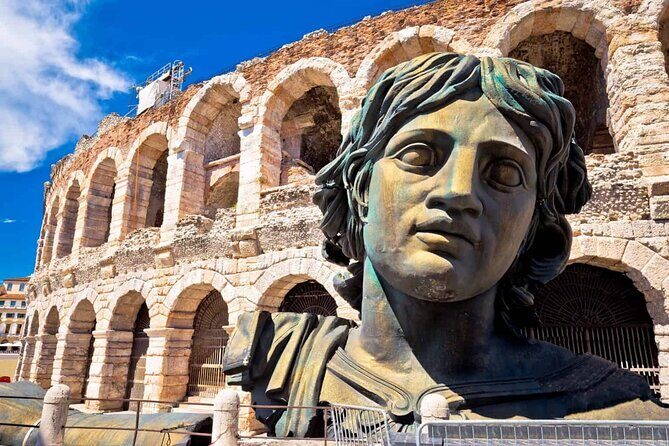
Your first stop is Arena di Verona, at P.za Brà, 1. This is one of those places where the scale hits you before the facts do. The Arena is a Roman amphitheater that’s still in use today, which is a rare kind of continuity for an ancient structure.
Historically, gladiator shows were the draw. Today, the “same bones” serve a different kind of drama—famous opera performances and concerts. The tour focuses on the key reason that matters to your experience: the monument’s ideal acoustics. That means the Arena isn’t just pretty from the outside; it’s designed to carry sound in a way that still works.
If you want one practical tip, it’s timing. One part of the experience is simply being there when the space feels alive. Also, it’s worth knowing that the Arena may be free on the first Sunday of each month, at least sometimes. If that lines up with your dates, it can be a nice bonus—but don’t build your whole plan on it.
Potential drawback: since you’re only there briefly, you’ll want to avoid getting stuck reading every plaque. Think of this as orientation plus context. You’ll get the story you need to enjoy it more later, even if you don’t do a long, detailed independent visit right now.
Castelvecchio: the old castle that still knows its job

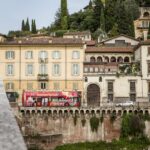
Next up is Castelvecchio, the restored medieval castle often described as the old castle of Verona. The tour treats it as more than a pretty facade. You learn what it was built to do, and why it shaped the area.
A standout detail is that Castelvecchio was once protected by water. The defense system was built as a seven-tower setup, and that combination of walls and watery protection is a big part of the castle’s power story. Even without heavy technical detail, you can “see” the logic once the guide points it out.
Then comes the part that balances fortress life with human creativity: the Castelvecchio Museum. The museum collection includes medieval and Renaissance sculptures, paintings, jewelry, and even weapons and armor. That spread matters because it doesn’t just show you art as decoration. It shows you the tools and symbols of status, skill, and conflict in the same buildings that once controlled movement.
One consideration: museum collections can expand in your mind faster than your time can. Since the tour stop is around 16 minutes, you’ll likely get an introduction rather than a thorough walkthrough. If you’re the kind of person who could spend hours with armor details, you may want to plan a separate return visit after this tour.
Scaliger Arcs: Gothic tombs that explain power
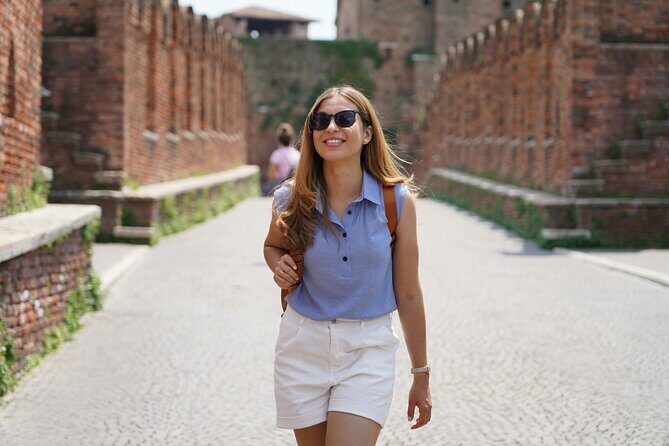
After Castelvecchio, you move to the Scaliger Tombs, also known through the name Scaliger Arcs. These are five Gothic funerary monuments made to commemorate the Scaliger family, the rulers of Verona. That family connection is not a background footnote—it’s the reason the structures look the way they do.
Gothic funerary art can feel emotionally heavy, but it’s also incredibly logical. You’re not just looking at “old pretty shapes.” You’re seeing how a ruling dynasty chose to be remembered. The group of five monuments gives you a sense of scale and planning, and the guide helps you connect the design to the political identity of the family.
This stop is short, about 16 minutes, so you’ll want to focus on what the monuments are telling you rather than trying to memorize every detail. If you’re curious about Gothic style, this is a clean primer. You’ll leave with a mental map of what to notice if you see similar art later.
Piazza dei Signori: where Venetian-era politics shows up in stone
Piazza dei Signori is the kind of place that looks like it has always existed, because it has always mattered. In the tour, it’s framed as a square with political and administrative functions, especially during the Venetian reign. That time period helps you understand why the palaces around it feel like governance first, beauty second.
The guide points out palaces such as Palazzo della Ragione and Palazzo di Cansignorio. Once you know these names, you’ll start noticing how the square acts like a stage. People gathered here. Decisions happened here. Power was displayed here in the same way it still is today, just with more stone and less bureaucracy.
Time-wise, you get around 16 minutes. That’s enough for the core idea: this isn’t just a scenic square. It’s an administrative hub in a city where rulers left their marks.
Practical note: if you’re sensitive to sun or cold, this is a place where you’ll feel it because it’s open. Come prepared for outdoor waiting, even if the guide keeps you moving.
You can also read our reviews of more guided tours in Verona



Piazza delle Erbe: the old forum that turned into a market

Then you head to Piazza delle Erbe, described as the oldest square in Verona. This square is one of those “works on multiple levels” spots. It’s lively today with fruit market energy, cafés, and buildings in different styles and ages.
But the tour also ties it to Roman times, when Piazza delle Erbe served as a Roman forum. It even hosted chariot races. That’s a big deal because it changes how you see the ground under your feet. You’re not only looking at a modern market with historic-looking facades. You’re standing on an old civic center built for public life.
If you’re wondering why markets feel so satisfying in historic cities, it’s because they keep the same human behavior going. People still gather, trade, snack, and compare stories. In this square, the continuity is part of the charm.
This is also where you’ll likely notice the difference between a “pretty street photo” and a real city moment. If you take a minute to watch the movement, you’ll feel how Verona still uses its center like a meeting place.
Downside: if your main goal is strict museum-style culture, the lively market atmosphere can steal a little attention. I actually see that as a plus, but you should know what to expect.
Casa di Giulietta: Shakespeare’s legend at the end of the walk
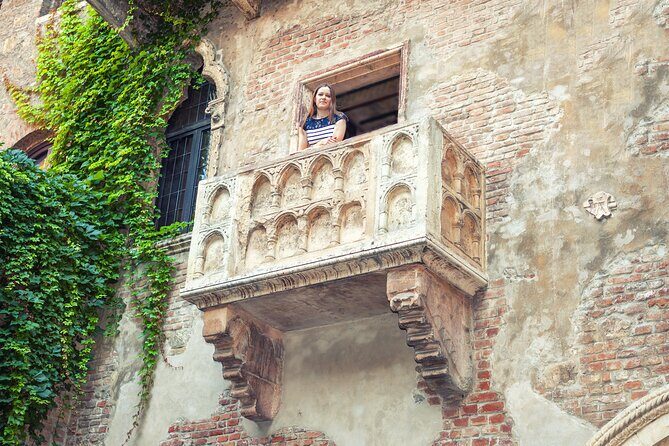
The final stop is Casa di Giulietta on Via Cappello, 23, where the tour ends. This is the famous love-story location tied to Shakespeare’s Romeo and Juliet. Even if you’re not a literature superfan, the place is part of Verona’s cultural identity now, which is what matters for your trip.
The tour frames it as a house linked to romantic legends, which is a simple and honest way to approach it. You’re not being asked to treat it like a strict historical document. You’re being invited into the idea that stories can shape how cities market themselves and how visitors connect to places.
This is about 15 minutes in the schedule. That’s just enough time to see the highlights and wrap your day without feeling trapped for an hour. Then you’re free to keep walking—whether that means lingering for photos, heading back to your hotel, or exploring more nearby streets.
One consideration: if you dislike crowds around famous sites, you’ll want to choose your timing carefully. Even without planning around it, you can still manage it by moving quickly through the core areas and saving time for calmer streets right afterward.
Price and what you actually get for it

At $196.66 per person, this isn’t a budget “quick look” tour. The value depends on what you want from it.
You’re paying for a guided route that covers several major landmarks in about 2 hours, with a focus on connecting art, architecture, and political context. The experience also includes admission tickets listed as free for key sites on the route (Arena di Verona, Castelvecchio, and Scaliger Tombs). That matters because it reduces decision fatigue. You’re not spending your trip time searching for ticket desks or figuring out separate entry rules on the fly.
You also get practical advantages:
- A private setup for your group
- A mobile ticket option
- Group discounts (useful if you’re traveling with others)
- Confirmation at booking
- A route that’s near public transportation at both ends
There’s also a weather factor. The experience requires good weather, and if it’s canceled due to poor conditions, you’ll be offered another date or a full refund. That’s a fair trade for an outdoor walking day.
So, who is this best for? If you like your sightseeing guided, and you want Verona’s big cultural story laid out clearly instead of pieced together later, this is strong value. If you prefer slow independent wandering and long museum time, you might feel like it’s a taste instead of a full meal.
Who should book this guided walk
This tour fits best if you want:
- A fast, coherent introduction to Verona’s Roman-to-medieval-to-Gothic storyline
- A guided explanation of why each square or monument matters
- A route that ends at Juliet’s House, so you can keep exploring after the tour
It’s less ideal if you’re looking for a museum-heavy day. Castelvecchio has enough inside to keep you occupied for much longer than the tour window allows. Also, you’ll be outside for most of the day’s movement, so plan for weather.
If you get a guide with a strong art and history communication style, you’ll likely get the biggest payoff. Past experiences highlight a guide named Frank as friendly and highly effective at handling group needs and answering questions about the Arena’s long story. That kind of back-and-forth can turn a basic visit into a smarter one.
Quick decision: should you book?
I think you should book this tour if you want Verona’s core landmarks explained in a way that makes the city feel connected. The short stops are actually a strength here, because you leave with a clear mental map: Roman spectacle at the Arena, fortress power and museum art at Castelvecchio, Gothic funerary monuments for the Scaliger rulers, and civic life in Piazza dei Signori and Piazza delle Erbe, before finishing at Juliet’s House.
Skip it only if you already plan to spend lots of solo time in Castelvecchio and you’d rather control every minute yourself. In that case, you can still do these sights on your own—but you’ll be missing the quick explanations that help the stones and squares click.
FAQ
How long is the Verona Arena and Historic Highlights walking tour?
The tour lasts about 2 hours.
Where does the tour start and where does it end?
It starts at Arena di Verona, P.za Brà, 1, 37121 Verona VR, Italy. It ends at Casa di Giulietta, Via Cappello, 23, 37121 Verona VR, and the tour ends there.
Is this a private tour?
Yes. It’s described as private, with only your group participating.
What’s included in the itinerary?
You’ll stop at Arena di Verona, Castelvecchio, Scaliger Tombs (Scaliger Arcs), Piazza dei Signori, Piazza delle Erbe, and Casa di Giulietta.
Are admission tickets included for the main sites?
The tour details list admission ticket free for stops such as the Arena di Verona, Castelvecchio, and Scaliger Tombs.
Do I get a mobile ticket?
Yes. The experience includes a mobile ticket.
What happens if the weather is bad?
The experience requires good weather. If it’s canceled due to poor weather, you’ll be offered a different date or a full refund.